
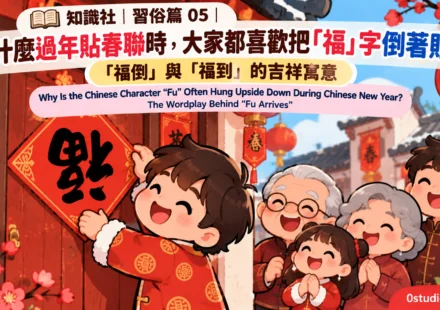
知識社|習俗篇 05 | 為什麼過年貼春聯時,大家都喜歡把「福」字倒著貼?|「福倒」與「福到」的吉祥寓意 | Why Is the Chinese Character “Fu” Often Hung Upside Down During Chinese New Year?|The Wordplay Behind “Fu Arrives”
農曆新年期間,家家戶戶貼春聯、掛揮春,其中最有趣的習俗之一,就是把「福」字倒過來貼。看似貼錯方向,原來是利用「倒」與「到」的諧音,把「福倒」理解成「福到」。 During Chinese New Year, the character “Fu”, meaning blessing or good fortune, is often displayed upside…
Read More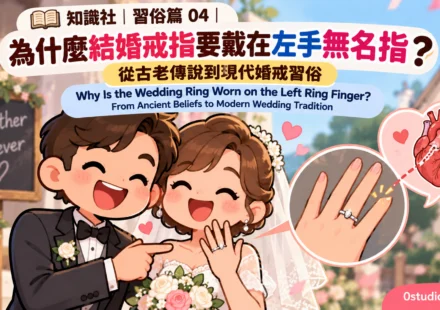
知識社|習俗篇 04 | 為什麼結婚戒指要戴在左手無名指?|從古老傳說到現代婚戒習俗 | Why Is the Wedding Ring Worn on the Left Ring Finger?|From Ancient Beliefs to Modern Wedding Tradition
結婚戒指戴在左手無名指,是許多人從小就習以為常的婚姻象徵。但為什麼偏偏是左手、偏偏是無名指?答案並不是一條「通往心臟的愛情血管」,而是歷史、傳說與文化習慣共同形成的結果。 Wearing a wedding ring on the left ring finger feels almost universal in many Western cultures. But…
Read More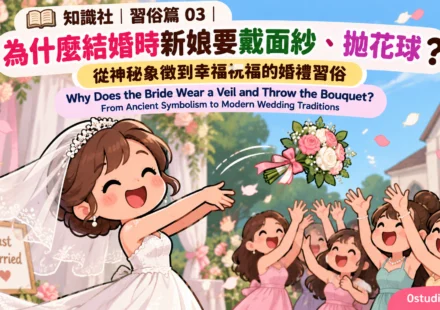
知識社|習俗篇 03 | 為什麼結婚時新娘要戴面紗、拋花球?|從神秘象徵到幸福祝福的婚禮習俗 | Why Does the Bride Wear a Veil and Throw the Bouquet?|From Ancient Symbolism to Modern Wedding Traditions
婚禮上,新娘戴面紗、拋花球,都是非常熟悉的畫面。但面紗原本未必只是為了美麗,花球也不只是婚禮裝飾,兩項習俗背後都藏着不同時代對婚姻、祝福與幸福的想像。 The bridal veil and bouquet toss are familiar scenes at weddings around the world. Yet neither tradition began…
Read More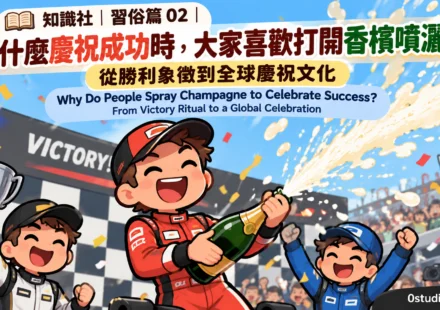
知識社|習俗篇 02 | 為什麼慶祝成功時,大家喜歡打開香檳噴灑?|從勝利象徵到全球慶祝文化 | Why Do People Spray Champagne to Celebrate Success?|From Victory Ritual to a Global Celebration
香檳噴灑是慶祝成功時最具戲劇性的畫面之一。從賽車頒獎台到體育勝利,再到電影中的慶功場面,酒液向空中飛濺,已成為歡呼、勝利與成功的象徵。 Spraying champagne has become one of the most recognisable images of celebration. From racing podiums to sporting…
Read More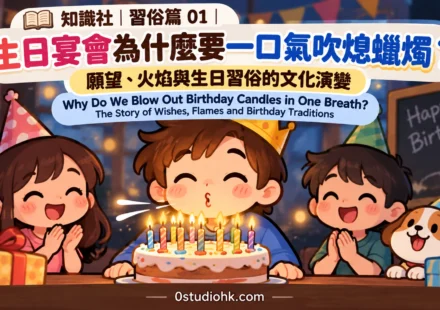
知識社|習俗篇 01|生日宴會為什麼要一口氣吹熄蠟燭?|願望、火焰與生日習俗的文化演變 | Why Do We Blow Out Birthday Candles in One Breath?|The Story of Wishes, Flames and Birthday Traditions
生日蛋糕上的蠟燭,看似只是慶祝生日的小儀式,卻蘊藏着悠久的文化想像。從火焰、願望到祝福,一口氣吹熄蠟燭,早已成為世界各地熟悉的生日習俗。 Blowing out the candles on a birthday cake feels like a simple moment of celebration, yet it carries a surprisingly…
Read More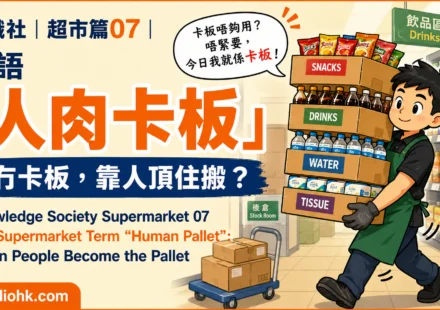
知識社|超市篇07|術語「人肉卡板」:冇卡板,靠人頂住搬? | Knowledge Society Supermarket 07 | The Supermarket Term “Human Pallet”: When People Become the Pallet
超市後倉搬貨去貨架,唔係每一次都有卡板車或者推車可以用。有時為咗快手,員工會一次過用雙手、手臂甚至身體承托幾件貨,直接由一區搬去另一區。現場一句「今日做人肉卡板」,其實就係講緊呢種情況。 Moving products from the stockroom to the sales floor does not always involve a pallet or…
Read More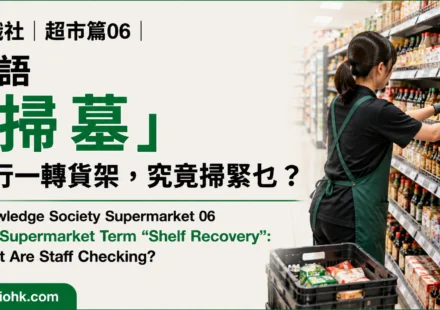
知識社|超市篇06|術語「掃墓」:行一轉貨架,究竟掃緊乜? | Knowledge Society Supermarket 06 | The Supermarket Term “Shelf Recovery”: What Are Staff Checking?
超市員工有時會講「掃墓」,唔係真係去掃墓,而係形容逐區巡貨架、整理貨品、檢查錯位同空位。行一轉睇似簡單,其實係維持貨架整齊同購物體驗的重要工作。 In supermarket language, “sweeping the aisles” can describe a routine check of the shelves and surrounding area.…
Read More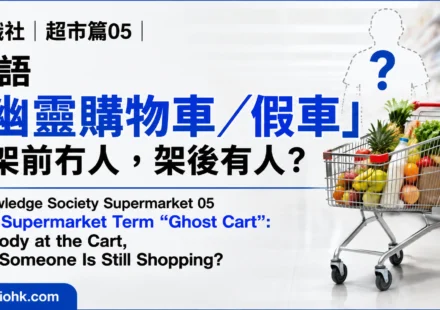
知識社|超市篇05|術語「幽靈購物車/假車」:架前冇人,架後有人? | Knowledge Society Supermarket 05 | The Supermarket Term “Ghost Cart”: Nobody at the Cart, But Someone Is Still Shopping?
行超市有時會見到一架購物車停喺通道,入面仲有貨,但附近偏偏冇人。你想行過去,又唔知應唔應該郁架車。原來呢種「人唔見咗、架車仲喺度」嘅情況,正正係超市現場幾有趣嘅小問題。 Have you ever come across a shopping cart standing alone in a supermarket aisle, still filled with…
Read More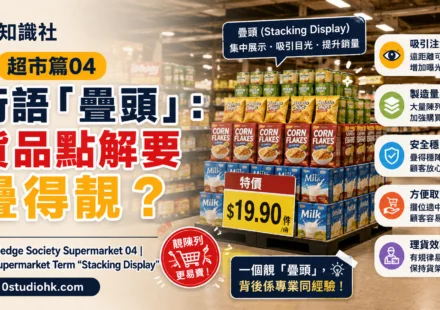
知識社|超市篇04|術語「疊頭」:貨品點解要疊得靚? | Knowledge Society Supermarket 04 | The Supermarket Term “Stacking Display”
行超市見到一堆堆整齊排列、向上疊起嘅貨品,你可能只覺得「擺得幾靚」。但對零售員工嚟講,點樣疊、疊幾高、點樣保持整齊安全,都係貨品陳列工作。今集認識「疊頭」呢個現場術語。 When you see products carefully stacked into a neat display, it may simply look attractive to a…
Read More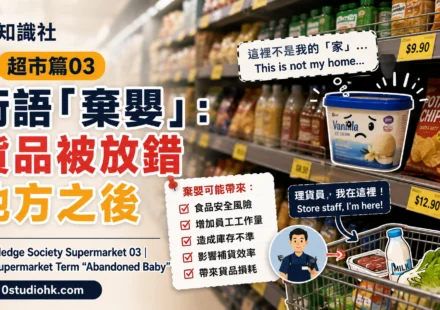
知識社|超市篇03|術語「棄嬰」:貨品被放錯地方之後 | Knowledge Society Supermarket 03 | The Supermarket Term “Abandoned Baby”
行超市時,你有冇見過一件貨品,明明屬於冷藏櫃,最後卻出現在零食架?又或者一盒飲品被放到完全不相關的貨架?零售現場有時會用「棄嬰」呢個形象化講法,形容顧客揀咗貨品之後又放低,最後留低喺錯誤位置。 Have you ever found a product sitting on a shelf where it clearly does not belong? A…
Read More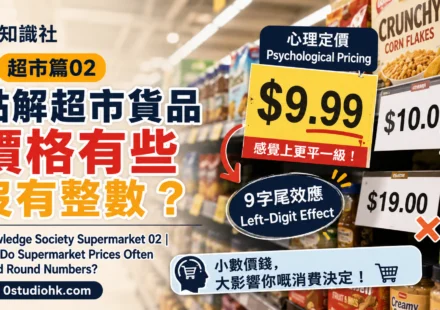
知識社|超市篇02|點解超市貨品價格有些沒有整數? | Knowledge Society Supermarket 02 | Why Do Supermarket Prices Often Avoid Round Numbers?
你有冇留意,超市貨架上好多價格都唔係整數,例如 $9.99、$19.90、$29.95?明明只差幾個仙,點解零售商唔直接寫成 $10、$20、$30?原來價格尾數背後,有一套幾有趣嘅消費心理。 Have you ever wondered why supermarket prices so often stop just short of a round number?…
Read More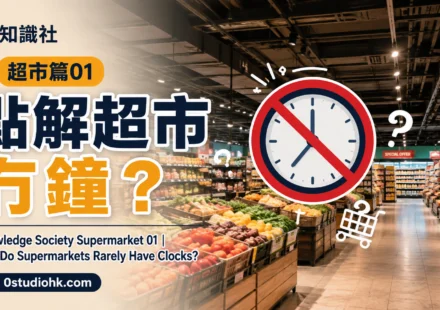
知識社|超市篇01|點解超市冇鐘? | Knowledge Society Supermarket 01 | Why Do Supermarkets Rarely Have Clocks?
你有冇發現,行入超市之後,好容易忘記自己已經行咗幾耐?貨架、燈光、音樂同冷氣,令店內環境同外面世界分開,而「睇唔到時間」亦可能係零售設計其中一個細節。 Have you ever walked into a supermarket for a few things and suddenly realised much more time has passed than…
Read More