

紅樓夢 | 第九十章|春風拂面:重拾心中的溫柔|Chapter 90|Spring Breeze: Rediscovering Gentle Hearts
春風拂面,萬物重新甦醒。走過漫長冬日,人也終於學會放下防備,在新的季節裡重新相信溫柔,相信自己,也相信生命仍然值得期待。 The spring breeze returns, bringing warmth to a…
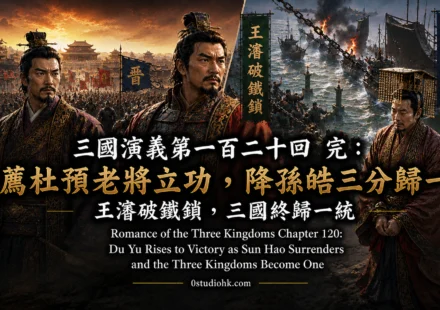
三國演義第一百二十回 完:薦杜預老將立功,降孫皓三分歸一|王濬破鐵鎖,三國終歸一統 | Romance of the Three Kingdoms Chapter 120: Du Yu Rises to Victory as Sun Hao Surrenders and the Three Kingdoms Become One
東吳末年,孫皓暴虐,朝政日益黑暗。西晉名將羊祜鎮守襄陽,與東吳名將陸抗彼此敬重,留下「羊陸之交」的佳話。陸抗死後,東吳失去重要支柱;羊祜臨終推薦杜預,司馬炎遂決意全面伐吳。晉軍六路並進,王濬率水軍順長江而下,以火炬焚破吳…

紅樓夢 | 第八十九章|晨鐘再起:新的旅程開始|Chapter 89|Morning Bells Again: A New Journey Begins
晨鐘響起,夜色退去,新的日子在第一縷陽光中悄然展開。走過往昔的風雨之後,真正重要的不是回到從前,而是帶著曾經的故事,勇敢踏上新的道路。 Morning bells rise with the dawn, gently…
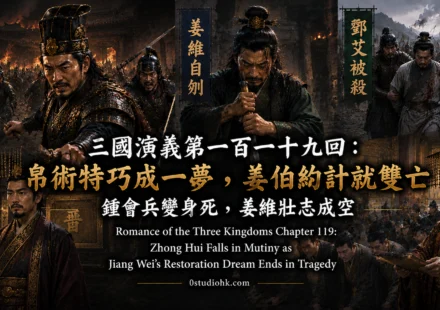
三國演義第一百一十九回:帛術特巧成一夢,姜伯約計就雙亡|鍾會兵變身死,姜維壯志成空 |Romance of the Three Kingdoms Chapter 119: Zhong Hui Falls in Mutiny as Jiang Wei’s Restoration Dream Ends in Tragedy
鍾會圖謀起兵反魏,卻因部下不願追隨而陷入孤立。魏軍兵變爆發,鍾會最終死於亂軍之中,姜維眼見復國大計無望,自刎而死。鄧艾亦遭衛瓘派人殺害。司馬炎繼承司馬氏大業,建立西晉,曹魏正式滅亡。三國至此只剩東吳。 Zhong…

紅樓夢 | 第八十八章|歲月如歌:回首已是風景|Chapter 88|Life Like a Song: Looking Back Becomes a View
歲月從不回頭,卻會把曾經走過的道路變成生命最美的風景。當人終於學會回望,才發現那些歡笑、眼淚、相遇與離別,都已成為一首只屬於自己的歌。 Time never turns back, yet it transforms…
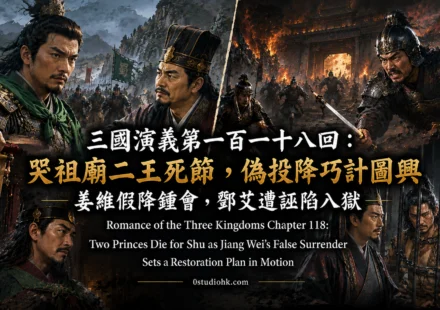
三國演義第一百一十八回:哭祖廟二王死節,偽投降巧計圖興|姜維假降鍾會,鄧艾遭誣陷入獄 |Romance of the Three Kingdoms Chapter 118: Two Princes Die for Shu as Jiang Wei’s False Surrender Sets a Restoration Plan in Motion
蜀漢滅亡後,姜維沒有真正放棄復國。他率部假意投降鍾會,很快看出鍾會與鄧艾之間存在矛盾,於是暗中挑撥兩人關係。鍾會在姜維推動下向司馬昭誣告鄧艾謀反,鄧艾父子被捕押往洛陽,鍾會獨掌蜀地。表面上姜維已經投降,實際上卻正在醞釀一…
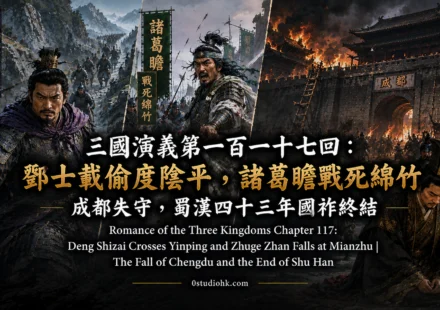
三國演義第一百一十七回:鄧士載偷度陰平,諸葛瞻戰死綿竹|成都失守,蜀漢四十三年國祚終結 |Romance of the Three Kingdoms Chapter 117: Deng Shizai Crosses Yinping and Zhuge Zhan Falls at Mianzhu|The Fall of Chengdu and the End of Shu Han
鄧艾偷度陰平,突破蜀漢後方防線,江油、綿竹相繼陷入危機。諸葛亮之子諸葛瞻與孫諸葛尚率軍死守綿竹,父子最終戰死。成都震動之下,北地王劉諶勸劉禪決戰未果,悲壯殉國;劉禪最終聽從譙周之議,開城向鄧艾投降,蜀漢正式滅亡。姜維得知…

紅樓夢 | 第八十七章|花開有時:生命最好的安排|Chapter 87|When Flowers Bloom: Life’s Perfect Timing
花開有時,花落有期。人生亦有自己的季節,有些事情來得早,有些事情來得遲,但每一次等待都有意義,也許最好的安排,正是在不經意之間悄然到來。 Flowers bloom in their own season and…
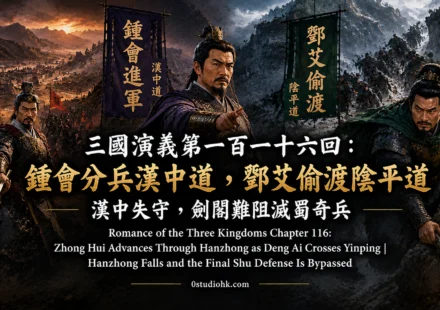
三國演義第一百一十六回:鍾會分兵漢中道,鄧艾偷渡陰平道|漢中失守,劍閣難阻滅蜀奇兵 |Romance of the Three Kingdoms Chapter 116: Zhong Hui Advances Through Hanzhong as Deng Ai Crosses Yinping|Hanzhong Falls and the Final Shu Defense Is Bypassed
魏軍正式發動滅蜀之戰,鍾會率大軍直撲漢中,蜀將傅僉戰死、蔣舒投降,漢中諸郡相繼失守。姜維擺脫魏軍牽制後退守劍閣,依靠天險成功擋住鍾會主力。就在鍾會久攻不下、準備退兵之際,鄧艾提出一個近乎瘋狂的計畫:率精兵偷渡陰平,翻越七…
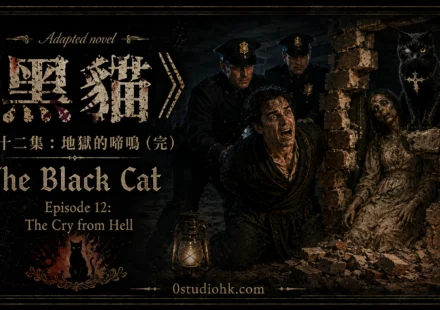
《黑貓》第十二集:地獄的啼鳴(完)|The Black Cat – Episode 12: The Cry from Hell
我以為那面牆已經替我封住所有秘密,也以為自己終於戰勝了恐懼。可是當警察準備離開地下室時,我為了炫耀自己的鎮定,做出了一個致命的舉動。那一聲從牆內傳出的恐怖啼鳴,終於讓我明白,有些罪惡,永遠不可能被磚石真正掩埋。 I…
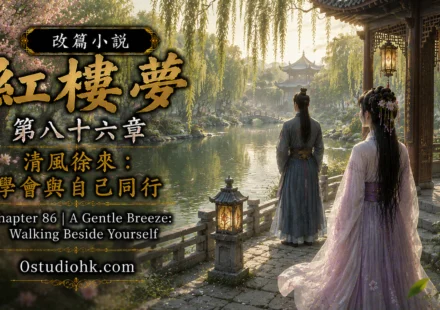
紅樓夢|第八十六章|清風徐來:學會與自己同行|Chapter 86|A Gentle Breeze: Walking Beside Yourself
清風徐來,吹散心中的喧囂。走過聚散離合之後,人終會明白,人生最長久的陪伴,其實是學會理解自己、接納自己,然後安靜地走完自己的路。 A gentle breeze clears the noise within the…
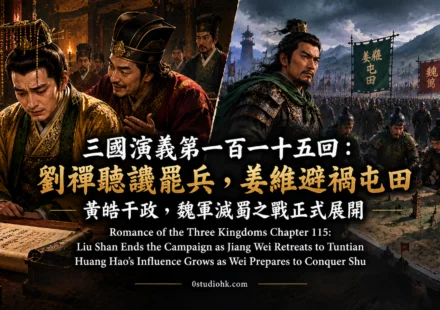
三國演義第一百一十五回:劉禪聽讒罷兵,姜維避禍屯田|黃皓干政,魏軍滅蜀之戰正式展開 |Romance of the Three Kingdoms Chapter 115: Liu Shan Ends the Campaign as Jiang Wei Retreats to Tuntian|Huang Hao’s Influence Grows as Wei Prepares to Conquer Shu
姜維多年北伐,卻因黃皓干政與朝廷猜疑而屢受牽制。當姜維試圖除掉黃皓時,劉禪反而出面保護,使姜維深感危機。為避禍並保存軍力,他採納郤正之策,率軍前往沓中屯田。姜維離開成都,看似遠離政治風暴,卻也令蜀漢本土防務出現空隙。與此…