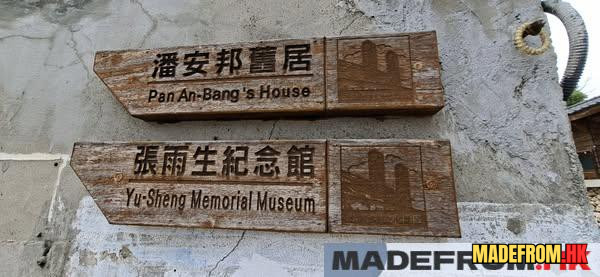
位於澎湖馬公的篤行十村,是台灣保存完整的眷村之一。這裡融合軍事歷史與生活記憶,展現出獨特的人文風貌與時代痕跡。
Duxing Village in Magong, Penghu, is one of Taiwan’s best-preserved military dependents’ villages, reflecting a layered history shaped by memory, migration, and community life.
篤行十村位於台灣澎湖縣馬公市,是一個充滿歷史文化底蘊的地方。這個村落的名字「篤行」,寓意著堅持不懈的精神,而「十村」則源於當地的建築布局。篤行十村不僅是一個居住區,更是一個反映台灣歷史的重要地點,值得深入了解。
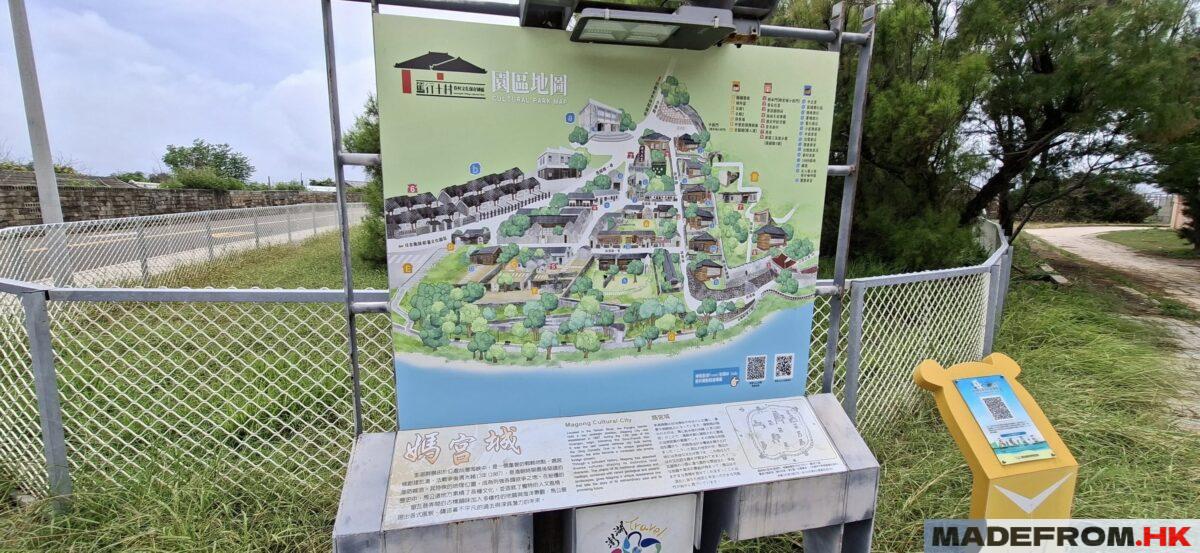
篤行十村的起源
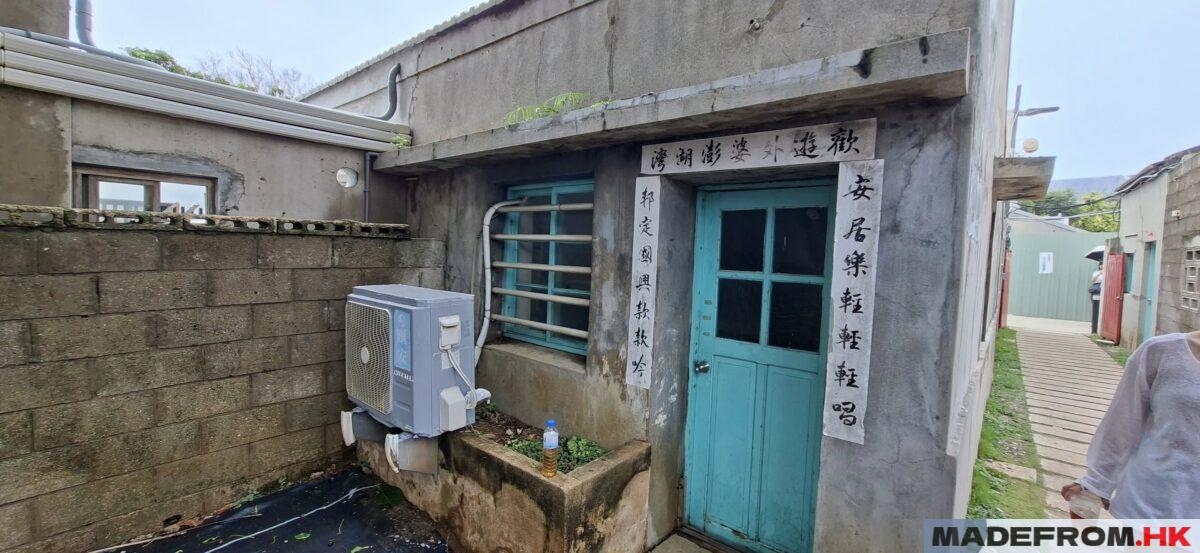
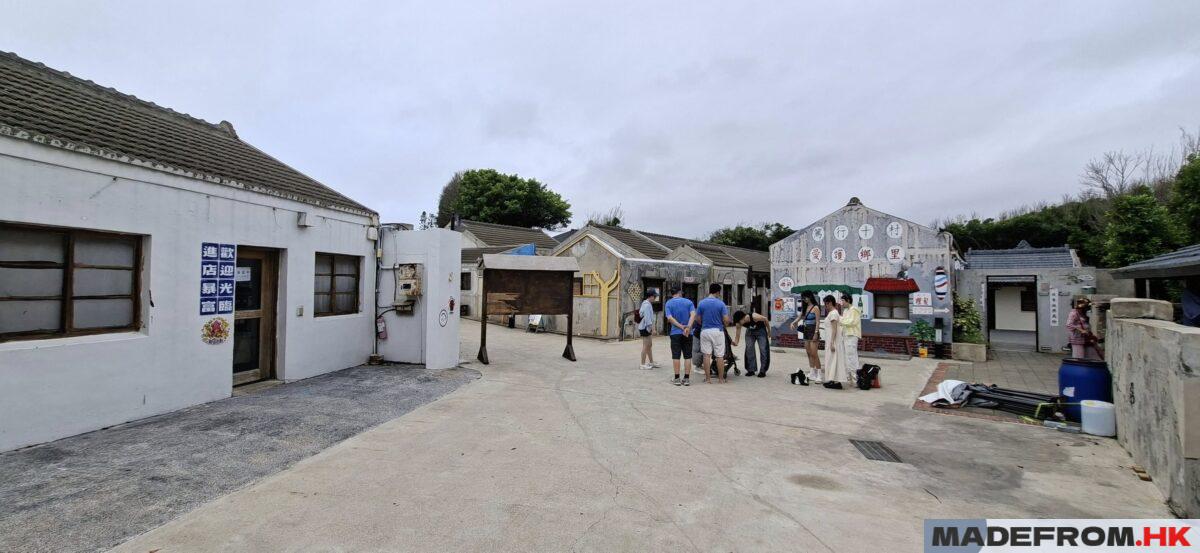
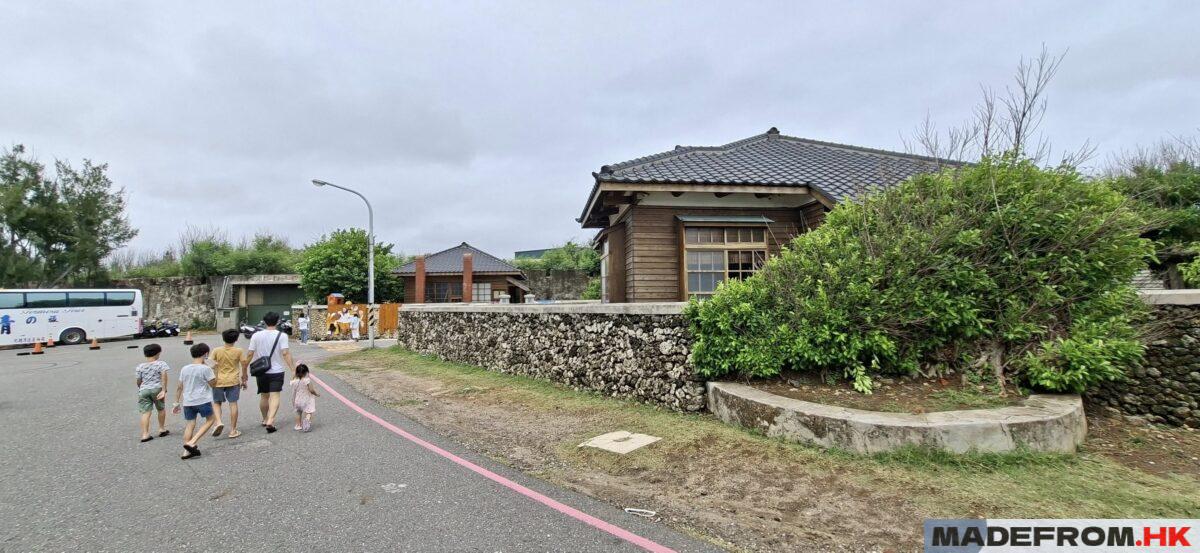
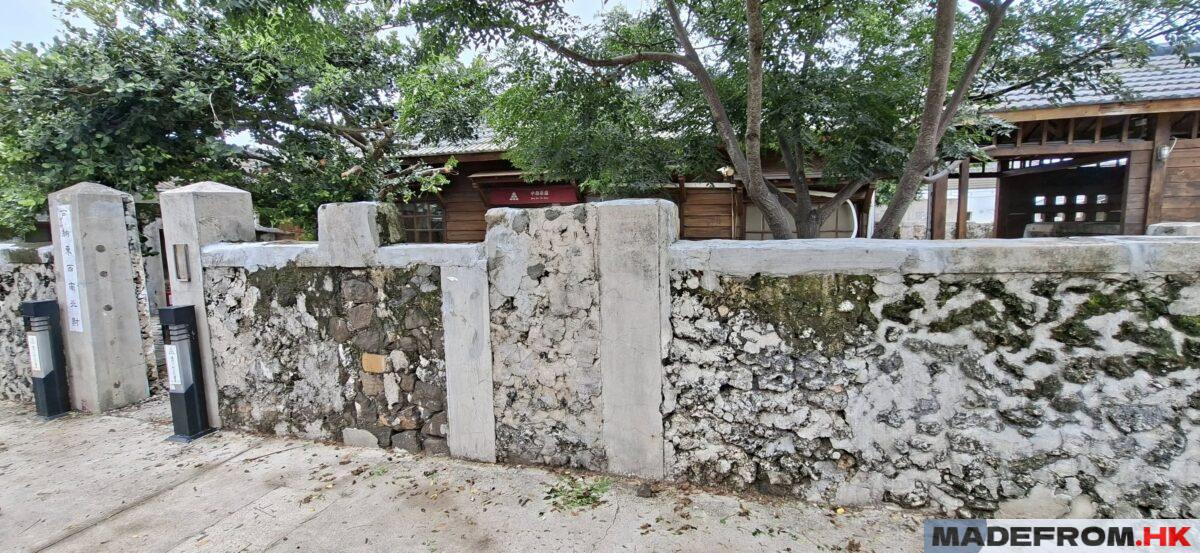
篤行十村的建立可追溯至日治時期,最初為軍事用途,後來成為澎湖防衛部隊的宿舍區。隨著時間的推移,村落逐漸演變為平民住宅,但仍保留了濃厚的軍事建築風格。這些建築以其簡約、實用的設計而聞名,展現了當時的建築美學。
文化價值與保存
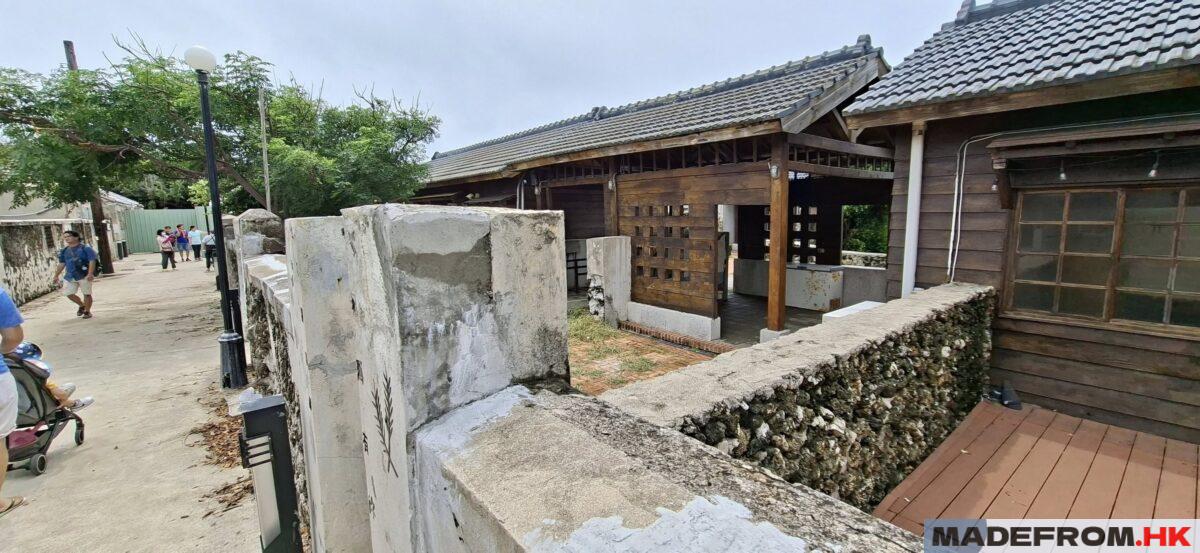
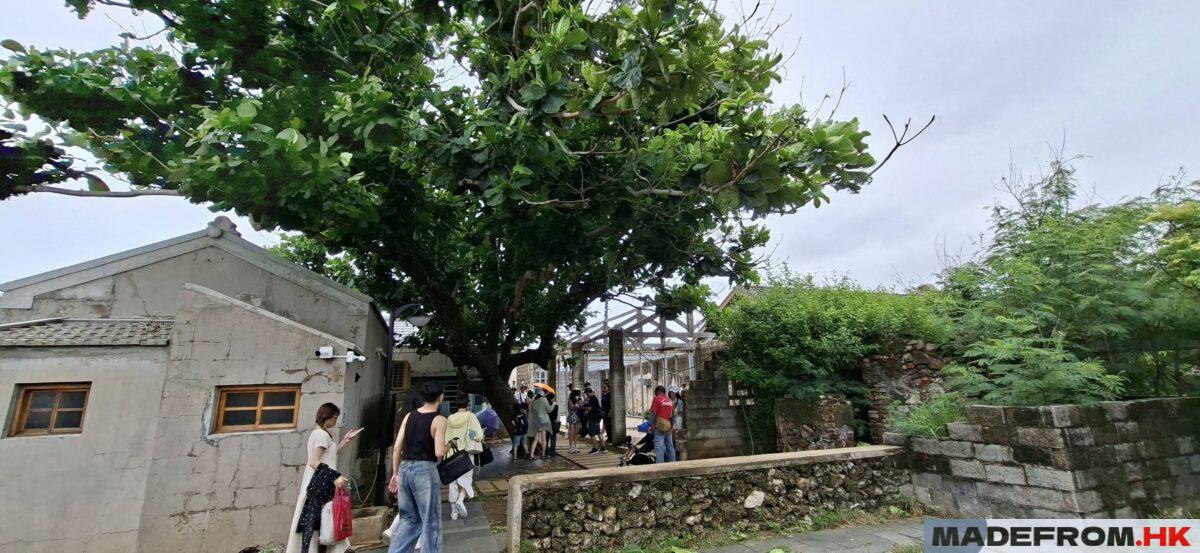
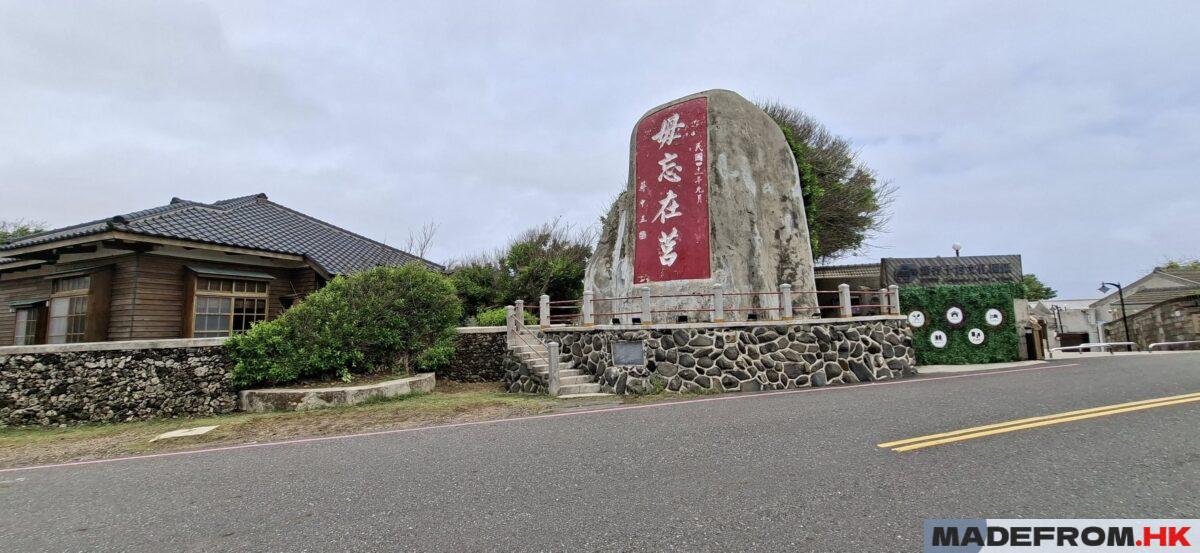
篤行十村不僅是一個居住地,更是一個承載歷史記憶的地方。村內的建築和街道布局反映了台灣早期軍事防衛的規劃理念。近年來,隨著文化保育意識的提升,篤行十村被列為重要的文化保存區域。政府和民間團體共同努力,修復老舊建築,並舉辦各類文化活動,以吸引更多人了解這片土地的故事。
篤行十村的現況
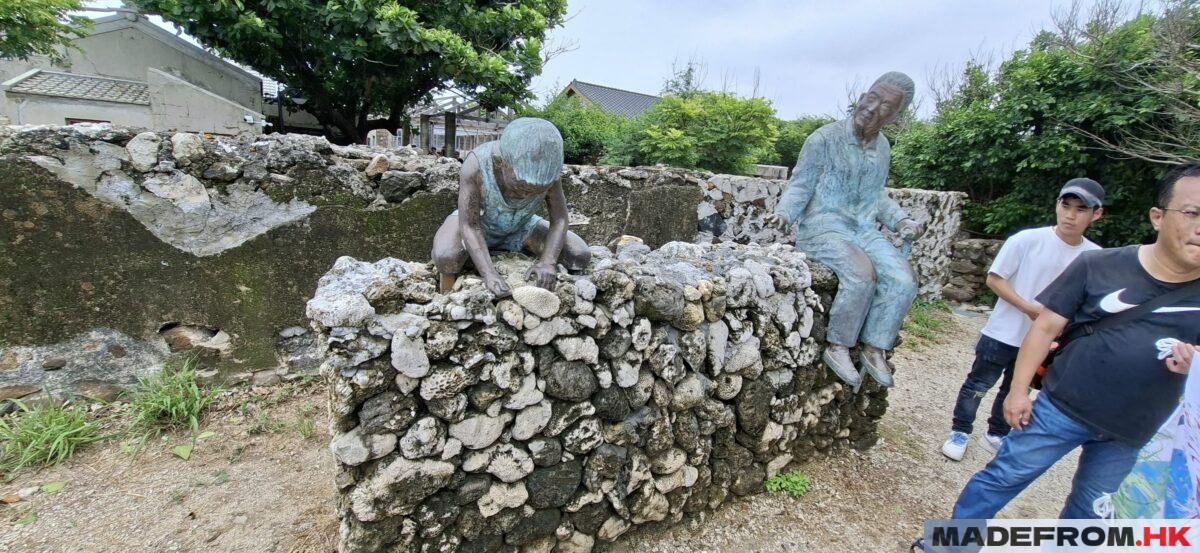
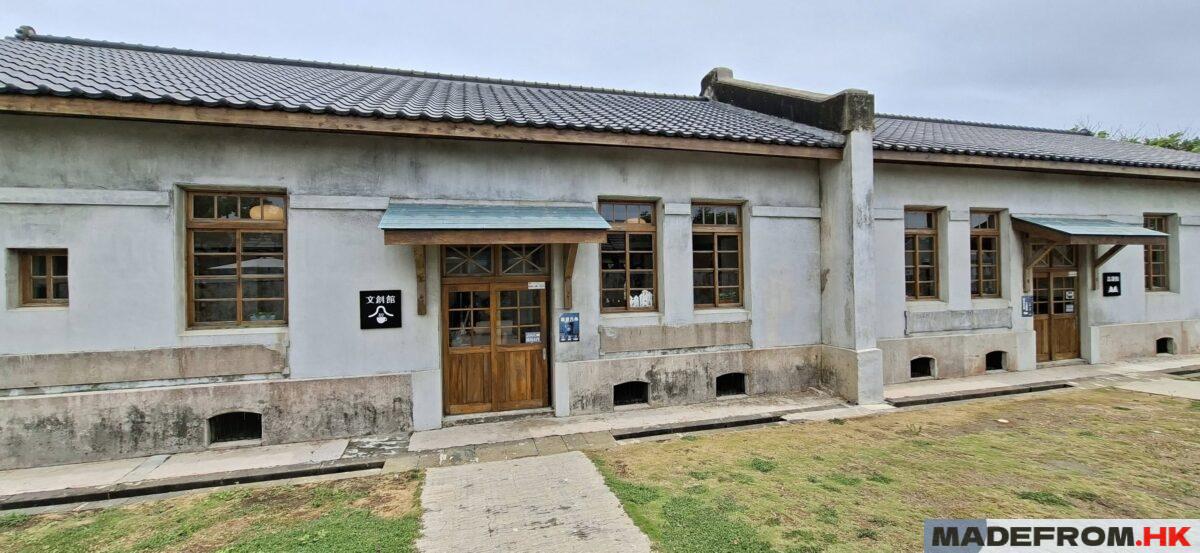
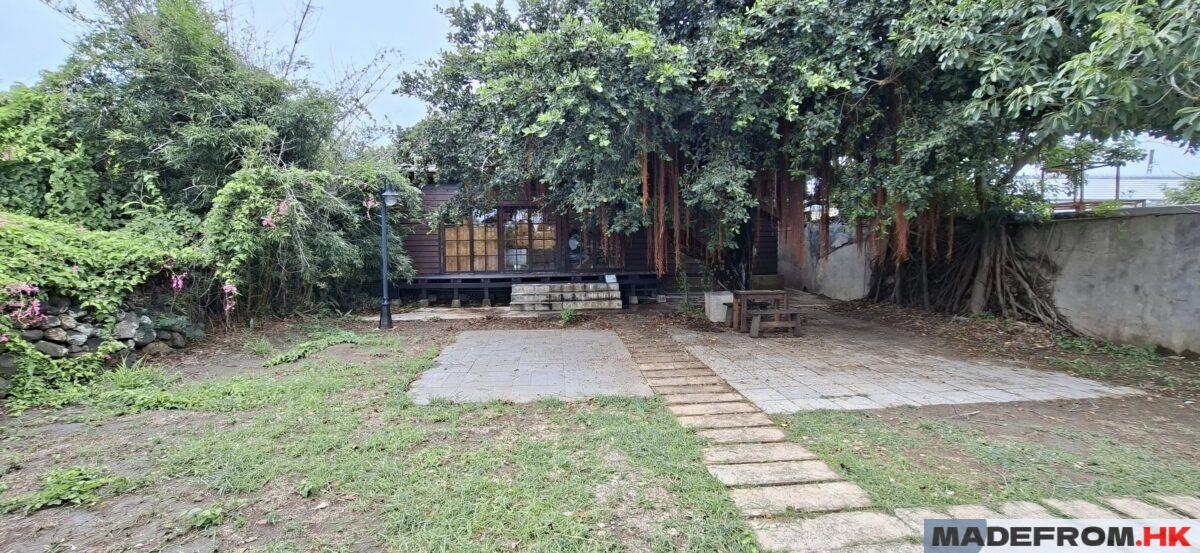
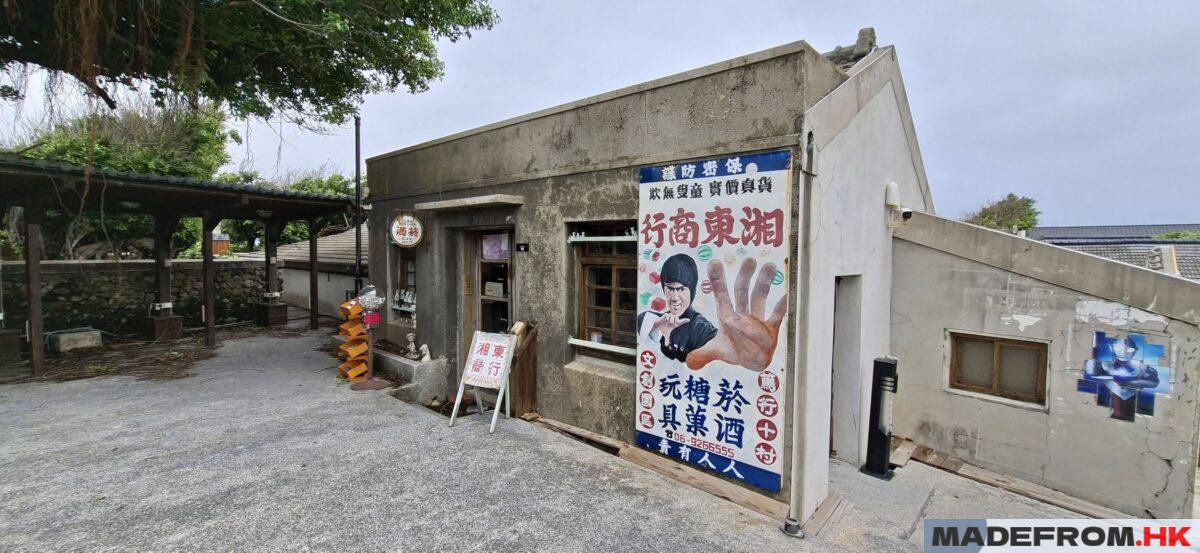
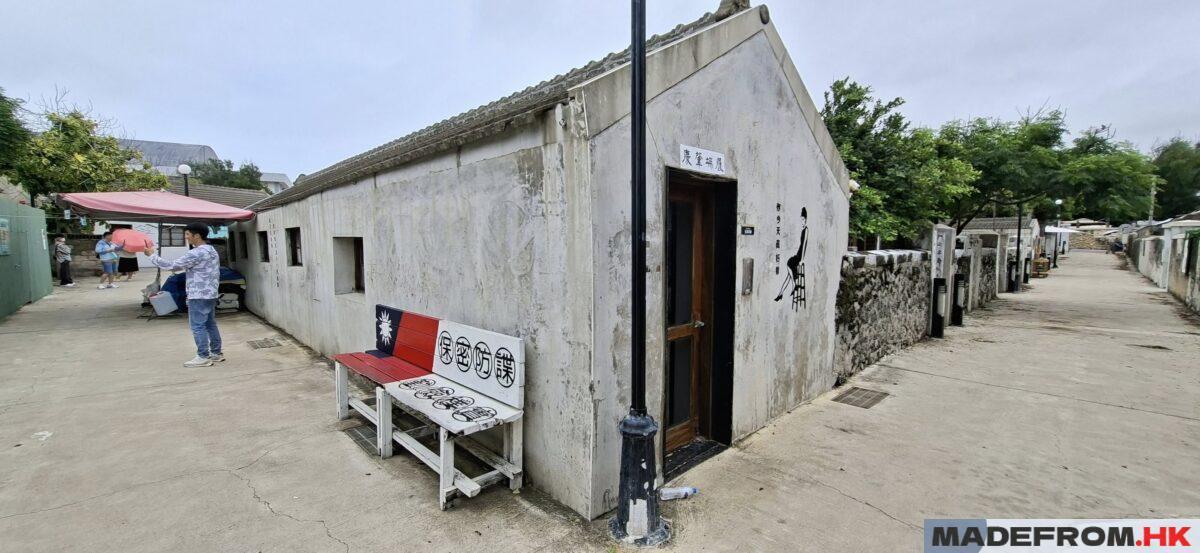
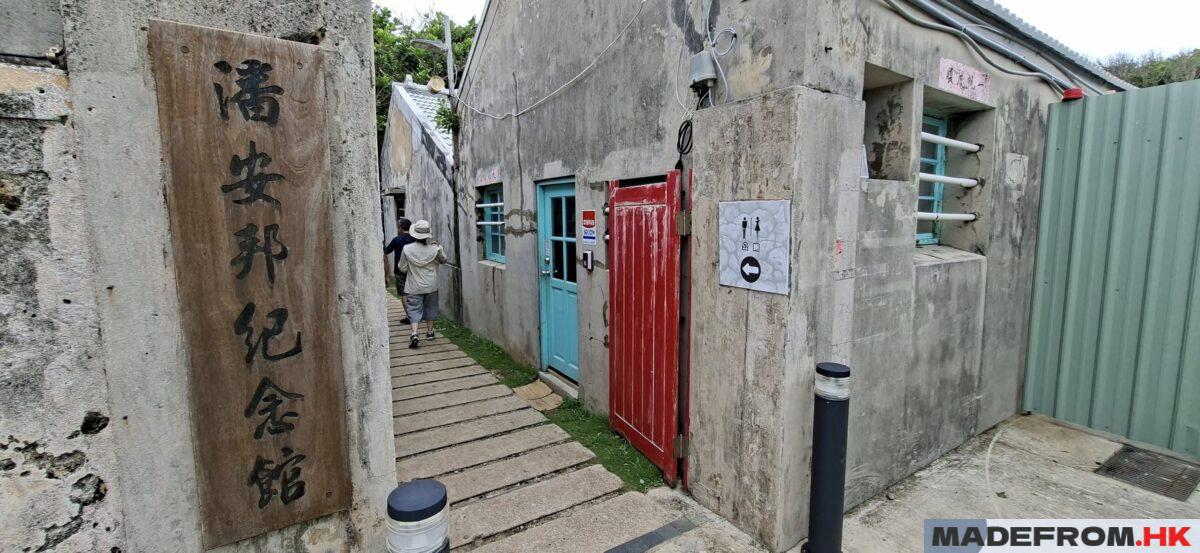
如今,篤行十村已成為澎湖旅遊的一大亮點。遊客可以在村內漫步,欣賞古樸的建築,並感受濃厚的歷史氛圍。此外,篤行十村還設有展覽館,展示當地的歷史文物和相關資料,讓人更深入了解澎湖的文化發展。
English Version
Duxing Village, located in Magong within the Penghu archipelago, stands as a remarkable example of Taiwan’s military dependents’ villages, often referred to as “juancun.” These settlements emerged during a period of political transition in the mid-20th century, when large numbers of military personnel and their families relocated to Taiwan. Over time, these communities developed their own distinct identities, shaped by shared experiences, cultural blending, and a strong sense of belonging.
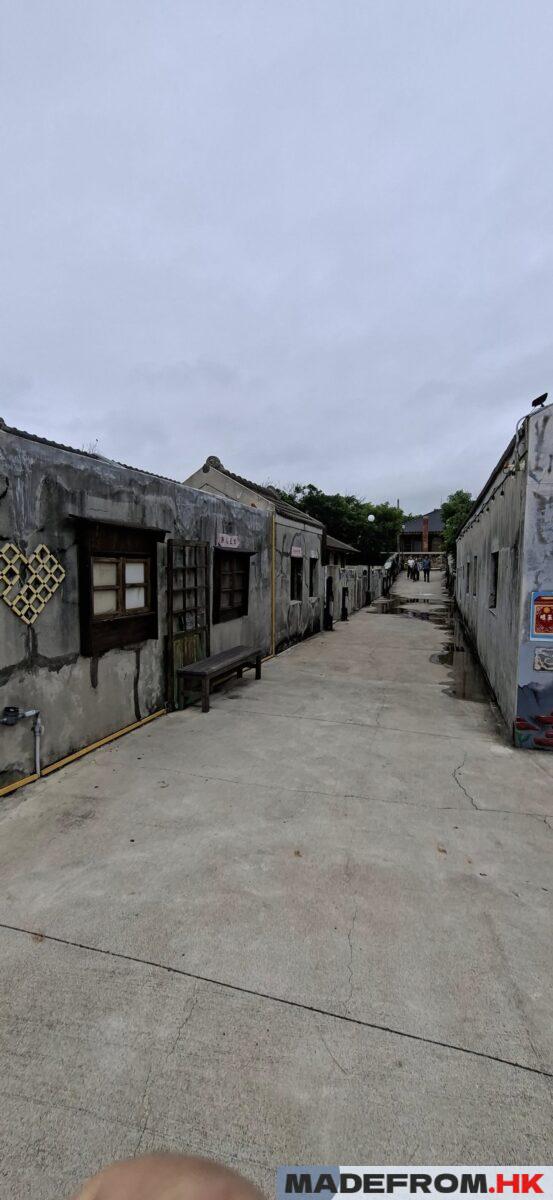
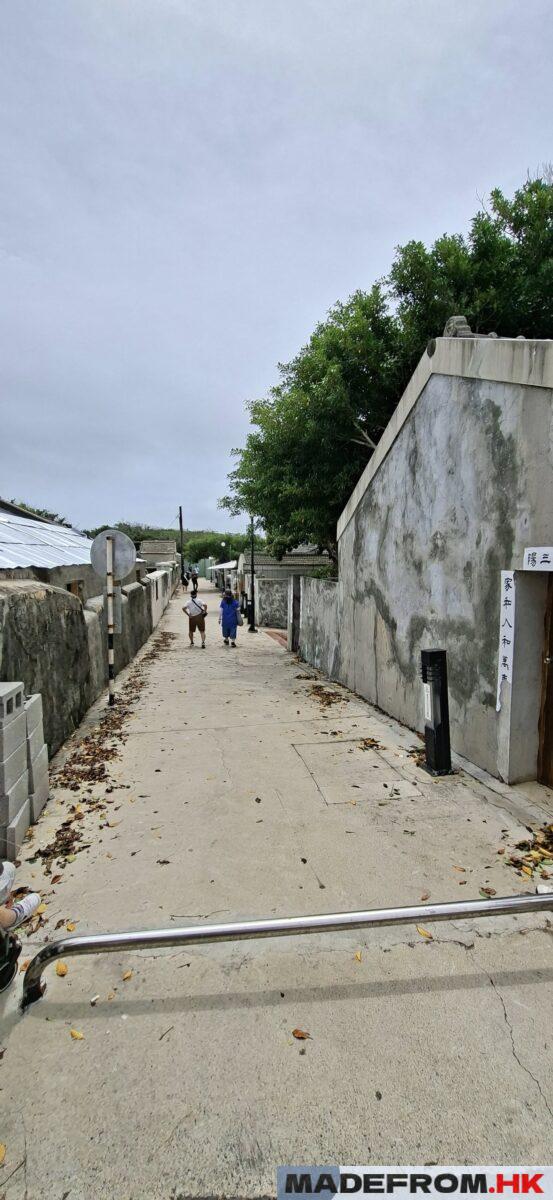
What sets Duxing Village apart is its level of preservation and its connection to Penghu’s island environment. Unlike urban juancun found in larger cities, this village retains a quieter and more open spatial character. The layout reflects practical planning, with modest houses arranged along simple pathways, creating an environment that emphasizes functionality and community interaction.
The architecture of Duxing Village is understated yet deeply expressive. The buildings, often constructed with basic materials, reveal a focus on durability and efficiency. Over the years, residents adapted these structures to meet changing needs, adding personal touches that transformed uniform housing into lived-in homes. These modifications—whether in the form of small gardens, extensions, or decorative details—offer insight into the daily lives of the people who once lived here.
Historically, Duxing Village is closely tied to Taiwan’s post-war period. It served as a residential area for military families, many of whom came from different regions of mainland China. This convergence of backgrounds led to a unique cultural environment, where diverse traditions coexisted and gradually blended. Food, language, and social customs all reflected this mixture, creating a microcosm of broader societal change.
Life in the village was characterized by close-knit relationships. Limited space and shared experiences fostered a strong sense of community, where neighbors supported one another and collective activities were common. Festivals, gatherings, and everyday interactions reinforced these bonds, turning the village into more than just a place of residence—it became a shared emotional landscape.
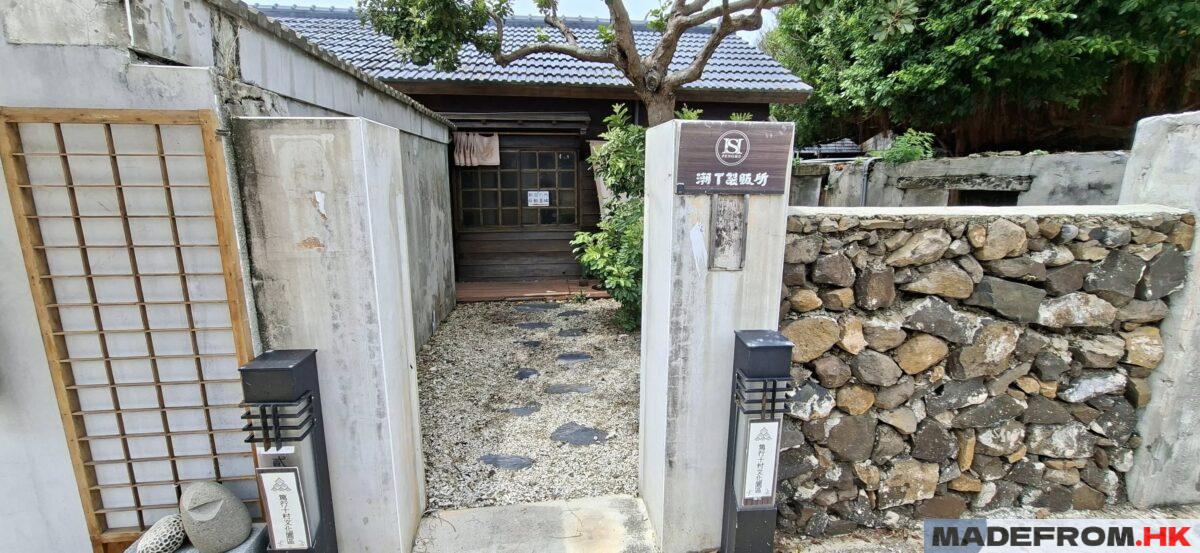
As time passed and Taiwan underwent rapid modernization, many juancun faced decline or redevelopment. However, Duxing Village has been preserved and reimagined as a cultural site. Restoration efforts have aimed to maintain its original character while introducing new functions, such as exhibition spaces, cultural centers, and creative studios. This transformation allows the village to remain relevant while honoring its historical roots.
Today, visitors to Duxing Village can experience a layered narrative. Walking through its lanes, one encounters both the physical remnants of the past and contemporary cultural expressions. The contrast between old structures and new uses creates a dynamic environment, where history is not frozen but actively interpreted.
The village also plays a role in cultural education. Through exhibitions and storytelling, it provides insight into a significant chapter of Taiwan’s history that might otherwise fade from public memory. It highlights themes of migration, adaptation, and identity—issues that continue to resonate in modern society.
From a broader perspective, Duxing Village represents the importance of preserving everyday history. While grand monuments often dominate historical narratives, places like this remind us that ordinary lives and communities are equally meaningful. They offer a more intimate understanding of the past, grounded in personal experience and collective memory.
Ultimately, Duxing Village is not just a preserved site but a living dialogue between past and present. It invites visitors to reflect on how history is shaped, remembered, and reinterpreted over time. In doing so, it stands as a testament to resilience, transformation, and the enduring value of cultural heritage.
總結
篤行十村是一個值得探訪的地方,它不僅展現了台灣早期軍事與民生融合的獨特面貌,更是一個保存歷史記憶的重要場域。無論是對歷史感興趣的學者,還是尋求文化體驗的旅客,篤行十村都能帶來深刻的啟發和感動。如果你計劃造訪澎湖,不妨將篤行十村列入你的行程中,一同探索這片土地背後的故事。
Duxing Village preserves a unique blend of military history and community memory, evolving into a cultural space that continues to tell meaningful stories of the past.