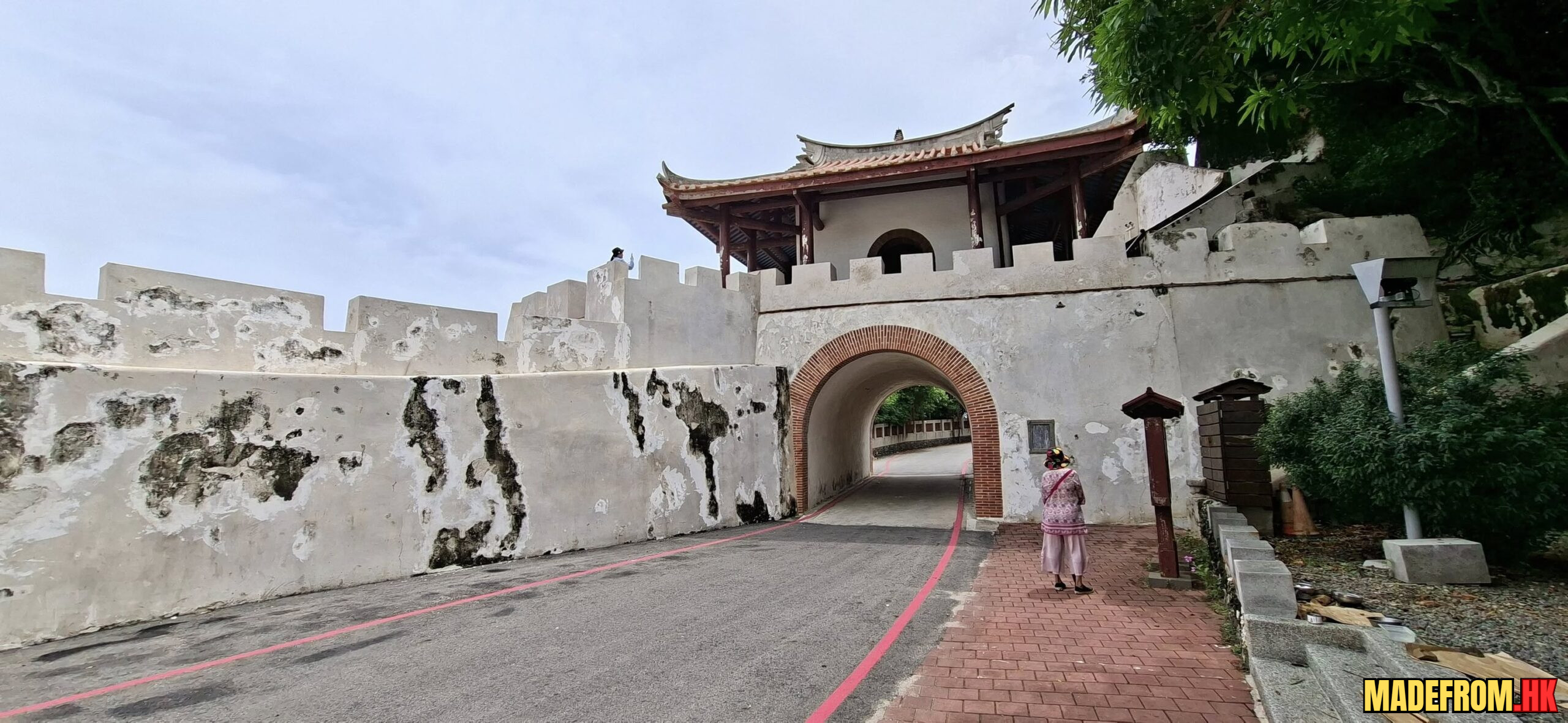
位於澎湖馬公的順承門,是昔日城防的重要遺跡。這座古城門承載歷史記憶,也串連著城市發展與海洋文化的脈絡。
Shuncheng Gate in Magong, Penghu, stands as a historic remnant of the island’s defensive past, connecting the city’s evolution with its maritime heritage.
台灣一直以來都是旅遊愛好者的熱門目的地,而澎湖群島作為台灣的一部分,更是以其獨特的自然景觀和豐富的歷史文化吸引著無數遊客。今天,我們聚焦於澎湖馬公的一個重要景點——順丞門,帶大家深入了解其背後的故事與魅力。
順丞門的歷史背景
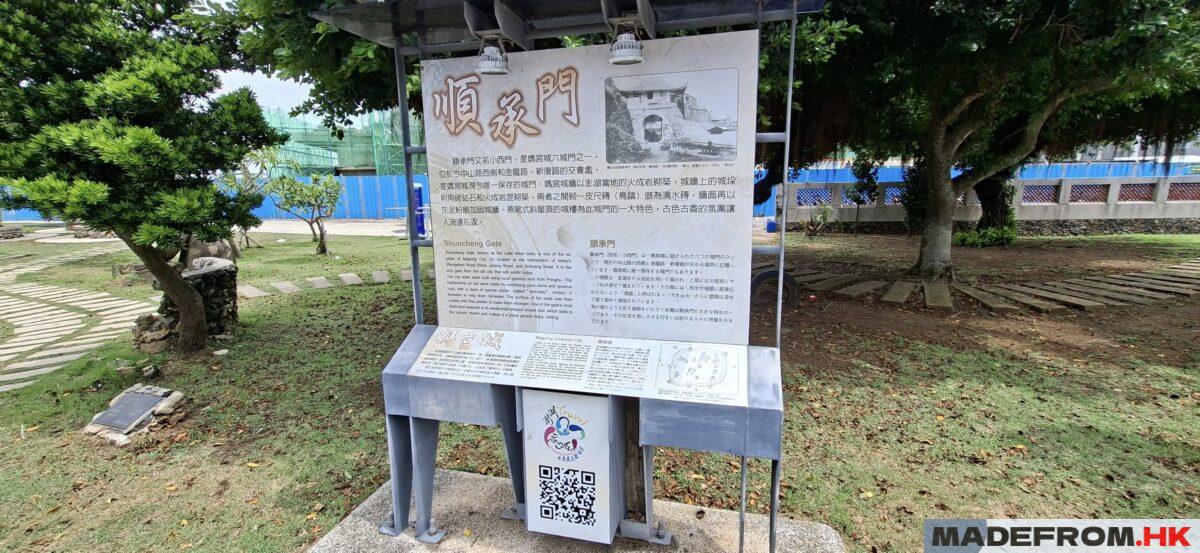
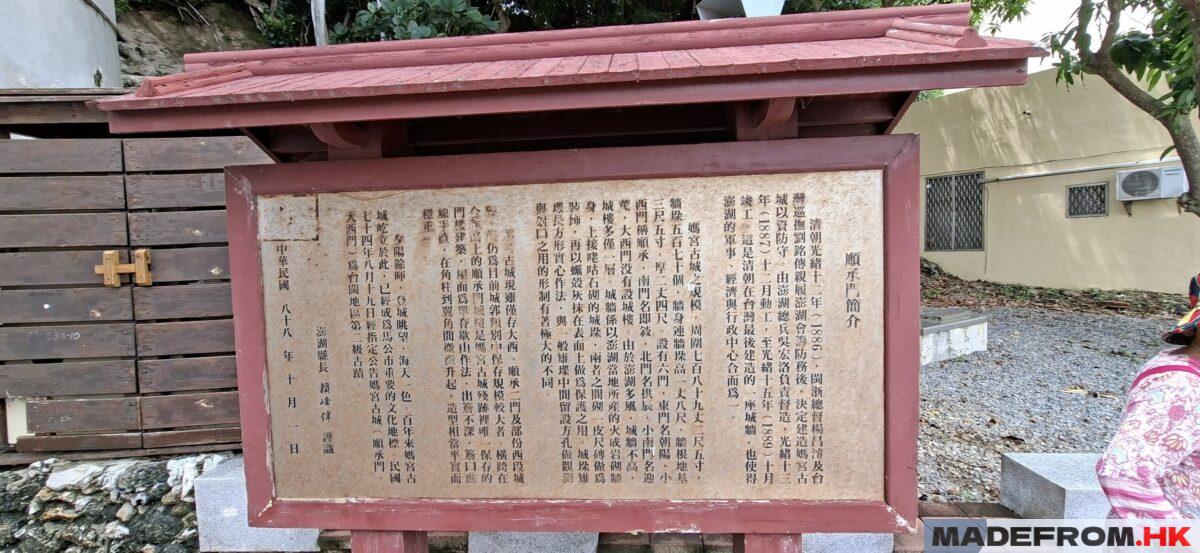
順丞門位於馬公市區,是澎湖縣的重要古蹟之一。這座城門建於清朝時期,當時主要用作防禦用途,是馬公城牆的一部分。順丞門的名字也承載著深厚的文化意涵,“順”代表著順應天時地利,“丞”則有輔助之意,象徵著守護地方和平與安寧。
作為澎湖古城的一部分,順丞門見證了歷史的變遷。無論是清朝時期的海防設施,還是日治時代的城市規劃,這座城門都在不同的時代背景下扮演著重要角色。如今,它已成為遊客了解澎湖歷史的重要窗口。
建築特色與文化價值
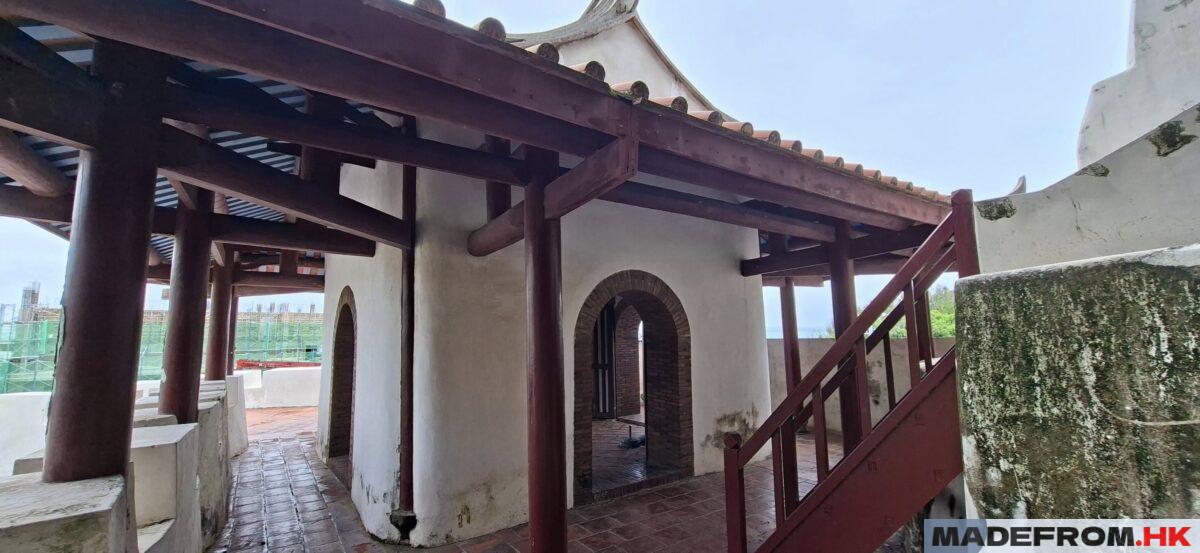
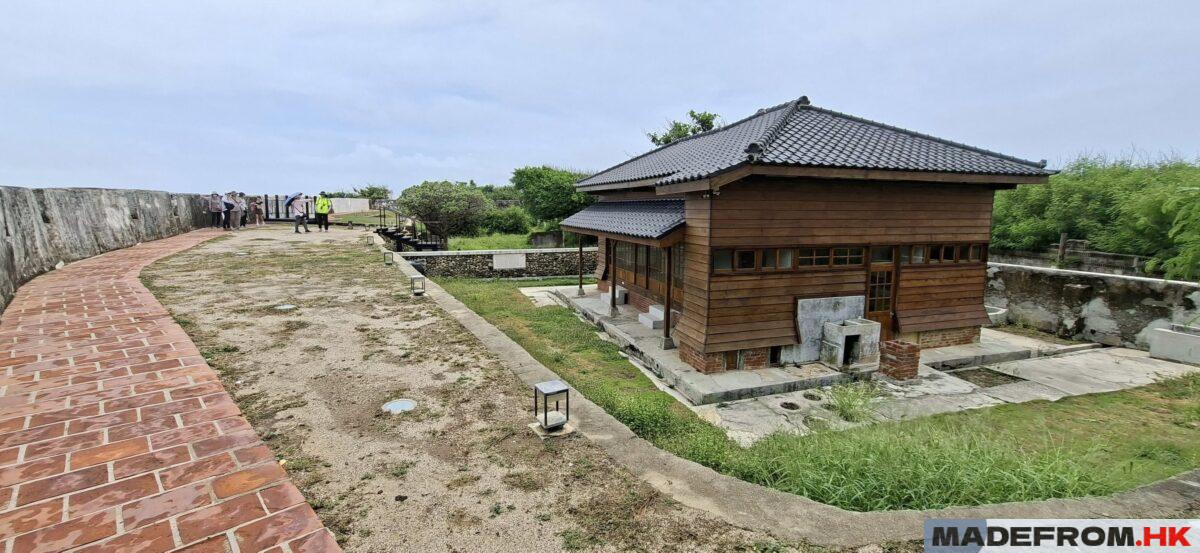
順丞門以其古樸的建築風格吸引了眾多建築愛好者。城門採用石材建造,結構堅固,外觀簡約卻不失莊重。門頂刻有古代漢字,彰顯了中華文化的深遠影響。城門周圍還保留了一些舊城牆的遺跡,讓人可以感受到昔日城池的規模與防禦設計。
除了建築本身,順丞門更是一個文化交流的場所。每年澎湖舉辦傳統節慶活動時,順丞門常成為活動的一部分,例如燈會、民俗表演等,吸引了大量遊客前來參與。
如何規劃遊覽行程
對於計劃前往澎湖的遊客來說,順丞門是一個不可錯過的景點。建議早晨或傍晚時分前往,避開炎熱天氣的同時,也能捕捉到更佳的光線拍攝美照。遊覽順丞門後,可以順道探索馬公市區其他景點,例如天后宮、中央老街等,感受澎湖的多元魅力。
English Version
Shuncheng Gate, located in Magong within the Penghu archipelago, is one of the most recognizable historical structures on the island. As part of the old city wall system, the gate once served as a critical point of defense and control, marking the boundary between the inner settlement and the outside world. Today, it stands as a powerful symbol of continuity, linking Penghu’s past with its present.
The origins of Shuncheng Gate can be traced back to a time when coastal settlements required protection from external threats. Penghu’s strategic location in the Taiwan Strait made it an important point for trade and navigation, but also a place vulnerable to conflict. City walls and gates were constructed to safeguard the community, regulate movement, and establish a sense of order within the settlement.
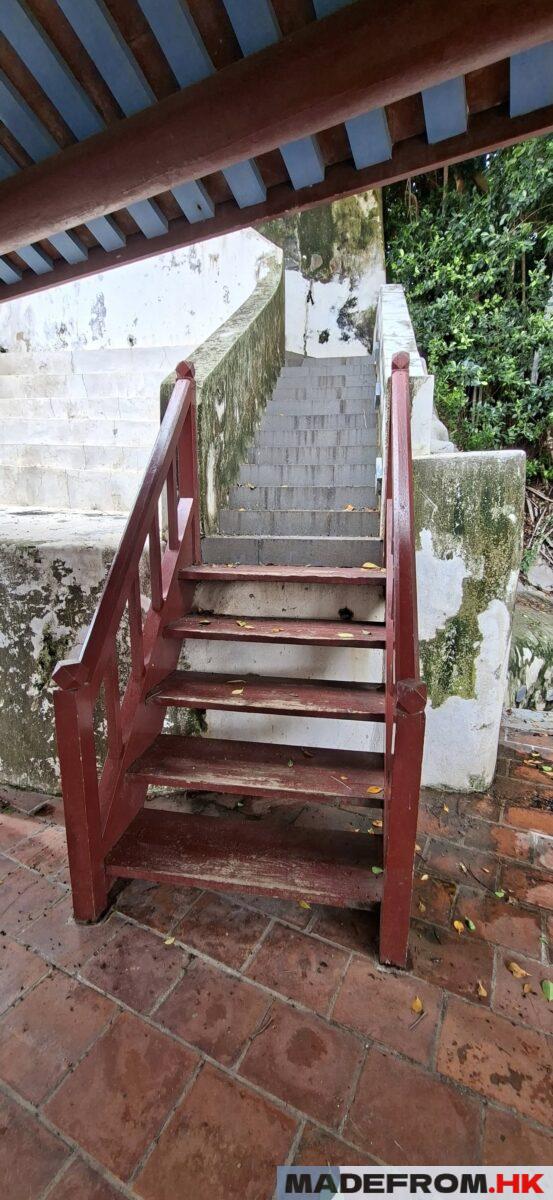
Architecturally, Shuncheng Gate reflects traditional defensive design, characterized by its solid structure and functional form. Built with durable materials suited to the island’s environment, the gate has withstood strong winds, salt air, and the passage of time. Its weathered surfaces add to its authenticity, offering a tangible connection to the past.
The spatial significance of the gate extends beyond its physical form. Historically, passing through Shuncheng Gate represented a transition—from the open, uncertain outside world into the relative safety of the city. This symbolic function gave the gate a deeper meaning, embedding it within the collective memory of the community.
Over time, as the need for defensive structures diminished, the role of Shuncheng Gate evolved. Rather than serving as a barrier, it became a cultural landmark, integrated into the modern urban landscape of Magong. Its presence now provides a point of reference, reminding residents and visitors alike of the city’s historical layers.
The surrounding area further enhances the experience of visiting the gate. Streets and public spaces nearby reflect a blend of old and new, where traditional elements coexist with contemporary life. This juxtaposition highlights the dynamic nature of cultural preservation, where historical structures are not isolated but remain part of everyday environments.
From a cultural perspective, Shuncheng Gate represents more than military history. It embodies the resilience of the community and its ability to adapt over time. The gate has witnessed shifts in governance, economic activity, and social structure, silently recording these changes within its enduring form.
For visitors, the gate offers an opportunity to engage with history in a direct and tangible way. Standing before it, one can imagine the flow of people, goods, and stories that once passed through its archway. It invites reflection on how spaces are shaped by human activity and how they, in turn, shape collective identity.
Preservation efforts have played a crucial role in maintaining Shuncheng Gate’s integrity. Careful restoration ensures that its original character is retained while allowing it to remain accessible. This balance between conservation and usability is essential in keeping the site relevant in a modern context.
Ultimately, Shuncheng Gate is not just an architectural relic—it is a narrative structure. It tells a story of defense, transition, and transformation, offering insight into the historical forces that have shaped Penghu. In a rapidly changing world, such landmarks provide a sense of grounding, connecting present-day experiences with the enduring traces of the past.
總結
順承門見證馬公的歷史變遷,從防禦設施到文化地標,承載著城市記憶與海島精神。
Shuncheng Gate reflects the evolution of Magong, transforming from a defensive structure into a cultural landmark that preserves the island’s historical identity.