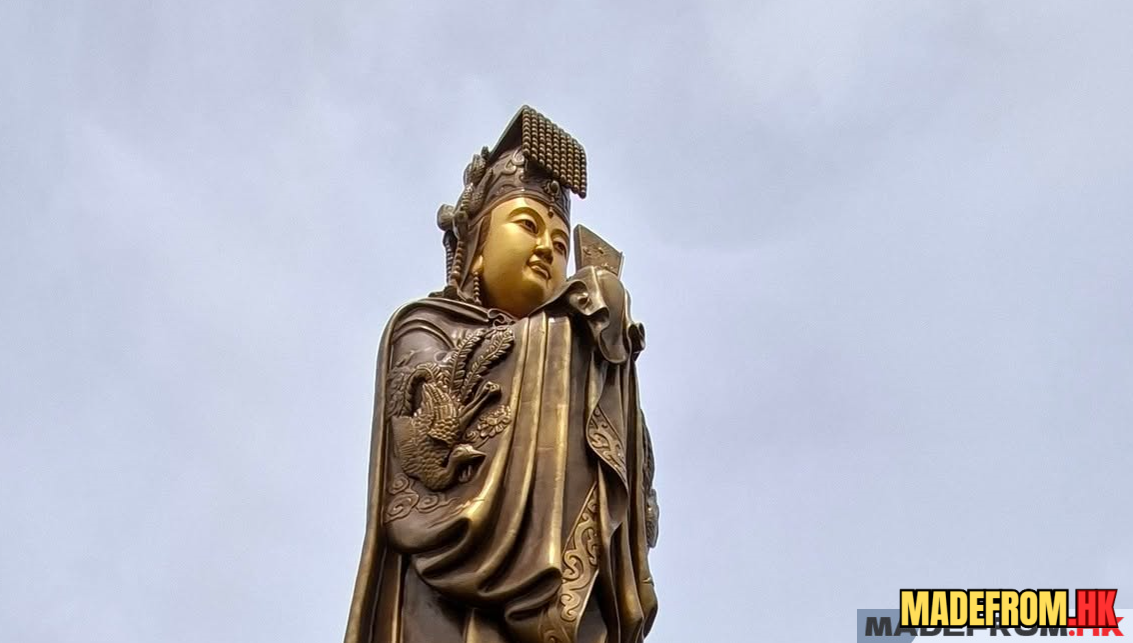
澎湖與馬祖是台灣最具特色的離島,融合海洋景觀與歷史文化。兩地各自展現不同風貌,吸引旅人深入探索。
Penghu and Matsu, two of Taiwan’s most distinctive offshore islands, offer a blend of coastal beauty and cultural heritage, each with its own unique identity.
台灣是一個充滿多樣性的地方,不僅擁有迷人的自然風光,還有豐富的文化底蘊。除了台灣本島外,澎湖和馬祖作為台灣的著名離島,同樣值得深入探索。這兩個地方各具特色,吸引著許多旅客前往。
澎湖:海洋的珍珠
澎湖群島位於台灣西部海域,由90多個島嶼組成。澎湖以其壯麗的海洋景觀和豐富的海洋生態聞名。最著名的景點包括七美人塭、雙心石滬以及白沙的長堤。這些地方不僅展現了自然的鬼斧神工,也反映了澎湖居民與海洋共存的智慧。
此外,澎湖的夜釣小管活動也是一大亮點。遊客可以搭船出海,親身體驗捕捉小管的樂趣,同時欣賞澎湖夜晚的星空,這種獨特的活動為旅程增添了無窮魅力。
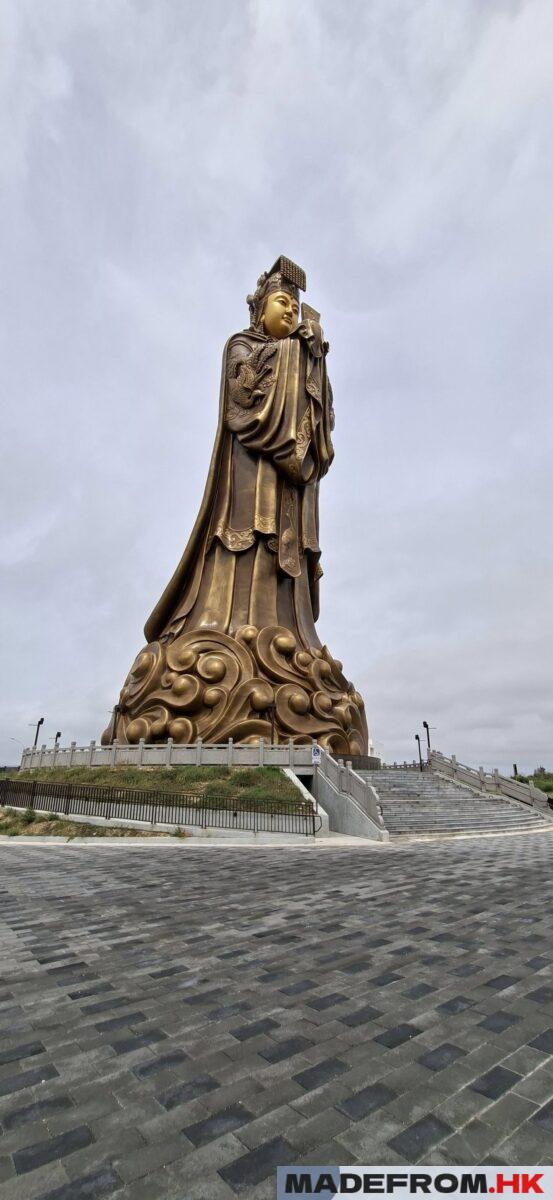
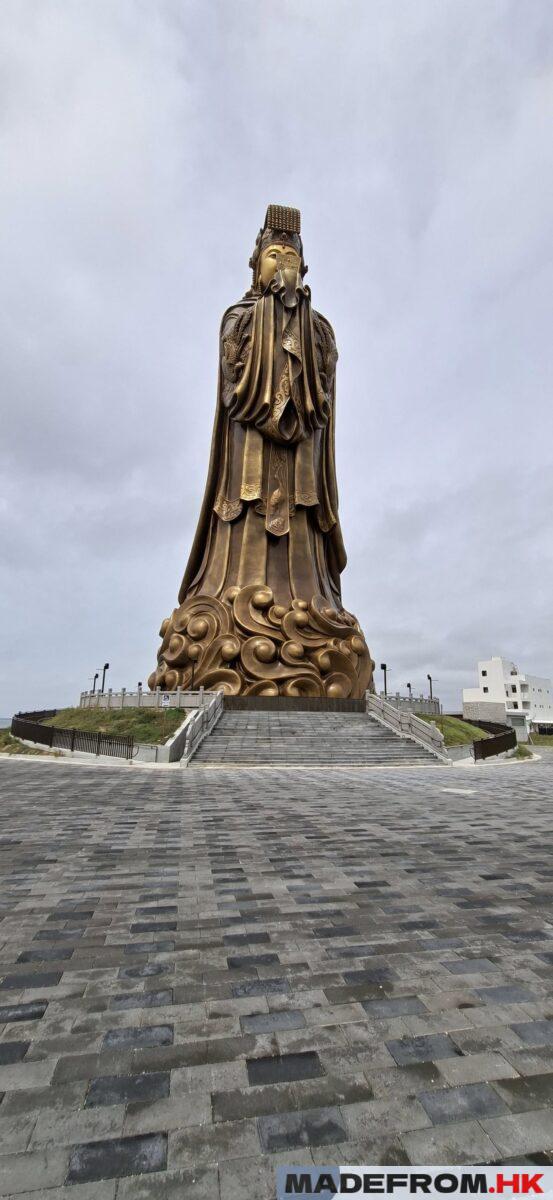
馬祖:歷史與文化的交融
馬祖列島位於台灣北方海域,由36個島嶼組成。馬祖不僅是自然愛好者的天堂,也是文化探索者的理想目的地。馬祖的傳統閩東建築保存完好,石屋、拱門和蜿蜒的小巷讓人仿佛穿越時空。
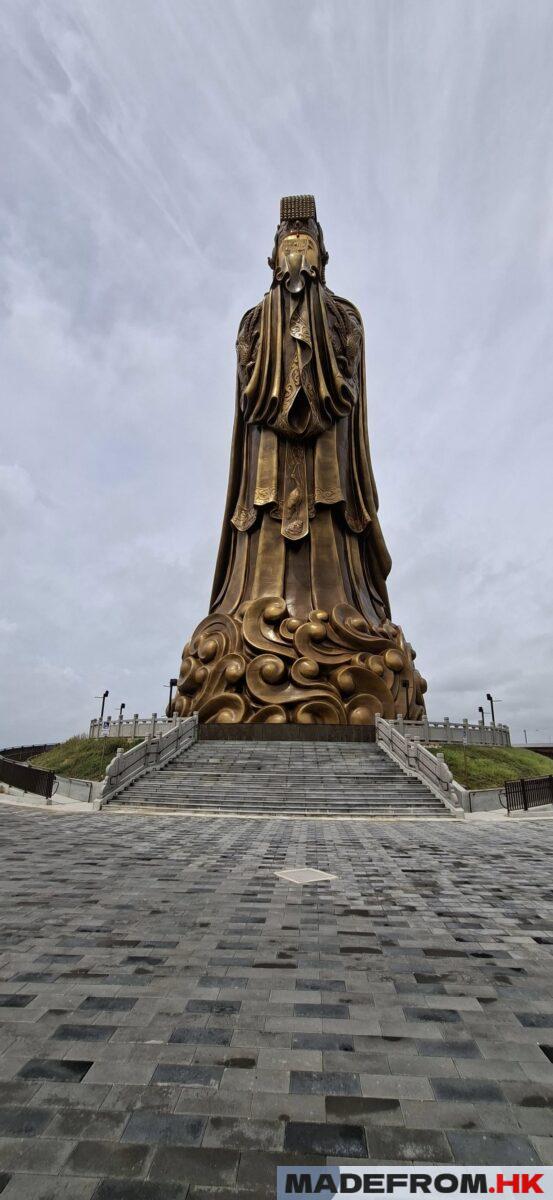
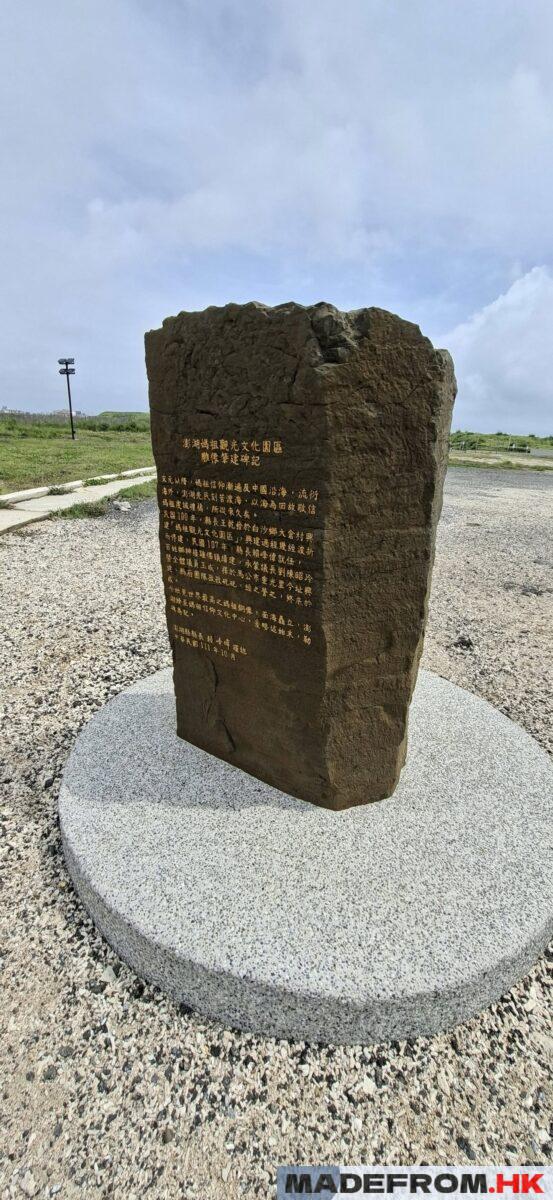
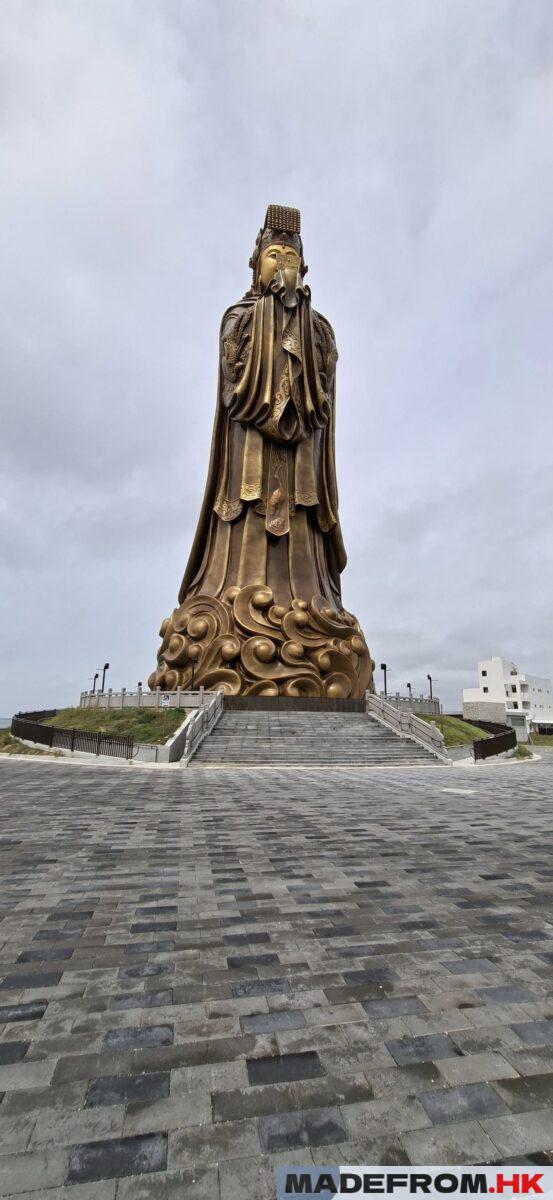
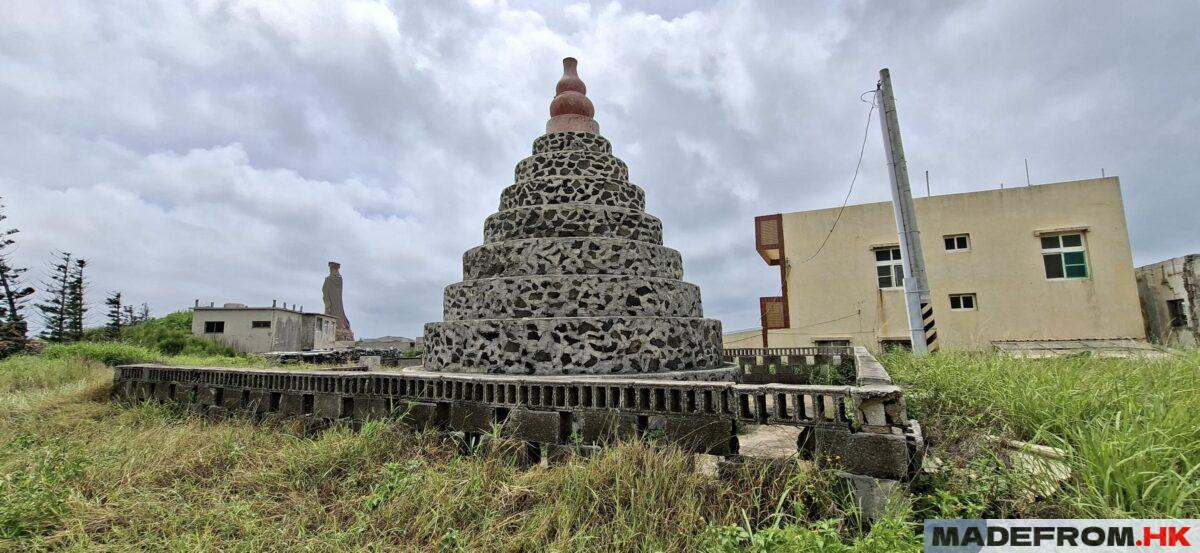
馬祖還以其特殊的藍眼淚現象聞名。每年春夏之際,微生物在海水中發光,形成夢幻般的藍色光芒,吸引了大量攝影師和自然愛好者前來捕捉這一奇景。
此外,馬祖的酒文化也值得一提。當地盛產高粱酒,其獨特的釀造技術和濃郁的風味使之成為馬祖的一大特色。
English Version
Taiwan’s offshore islands offer a fascinating contrast to the mainland, revealing landscapes and cultural identities shaped by isolation, maritime activity, and historical transitions. Among these islands, Penghu and Matsu stand out as two of the most compelling destinations, each presenting a distinct interpretation of island life.
Penghu, located in the Taiwan Strait, is known for its open horizons, basalt formations, and expansive coastal scenery. The islands are relatively flat, with sweeping views that emphasize the interaction between land and sea. This geographical openness creates a sense of freedom and calm, making Penghu an appealing destination for those seeking both relaxation and exploration.
The cultural landscape of Penghu is deeply influenced by its maritime heritage. Fishing traditions, temple culture, and seasonal festivals form an integral part of daily life. Temples dedicated to sea-related deities are common, reflecting the community’s historical reliance on the ocean. These structures are not only places of worship but also centers of social connection and cultural continuity.
In contrast, Matsu presents a more rugged and dramatic environment. Situated closer to the mainland of China, the islands are characterized by steep hills, rocky coastlines, and fortified structures. The terrain is more vertical than Penghu, offering elevated viewpoints and a sense of enclosure shaped by mountains and cliffs.
Matsu’s history is closely tied to its strategic location. For decades, it played a significant role in military defense, and traces of this past remain visible today. Tunnels, bunkers, and fortified villages contribute to a distinctive atmosphere, where history feels tangible and ever-present. This historical layer adds depth to the travel experience, inviting visitors to reflect on the island’s past.
Despite their differences, both Penghu and Matsu share a strong connection to the sea. The ocean is not merely a backdrop but a defining force that influences climate, architecture, and lifestyle. In both regions, local communities have adapted to environmental challenges, creating resilient ways of living that balance tradition and necessity.
Another point of contrast lies in their pace and atmosphere. Penghu tends to feel more open and accessible, with a steady flow of visitors and well-developed travel infrastructure. Matsu, on the other hand, offers a quieter and more introspective experience. Its relative remoteness contributes to a sense of tranquility, making it ideal for those seeking solitude and reflection.
From a cultural perspective, both island groups preserve unique traditions. Local cuisine, dialects, and customs reflect a blend of influences shaped by migration and trade. Visitors can experience these elements through everyday interactions, whether in small villages, local markets, or community gatherings.
Nature also plays a central role in defining the appeal of both destinations. In Penghu, the emphasis is on wide, open seascapes and geological formations. In Matsu, the focus shifts to dramatic terrain and seasonal phenomena such as coastal mists and bioluminescent waters. These natural features create distinct visual identities that set each destination apart.
Sustainability is becoming increasingly important as tourism grows in both regions. Efforts to preserve natural landscapes and cultural heritage are essential to maintaining the authenticity of these islands. Responsible travel practices help ensure that future generations can continue to experience their unique character.
Ultimately, Penghu and Matsu offer complementary perspectives on island life in Taiwan. One emphasizes openness and continuity, while the other highlights contrast and historical depth. Together, they form a richer understanding of how geography, culture, and history intersect in shaping human experience.
總結
澎湖和馬祖雖然地處台灣離島,但它們所展現出的自然美景和文化魅力絕不遜色於台灣本島。無論是澎湖的海洋風光還是馬祖的歷史文化,每一處都能讓人流連忘返。如果你計劃探索台灣,不妨將澎湖和馬祖列入你的行程,感受這些離島獨特的魅力。
Penghu and Matsu together reveal the diverse character of Taiwan’s offshore islands, offering contrasting yet equally meaningful experiences shaped by nature and history.