生活與科技 第17集 當語音系統仍然要求閱讀:科技為何總是回到文字? | Why Voice Systems Still Lead Us Back to Text: Rethinking Interfaces in the Digital Age
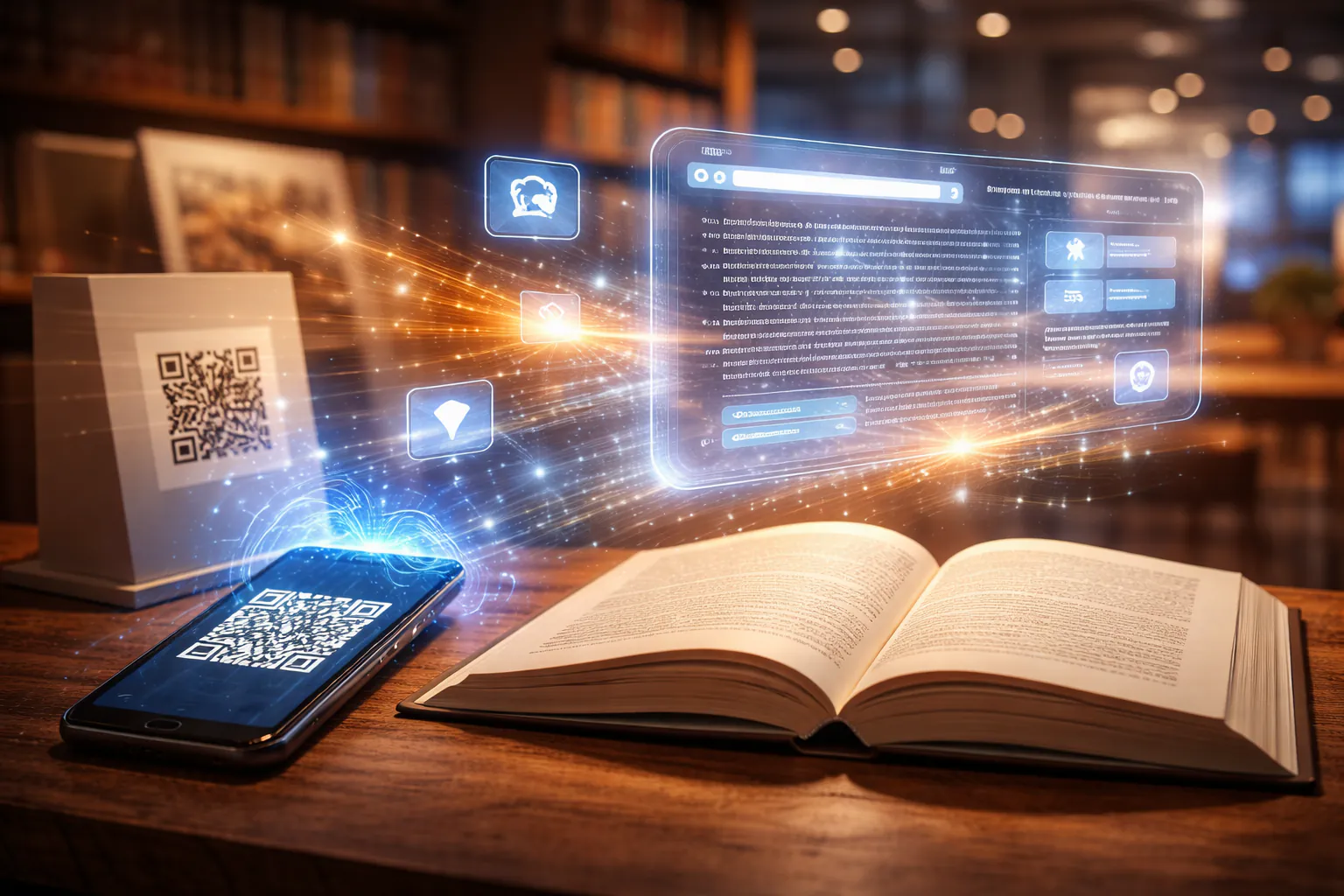
圖書館作為知識與文化的儲存地,隨著科技的進步,其角色和功能也在不斷演變。近年來,QR Code的應用為圖書館帶來了新的可能性,透過掃描,讀者可以獲得更豐富的資訊。然而,這種技術的實際應用卻暴露出某些限制與挑戰。當讀者掃描QR Code時,通常會被引導至一個網頁,面對大量文字、選單以及需要操作的界面。這種設計雖然提供了資訊,但卻未能真正簡化體驗,反而讓原本應該直觀的過程變得繁瑣。
語音技術的成熟為我們提供了一個重新思考的契機。如果圖書館能以語音作為主要介面,將大幅改變使用者的體驗。當讀者掃描QR Code時,系統可以直接播放相關的語音內容,而非引導至網頁。這樣的設計不僅簡化了操作,也更符合圖書館安靜、沉思的氛圍。在這樣的環境中,聲音能夠成為一種自然的引導方式,使讀者得以專注於展品或書籍本身,而非被螢幕吸引注意力。
此外,語音系統可以進一步考慮使用者的語言偏好,通過應用程式記住並自動切換語言,減少不必要的操作。這樣一來,閱讀變成選擇,而非必需。文字仍然存在,但它的位置將從主導轉變為輔助,讓語音成為資訊傳遞的首要方式。
這樣的轉變並不需要革命性的技術突破,所需的技術早已存在。真正需要的是設計上的簡化,以及對傳統習慣的重新審視。過去我們習慣於將文字視為主要資訊載體,但在現代數位環境中,聲音同樣具有強大的表達力與可信度。特別是在圖書館這樣一個強調深思熟慮的空間中,聲音能夠更自然地融入使用者的節奏。
因此,一個適合圖書館的語音系統應當減少繁瑣的介面設計,專注於提供直觀且流暢的體驗。它不需要複雜的選擇或準備,只需在最適當的時刻開始說話。這樣的系統不僅能提升使用者體驗,也能更好地體現圖書館作為知識與文化傳遞空間的重要價值。在設計上追求簡單與自然,或許正是我們在數位化時代中需要重新找回的一種智慧。
English Version
Libraries have long been spaces for preserving knowledge and culture, and as technology evolves their role continues to change, with recent innovations such as QR codes introducing new ways for visitors to access information, yet these implementations often reveal an unexpected limitation, because when users scan a code they are typically directed to a webpage filled with text, menus, and interactive elements that require attention and navigation, and while this approach provides access to more content it does not necessarily simplify the experience, often making what should be intuitive feel more complex, as the user shifts from engaging with the physical space to managing a digital interface, and this highlights a broader pattern in technology where even systems designed to reduce friction tend to return to text as the primary medium, despite the growing capabilities of voice technology, which offers an alternative way of interacting that is more immediate and potentially more aligned with human communication, suggesting that instead of leading users to screens, systems could respond directly with spoken information, allowing content to be delivered seamlessly without requiring visual focus, especially in environments like libraries where quiet attention and contemplation are valued, and in such settings voice could act as a natural guide, enabling users to remain present with books or exhibits rather than being pulled into layered interfaces, and this shift would not require entirely new technology but rather a reconsideration of design priorities, moving away from text-heavy structures toward simpler and more intuitive experiences, where scanning a code might trigger a spoken explanation rather than a page of instructions, reducing the need for reading and allowing information to be absorbed more fluidly, while still preserving text as an optional layer for those who seek deeper exploration, and voice systems could also adapt to individual preferences by remembering language settings and automatically delivering content in a familiar form, minimizing unnecessary steps and making interaction feel more personal, so that reading becomes a choice rather than a requirement, and this raises an important question about why text continues to dominate even as other interfaces become available, perhaps because text has long been considered the most reliable and structured way to convey information, or because existing systems are built around it, yet in many situations text is not the most natural or efficient medium, particularly when the goal is to guide attention rather than divide it, and in environments designed for reflection, such as libraries, the presence of screens and dense text can interrupt the experience rather than enhance it, whereas voice has the ability to integrate more gently into the surrounding atmosphere, offering guidance without demanding visual engagement, and this suggests that the persistence of text is not purely a technological necessity but also a reflection of habit, as designers and users alike continue to rely on familiar formats even when alternatives exist, and rethinking this balance does not mean eliminating text but repositioning it, allowing it to support rather than dominate the flow of information, so that interfaces become less about navigating layers and more about receiving knowledge in a way that aligns with human perception, and ultimately the question is not whether voice can replace text but how different forms of interaction can coexist more thoughtfully, creating systems that are simpler, more intuitive, and better suited to the environments in which they are used, reminding us that progress in technology is not only about adding new capabilities but also about refining how those capabilities are experienced, and that sometimes the most meaningful innovation lies not in complexity but in the ability to return to simplicity.