幡桿燈籠-照遠唔照近|Classic Cantonese Saying About Ignoring What’s Closest|廣東話歇後
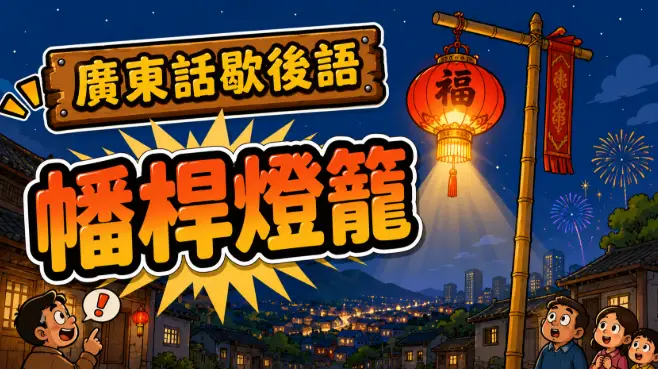
「幡桿燈籠-照遠唔照近」是一句充滿生活智慧的廣東話歇後語。從前廟宇或大型節慶場合,常會把燈籠高高掛在幡桿之上。由於燈籠位置太高,燈光只能照到遠處,反而桿下附近位置變得昏暗。因此廣東人便利用這種情景,比喻一些人只懂關心遠方事情,卻忽略身邊最接近的人與問題。這句歇後語既生動又帶點諷刺意味,長久以來一直流傳於香港與嶺南地區的日常口語之中。
“幡桿燈籠 – 照遠唔照近” is a traditional Cantonese saying filled with practical wisdom and vivid imagery. In older temples and festival celebrations, lanterns were often hung high on long poles. Because the lanterns were elevated so far above the ground, their light reached distant areas while leaving the space directly below surprisingly dark. Cantonese speakers eventually transformed this image into a metaphor for people who focus too much on distant matters while neglecting those closest to them. The phrase remains popular because it captures a very human weakness in a colorful and memorable way.
意思
「幡桿燈籠-照遠唔照近」主要用來形容一些人只顧外面或者遠方的事情,卻忽略自己身邊最應該關心的人與問題。這句歇後語中的燈籠掛得太高,只能照到遠處,看似光亮,實際近處反而黑暗,因此引申為做人做事缺乏平衡。例如有人對朋友十分熱心,卻長期忽略家人;又或者某些人總愛批評社會問題,但自己身邊的小事卻從不處理,都可以被形容為「幡桿燈籠」。廣東人在日常生活中,經常會用這句話提醒別人不要只顧外表或者遠方,而忘記最貼近自己的責任。有時它也帶有一點無奈與諷刺意味,例如父母感嘆子女只關心朋友、不理家庭;又或者公司管理層只重視大客戶,卻忽視基層員工,都很適合使用這句歇後語。這句話最有趣的地方,在於它利用一個非常簡單的生活畫面,去反映人性中的盲點。相比直接責備別人偏心或者不懂照顧身邊人,「幡桿燈籠」聽起來更加形象,也更有廣東民間語言的幽默感。直到今天,這句俗語依然十分貼地,因為現代人往往忙於追求遠方目標,卻容易忽略眼前最重要的事物。
English Version
The saying “幡桿燈籠 – 照遠唔照近” describes people who pay attention to distant matters while ignoring the people or responsibilities closest to them. The lantern in the expression shines outward from a great height, illuminating faraway places but leaving the area beneath it dark. Cantonese culture uses this image to criticize imbalance in human priorities. Someone may generously help strangers while neglecting family, passionately discuss global problems while ignoring issues at home, or focus entirely on public appearances while overlooking personal relationships. In all these situations, Cantonese speakers may describe the behavior as being like a lantern on a tall pole. The phrase often carries disappointment or mild sarcasm rather than outright anger. Parents may use it when children care more about friends than family, while employees may use it to criticize managers who prioritize large clients but ignore their own staff. One reason the saying remains meaningful is because it reflects a timeless human tendency: people are often more aware of distant goals and outside opinions than the needs directly beside them. Through a simple visual metaphor, Cantonese language transforms this emotional truth into something vivid, memorable, and easy to understand.
用法
這句歇後語通常用來形容別人忽略身邊人與近處問題,只把注意力放在外面或者遠方事情上。廣東人在聊天時,如果見到有人對外人很好、對家人卻冷淡,又或者總關心大事卻忽略小事,便可能會說對方「幡桿燈籠」。它多數帶有提醒或者輕微責備意味,但由於畫面生動,因此聽起來不會太過嚴厲。
English Version
This expression is commonly used when someone overlooks nearby responsibilities or relationships while focusing too heavily on distant concerns. Cantonese speakers may say it about people who treat outsiders better than family members, or those who obsess over big issues while ignoring small but important matters around them. The phrase usually sounds more like thoughtful criticism or advice than harsh condemnation.
小故事:
阿俊一直熱衷參與社區活動,幾乎每個周末都去做義工。他經常幫長者派飯,又會參加慈善募捐,因此街坊對他印象很好。不過,阿俊的媽媽卻開始有點不滿,因為兒子雖然天天照顧外人,卻很少留時間陪伴家人。有一次,媽媽生病在家休息,希望阿俊陪她去覆診,但阿俊卻因為要參加義工活動而拒絕。媽媽雖然沒有發脾氣,但神情十分失落。後來阿俊的妹妹忍不住對他說:「你而家真係幡桿燈籠,照遠唔照近。」阿俊起初還不明白,覺得自己明明是在做好事。直到某天,他看見媽媽一個人提著重物慢慢上樓,才忽然發現自己一直忽略了最親近的人。從那之後,阿俊開始重新安排時間,不再只顧外面活動,而會主動陪家人吃飯、照顧媽媽。街坊仍然欣賞他的熱心,但家裡的氣氛也變得更加溫暖。後來每當朋友談起忙於工作或社交而忽略家庭時,阿俊都會苦笑著說:「做人真係唔好做幡桿燈籠。」
English Version
Chun was deeply involved in community service and spent almost every weekend volunteering. He helped distribute meals to elderly residents, joined charity fundraising events, and became well known in the neighborhood for his kindness. While many people admired him, his mother quietly began feeling disappointed. Although Chun devoted endless time to helping strangers, he rarely spent meaningful time with his own family. One day, after his mother became ill and needed someone to accompany her to a medical appointment, Chun refused because he had already promised to attend a volunteer activity. His mother said nothing, but her expression showed sadness. Later, Chun’s younger sister finally confronted him and said, “You’ve become exactly like a lantern on a tall pole — shining far away but not nearby.” At first Chun felt confused because he believed he was doing good deeds. A few days later, however, he returned home and saw his mother struggling alone to carry heavy groceries upstairs. In that moment, he suddenly realized how much he had neglected the people closest to him. Afterward, Chun began balancing his time more carefully. He still participated in volunteer work, but he also made greater effort to eat with his family, help his mother, and stay emotionally present at home. The neighbors continued admiring his generosity, yet the atmosphere within the family also became warmer. From then on, whenever friends became overly busy chasing work or social recognition while ignoring family, Chun would smile bitterly and warn them not to become “幡桿燈籠.”
結語
「幡桿燈籠-照遠唔照近」利用簡單而鮮明的畫面,道出人們容易忽略身邊重要事物的弱點。這句歇後語既帶有幽默感,也充滿生活智慧,因此多年來一直深受廣東話文化保留與流傳。
English Version
“幡桿燈籠 – 照遠唔照近” uses a simple but powerful image to remind people not to neglect what matters most nearby while chasing distant goals. Its warmth, humor, and practical wisdom continue to make it a meaningful part of Cantonese language and culture today