聊齋志異《焦螟》微塵之中見天地大道 | Strange Tales from a Chinese Studio: Jiaoming – Great Truths Hidden in the Smallest Life
一隻細小如塵的焦螟,映照出世間萬物皆有生存之道。《焦螟》透過微不足道的小生命,引領人們重新思考大小、強弱、生死與天地的真正意義,展現《聊齋志異》中充滿哲理的一面。
Even the tiniest creature can reveal profound truths about existence. “Jiaoming” uses an almost invisible insect to explore the relationship between life, nature, humility, and the boundless universe, offering one of the most philosophical stories in Strange Tales from a Chinese Studio.
中文版
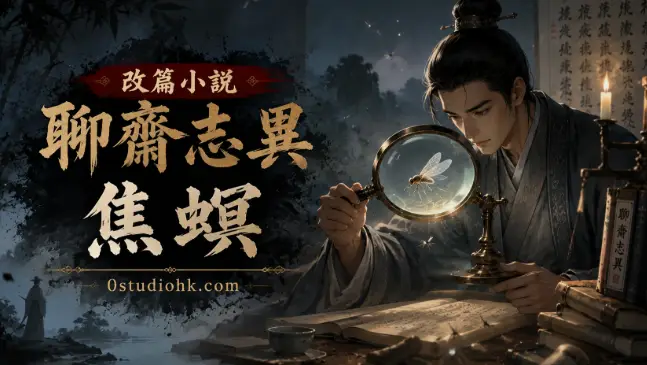
《焦螟》講述一位學者在旅途中偶然聽聞一種名為「焦螟」的奇異生物。相傳牠細小得幾乎肉眼難辨,只能依附蚊蟲翅膀棲息,即使飛翔千里,也未曾真正離開自己的天地。許多人聽後都當成荒誕傳聞,認為世上怎會有如此渺小的生命。然而學者卻因此產生濃厚興趣,希望親眼見識這種傳說中的生物。他拜訪許多博學之士,也閱讀大量古籍,希望尋找焦螟存在的證據。終於,一位隱居山林的老人告訴他,自然萬物遠比人類想像更加廣闊,人的眼睛所能看見的不過是世界極小的一部分。老人以放大器具展示微小昆蟲,讓學者首次發現肉眼難見的生命竟然如此複雜,每一隻都擁有自己的活動與秩序。老人說,焦螟或許並非重點,真正重要的是人是否願意承認自己的無知。人類總以為自己理解天地,實際上卻連最細微的生命都未必真正認識。學者因此陷入沉思。他開始反省自己多年追求功名、知識與地位,卻忽略了世界仍有無數未知等待探索。他離開山林後,不再四處炫耀學問,而是以更加謙遜的態度觀察自然。每當看到飛鳥、昆蟲、花草,他都提醒自己,即使再微小的生命,也有其存在價值,也可能蘊藏人類尚未理解的奧秘。多年之後,學者雖然始終沒有真正找到傳說中的焦螟,但他已經不再執著於答案。他明白,真正的智慧並非掌握所有知識,而是在面對未知時仍保持敬畏與好奇。《焦螟》表面描寫一種神秘微小生物,實際上卻借物寓意,提醒世人不要因自身見聞有限便否定世界的廣闊。蒲松齡透過這則短篇故事,道出了中國古代哲學中「天地無窮,萬物皆有其理」的思想,也讓讀者重新思考,人類在浩瀚宇宙之中,其實同樣只是渺小的一員。正因如此,真正值得追求的不是自滿,而是不斷學習、不斷探索,以謙遜之心面對未知,才能一步步接近真正的智慧。
English Version
A traveling scholar once heard an extraordinary tale about a creature called the Jiaoming. According to ancient stories, it was so incredibly tiny that ordinary eyes could barely perceive it. The creature was said to live upon the wings of mosquitoes or gnats, spending its entire existence carried through the air without ever realizing the vastness beyond its own world. Most people dismissed the story as impossible folklore, believing that no living thing could exist on such a minute scale. The scholar, however, became fascinated rather than skeptical. Determined to discover the truth, he visited famous scholars, searched through forgotten manuscripts, and questioned wandering sages. Despite years of effort, no one could provide undeniable proof that the mysterious creature truly existed. Eventually, he encountered an elderly hermit deep within the mountains. Instead of offering a direct answer, the old man invited the scholar to observe the smallest insects through specially crafted lenses. For the first time, the scholar witnessed an astonishing hidden universe. Creatures invisible to the naked eye possessed intricate bodies, purposeful movements, and their own forms of order. The hermit explained that whether Jiaoming itself existed mattered far less than the lesson behind the legend. Humanity often mistakes the limits of its own perception for the limits of reality. People confidently deny what they cannot see while forgetting how little they truly understand. These words profoundly changed the scholar’s outlook. He realized that years devoted to reputation and intellectual achievement had quietly nurtured arrogance instead of wisdom. From that day forward, he abandoned the habit of boasting about his knowledge and instead cultivated curiosity and humility. Every flower, insect, bird, and blade of grass became a reminder that nature still concealed countless mysteries beyond human understanding. As the years passed, the scholar never found definitive evidence of the legendary Jiaoming. Surprisingly, the absence of proof no longer troubled him. The search itself had transformed his understanding of knowledge. True wisdom, he concluded, was not measured by possessing every answer but by remaining open to questions that might never be completely resolved. Pu Songling used this remarkably simple tale to explore profound philosophical ideas. The tiny Jiaoming symbolizes the countless truths hidden beyond ordinary perception and reminds readers that human understanding remains limited regardless of education or status. The universe contains realities far greater and far smaller than our senses can grasp. By embracing humility before the unknown, people become capable of continual learning and genuine intellectual growth. The smallest imagined creature therefore becomes a powerful symbol of humanity’s endless journey toward wisdom rather than certainty.