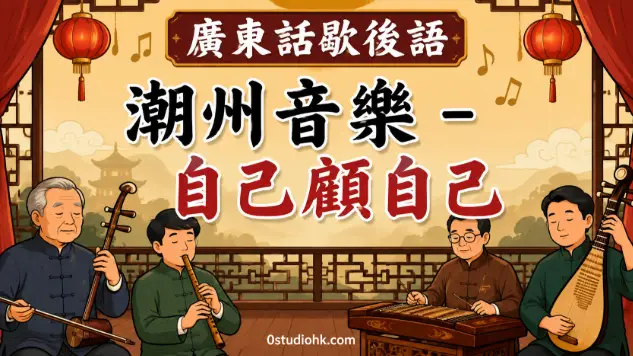
潮州音樂-自己顧自己|廣東話歇後語意思與由來 | Chiu Chow Music – Every Man for Himself | Cantonese Two-Part Saying Meaning and Usage | 廣東話歇後語
「潮州音樂-自己顧自己」是一句充滿廣東地方特色的歇後語,表面提到潮州音樂,真正想表達的卻是「各人只顧自己」的意思。這句話通常用來形容遇到困難、混亂或利益衝突時,每個人都只顧自己的處境,沒有餘力或意願照顧別人。語氣可以是無奈,也可以帶點調侃,反映現實生活中人性的其中一面,因此至今仍然偶爾會在廣東話口語中出現。
“Chiu Chow Music – Every Man for Himself” is a classic Cantonese two-part saying that uses a cultural reference to express a practical truth about human behaviour. Rather than referring to music itself, it suggests a situation where everyone focuses on protecting their own interests first. It is commonly used when people are overwhelmed, facing difficulties, or unwilling to help others because they are already struggling themselves. The saying carries both humour and realism, making it a memorable expression in everyday Cantonese conversation.
意思
「潮州音樂-自己顧自己」的重點並不在於音樂,而是在於借用「各有各奏、各有各做」的形象,引申為每個人都只處理自己的事情,沒有協調,也沒有互相照應。當事情發展到一片混亂,每個人都有自己的難題,或者大家都忙得不可開交時,便會有人用這句歇後語來形容現場情況。它並不一定帶有強烈的批評意味,有時只是客觀描述現實。例如災難發生時,每個人急於逃生;公司裁員時,每位員工都擔心自己的去留;生意困難時,各人都先顧及自己的收入;甚至家庭中每位成員同時遇到不同問題,也可能出現「自己顧自己」的局面。這句歇後語亦提醒人們,人與人之間的互助十分珍貴,因為在不少現實情況下,人性自然會先照顧自己,再考慮別人。因此,它既能反映社會現象,也能作為一種幽默的自嘲,表示自己目前已經自顧不暇,實在無法分心幫助他人。正因如此,這句歇後語流傳至今,仍然具有相當貼近生活的感染力,短短幾個字便能描繪出一種人人自保、各安天命的情境。
English Version
The expression “Chiu Chow Music – Every Man for Himself” is not about music in a literal sense. Instead, it paints a picture of people acting independently, each concentrating on their own concerns without coordinating or helping one another. It is often used to describe chaotic situations where everyone is overwhelmed by personal problems or responsibilities. Rather than being purely critical, the saying frequently serves as a realistic observation of human nature. During emergencies, financial hardship, workplace uncertainty, or family crises, people naturally tend to secure their own well-being before assisting others. In conversations, someone may use this phrase to explain why nobody is offering support—not necessarily because they are selfish, but because everyone is already struggling. The saying also carries a humorous tone, allowing speakers to admit that they are too busy or stressed to take on additional responsibilities. At a deeper level, it reminds us that genuine cooperation and generosity become especially valuable precisely because they cannot always be taken for granted. The phrase remains relevant today because it captures a timeless aspect of human behaviour with just a few memorable words.
用法
當朋友說自己工作忙得不可開交,根本沒有人可以幫忙時,可以說:「依家真係潮州音樂-自己顧自己。」如果遇到公司重組,每位同事都忙於保住自己的職位,也可以用這句歇後語形容。它適合用於聊天、評論社會現象或幽默地形容混亂局面,但若用來直接批評別人自私,語氣便可能較重,因此需要留意場合與對象,避免令人誤會。
English Version
This saying is useful when describing situations where everyone is occupied with personal concerns. You might use it when discussing workplace pressure, financial difficulties, or unexpected emergencies in which nobody has the time or ability to help others. It often adds humour to a conversation, but when directed at a specific person, it may sound like criticism. As with many Cantonese expressions, the tone and context determine whether it feels playful or harsh.
小故事
阿明工作的公司突然宣布重組,全公司頓時陷入緊張氣氛。有人急著準備履歷,有人忙著找新工作,有人不停向上司表現自己,希望能夠留下來。平日一起吃午飯的同事,也因為工作繁忙而各自散去。阿明原本打算請教一位資深同事,但對方只是苦笑說:「唔好意思,我自己都未搞掂。」另一位同事則忙著趕報告,連喝水的時間也沒有。到了下午,整個辦公室安靜得只剩下鍵盤聲,每個人都專注處理自己的事情。阿明望著四周,忽然想起爸爸以前常說的一句話:「潮州音樂-自己顧自己。」他終於明白,並不是大家沒有同事情,而是在困難時刻,每個人都有自己的壓力和挑戰。於是,他決定先整理自己的工作,再利用下班時間提升技能,同時主動與同事分享有用的招聘資訊。幾星期後,公司情況逐漸穩定,大家再次恢復往日的合作。阿明亦體會到,有時候「自己顧自己」是現實,但只要能力許可,多伸出援手,團隊才能重新建立信任與默契。
English Version
When Ming’s company announced a major restructuring, the atmosphere in the office changed overnight. Some employees rushed to update their résumés, others searched for new opportunities, and many worked overtime to prove their value. The usual lunchtime conversations disappeared because everyone was busy with their own concerns. Ming hoped an experienced colleague could give him advice, but the colleague smiled apologetically and admitted he was trying to solve his own problems first. Another coworker was so occupied with deadlines that even taking a short break seemed impossible. Looking around the office, Ming remembered an old Cantonese saying his father often used: “Chiu Chow Music – Every Man for Himself.” At that moment, he realised the phrase was not necessarily accusing people of being selfish. Instead, it recognised that difficult circumstances often leave everyone struggling to stay afloat. Rather than feeling disappointed, Ming focused on improving his own skills while sharing useful job information whenever he could. Weeks later, the company’s situation became more stable, teamwork gradually returned, and colleagues once again supported one another. The experience taught Ming that although people sometimes have to look after themselves first, kindness and cooperation can return once the crisis has passed.
結語
「潮州音樂-自己顧自己」以簡單一句,道出人在逆境中的真實反應。它既是對現實的描述,也是提醒我們,在人人自顧不暇的世界裡,願意互相扶持的人,更顯得難能可貴。
English Version
“Chiu Chow Music – Every Man for Himself” captures a universal truth about human behaviour during difficult times. While self-preservation is natural, the saying also reminds us that those who choose to help others despite their own challenges are the ones who make communities stronger.