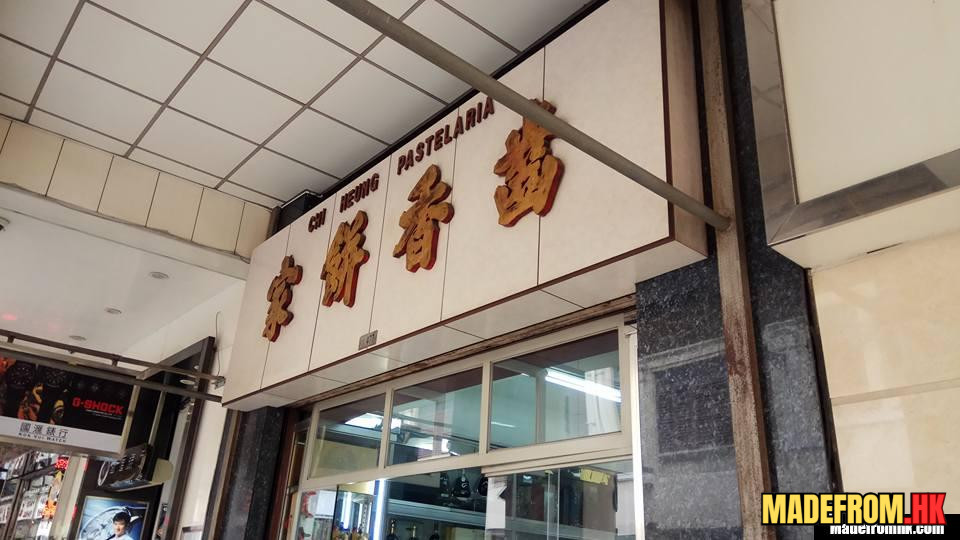
在澳門的街道之間,食物不只是味覺的享受,更是一種文化的延續。咀香餅家作為本地極具代表性的老字號之一,以傳統餅食與手工製作聞名。無論是遊客還是居民,這裡的味道都承載著一種熟悉而持久的城市記憶。
In Macau, food is more than flavor—it is a continuation of culture. Koi Kei Bakery stands as one of the city’s most recognizable heritage brands, known for its traditional pastries and handcrafted approach. For both visitors and locals, its flavors carry a sense of familiarity that lingers beyond a single visit.
中文
咀香餅家的存在,讓人重新理解「傳統」在現代城市中的意義。在澳門這樣一個融合多元文化的地方,飲食不僅反映歷史,也展現出文化如何被保存與轉化。咀香餅家正是這種轉化的代表之一。
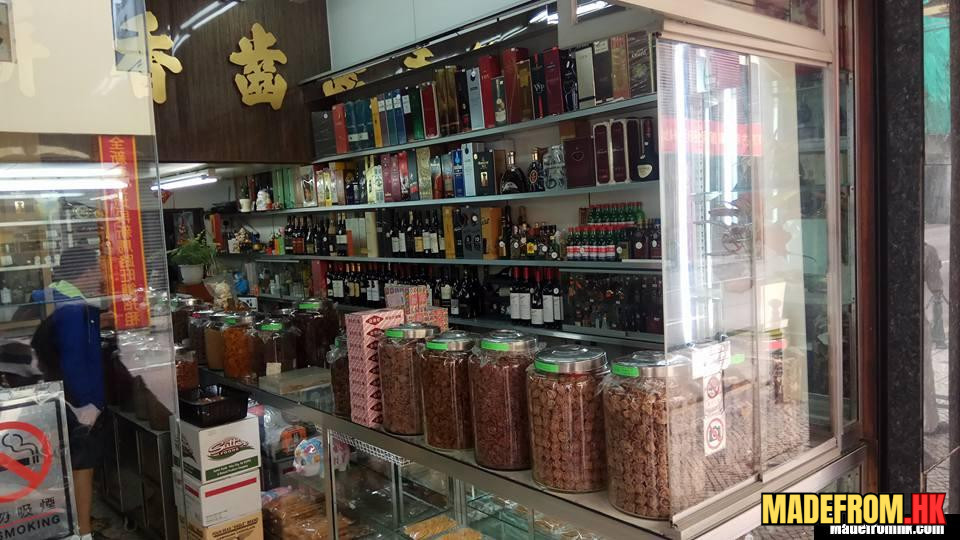
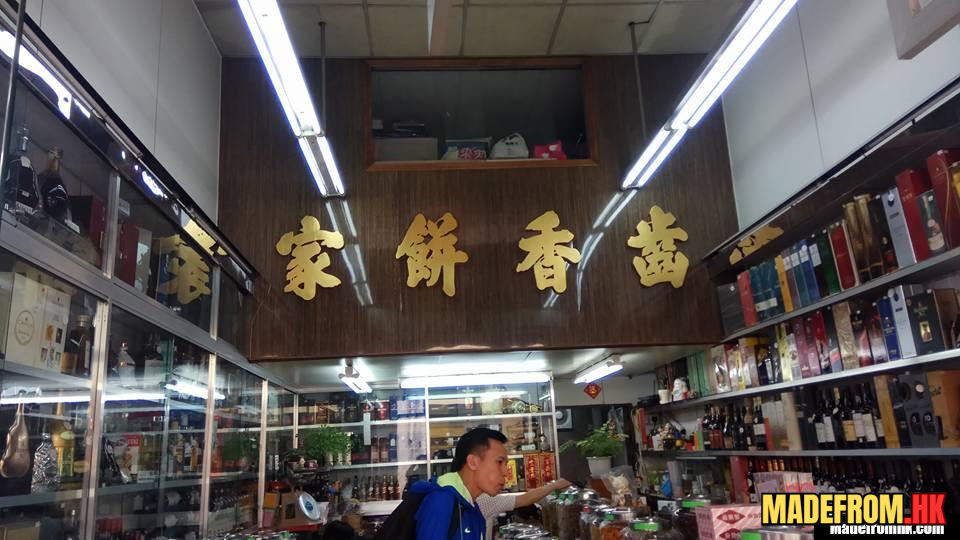
走進店內,首先感受到的是一種濃厚的氣味——炭燒、糖香與餅皮的混合味道。這種氣味並不複雜,卻極具辨識度,讓人很快聯想到傳統製作方式。與現代機械化生產不同,這裡仍然保留部分手工製作的工序,使每一件產品都帶有細微的差異。
其中最具代表性的,是杏仁餅。這種餅食看似簡單,卻需要精準的比例與火候控制。餅體鬆化而不鬆散,入口時帶有淡淡的堅果香氣與糖的平衡感。這種口感並非偶然,而是長時間經驗累積的結果。
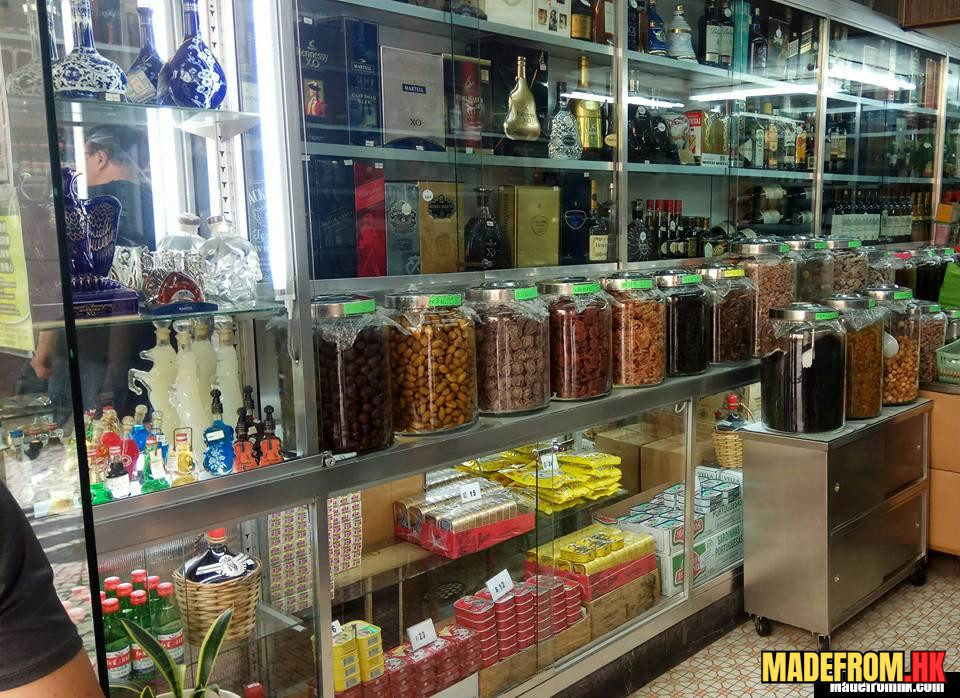
除了杏仁餅之外,店內亦提供多種傳統糕點,如肉乾、蛋卷與花生糖等。這些食品不只是零食,更像是一種文化符號。它們在節日、送禮與日常生活中扮演不同角色,使食物與情感之間建立起連結。
從歷史角度來看,澳門的餅食文化受到中西交流的影響。傳統中式糕點技術與外來元素相互融合,形成獨特的地方風格。咀香餅家的產品,正是這種文化背景的體現。它們既保留傳統,又在形式與包裝上進行調整,以適應現代需求。
在城市空間中,這樣的老字號店舖具有特殊意義。它們不只是商業存在,更是一種文化標記。當人們經過或進入這些店舖時,其實是在與城市歷史產生連結。這種連結並不抽象,而是透過味道與感官直接呈現。
對旅客而言,咀香餅家往往是購買手信的熱門選擇。但若深入觀察,它所提供的不只是商品,而是一種體驗。從選購到品嚐,每一個過程都帶有文化層次,使簡單的消費行為轉化為記憶的一部分。
此外,這類傳統品牌在現代市場中也面臨轉變。如何在保留原有特色的同時,回應新的消費模式,是一個持續的過程。咀香餅家透過產品多樣化與品牌形象更新,使傳統得以延續,而非停留於過去。
從內容創作的角度,這樣的題材結合了飲食、文化與歷史,具有高度延展性。透過描述味道、製作過程與城市背景,可以讓讀者不只是了解產品,而是理解其背後的意義。
最終,咀香餅家的價值並不只是味道本身,而是它如何將時間、記憶與文化凝聚在一件簡單的糕點之中。這種凝聚,使每一次品嚐都帶有超越食物的層次。
English Version
Koi Kei Bakery offers more than traditional snacks—it presents a way to understand how heritage survives within a modern city. In Macau, where cultures intersect, food becomes a medium through which history is preserved and reinterpreted. This bakery stands as a clear example of that process.
Stepping inside, the first impression is aromatic rather than visual. The scent of roasted ingredients, caramelized sugar, and baked pastry fills the space. It is a distinctive combination—simple yet memorable—evoking traditional production methods that contrast with industrial food manufacturing.
The almond biscuit is perhaps the most iconic product. Its appearance is unassuming, but its texture and balance require precision. Light yet structured, it dissolves gently with a subtle nuttiness and controlled sweetness. This outcome is not accidental but the result of accumulated craftsmanship over time.
Beyond almond biscuits, the bakery offers a wide range of traditional treats—jerky, egg rolls, peanut sweets, and more. These items function as cultural markers as much as food. They are tied to gifting traditions, festive occasions, and everyday indulgence, creating connections between taste and memory.
Historically, Macau’s pastry culture has evolved through cultural exchange. Chinese techniques merged with external influences, producing a distinctive local identity. Koi Kei Bakery’s offerings reflect this layered background, maintaining traditional foundations while adapting presentation and variety for contemporary audiences.
Within the urban landscape, long-established shops like this carry significance beyond commerce. They act as cultural anchors, linking present-day experiences with historical continuity. Entering such a space is not just a transaction—it is an encounter with the city’s past.
For visitors, the bakery is often associated with souvenirs. Yet the experience goes deeper than purchase. The act of selecting, tasting, and sharing these products transforms them into personal memories, extending their meaning beyond the moment.
At the same time, traditional brands must navigate change. Balancing authenticity with evolving consumer expectations requires ongoing adaptation. Through diversification and branding, Koi Kei Bakery demonstrates how tradition can remain relevant without losing its core identity.
From a storytelling perspective, this subject connects food with broader themes—culture, history, and sensory experience. Describing texture, aroma, and context allows readers to engage with the narrative beyond simple information.
Ultimately, the value of Koi Kei Bakery lies not only in its products but in its ability to condense time and culture into something tangible. Each bite carries more than flavor—it carries continuity.
總結
咀香餅家不只是食品店,更是澳門文化的一部分。透過味道與記憶,它讓傳統在現代城市中持續存在。
Koi Kei Bakery is more than a shop—it is part of Macau’s cultural fabric, preserving tradition through taste and memory.