
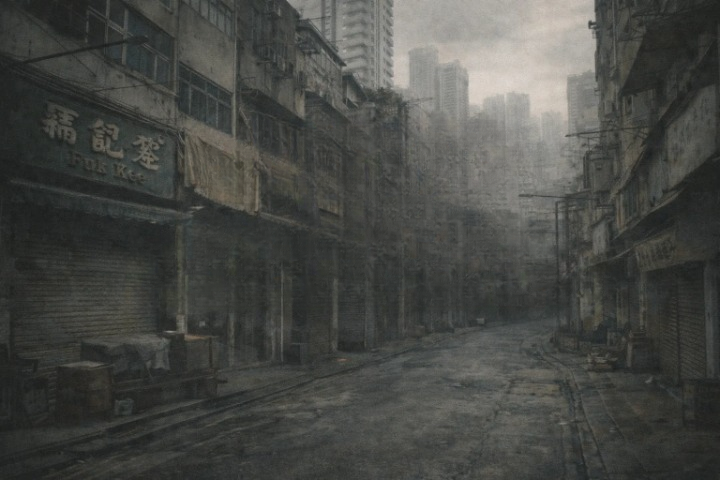
消失的老店:一代人的記憶與城市的變遷 | Vanished Old Shops in Hong Kong: A Generation’s Memory and the Changing Face of the City | 今日回望 | 第二章
街道的記憶,往往不是由華麗的商場或摩天大樓構成,而是那些散落在街角的老店鋪。這些老店,像是城市的靈魂,無聲地訴說著一代又一代人的故事。從前,香港的街巷中,藥材舖、士多店、裁縫鋪,甚至是一家小小的糖水舖,都有屬於自己的位置與角色。它們不僅提供商品與服務,更承載了居民的日常與情感。
Across Hong Kong, countless old shops have quietly disappeared, leaving behind more than empty spaces. These businesses once carried the routines, relationships, and memories of entire communities. As they fade from the streets, they reveal not only economic change, but also the shifting identity of a city where the past lingers in memory rather than place.
然而,時至今日,這些老店卻如潮水退去般,一間接一間地消失在我們的視野中。取而代之的是統一風格的連鎖品牌、光鮮亮麗的玻璃櫥窗,以及毫無個性可言的商業空間。城市變得更現代化了,但也更陌生了。
老店的消失,原因往往並不浪漫。它們並非因為時代不再需要,而是因為後繼無人。上一代的店主,經歷過香港最艱難的歲月,他們憑藉著勤奮與毅力,在街頭巷尾開創了屬於自己的天地。他們習慣於長時間工作,接受微薄的利潤,只為了養家糊口。然而,當下一代接過接力棒時,他們面對的是一個截然不同的世界。
年輕一代從小目睹父母為經營店鋪而付出的辛勞,他們清楚地知道,守住這樣的一間老店,可能換不來理想中的生活品質。他們受過良好的教育,有更多的選擇,也更懂得計算成本與回報。當「辛苦一輩子」與「轉換跑道」之間需要做出選擇時,越來越多人選擇後者。於是,當父母年邁無力再繼續經營,這些老店便不得不走向關門的命運。
除了後繼無人外,租金上漲也是壓垮老店的重要因素。在香港這樣寸土寸金的地方,商業地產市場競爭激烈,一句「市價調整」,便足以讓一家經營數十年的老店難以為繼。業主並不會考量租戶是否是街坊熟悉的「老朋友」,也不會在意這裡是否曾經承載著多少人的回憶。對他們而言,租金才是唯一的考量。
當租約到期,老店往往面臨兩個選擇:要麼接受高得離譜的新租金,要麼選擇關門大吉。而大多數時候,他們只能選擇後者。於是,一間又一間老店消失在我們的生活中,留下的是一片片冷漠而規整的商業空間。
最諷刺的是,當老店關門後,那些地段通常並不會荒廢。很快,就會有新的商家進駐。這些新店鋪裝修得時尚現代,招牌簡潔明了,商品陳列也經過精心設計。表面看來,它們讓街道變得更加「好看」,但同時也讓街道變得更加千篇一律。
曾經,那家小裁縫鋪門口掛著的一塊泛黃木牌,那位總是笑容滿面的師傅,那股淡淡的樟腦味道,都成為了過去。而如今取而代之的是一家連鎖服裝品牌專賣店,裡面播放著流行音樂,售貨員穿著統一制服,用標準化語言招呼客人。這樣的轉變,也許是城市發展的必然,但它卻讓我們失去了一些更為珍貴的東西——那是一段段屬於我們自己的城市記憶。
老店之所以珍貴,不僅在於它們長久以來提供的商品與服務,更在於它們是時間的容器,是城市文化的重要部分。一家老店裡的一桌一椅、一磚一瓦,都記錄著歲月流逝的痕跡。師傅熟練的手勢、牆上貼滿泛黃海報的角落、櫃檯上磨損的木紋,這些細節都是無法複製、無法替代的。
當我們走進一家老店時,我們進入的不僅僅是一個商業空間,而是進入了一段歷史,一個故事。這些故事可能是關於某個家庭如何白手起家,也可能是關於街坊鄰里之間如何彼此扶持。這些故事構成了城市生活最真實的一部分,它們讓我們感到溫暖,也讓我們記住自己來自何處。
有人說,城市必須向前發展,懷舊並無意義。然而問題並不在於應該向前還是回頭,而是在向前邁進時,我們是否還記得自己從哪裡來。如果我們只是一味追求現代化與效率,而忽略了保存城市記憶的重要性,那麼我們最終可能會失去的不僅僅是幾家老店,而是一座城市的人情味與靈魂。
當一條街道只剩下統一風格的新品牌,而沒有任何能訴說過去故事的元素時,它便不再是一條能讓人產生共鳴的街道,而只是另一個可以消費卻無法被記住的地方。
《今日回望》所記錄的,不是要挽留每一家老店,而是希望喚起人們對它們曾經存在過的記憶。因為只有當我們記住它們,我們才能真正理解這座城市,以及我們自己。
有些東西,一旦消失,就再也無法重來。而那些被關上的老店門背後,是一段段再也無法重現的人生與故事。希望我們能在前行之際,不忘回望那些曾經照亮我們生活的小小燈火。
English Version
In the ever-evolving landscape of Hong Kong, the disappearance of old shops marks one of the most poignant transformations within the city’s urban fabric. These shops, often family-run and deeply rooted in their neighborhoods, were once integral to everyday life. They were not merely places of commerce, but spaces where relationships were built, stories were exchanged, and a sense of continuity was quietly maintained. Their gradual disappearance reflects more than economic change; it signals a shift in how communities function and how individuals relate to the spaces around them. Walking through older districts in the past, one would encounter a rich variety of small businesses—tailors, herbal medicine shops, watch repair stores, traditional bakeries, and specialty retailers that catered to specific needs. Each shop possessed its own identity, shaped by the personality of its owner and the history of its trade. The interiors were often modest, sometimes even worn, but they carried a distinct sense of authenticity. Handwritten signs, aging furniture, and carefully arranged goods created an environment that felt both personal and enduring. Customers returned not only for the products, but for the familiarity and trust that developed over time. The relationship between shopkeeper and customer was central to the experience of these old establishments. Transactions were often accompanied by conversation, whether brief or extended, forming a rhythm of interaction that extended beyond the exchange of goods. Shopkeepers knew their customers’ preferences, habits, and sometimes even their personal histories. This level of familiarity fostered a sense of belonging, where the shop became an extension of the community rather than a detached commercial entity. In many cases, these relationships spanned generations, with families returning to the same shops over decades. However, as Hong Kong underwent rapid modernization, these traditional businesses began to face increasing challenges. Rising rents, redevelopment projects, and changing consumer behaviors created an environment in which small, independent shops struggled to survive. Large retail chains and shopping malls introduced standardized experiences, competitive pricing, and a level of convenience that reshaped consumer expectations. The shift was gradual but relentless, leading to the closure of many long-standing establishments. Some disappeared quietly, while others were replaced by entirely different types of businesses, leaving little trace of what once existed. The loss of these old shops is not only a matter of nostalgia; it represents a deeper transformation in the social fabric of the city. The disappearance of familiar storefronts alters the character of neighborhoods, reducing the diversity and individuality that once defined them. Where there were once unique, locally rooted businesses, there are now more uniform and globally influenced retail spaces. This change affects how people experience the city, shifting from a sense of discovery and personal connection to one of efficiency and predictability. Despite this, the memory of these old shops continues to resonate strongly among those who experienced them. They are remembered not just for what they sold, but for how they made people feel. The act of entering a shop, being recognized, and engaging in a simple conversation created moments of connection that are increasingly rare in modern retail environments. These memories are carried forward through stories, photographs, and personal recollections, forming a collective archive of a disappearing way of life. Efforts to preserve or document these shops have emerged in various forms, from heritage initiatives to community storytelling projects. While not all establishments can be saved, their cultural significance is increasingly acknowledged. Preservation, in this context, is not only about maintaining physical spaces but also about retaining the values and experiences they represent. It is about recognizing the importance of small-scale, human-centered interactions within the broader narrative of urban development. Reflecting on the vanished old shops of Hong Kong invites a deeper understanding of what is lost and what remains. It highlights the tension between progress and memory, between economic growth and cultural continuity. These shops, though no longer physically present in many cases, continue to exist within the collective consciousness of the city. They remind us that the identity of a place is shaped not only by its skyline, but by the everyday spaces where life unfolds. In their absence, we are left with a clearer awareness of their significance, and perhaps a renewed appreciation for the human connections that once defined them.