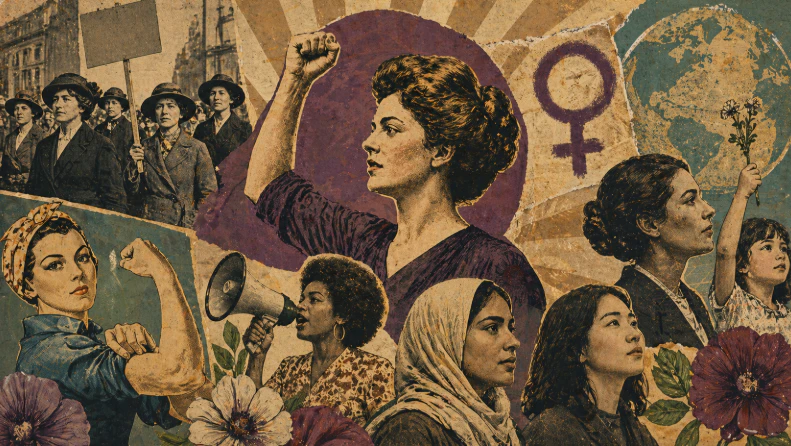
每年3月8日的International Women’s Day,象徵女性爭取權利與平等的歷程,從工人運動走向全球倡議,這一天不僅紀念歷史,更推動性別平等的未來。
Observed every March 8, International Women’s Day honors the struggle for women’s rights and equality, evolving from labor movements into a worldwide call for progress and inclusion.
中文
國際婦女節的起源可追溯至20世紀初的工業社會,當時女性在工廠中面對低薪、長工時以及惡劣工作環境,1908年紐約女工發起示威,要求改善勞動條件與投票權,這場運動成為女性權利發展的重要起點,隨後在1910年於哥本哈根舉行的國際社會主義婦女會議上,德國社會運動家Clara Zetkin提出設立國際婦女節的構想,獲得多國代表支持,1911年首度在歐洲多國舉行,數百萬人參與,標誌著女性權利運動進入國際層面,1917年俄國婦女在3月8日發起罷工,抗議戰爭與糧食短缺,最終促成重大政治變革,使這一天更具歷史象徵意義,隨著時間推移,國際婦女節逐漸從政治運動轉變為全球性的紀念與倡議活動,1975年聯合國正式將其定為國際節日,使其影響力進一步擴大,國際婦女節的核心不僅是慶祝女性成就,更重要的是關注仍然存在的不平等問題,包括薪資差距、教育機會、職場歧視以及對女性的暴力問題,在不同文化與社會背景下,婦女節的表現形式各有不同,有些地方以遊行與抗議為主,有些則透過講座、藝術活動與社區參與來推動意識提升,進入21世紀,數位媒體使婦女議題得以快速傳播,從#MeToo運動到性別平權倡議,女性聲音獲得前所未有的關注,然而婦女節的真正意義並不止於一天的紀念,而是在提醒社會持續關注性別議題並推動制度性改變,每一個小小的改變,從教育到政策,都可能影響下一代女性的未來,國際婦女節象徵著一種持續前進的力量,它不僅記錄歷史,更塑造未來,提醒人類在追求進步的同時,不應忽視公平與尊重的重要性
English Version
The origins of International Women’s Day can be traced to the early 20th century during a time of rapid industrialization, when women working in factories faced harsh conditions including low wages, long hours, and limited rights, in 1908 female workers in New York organized protests demanding better working conditions and voting rights, marking a significant moment in the fight for gender equality, in 1910 at the International Socialist Women’s Conference in Copenhagen, German activist Clara Zetkin proposed the idea of establishing an international day dedicated to women’s rights, the proposal was widely supported, and in 1911 the first International Women’s Day was observed across several European countries with millions participating, signaling the emergence of a global movement, in 1917 women in Russia staged a strike on March 8 to protest war and food shortages, an event that contributed to major political changes and solidified the date’s historical importance, over time International Women’s Day evolved from a politically driven movement into a global observance recognized across cultures, in 1975 the United Nations officially adopted the day, amplifying its global reach and significance, today the day serves not only as a celebration of women’s achievements but also as a platform to address ongoing inequalities such as the gender pay gap, unequal access to education, workplace discrimination, and violence against women, the way International Women’s Day is observed varies worldwide, ranging from marches and protests to educational programs, artistic expressions, and community initiatives, in the digital age social media has played a crucial role in amplifying women’s voices, movements like #MeToo have brought widespread attention to issues of harassment and inequality, yet the deeper meaning of the day extends beyond a single celebration, it is a continuous reminder that progress requires sustained effort, policy change, and societal commitment, every step toward equality, whether through education, legislation, or cultural transformation, shapes the future for generations to come, International Women’s Day stands as a symbol of resilience, progress, and hope, reflecting both the achievements made and the work that remains, urging humanity to pursue a more just and inclusive world