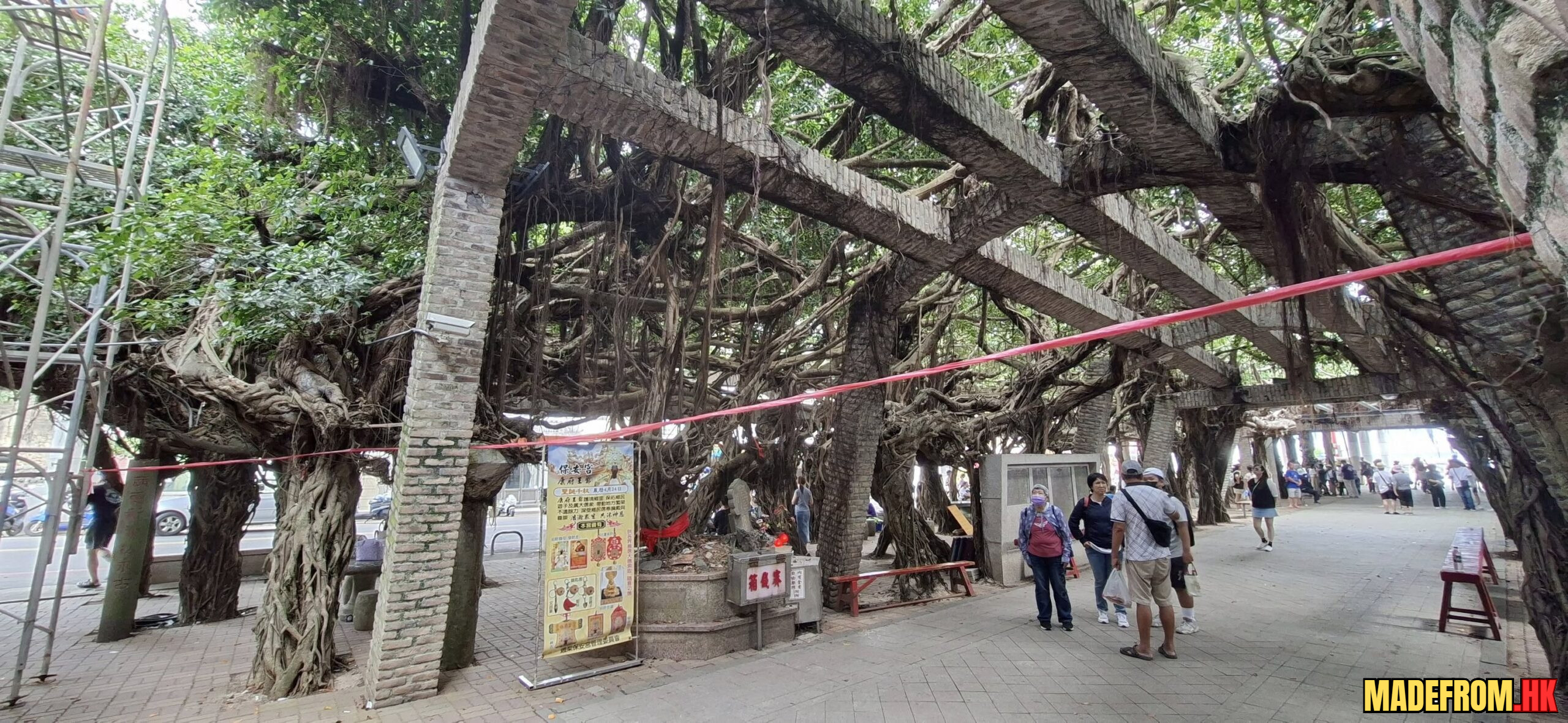
位於台灣澎湖群島的馬公保安宮,是一座充滿歷史和文化價值的廟宇。作為澎湖地區的重要宗教場所,保安宮不僅是當地居民信仰的中心,也是遊客了解台灣宗教文化的必訪之地。
Magong Bao’an Temple is a key spiritual landmark in Penghu, reflecting local beliefs, history, and the enduring connection between community and faith.
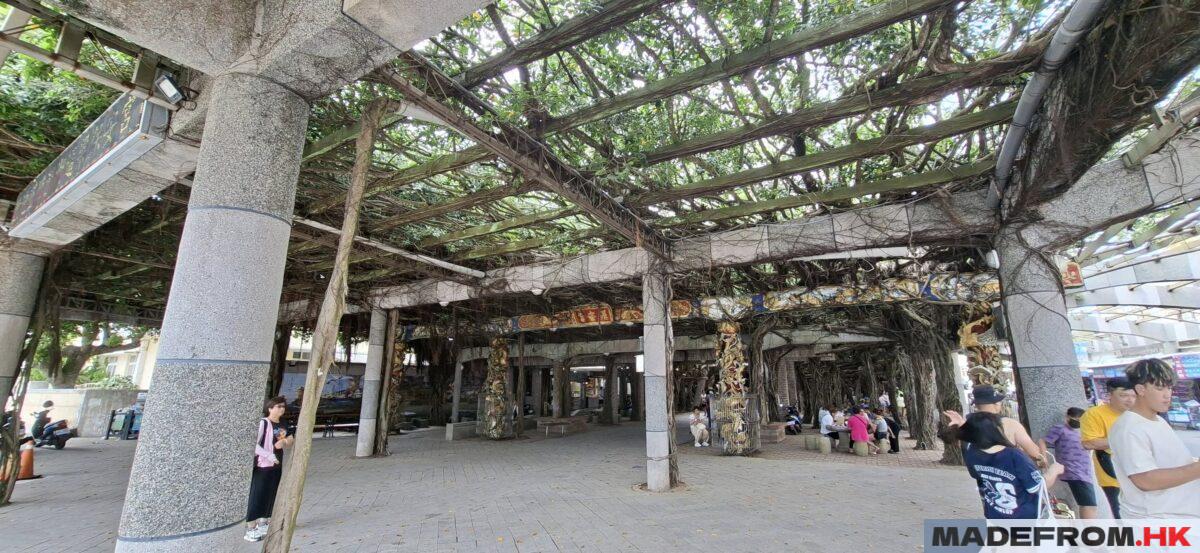
保安宮主祀保生大帝,這位神明在台灣民間信仰中被視為醫療和健康的守護者,因此吸引了許多善男信女前來祈求平安和健康。廟宇建築風格古樸典雅,充滿傳統閩南建築特色,屋頂上的剪黏藝術和精緻的木雕更是令人讚嘆不已。每一處細節都展現了工匠們的精湛技藝,讓人不禁感受到歷史的厚重感。
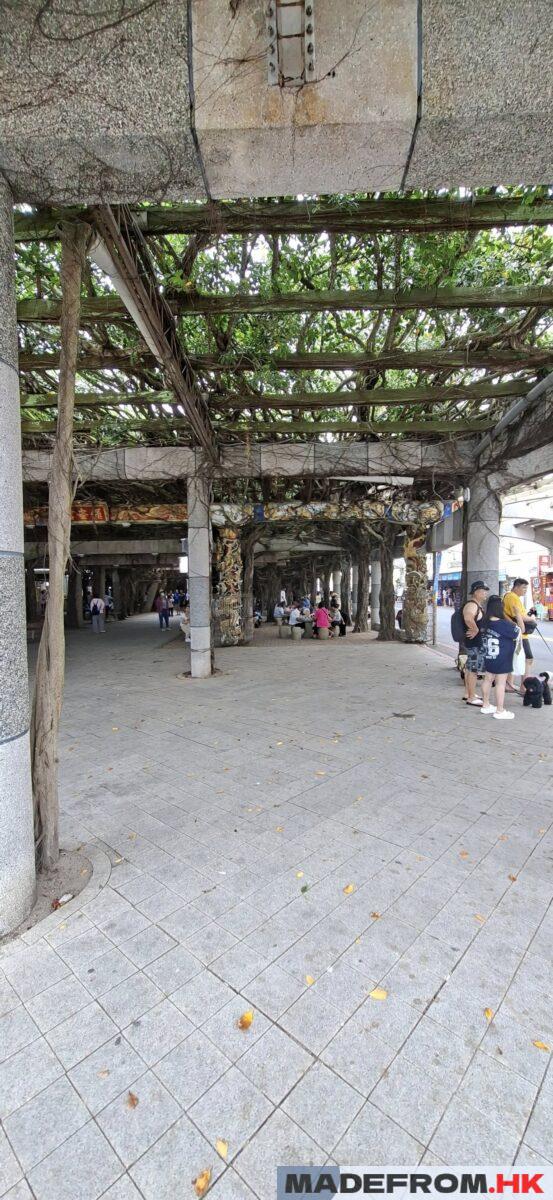
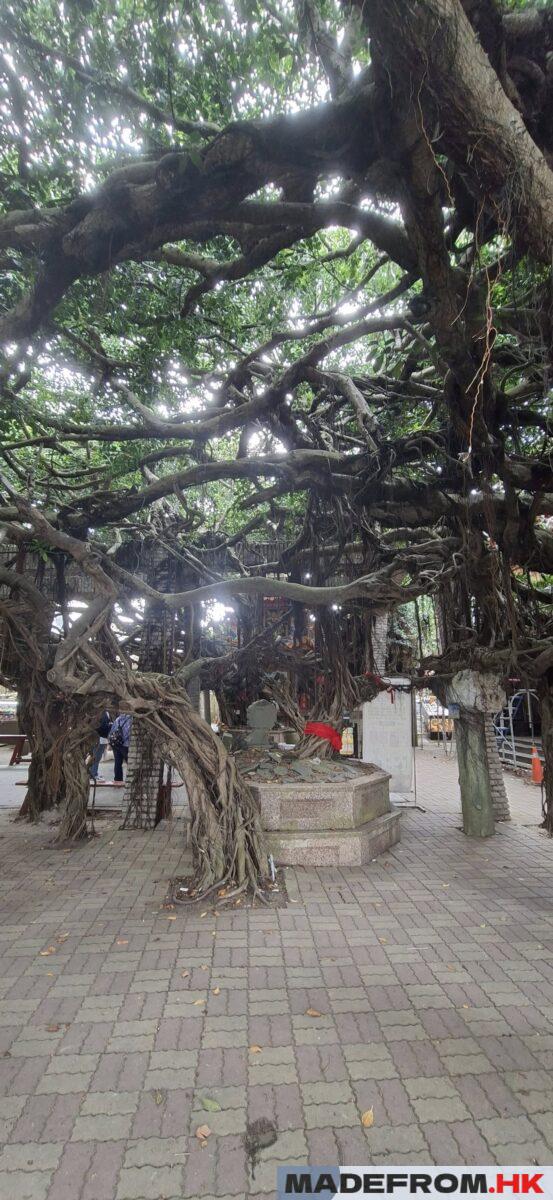
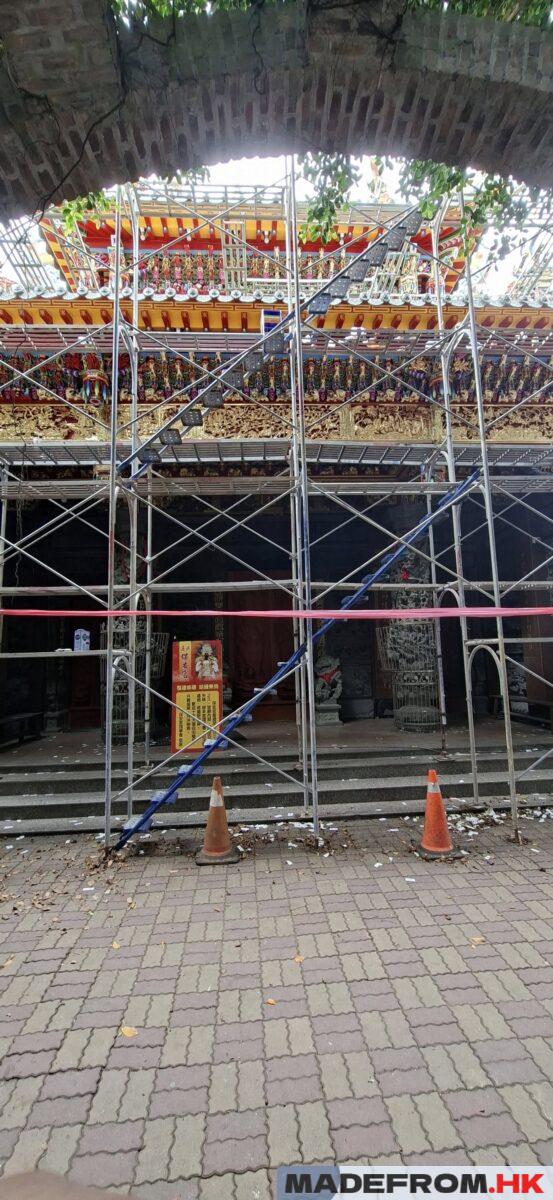
除了宗教功能外,保安宮也是澎湖地方文化的重要象徵。廟宇內不時舉行各種民俗活動,例如祭典、廟會和歌仔戲表演,這些活動不僅延續了傳統,也吸引了不少文化愛好者前來參與,讓保安宮成為連結當地社群的重要平台。
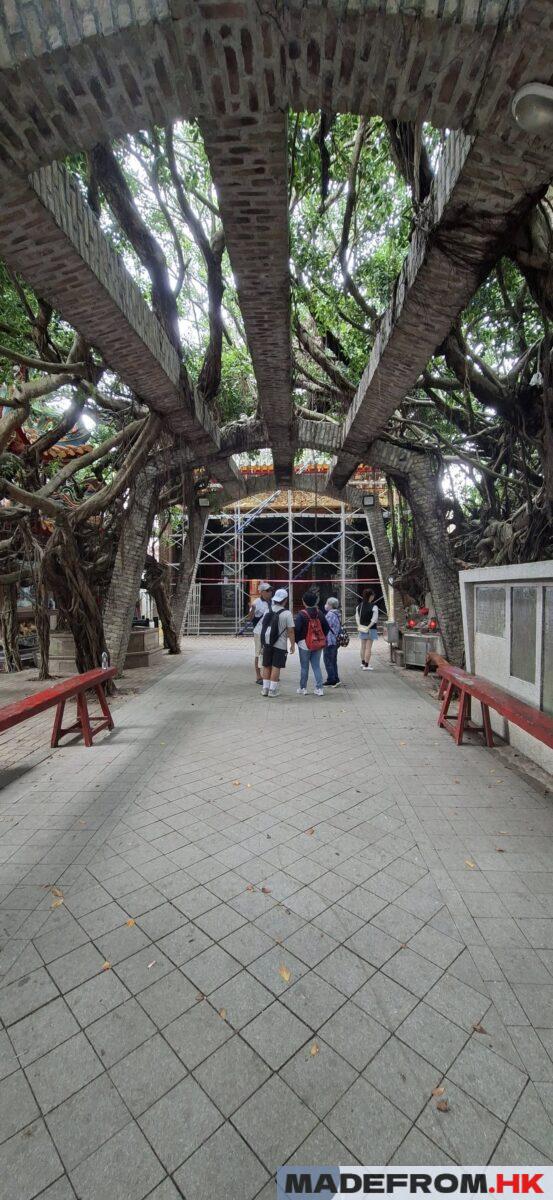
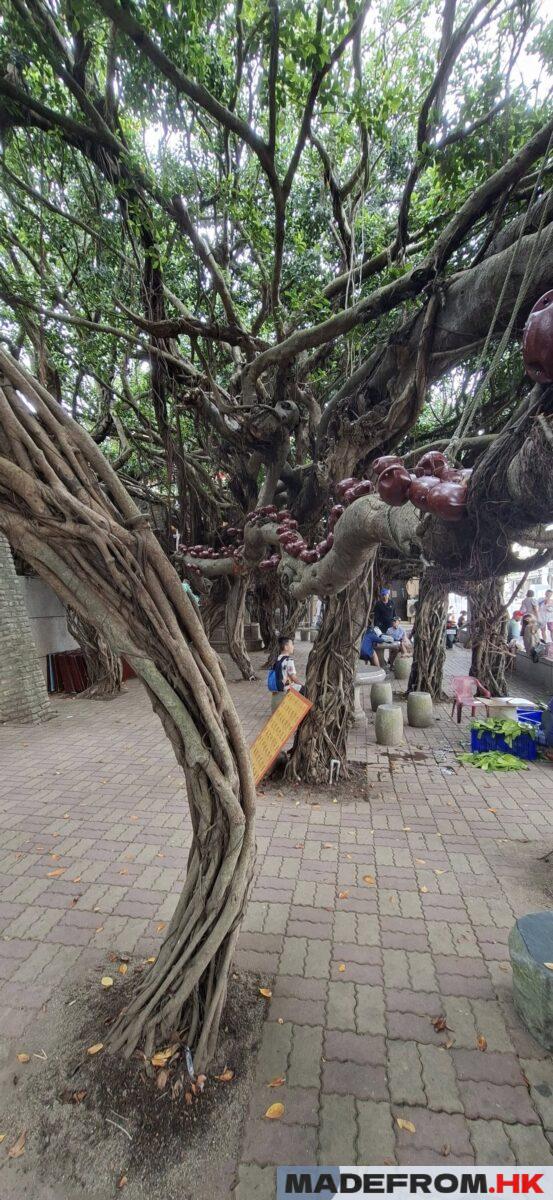
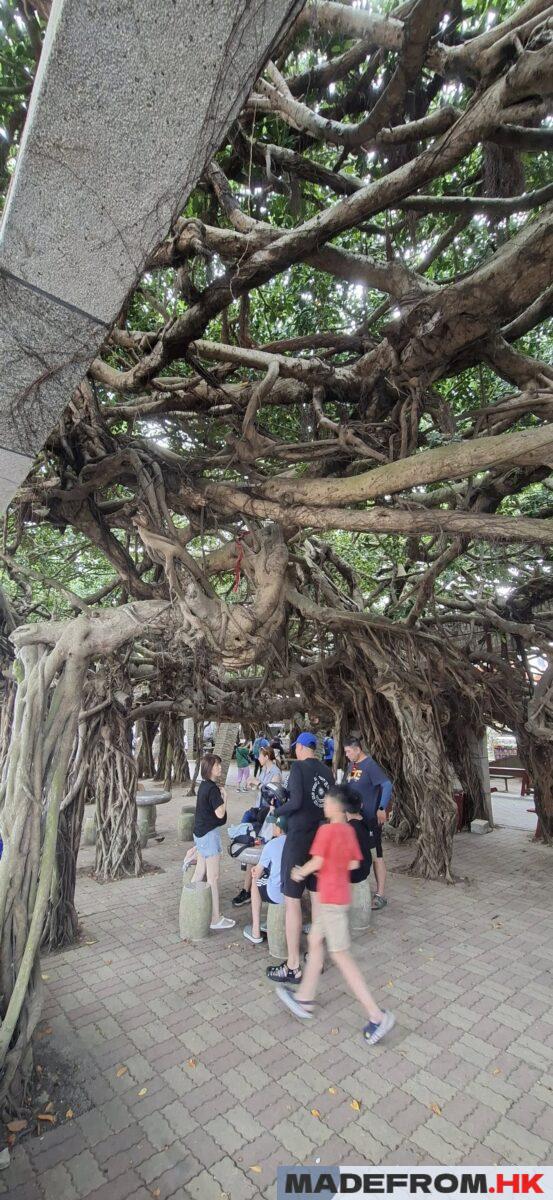
遊客到訪保安宮時,不妨細心欣賞廟內的藝術品和建築細節,同時了解背後的宗教故事和文化意涵。此外,馬公市周邊亦有許多其他景點如澎湖天后宮和四眼井,可以規劃一條豐富的文化旅遊路線。
English Version
Magong Bao’an Temple stands as a significant cultural and spiritual landmark in the Penghu Islands, embodying the deep-rooted traditions of folk religion that have shaped the identity of coastal communities for generations. Located in Magong, the administrative and cultural center of Penghu, the temple serves not only as a place of worship but also as a focal point for communal life, where rituals, festivals, and daily practices converge.
The origins of Bao’an Temple are closely tied to the migration and settlement patterns of early inhabitants. As people arrived in Penghu from mainland China, they brought with them religious beliefs and deities that provided a sense of protection and continuity in a new and often challenging environment. Temples such as Bao’an were established to honor these deities, offering spiritual reassurance in a landscape defined by the uncertainties of the sea.
Architecturally, the temple reflects traditional southern Chinese influences, characterized by ornate carvings, vibrant colors, and layered roof structures. The use of symbolic motifs—such as dragons, phoenixes, and mythological figures—adds both decorative richness and cultural meaning. Each element is carefully crafted, contributing to a visual language that communicates stories of belief, protection, and harmony.
Inside the temple, the atmosphere is shaped by sensory experiences: the scent of incense, the flicker of candlelight, and the quiet rhythm of prayer. These elements create a space that feels both intimate and expansive, allowing individuals to engage with their beliefs in a personal yet communal setting. The presence of offerings—fruit, flowers, and incense—reflects ongoing acts of devotion, reinforcing the connection between people and the divine.
Bao’an Temple also plays a central role in local festivals and religious ceremonies. These events often involve processions, performances, and communal gatherings that extend beyond the temple grounds into the surrounding streets. Such occasions strengthen social bonds, bringing together residents in shared expressions of faith and cultural identity. They also serve as a living archive of tradition, preserving practices that have been passed down through generations.
The temple’s significance extends beyond religion into the broader cultural landscape of Penghu. It represents a continuity of heritage in a region shaped by maritime life, where the sea has always been both a source of livelihood and a source of uncertainty. In this context, faith becomes a means of navigating not only spiritual concerns but also the realities of daily existence.
In modern times, Bao’an Temple continues to adapt while maintaining its traditional essence. Visitors from outside the community are welcomed, offering opportunities for cultural exchange and understanding. The temple thus functions as both a sacred space and a cultural landmark, bridging local traditions with wider appreciation.
Preservation efforts ensure that the temple remains an integral part of Penghu’s identity. Maintaining its structure, artwork, and rituals requires ongoing care, reflecting a collective commitment to safeguarding cultural heritage. This dedication highlights the importance of temples not only as religious sites but also as repositories of history and artistry.
Ultimately, Magong Bao’an Temple is a place where belief, history, and community intersect. It stands as a testament to the enduring role of faith in shaping human experience, offering a sense of continuity in a world that is constantly changing. Through its architecture, rituals, and presence, it continues to anchor the cultural life of Penghu, connecting past generations with those of the present.
總結
馬公保安宮是台灣宗教與文化交融的一個縮影。無論是信仰還是文化探索,這座廟宇都值得大家細細品味。下次到澎湖旅行,不妨親自走進保安宮,感受這片土地的深厚人文魅力。
Magong Bao’an Temple embodies the spiritual and cultural heritage of Penghu, serving as a lasting symbol of faith, community, and historical continuity.