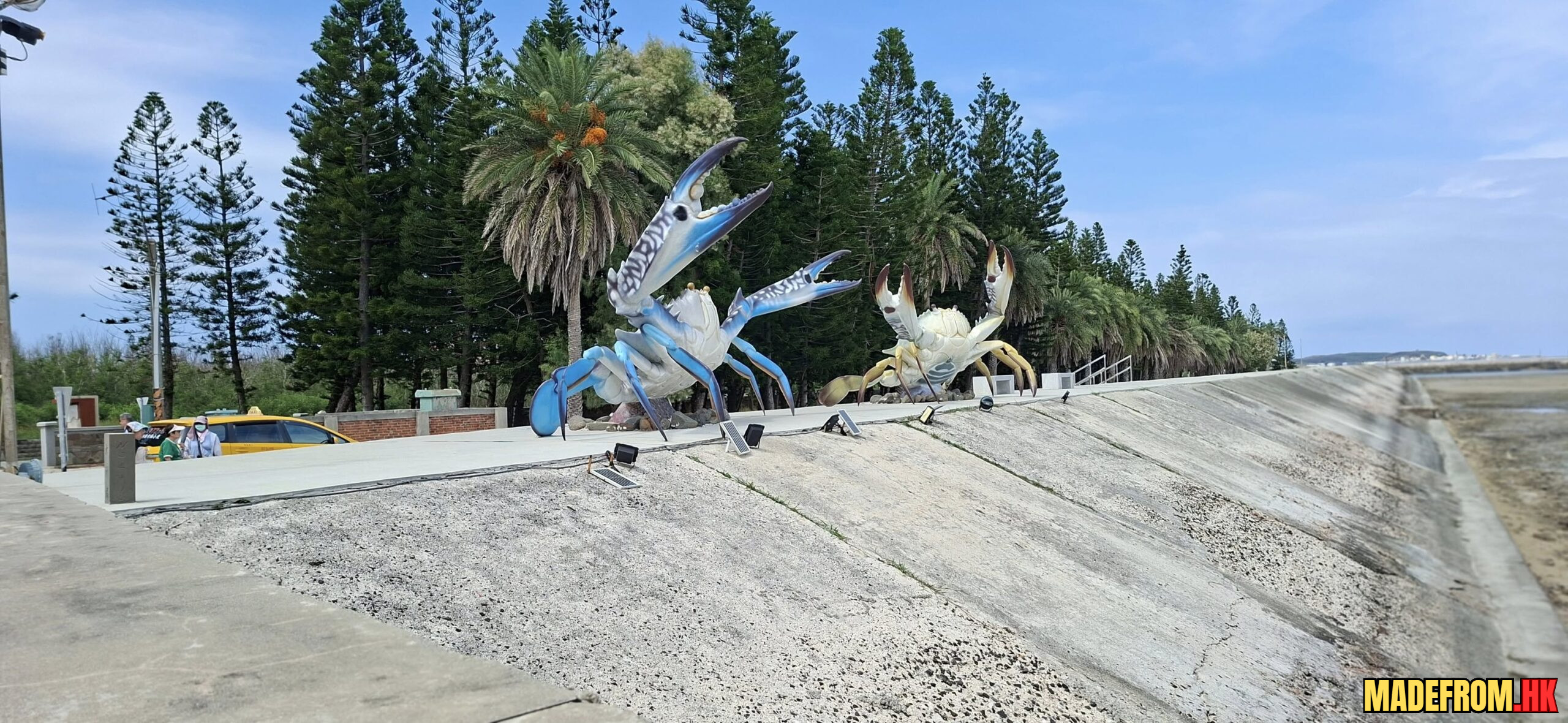
台灣的馬公市,位於澎湖群島之中,是一個充滿海洋氣息的小城,因其豐富的海鮮資源而聞名。而其中,梭子蟹更是馬公的海鮮代表之一,吸引了無數饕客前來品嘗。
Magong’s blue swimmer crab is celebrated for its sweet, tender meat and rich ocean flavor, representing one of Penghu’s most iconic seasonal seafood delicacies.
梭子蟹是一種肉質鮮甜、營養豐富的海蟹,特別是在每年的秋冬季節,正值梭子蟹肥美之時。馬公的漁民利用得天獨厚的海域環境,以傳統捕撈技術捕捉梭子蟹,保證了其新鮮度和品質。這些梭子蟹不僅是當地餐桌上的佳餚,更是台灣海鮮市場的重要出口產品。
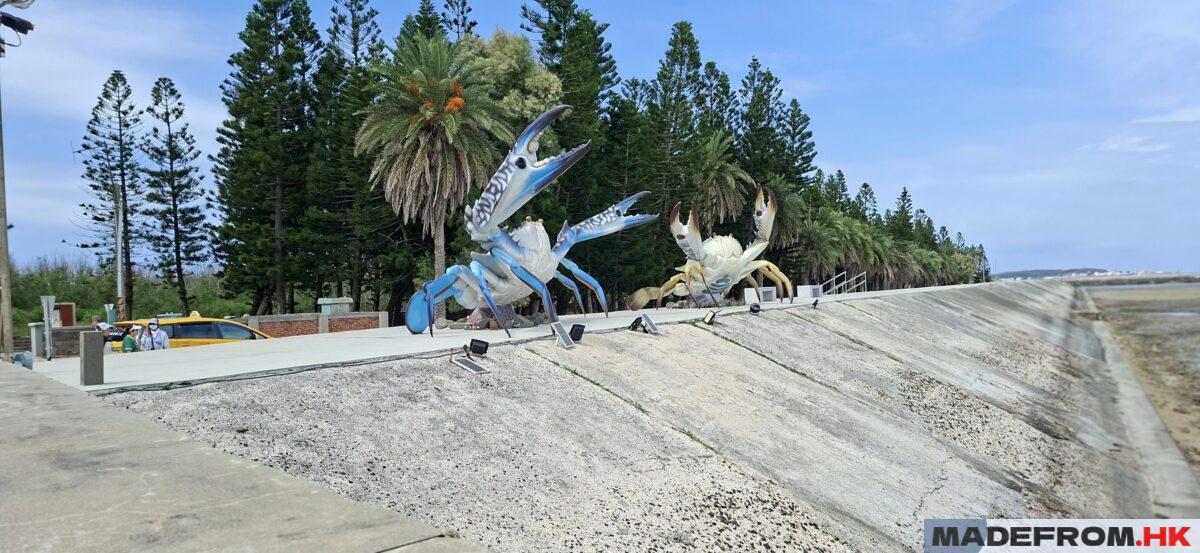
在馬公,梭子蟹的烹調方式多種多樣,無論是蒸、煮還是炒,都能充分展現其鮮甜的本味。例如最受歡迎的清蒸梭子蟹,只需簡單加入薑片和米酒蒸熟,即可品味到蟹肉的原汁原味。另一道經典菜式是蟹粥,利用梭子蟹熬煮成濃郁的湯底,再加入米飯煮成粥,口感細膩且充滿海洋的香氣。
除了味覺上的享受,梭子蟹亦有豐富的營養價值。它含有高蛋白質、低脂肪,以及多種維生素和礦物質,是健康飲食的理想選擇。而當地居民更視梭子蟹為一種養生食材,認為其具有補身和增強免疫力的功效。
如果你有機會到訪馬公,不妨親自探索這裡的海鮮市場或海港餐廳,感受梭子蟹帶來的美食魅力。同時,也可以了解當地漁民的捕撈文化,進一步體驗馬公獨特的海洋生活。
English Version
Magong, the vibrant center of the Penghu Islands, is not only known for its coastal scenery and maritime heritage but also for its exceptional seafood—among which the blue swimmer crab stands out as a true culinary highlight. This prized ingredient, harvested from the surrounding waters, embodies the essence of Penghu’s marine environment, offering a taste that is both delicate and deeply expressive of place.
The blue swimmer crab thrives in the warm, shallow waters of the Taiwan Strait, where tidal currents and nutrient-rich conditions create an ideal habitat. Fishermen in Penghu have long relied on their knowledge of the sea to harvest these crabs sustainably, understanding seasonal patterns and ecological balance. The peak season, typically occurring in warmer months, is when the crabs reach optimal size and flavor, making them especially sought after in local markets and restaurants.
What distinguishes Magong’s blue swimmer crab is its natural sweetness and fine texture. The meat is tender yet firm, with a subtle brininess that reflects the clarity of the surrounding waters. Unlike heavier or more intensely flavored seafood, this crab offers a refined taste that can be appreciated even with minimal seasoning. Steaming is one of the most common preparation methods, allowing the inherent qualities of the crab to shine without distraction.
Culinary traditions in Magong emphasize freshness and simplicity. The journey from sea to table is often remarkably short, ensuring that the seafood retains its optimal quality. In local dining culture, the crab is sometimes paired with light dipping sauces or incorporated into dishes that highlight its flavor without overwhelming it. This approach reflects a broader philosophy in Taiwanese coastal cuisine—one that respects the ingredient and allows its natural characteristics to take center stage.
Beyond its gastronomic appeal, the blue swimmer crab is closely tied to the cultural and economic life of Magong. Fishing communities depend on the seasonal harvest, and the crab trade contributes to the local economy. Markets come alive during peak season, with vendors displaying fresh catches and visitors drawn by the promise of authentic seafood experiences. This dynamic interaction between production and consumption reinforces the connection between people and the sea.
The experience of enjoying blue swimmer crab in Magong is not limited to taste alone. It is also shaped by the environment—the salty air, the sound of waves, and the visual presence of the harbor. Dining becomes an immersive activity, where sensory elements combine to create a deeper appreciation of the meal. This integration of place and flavor is what makes the experience particularly memorable.
At the same time, sustainability remains an important consideration. Responsible fishing practices are essential to maintaining crab populations and preserving marine ecosystems. Awareness of seasonal limits and ecological impact ensures that future generations can continue to enjoy this delicacy. Efforts to balance demand with conservation reflect a growing commitment to sustainable seafood practices in the region.
The popularity of Magong’s blue swimmer crab has also contributed to Penghu’s reputation as a culinary destination. Travelers seeking authentic local flavors often prioritize seafood experiences, and the crab has become a symbol of the islands’ rich marine resources. It represents not only a dish but also a narrative—one that connects natural environment, human skill, and cultural tradition.
Ultimately, the blue swimmer crab of Magong is more than just a seafood item; it is an expression of place. Through its flavor, texture, and cultural significance, it tells a story of the sea and the people who depend on it. In every bite, there is a sense of continuity—linking past and present, nature and culture, simplicity and refinement.
總結
台灣馬公的梭子蟹不僅是一道美食,更是一種文化與自然的結晶。它代表了澎湖群島豐饒的海洋資源以及當地居民對生活品質的追求。下一次旅程,不妨將馬公列入你的目的地清單,親身感受這片海洋所孕育的珍寶。
Magong’s blue swimmer crab captures the essence of Penghu’s coastal cuisine, offering a seasonal delicacy that reflects both the richness of the sea and the traditions of island life.