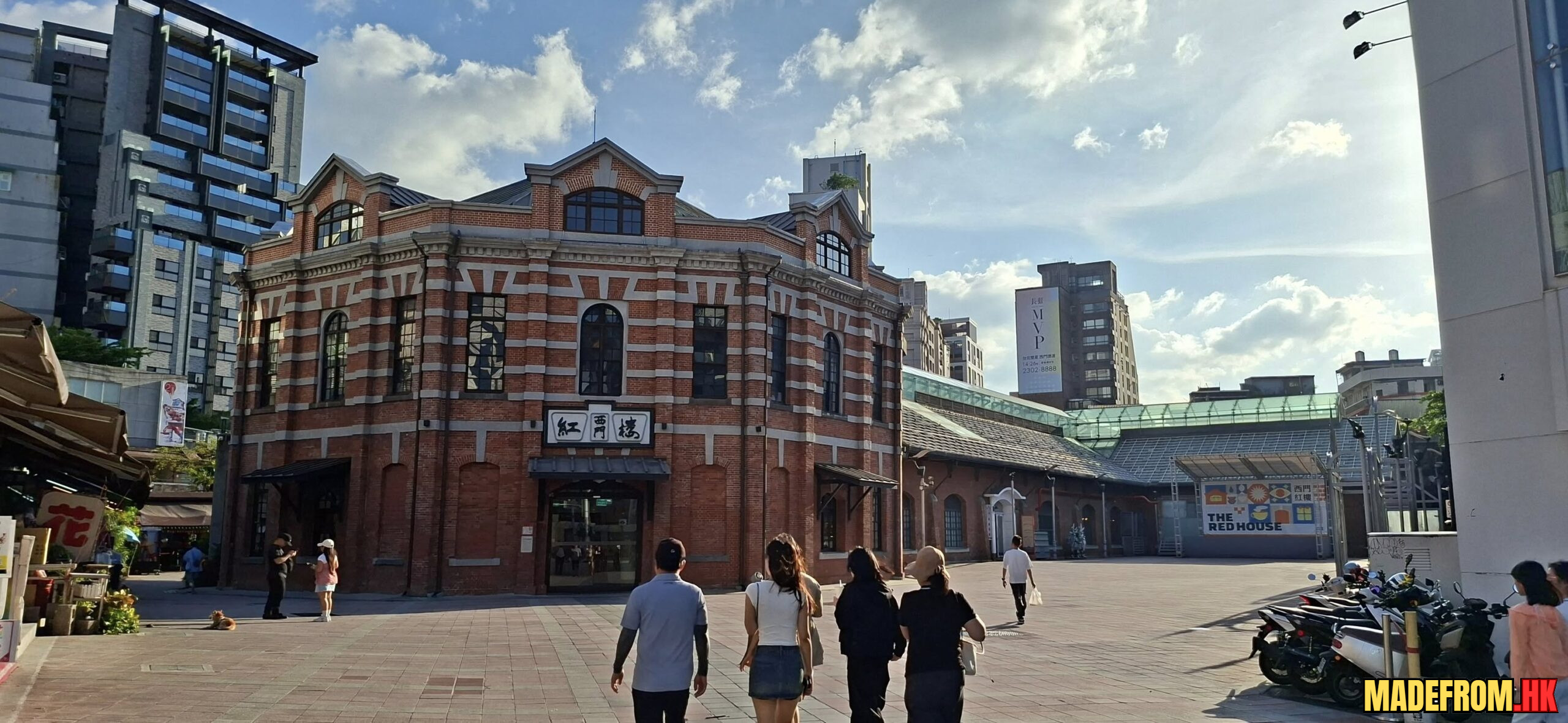
台灣的西門紅樓,是一座充滿歷史韻味與文化底蘊的建築,位於台北市西門町的核心地帶。這座紅磚建築不僅是台灣早期建築技術的代表,更是台北文化生活的重要象徵。
The Red House in Ximending reflects Taipei’s cultural evolution, transforming from a historic market and theater into a creative hub where heritage and contemporary arts converge.
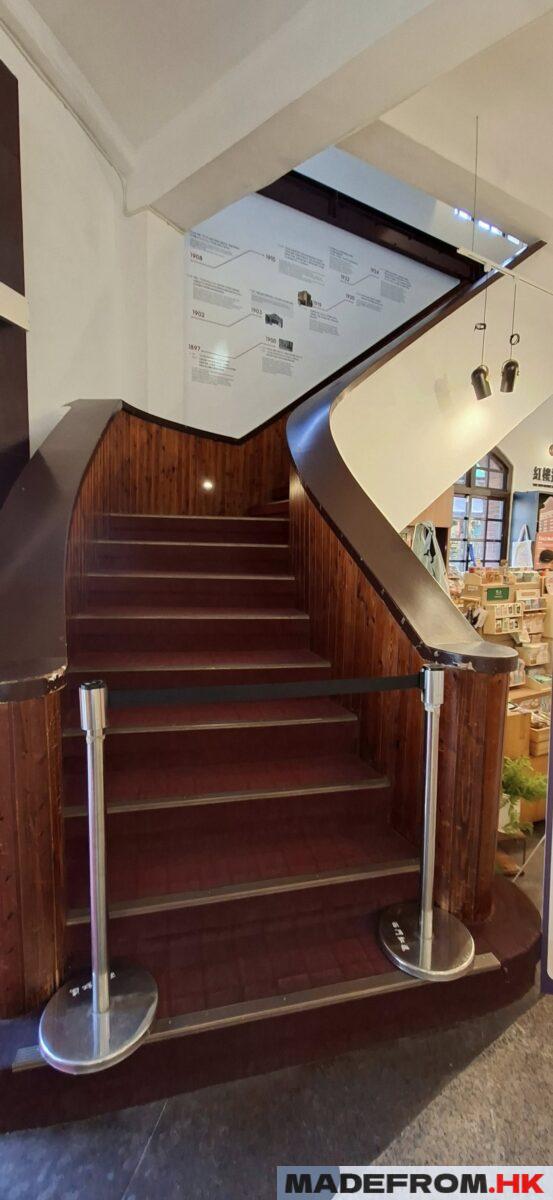
西門紅樓建於1908年,由日本建築師近藤十郎設計,原本作為市場使用。八角形的主建築和十字形的副建築構成了其獨特的外觀設計,充分展現了東西方建築風格的融合。紅磚牆面搭配精緻的窗框設計,讓整座建築充滿古典美感。
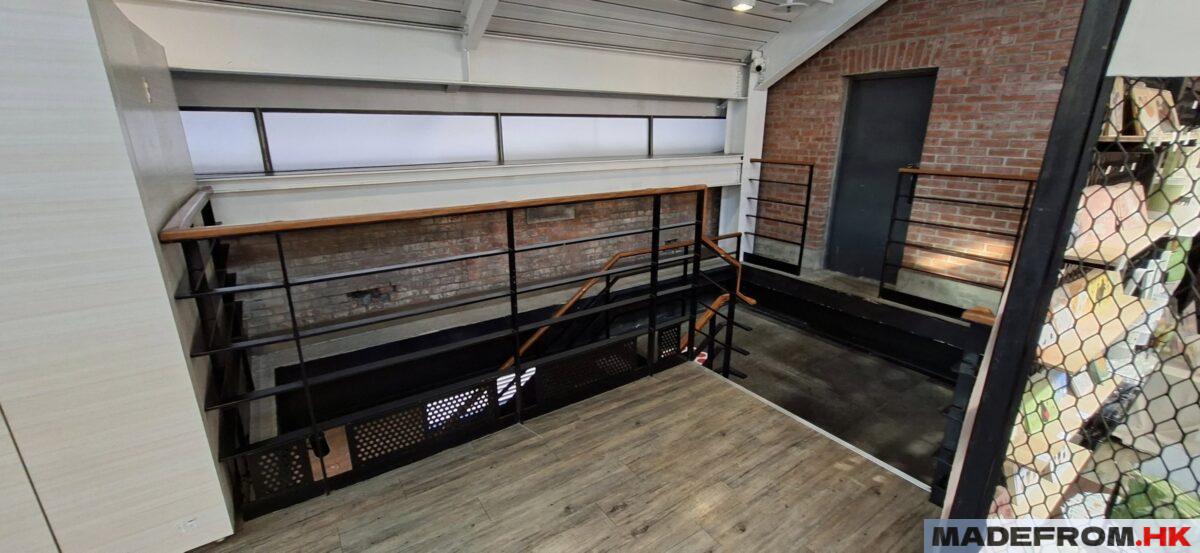
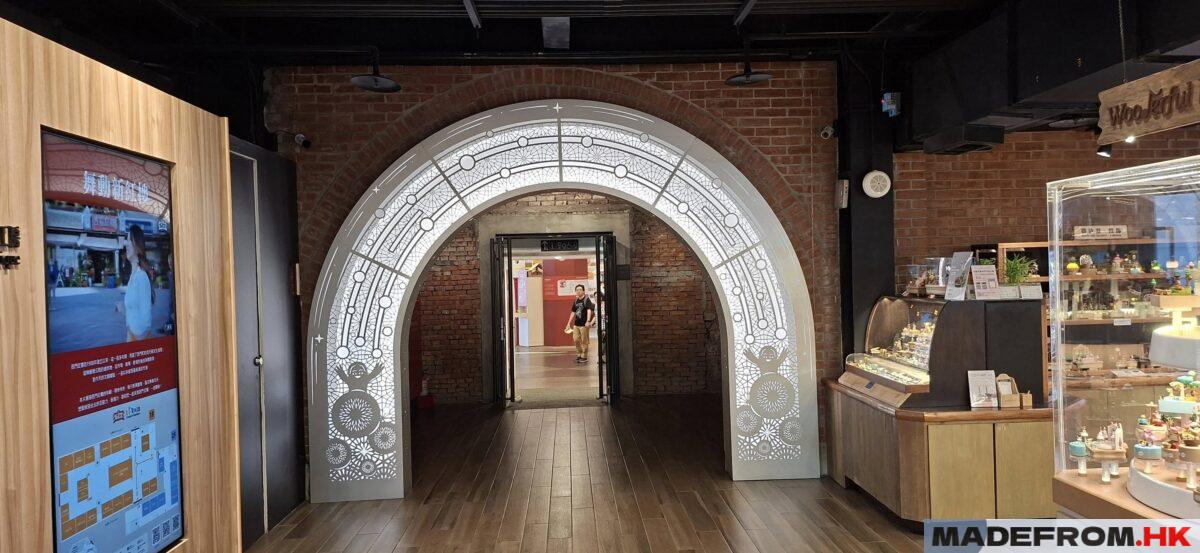
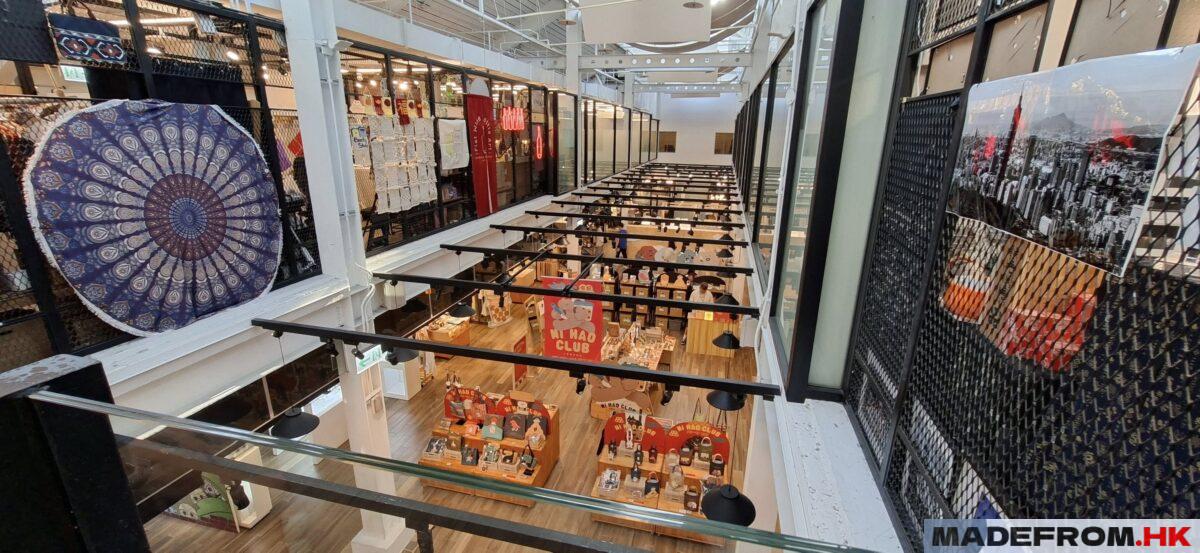
隨著時代變遷,西門紅樓逐漸轉型為文化藝術空間。如今,它是台北市文創活動的重要場地,吸引了眾多藝術家和創意工作者。紅樓內部設有展覽空間、劇場以及特色商店,定期舉辦各類展覽、表演及市集活動,為台北的文化生活注入新活力。
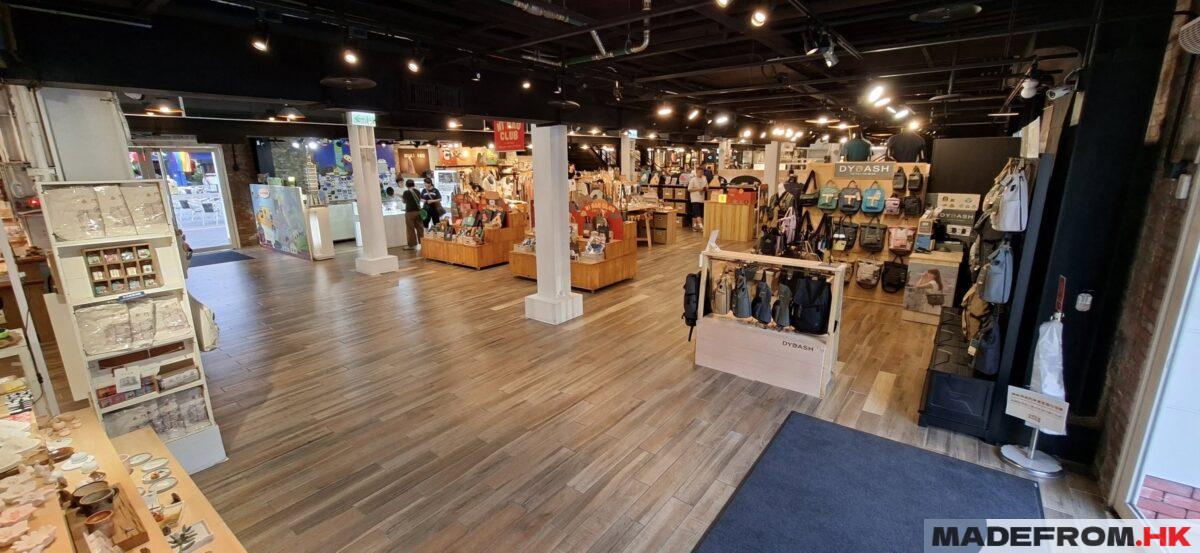
值得一提的是,紅樓的戶外廣場經常舉辦創意市集,展示本地手工藝品及設計作品,吸引了不少遊客和藝術愛好者。這裡也是台北同志文化的重要地標,象徵著多元與包容。
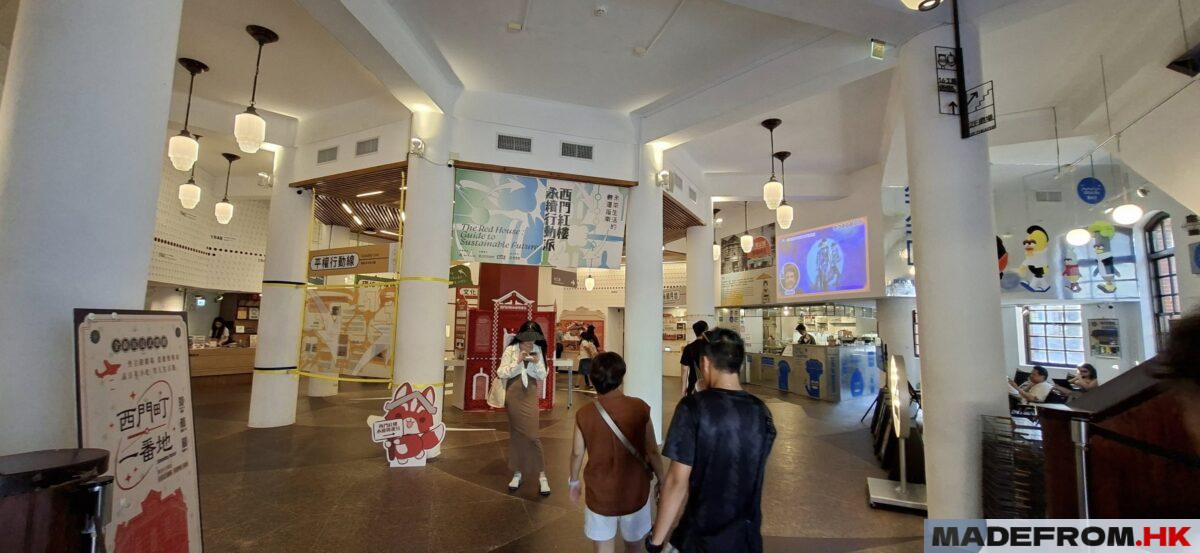
如果你計劃造訪台北,不妨抽空到西門紅樓走走。無論是欣賞建築之美、探索文創商品,還是參加文化活動,這裡都能讓你感受到台北的獨特魅力。
English Version
Standing at the edge of Taipei’s vibrant Ximending district, the Red House is one of the city’s most distinctive cultural landmarks—a structure that embodies more than a century of transformation. Built in 1908 during the Japanese colonial era, it was originally designed as a public market, serving the daily needs of residents in what was then a rapidly developing urban area. Its unusual octagonal shape, combined with a cruciform extension, made it not only functional but also architecturally unique. At a time when Western architectural ideas were being introduced to East Asia, the Red House became a striking example of hybrid design, merging European influences with local construction practices.
As Taipei modernized, the building’s role evolved. By the mid-20th century, it had transitioned into a theater, becoming a center for entertainment and cultural gatherings. Films, stage performances, and community events brought life into the space, turning it into a shared cultural memory for generations. This period marked the Red House’s emergence as more than just a commercial structure—it became a place where stories were told, identities were shaped, and the public engaged with art.
However, like many historical buildings, the Red House faced decline as urban development accelerated and newer entertainment venues emerged. For a time, its future seemed uncertain. Yet rather than being lost to redevelopment, it underwent preservation and revitalization efforts that redefined its purpose for the contemporary city. Restoration projects carefully maintained its original architectural character while adapting the interior for modern use.
Today, the Red House stands as a thriving creative and cultural hub. Its interior spaces host exhibitions, performances, and independent markets, while the surrounding plaza has become a lively gathering place filled with design shops, cafes, and open-air events. The building is particularly known for supporting local artists and creative industries, offering a platform for experimental work and cultural exchange. This transformation reflects a broader shift in urban values—one that recognizes the importance of preserving heritage while fostering innovation.
One of the most compelling aspects of the Red House is its ability to bridge time. Visitors can observe the red brick façade and intricate structural details that echo its early 20th-century origins, while simultaneously experiencing contemporary art forms within its walls. This coexistence creates a layered experience, where history is not confined to the past but actively participates in the present.
The Red House also plays a significant role in shaping the identity of Ximending. While the surrounding district is known for its fast-paced, youth-driven energy, the Red House provides a point of reflection—a reminder of the area’s historical roots. It anchors the neighborhood, offering continuity amidst constant change. At the same time, its programming ensures that it remains relevant, attracting both locals and international visitors who seek meaningful cultural experiences.
Beyond its architectural and cultural significance, the Red House has become a symbol of inclusivity and community. The plaza in front of the building is well known as a welcoming space for diverse groups, including LGBTQ+ communities, making it an important site of social expression and openness in Taipei. This dimension adds depth to its identity, positioning it not only as a historical monument but also as a living, evolving social space.
Ultimately, the Red House represents the resilience of cultural heritage in a modern city. It demonstrates how historical structures can be reimagined without losing their essence, and how spaces can continue to inspire long after their original purpose has faded. In the ever-changing landscape of Taipei, the Red House remains a constant—quietly telling its story while inviting new ones to unfold.
總結
西門紅樓融合歷史建築與當代創意,從百年市場轉型為文化藝術據點,見證台北城市記憶與創新能量的延續。
The Red House stands as a lasting symbol of Taipei’s cultural continuity, where historic architecture and modern creativity come together in a space that continues to evolve.