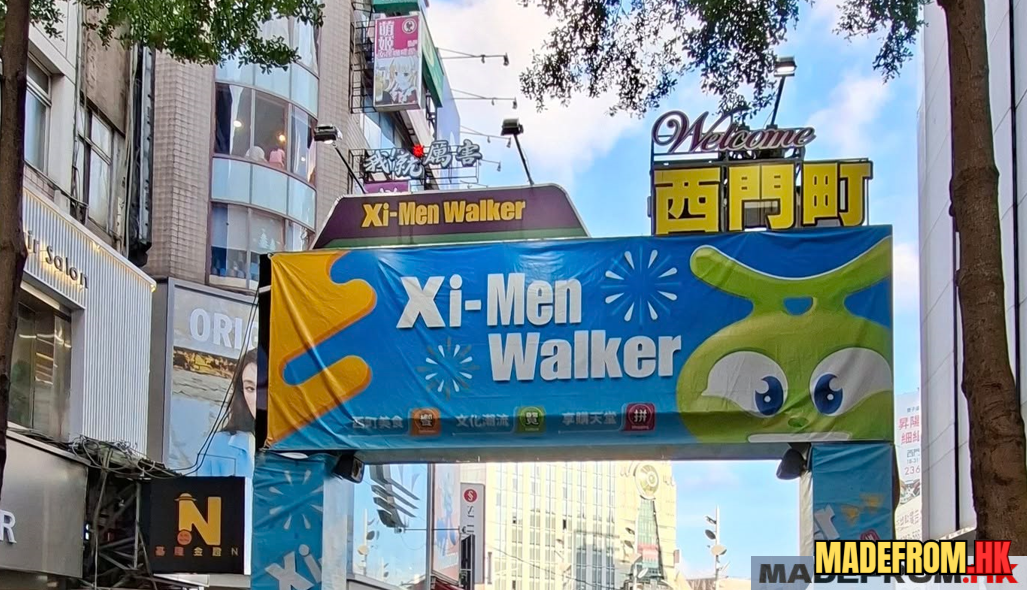
西門町是台北最具代表性的潮流文化地標,融合歷史街區與現代娛樂,從日治時期的繁華商圈到今日的年輕文化中心,持續展現城市的活力與創意能量。
Ximending is one of Taipei’s most iconic cultural districts, blending historic streets with modern entertainment. From its origins as a bustling commercial hub to its current status as a youth-driven hotspot, it captures the city’s vibrant and creative spirit.
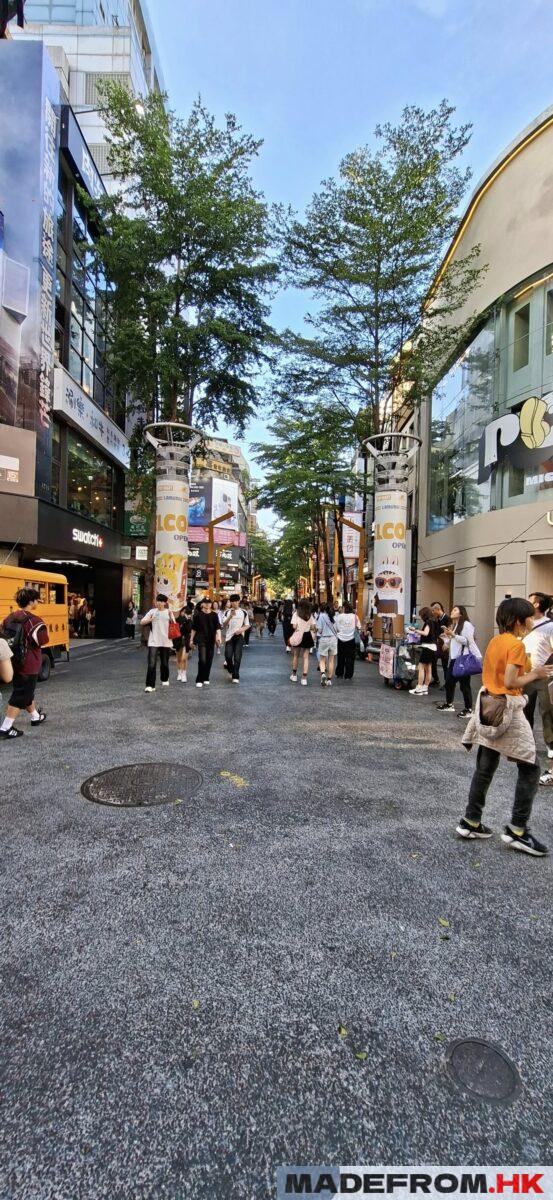
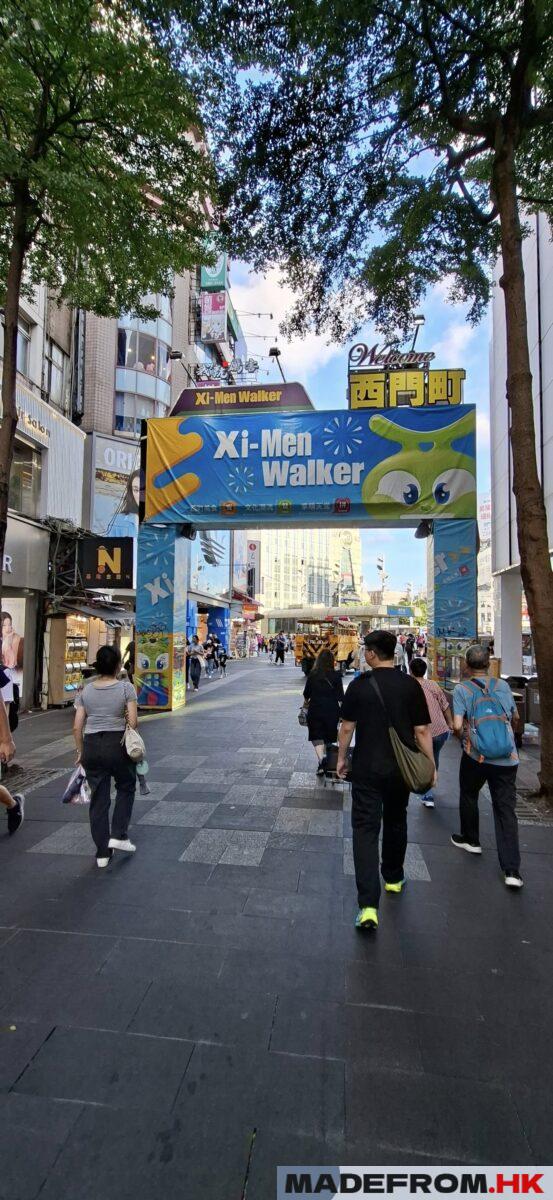
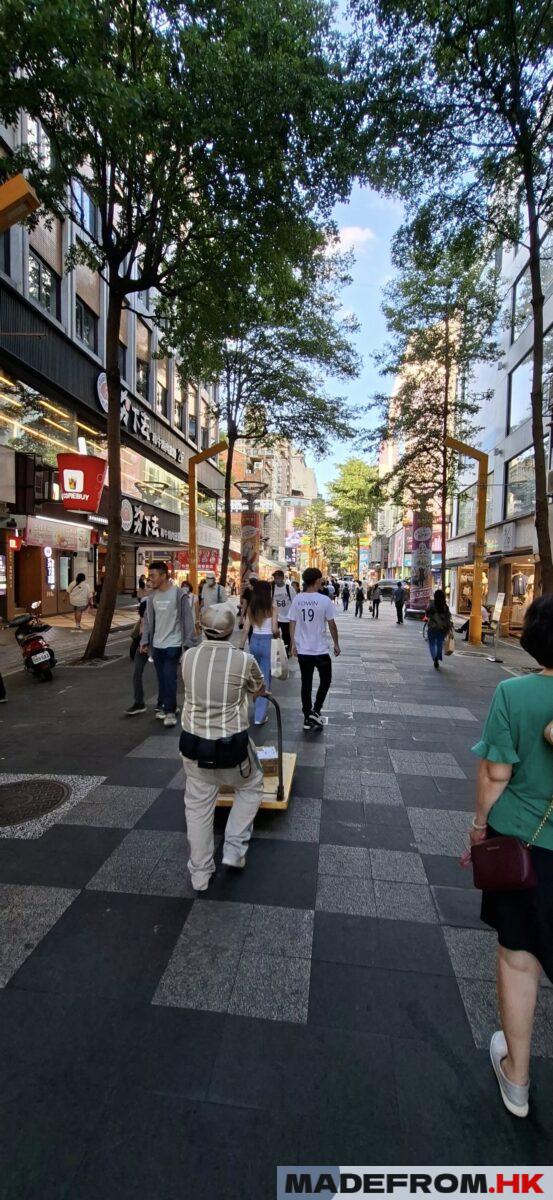
西門町的歷史可追溯至日治時期,當時這裡是台北市的娛樂中心。隨著時代演進,西門町逐漸成為潮流文化的象徵。街道上充滿了霓虹燈牌、時尚商店和特色餐廳,無論是白天還是夜晚,都散發著獨特的魅力。
作為台灣潮流文化的心臟,西門町擁有眾多知名地點。例如,紅樓劇場是西門町最具代表性的建築之一,這座百年歷史的建築不僅是台灣戲劇文化的重要場地,還是一個充滿創意的小型市集,展示本地藝術家的作品。另外,電影街也是西門町的一大特色,這裡聚集了多家電影院,是電影愛好者的天堂。
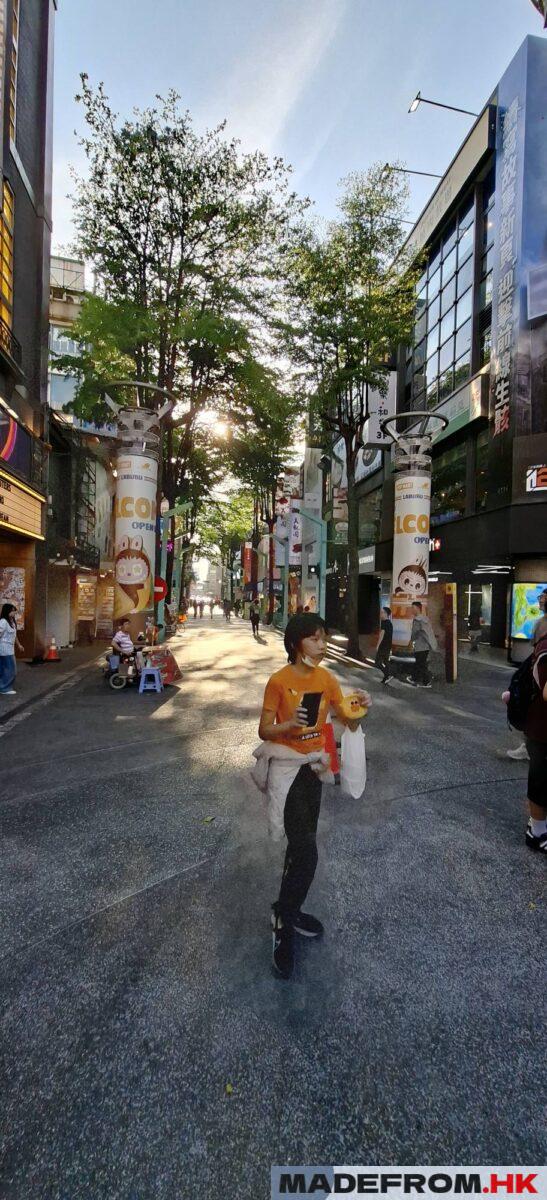
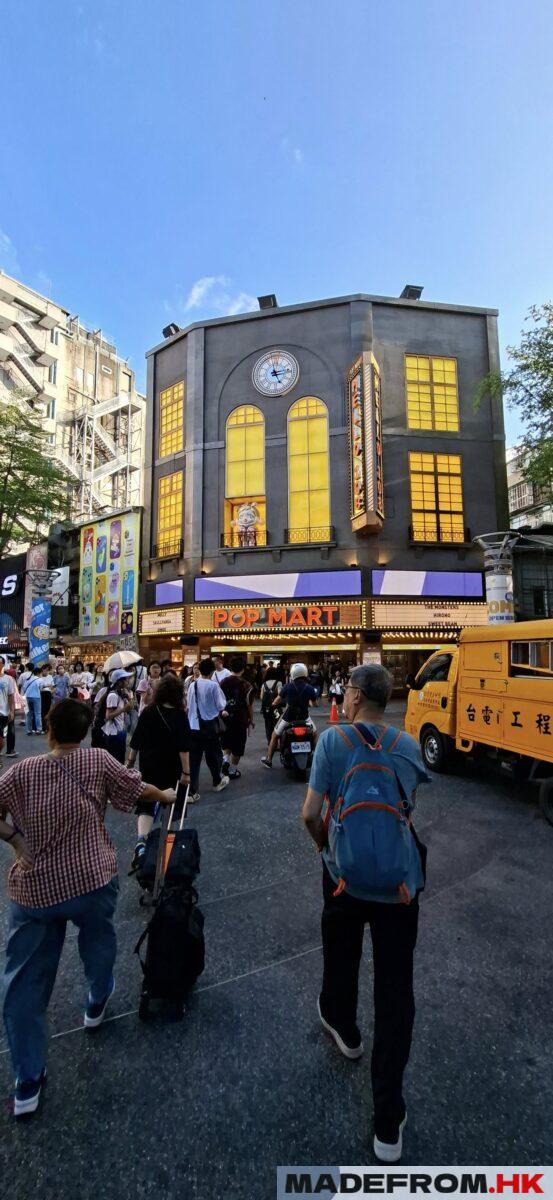
西門町的街頭美食同樣令人讚嘆。從臭豆腐、雞排到珍珠奶茶,各種地道台灣小吃在這裡都能找到。特別是阿宗麵線,幾乎成為遊客必試的美食之一。無論是品嚐本地小吃還是探索新潮餐廳,西門町都能滿足不同口味需求。
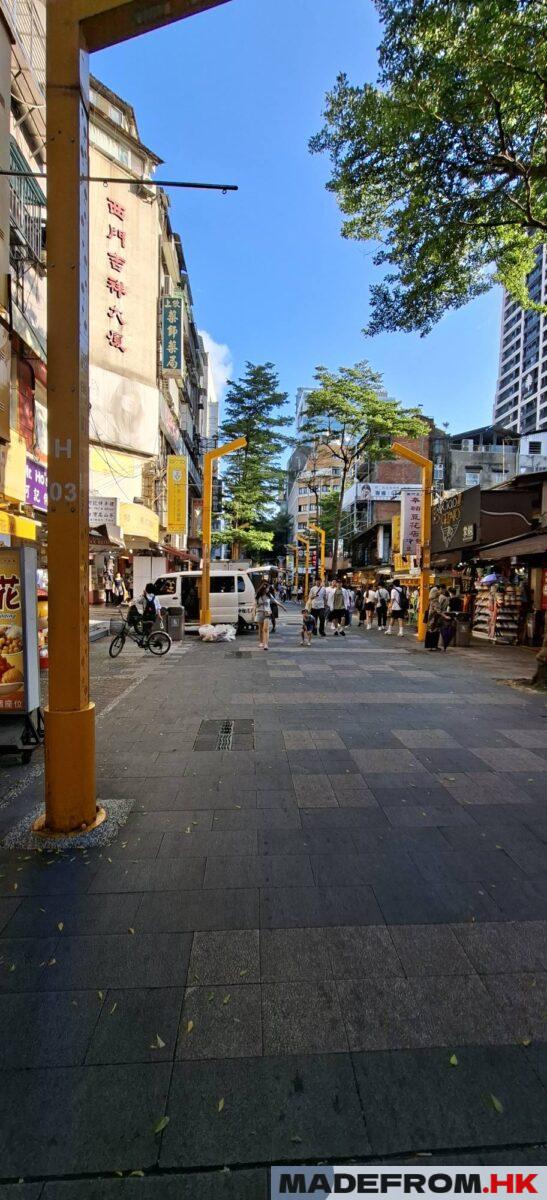
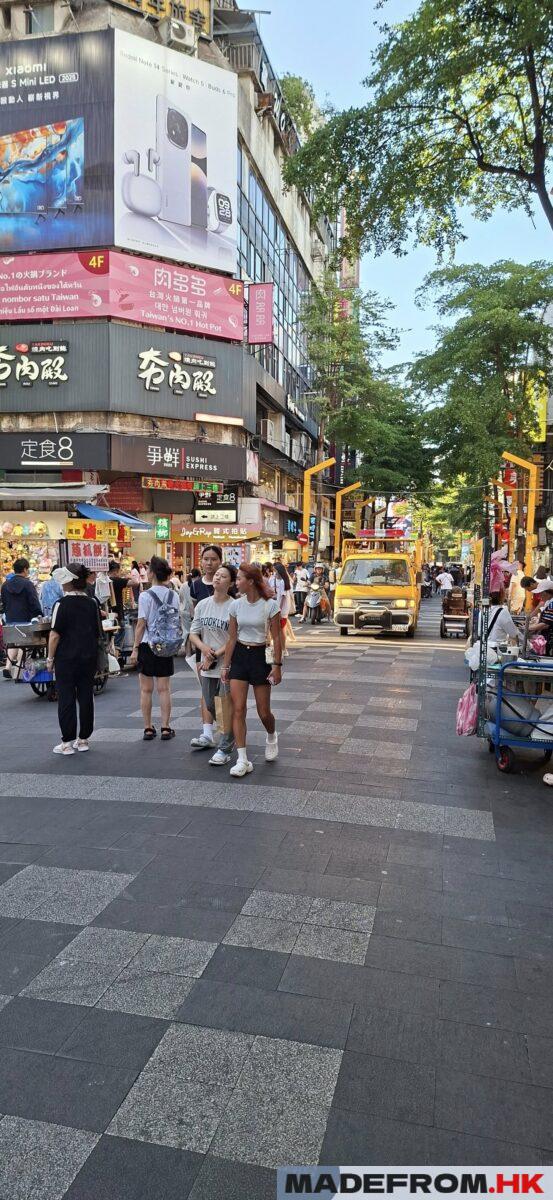
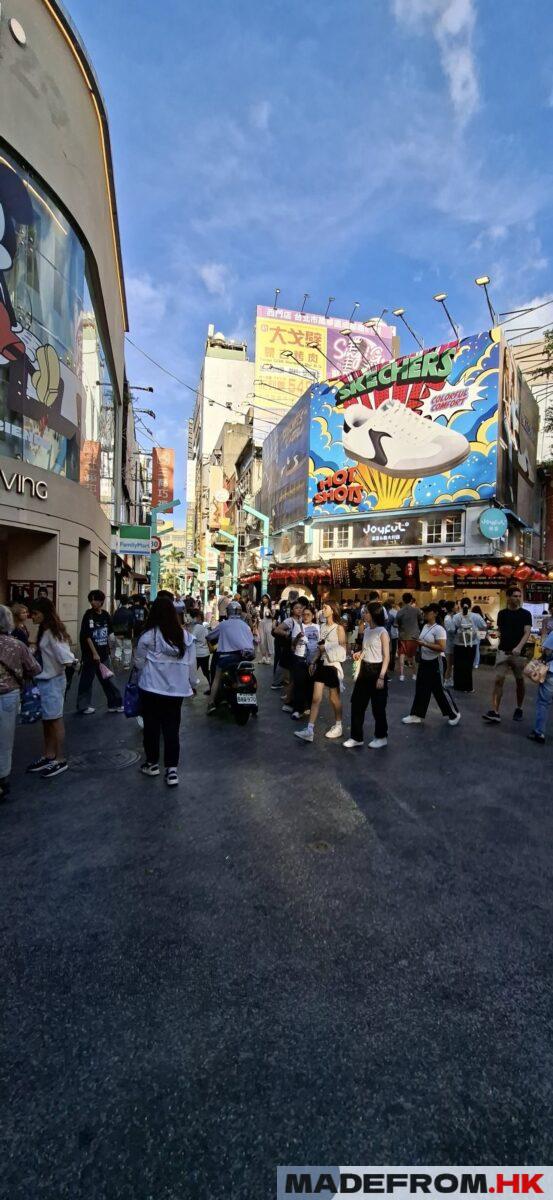
此外,西門町還是一個購物天堂。無論是國際品牌、潮流服飾還是個性化手工藝品,這裡的商店琳琅滿目,讓人流連忘返。年輕設計師的作品在這裡得到充分展示,也吸引了許多追求獨特風格的消費者。
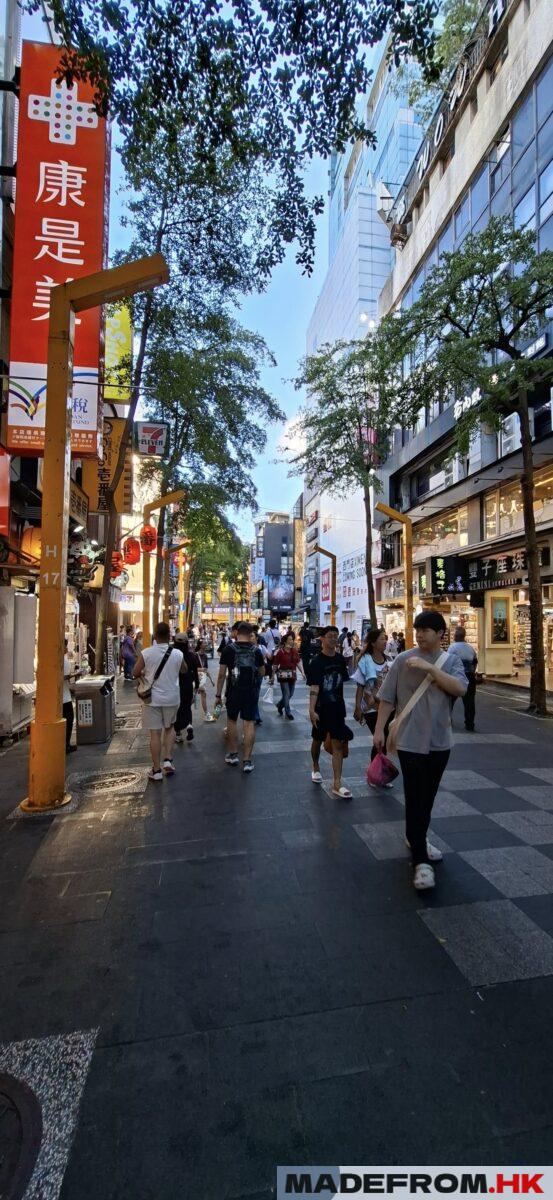
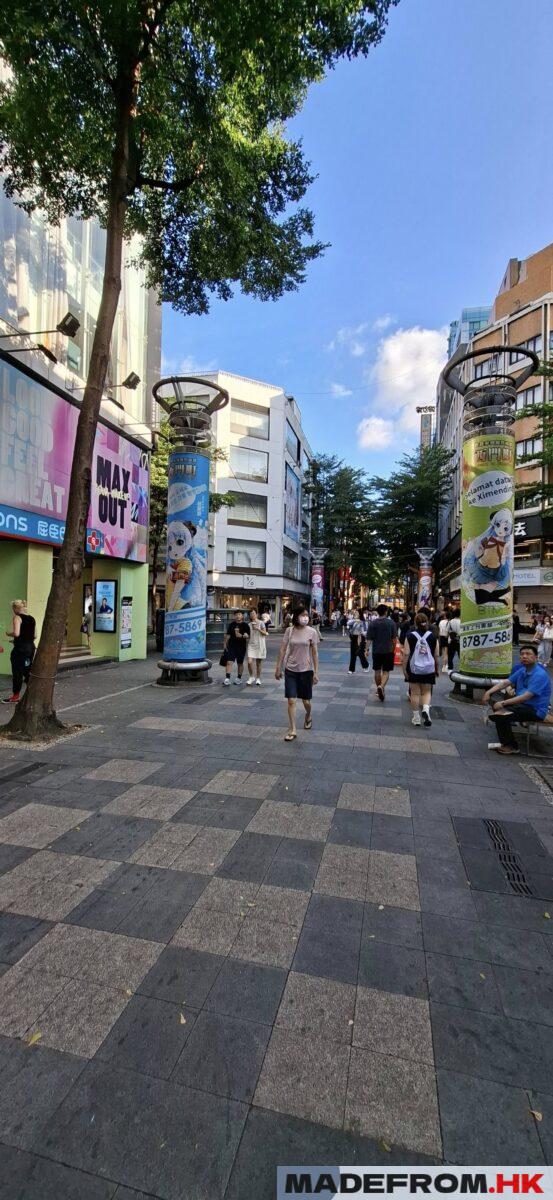
總結而言,西門町不僅是台灣文化與潮流的交匯之地,更是一個適合探索、體驗和感受台北活力的絕佳場所。如果你計劃造訪台灣,千萬不要錯過這個充滿魅力的地標,它將為你的旅程增添無限精彩。
English Version
Ximending is often described as the beating heart of Taipei’s youth culture—a place where trends are born, identities are expressed, and the city’s creative energy finds its most vivid form. Located in the Wanhua District, this pedestrian-friendly area has evolved over more than a century, transforming from a commercial entertainment zone into a dynamic cultural landmark that continues to redefine itself with each generation.
The story of Ximending begins during the Japanese colonial period in the early 20th century. At that time, the district was developed as a planned entertainment area inspired by Tokyo’s Asakusa. It quickly became a popular destination for theaters, teahouses, and shopping streets, earning a reputation as one of Taiwan’s earliest leisure districts. The presence of cinemas played a particularly important role, establishing Ximending as the center of film culture in Taipei for decades.
As Taiwan transitioned through different historical periods, Ximending adapted accordingly. During the mid-20th century, it flourished as a commercial hub filled with department stores, cafes, and entertainment venues. However, like many urban districts, it experienced a period of decline before undergoing revitalization in the late 1990s. The transformation into a pedestrian zone marked a turning point, allowing the area to re-emerge as a vibrant space for street culture, performance, and youth expression.
Today, Ximending is a kaleidoscope of sights and sounds. Neon lights illuminate the streets at night, while colorful storefronts, street art, and live performances create an atmosphere that feels both spontaneous and curated. It is a place where fashion trends are tested, music is performed in the open, and social movements often find a voice. The district’s diversity is one of its defining characteristics—local boutiques sit alongside international brands, while traditional snacks coexist with global cuisine.
One of the most striking aspects of Ximending is its role as a cultural melting pot. It attracts not only local youth but also international visitors, artists, and subcultures. Cosplayers, street dancers, and independent musicians frequently gather here, turning public spaces into stages of creativity. This organic cultural exchange gives Ximending a sense of authenticity that cannot be replicated through design alone.
Architecturally, the district reflects its layered history. While modern signage and contemporary storefronts dominate the streetscape, traces of the past remain visible in older buildings and hidden alleys. The famous Red House Theater stands as a reminder of the area’s historical roots, bridging the gap between heritage and modern cultural expression. This coexistence of old and new contributes to the district’s unique identity.
Beyond its visual appeal, Ximending represents a broader narrative about urban evolution. It demonstrates how cities can reinvent themselves while preserving elements of their history. The shift from a traditional commercial district to a pedestrian-centered cultural hub highlights the importance of human-centered urban planning. By prioritizing walkability and public interaction, Ximending has become a space where people do not simply pass through but actively participate.
The district also plays a significant role in shaping Taipei’s global image. For many visitors, Ximending serves as an introduction to the city’s contemporary culture. Its energy, diversity, and openness reflect the character of Taipei itself—modern yet rooted, fast-paced yet deeply human. Whether it is through food, fashion, or performance, Ximending offers a sensory experience that captures the essence of urban life in Taiwan.
In essence, Ximending is not just a destination; it is an experience. It is a place where the past echoes through historic structures, while the present unfolds in vibrant, ever-changing forms. As trends evolve and cultures intersect, Ximending continues to stand at the forefront of Taipei’s cultural landscape, embodying the spirit of a city that never stops reinventing itself.
總結
西門町以其多元文化與街頭活力,成為台北最具代表性的潮流地標,融合歷史與創新,持續展現城市不斷變化的文化魅力。
Ximending remains a defining symbol of Taipei’s cultural identity, where history and modern creativity blend seamlessly into a lively and ever-evolving urban experience.