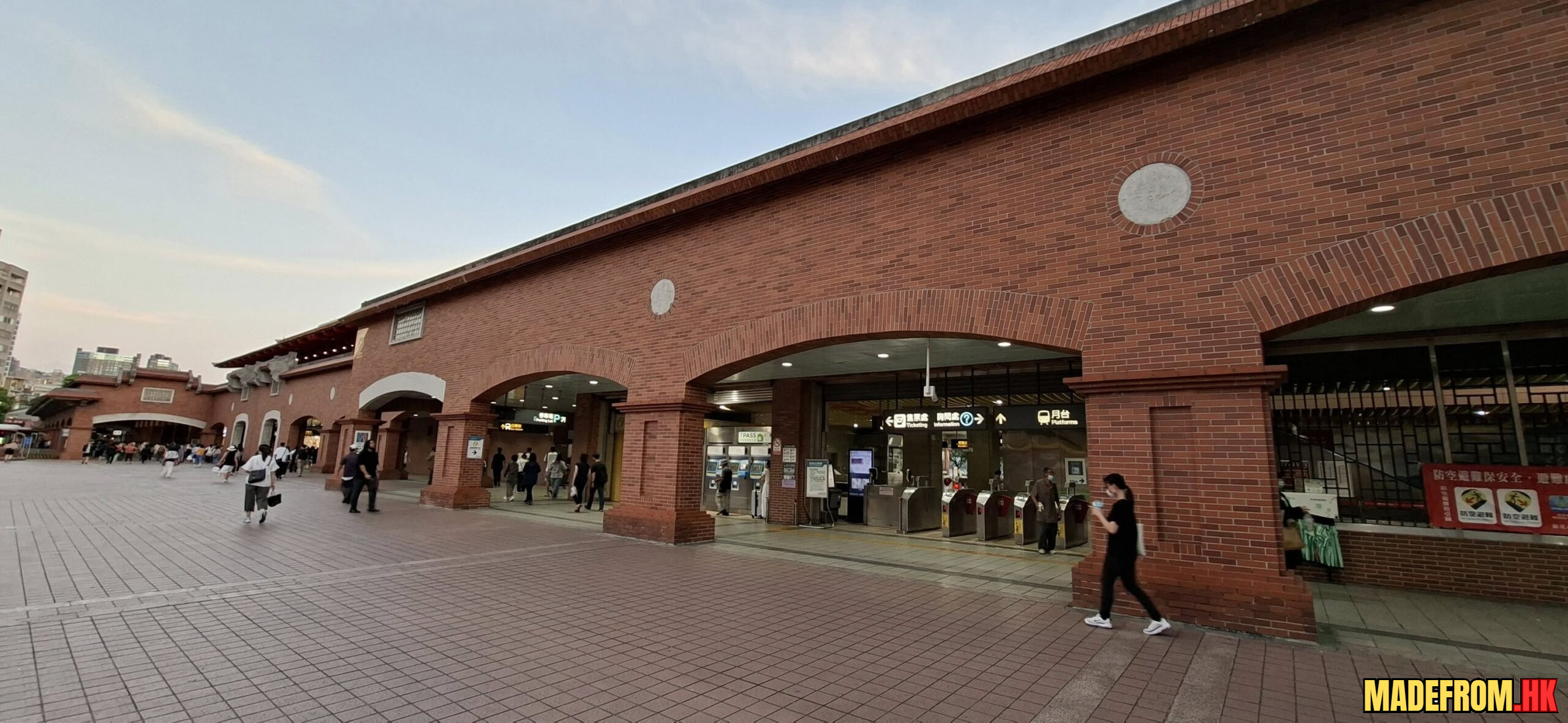
台灣淡水,是一個充滿歷史與文化的地方,位於新北市的西北端,靠近淡水河出海口。這裡不僅自然景色優美,更擁有豐富的歷史背景,是遊客和本地居民都喜愛的旅遊熱點。
Tamsui, located northwest of Taipei, blends riverside scenery with coastal heritage. Once a key trading port, it has evolved into a cultural destination rich in history, atmosphere, and scenic beauty.
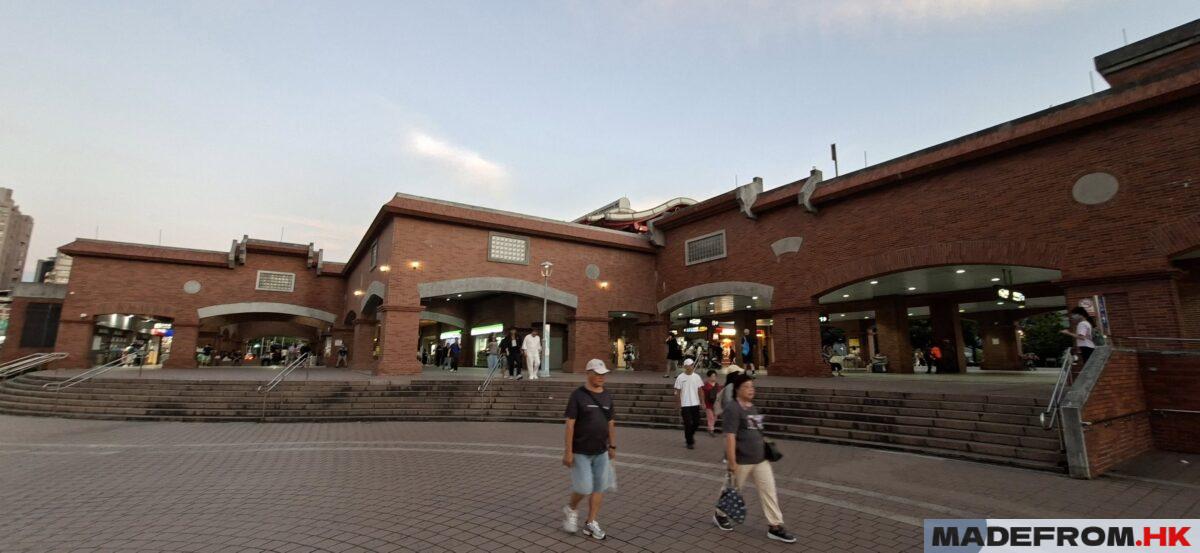
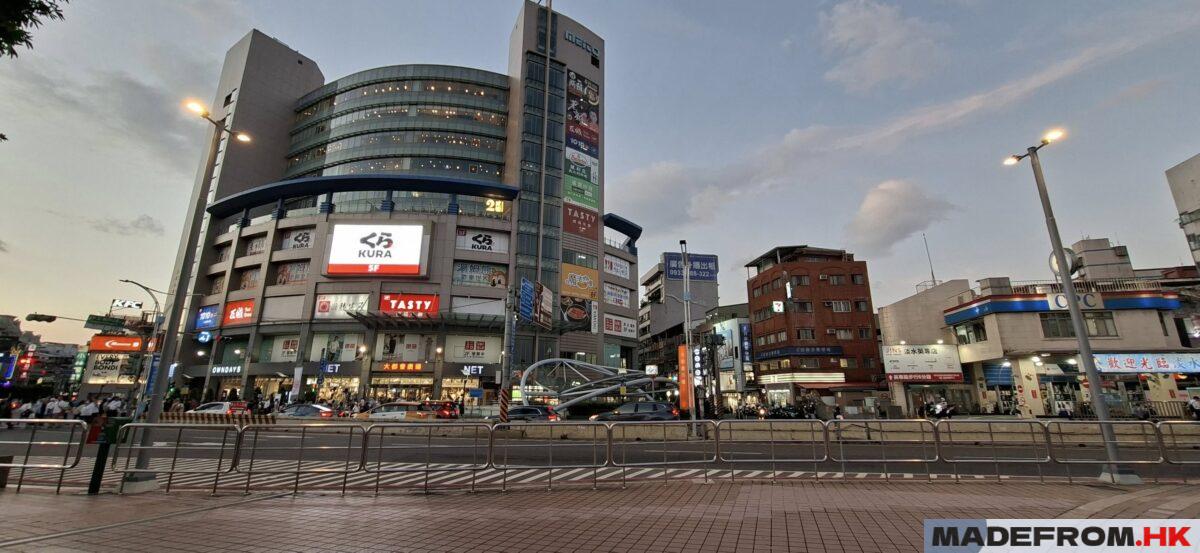
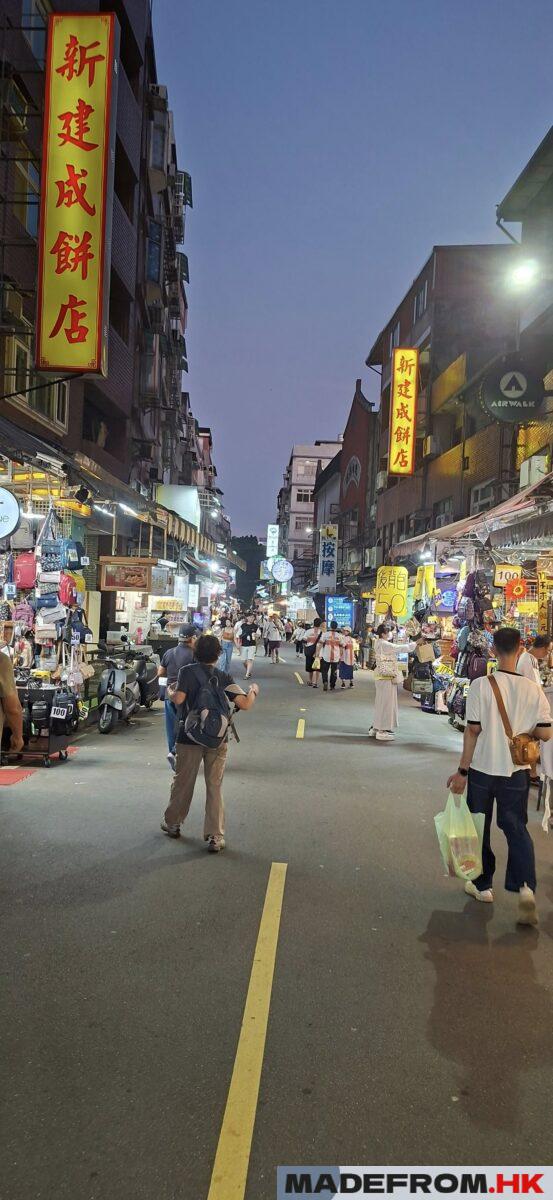
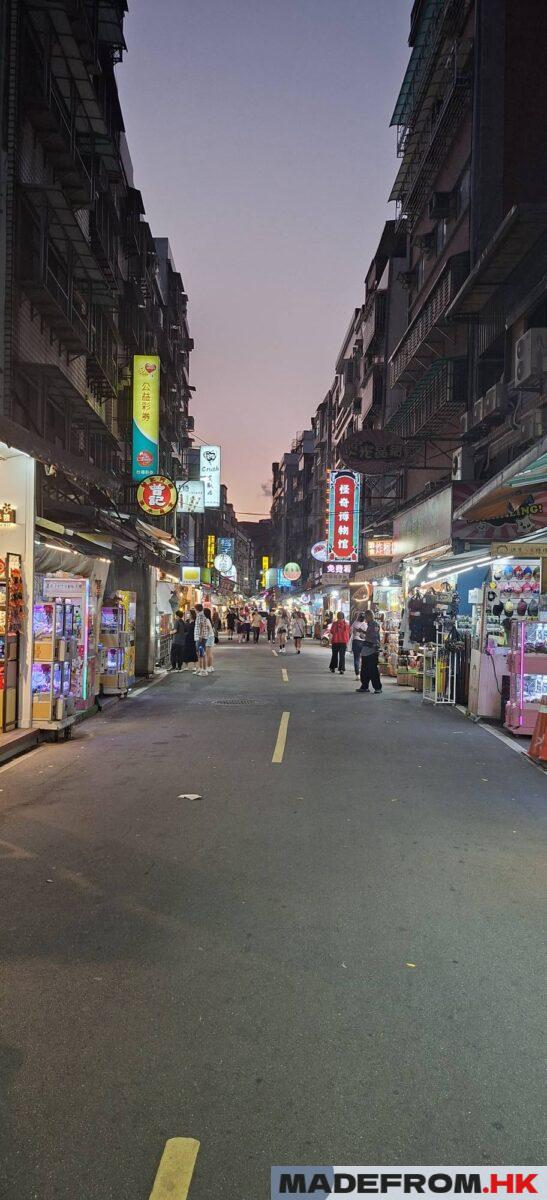
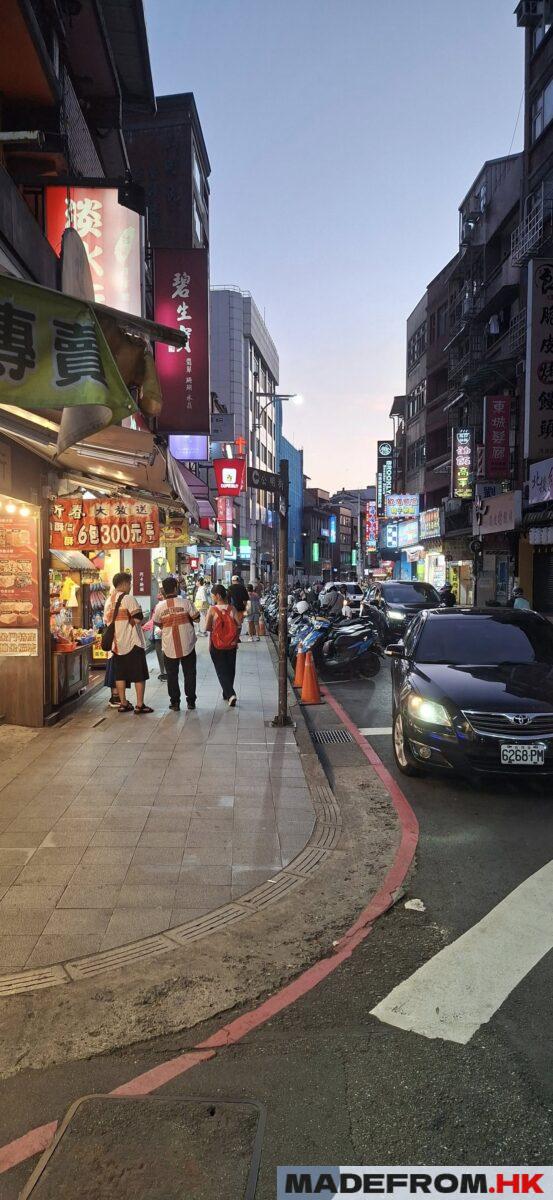
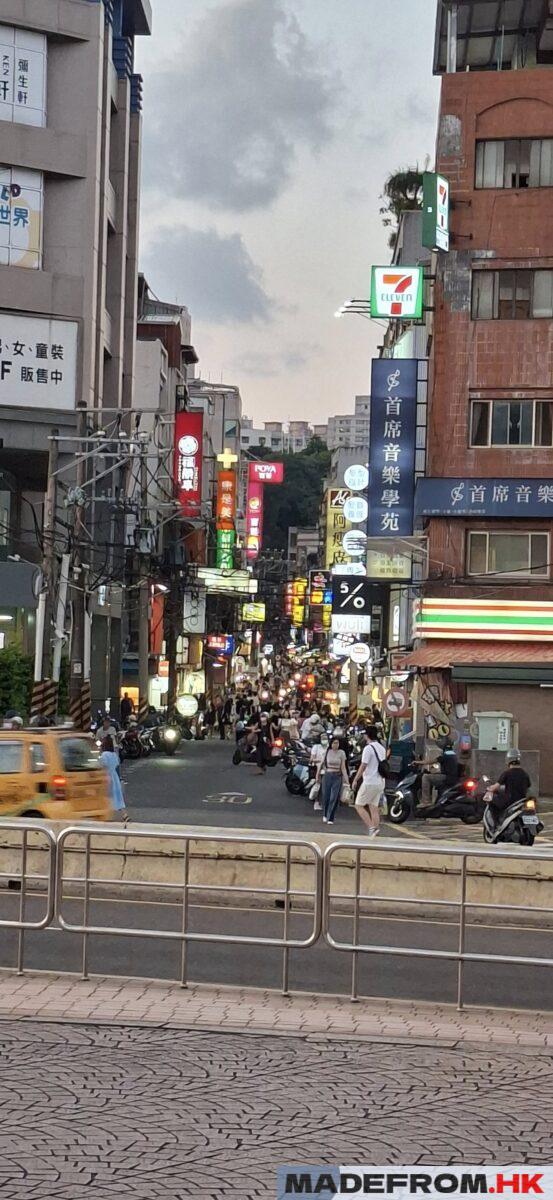
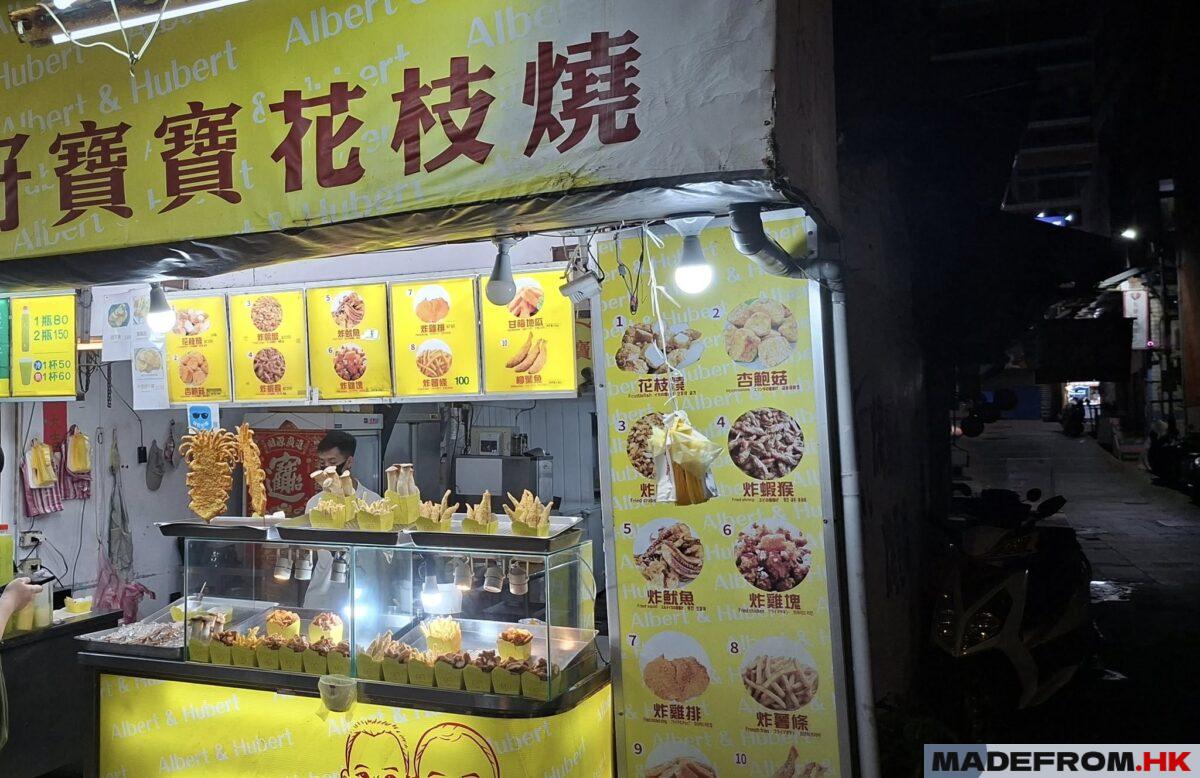
淡水最具代表性的景點之一是淡水老街。漫步於老街,您可以感受到濃厚的懷舊氣息,街道兩旁林立著各式各樣的小店,販賣傳統小吃、手工藝品及特色商品。著名的阿給(油豆腐包粉絲)、魚丸湯和鐵蛋等小吃,無不讓人垂涎欲滴。這些地道美食,充分展現了台灣飲食文化的多樣性。
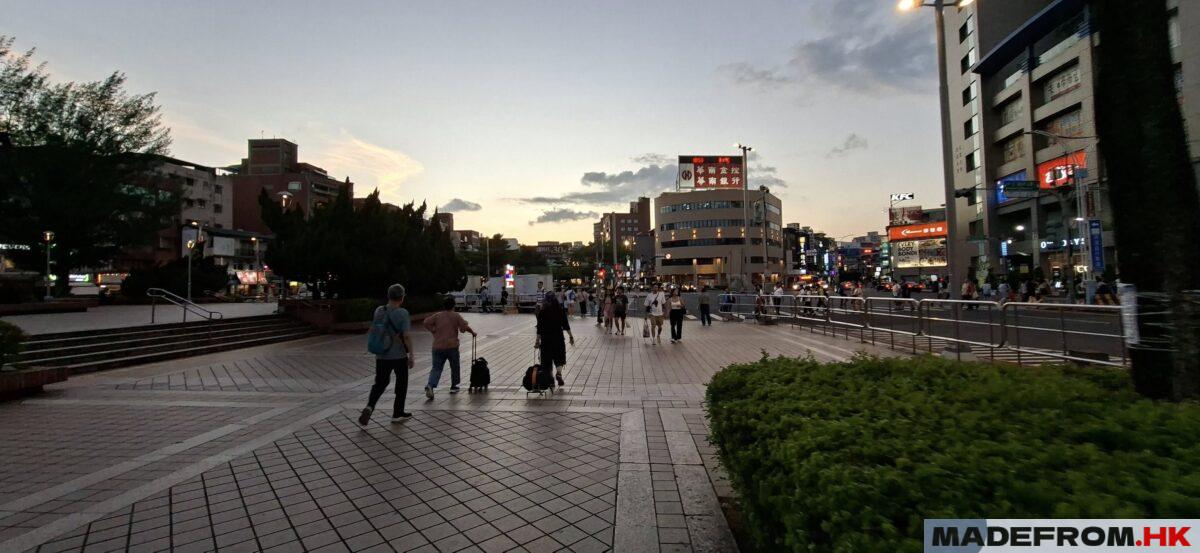
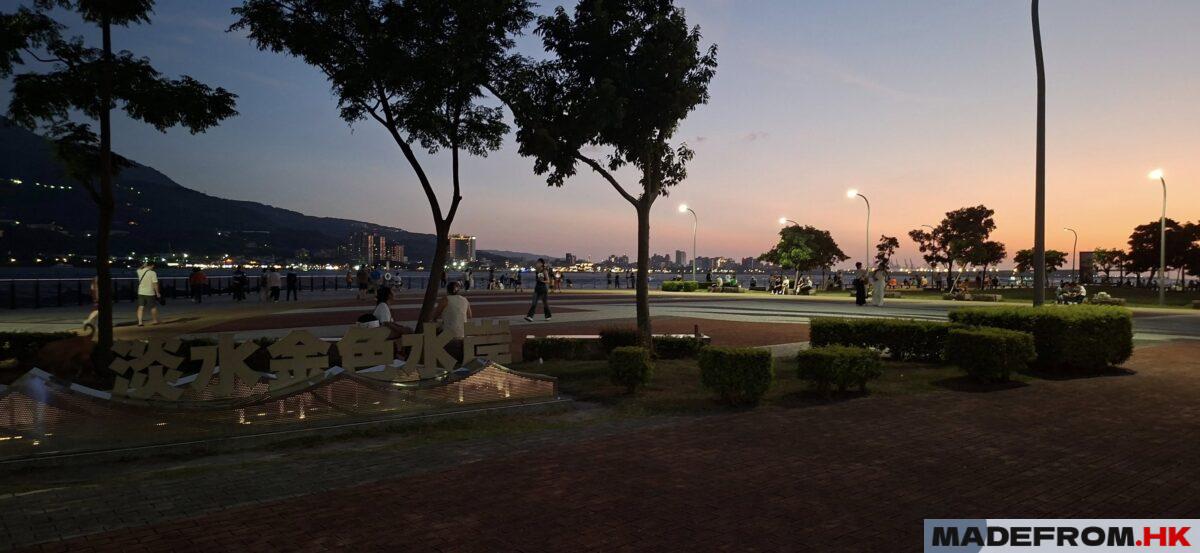
除了美食,淡水的自然風光亦不容錯過。淡水河畔是觀賞日落的絕佳地點,每當夕陽西下,河面被染成一片金黃,景色令人陶醉。此外,您還可以搭乘渡輪前往對岸的八里,感受另一種悠閒的氛圍。
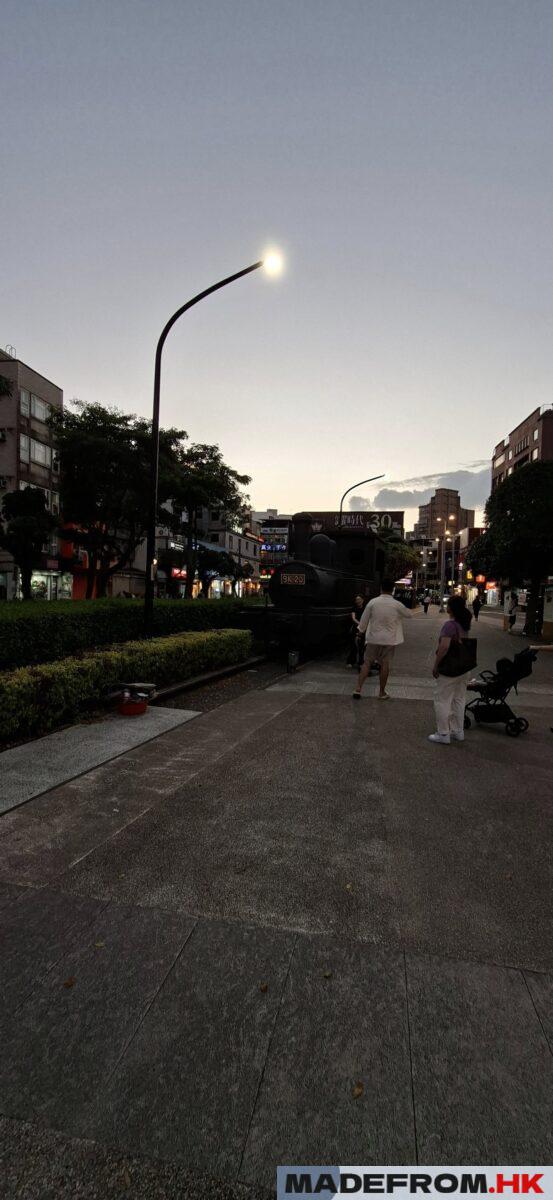
歷史愛好者則可前往紅毛城及真理大學等地一探究竟。紅毛城建於17世紀,是台灣現存最古老的西式建築之一,見證了台灣的殖民歷史。而真理大學則以其典雅的建築風格和悠久的教育傳承聞名,是拍攝婚紗照及電影場景的熱門地點。
最後,如果時間允許,不妨到訪漁人碼頭。這裡以情人橋和夜景聞名,無論是白天還是晚上,都有不同的浪漫魅力。特別是在夜幕降臨時,碼頭燈光映照下的橋樑與海景相輝映,成為攝影愛好者的天堂。
English Version
Tamsui is a place where geography and history converge to shape a uniquely atmospheric corner of northern Taiwan. Situated at the mouth of the Tamsui River where it meets the Taiwan Strait, this district has long served as a gateway—both physically and culturally—between the island and the wider world. Its layered identity reflects centuries of trade, colonization, and local life, all set against a backdrop of expansive waterfront views and shifting light.
The historical significance of Tamsui dates back to the 17th century, when Spanish and later Dutch colonial powers recognized its strategic importance. Fortifications were established to control maritime routes, marking the beginning of its role as an international trading outpost. In the 19th century, during the Qing Dynasty, Tamsui was opened as a treaty port, further accelerating its development. Merchants, missionaries, and diplomats arrived, leaving behind architectural and cultural traces that still define the area today.
One of the most iconic features of Tamsui is Fort San Domingo, a structure that has undergone multiple transformations under different regimes. Originally built by the Spanish and later reconstructed by the Dutch, it eventually came under British control, serving as a consulate. Its red-brick walls and elevated position overlooking the river symbolize the layered colonial history that characterizes Tamsui. Nearby, the former residences and mission buildings reflect the influence of Western presence, blending with local traditions in subtle yet lasting ways.
As trade routes shifted and modern ports developed elsewhere, Tamsui gradually lost its prominence as a commercial hub. However, rather than fading into obscurity, it transitioned into a cultural and recreational destination. The old streets, once filled with merchants and cargo, are now lined with food stalls, souvenir shops, and cafes. Visitors stroll along the waterfront promenade, experiencing a slower pace that contrasts with the intensity of central Taipei.
The natural environment plays a crucial role in defining Tamsui’s character. The meeting of river and sea creates wide horizons and ever-changing skies, making sunsets here particularly renowned. Fishermen’s Wharf, with its long pier and iconic bridge, offers panoramic views that draw both locals and travelers. The interplay of light on water, combined with the gentle rhythm of waves, gives the area a contemplative quality that sets it apart from urban districts.
Culturally, Tamsui is rich with stories of exchange and adaptation. Local traditions coexist with influences brought by foreign traders and missionaries. This blending is evident not only in architecture but also in cuisine and daily life. Street foods unique to the area reflect both local ingredients and historical interactions, offering a sensory connection to the past.
Tamsui also holds an important place in Taiwan’s cultural memory. It has inspired writers, artists, and filmmakers who are drawn to its nostalgic atmosphere and scenic landscapes. The district’s ability to preserve its historical essence while embracing tourism demonstrates a delicate balance between conservation and change.
In recent years, efforts to enhance infrastructure and accessibility have made Tamsui even more welcoming. Improved transportation links connect it seamlessly to Taipei, allowing visitors to experience a different facet of the region within a short journey. Despite these developments, the area retains a sense of openness and calm, offering a retreat from the fast-paced city life.
Ultimately, Tamsui is defined by its transitions—between river and sea, past and present, movement and stillness. It is a place where history is not confined to monuments but lives on in the landscape, the streets, and the everyday rhythms of life.
總結
淡水融合港口歷史與自然景觀,從通商重鎮轉變為文化與旅遊據點,展現河海交會下的獨特城市氣質與時間層次。
Tamsui embodies a seamless blend of history and landscape, evolving from a key trading port into a scenic cultural destination shaped by the meeting of river and sea.