在澳門眾多歷史地標之中,聖保祿大教堂遺址無疑是最具象徵性的存在之一。它不僅是旅客必訪的景點,更是城市歷史的縮影。從昔日宏偉教堂到今日僅存的石砌立面,這座遺址承載著宗教、文化與時代變遷的痕跡,靜靜訴說著澳門數百年的故事。
Among Macau’s many historic landmarks, the Ruins of St. Paul’s stands as one of its most iconic symbols. More than a tourist attraction, it represents a condensed narrative of the city’s past. From a once-grand church to a surviving stone façade, the site embodies layers of religion, culture, and transformation across centuries.
中文
聖保祿大教堂的歷史可以追溯至十七世紀,當時澳門正處於東西文化交流的重要節點。這座教堂由傳教士與工匠共同建造,融合了歐洲文藝復興風格與東方工藝元素,成為當時亞洲最具規模的天主教建築之一。它不僅是一個宗教場所,更是教育與文化交流的重要中心。
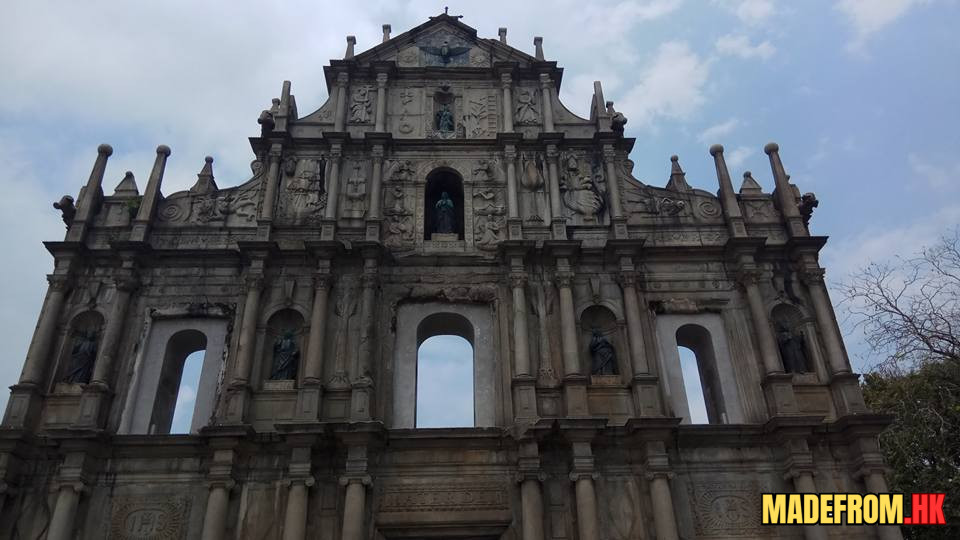
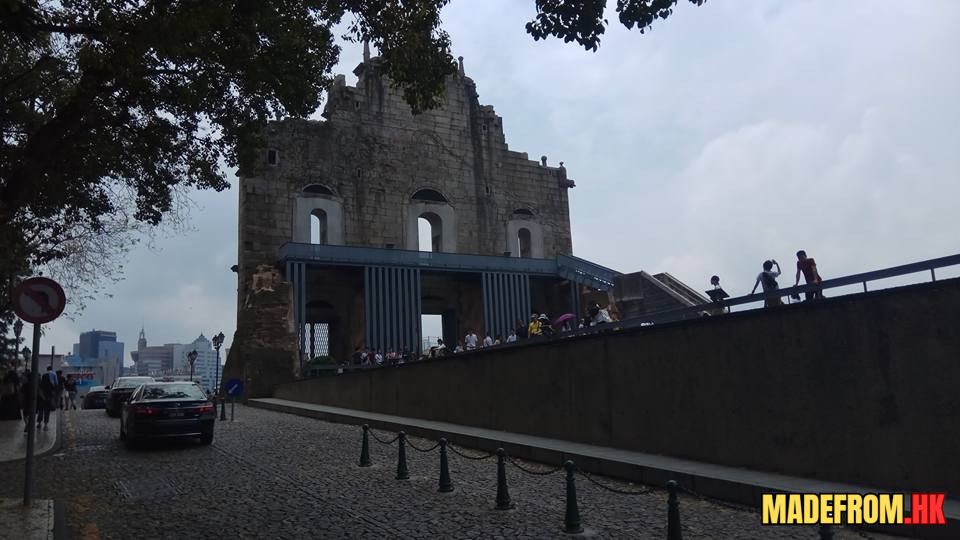
然而,歷史的變遷往往帶來不可預測的轉折。十九世紀的一場大火摧毀了整座建築,只留下今日所見的正面石壁與階梯。這種「殘存」的狀態,反而讓遺址擁有一種獨特的視覺力量——它既是存在的證明,也是消逝的象徵。
這面石壁的設計極為精緻,細節之中蘊含豐富的象徵意義。雕刻圖案融合宗教元素與東方符號,展現出當時文化交融的特徵。例如天使、聖像與傳統裝飾並存,使整體視覺呈現出多層次的解讀空間。這種設計不僅反映宗教信仰,也體現了當時澳門作為文化交匯點的特殊地位。
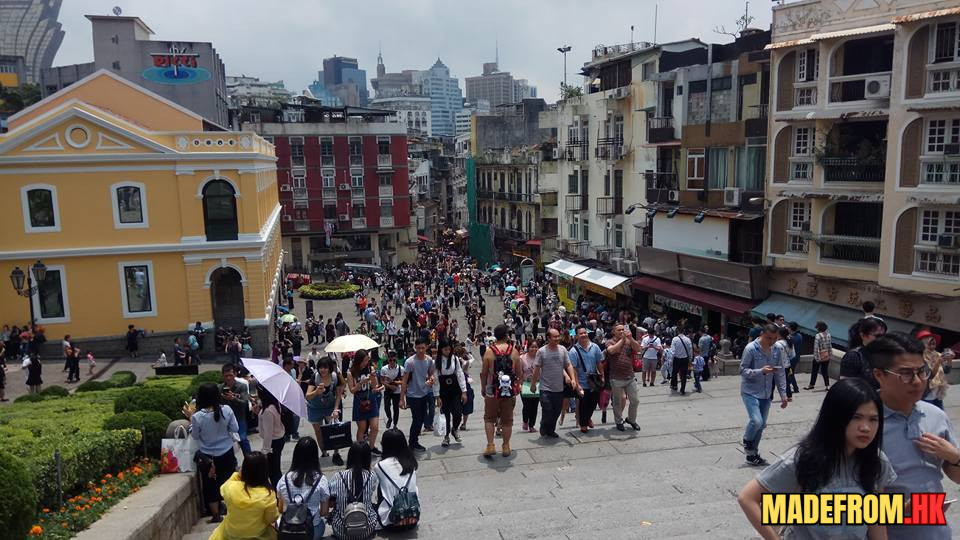
從城市空間的角度來看,聖保祿大教堂遺址已經超越了單純的歷史建築,成為一種公共記憶的載體。每天都有大量遊客聚集於此,拍照、停留、觀察,使這個地方持續被重新詮釋。它不再只是過去的遺跡,而是當下生活的一部分。
階梯的存在,亦為這個空間增添了層次感。人們從下方逐步走向遺址,這種動線不僅是物理上的移動,也帶有某種象徵意義——從現代城市走向歷史記憶。當站在石壁前,視線被集中於細節之中,時間彷彿在此刻變得緩慢。
與其他完整保存的建築相比,遺址的「不完整」反而更具想像空間。觀者可以在心中重構曾經的樣貌,思考它在不同時代中的角色。這種互動,使遺址不只是被觀看的對象,而是一種參與式的歷史體驗。
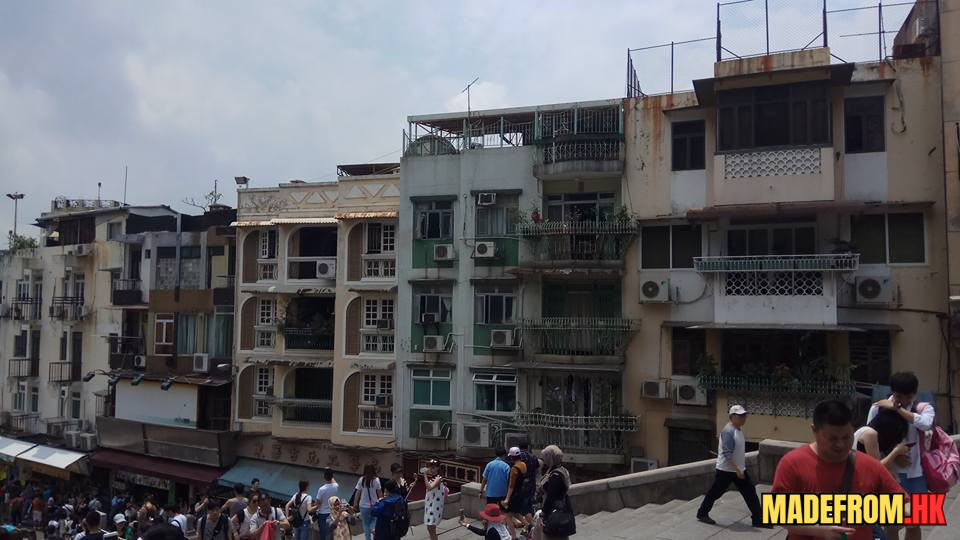
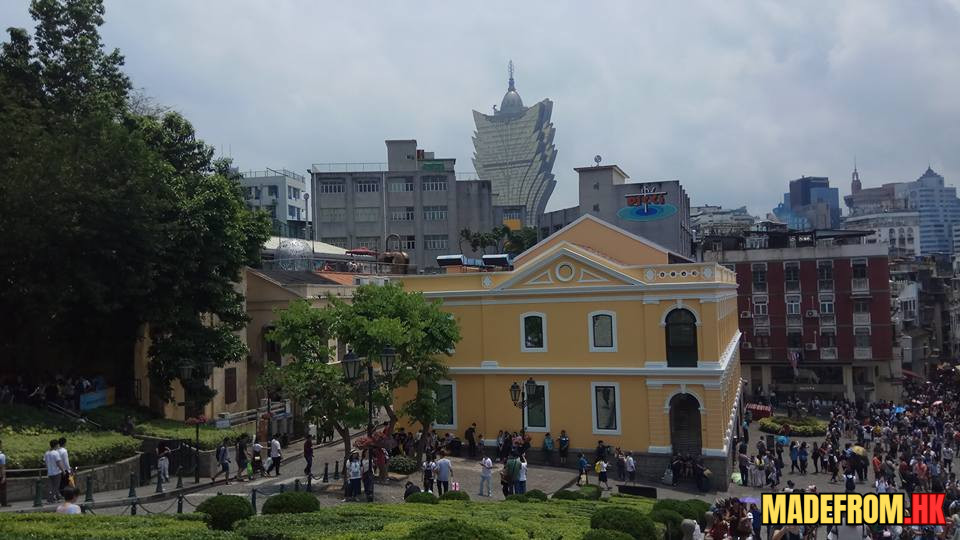
此外,聖保祿大教堂遺址所在的區域,本身也是澳門歷史文化的重要組成部分。周邊街道、建築與商業活動,共同構成一個多層次的城市場景。歷史與現代在此交錯,使整體氛圍既保留傳統,又充滿活力。
從文化角度來看,這座遺址象徵著澳門的多元性。它見證了宗教傳播、文化交流以及城市發展的過程。即使建築本身已不完整,其象徵意義卻更加突出,成為理解澳門歷史的重要入口。
對於旅客而言,聖保祿大教堂遺址或許是一個必訪地標;但若深入觀察,它所提供的不只是視覺震撼,而是一種時間的厚度。這種厚度,使人們在短暫停留之中,也能感受到歷史的延續。
English Version
The Ruins of St. Paul’s trace their origins back to the early 17th century, when Macau stood at a crossroads of global exchange. Built by missionaries and skilled artisans, the church once represented one of the most significant Catholic structures in Asia. Its design blended European Renaissance architecture with local craftsmanship, reflecting a unique cultural synthesis.
The story of the site took a dramatic turn in the 19th century when a fire destroyed most of the complex, leaving behind only the grand façade and the iconic staircase. What remains today is not merely a fragment, but a powerful visual statement—simultaneously a reminder of what once stood and what has been lost.
The façade itself is rich in symbolic detail. Carvings depict religious figures alongside motifs that reveal Eastern influences, creating a layered visual narrative. These elements are not decorative alone; they communicate the cultural dialogue that defined Macau during that period. The structure becomes a text—one that can be read through observation.
In contemporary Macau, the site has evolved into more than a historical remnant. It functions as a shared space of memory and interaction. Visitors gather, take photographs, and engage with the setting, continuously redefining its meaning. The ruins are no longer fixed in the past; they exist dynamically within the present.
The staircase leading up to the façade plays a crucial role in shaping the experience. The gradual ascent creates a transition—from the busy urban environment below to a space that feels more reflective. This movement is not only physical but also psychological, guiding visitors into a different mode of perception.
Unlike fully preserved monuments, the incomplete nature of the ruins invites imagination. Without a roof or interior, the structure becomes open-ended. Visitors are encouraged to mentally reconstruct the original building, engaging with history in a more personal way. This absence becomes a form of presence.
The surrounding district further enriches the experience. Narrow streets, nearby buildings, and commercial activity form a layered environment where past and present coexist. The ruins do not stand in isolation; they are embedded within a living city.
Culturally, the Ruins of St. Paul’s symbolize Macau’s identity as a place of convergence. They reflect the intersection of religion, trade, and cultural exchange. Even in their fragmented state, they hold a strong narrative power, offering insight into the city’s historical trajectory.
For visitors, the site may initially appear as a must-see landmark. Yet beyond its iconic image lies a deeper experience—one shaped by time, memory, and interpretation. The ruins encourage a slower way of seeing, where history is not just observed but felt.
總結
聖保祿大教堂遺址不僅是歷史的見證,更是城市記憶的象徵。在殘存與重構之間,它讓人重新思考時間與文化的意義。
The Ruins of St. Paul’s are more than remnants of the past—they are symbols of memory and continuity. Between loss and preservation, they invite reflection on time and culture.