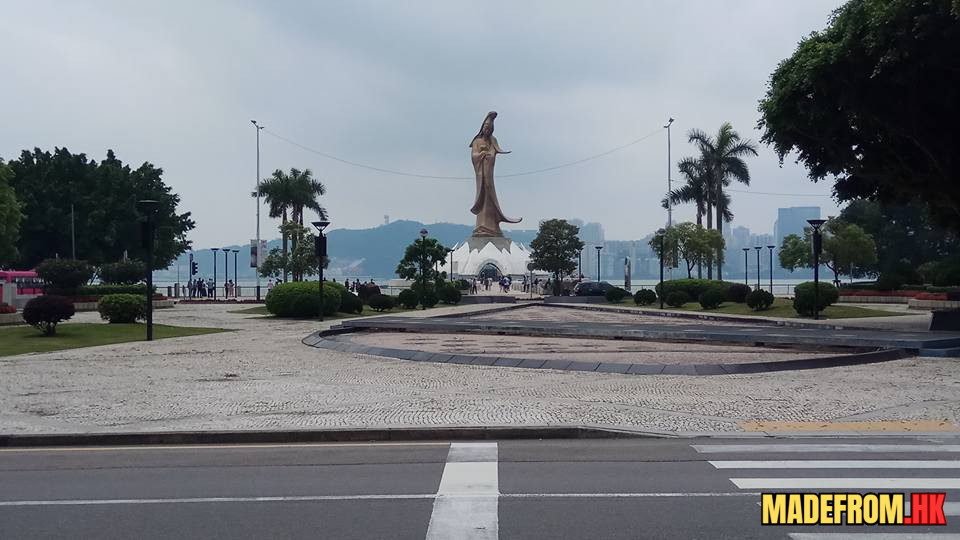
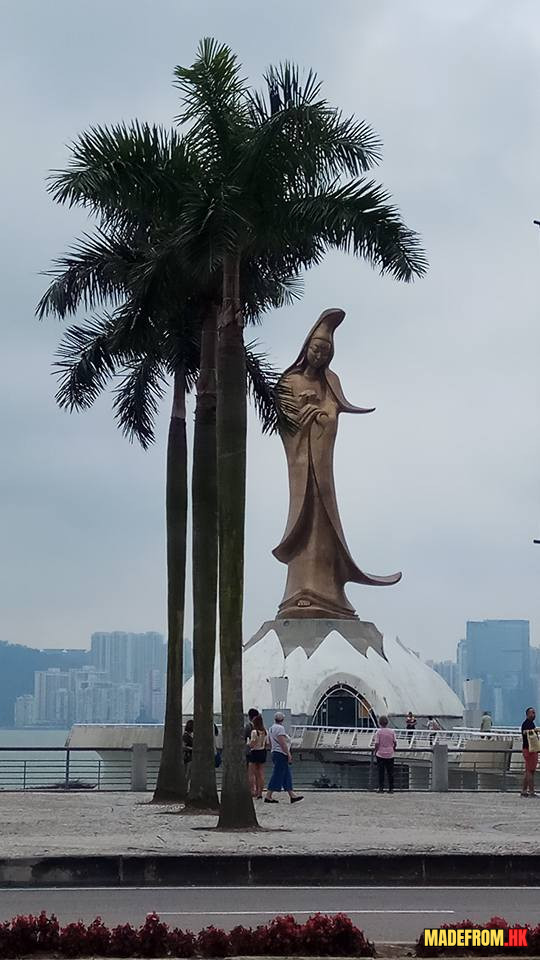
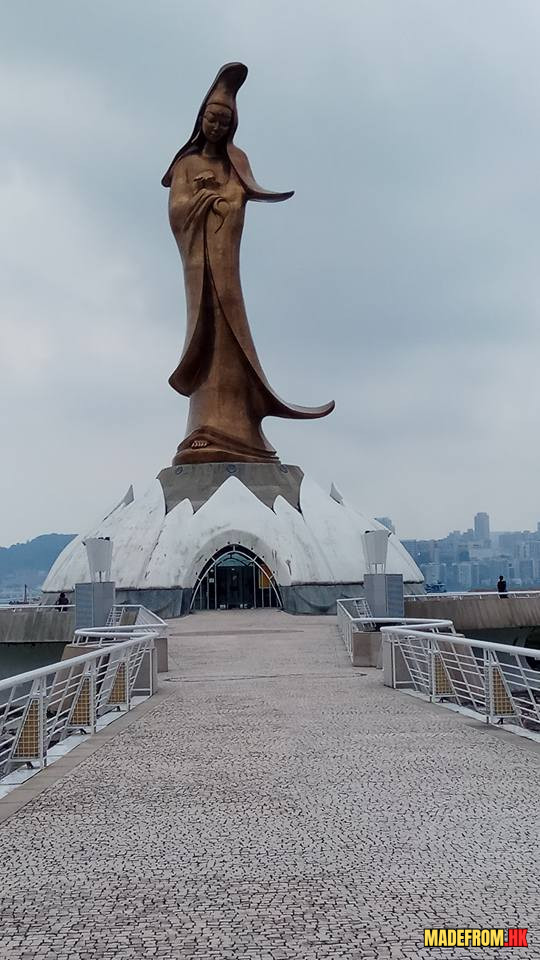
在澳門這座融合中西文化的城市中,宗教元素並不張揚,卻深深融入日常生活。觀音像便是其中一種最常見、卻也最容易被忽略的存在。它們分散於街角、公園與建築之間,不僅象徵信仰,也承載著人們對平安與安定的寄望,靜靜地構成城市的一部分。
In Macau, a city shaped by the blending of Eastern and Western cultures, religious elements are rarely loud but deeply embedded in everyday life. Guan Yin statues are among the most visible yet overlooked symbols. Scattered across streets, parks, and quiet corners, they represent more than belief—they reflect a shared desire for peace and protection, quietly becoming part of the city’s rhythm.
中文
澳門的觀音像,並不像大型宗教建築那樣集中或明顯,它們往往出現在城市的縫隙之中:街道轉角、小型公園、甚至是住宅附近的開放空間。這種分散的存在方式,使觀音像不只是宗教象徵,更像是日常生活的一部分,與城市節奏自然融合。
觀音在華人文化中代表慈悲與救苦,這種形象經過長時間的文化累積,已經超越單純宗教意義,成為一種普遍的精神象徵。在澳門這樣的城市,觀音像的出現往往不需要宏大的背景或儀式,它們的存在本身,就已經足夠傳遞一種安定與守護的感覺。
如果細心觀察,會發現不同地點的觀音像各具特色。有些設於公園之中,與綠意結合,形成一種自然與精神並存的空間;有些則位於街道旁,與車流、人流形成對比;也有一些藏於較不起眼的位置,只有熟悉當地的人才會注意到。這種多樣性,使每一尊觀音像都帶有獨特的場域感。
這些觀音像的存在,也反映出澳門城市發展的另一面。作為一個歷史悠久的港口城市,澳門長期處於文化交匯之中。不同信仰在此共存,而觀音作為華人社會中重要的精神象徵,自然成為城市景觀的一部分。即使在高度現代化的環境中,這些傳統元素仍然沒有被完全取代,而是以更低調的方式延續。
對居民而言,觀音像並不一定是需要特意前往的地方。更多時候,它們是日常路徑中的一部分:經過時的一眼注視、短暫的停留,甚至只是心中的一個念頭。這種非儀式化的互動,使觀音像的意義更加貼近日常,而非遙遠的宗教象徵。
從空間角度來看,觀音像所在的位置通常具有某種「緩衝」作用。它們讓城市中原本緊湊的節奏出現短暫的停頓,形成一種心理上的過渡。這種過渡並不明顯,但卻能讓人產生一種放鬆的感覺。這也是為什麼即使沒有宗教信仰的人,也能在這些地方感受到平靜。
此外,觀音像也為城市提供了一種視覺上的柔和元素。在鋼筋水泥與現代建築之間,這些雕像帶來不同的材質與形態,讓空間更具層次。當光線隨時間變化時,觀音像的表情與周圍環境也會產生微妙的變化,使整體氛圍更加豐富。
對於旅客而言,這些觀音像或許不是旅遊指南上的重點,但正因如此,它們更能提供一種不同的觀看角度。當行程不再只是追逐著名地標,而是開始注意這些細微的存在,整個城市的感受也會隨之改變。旅遊從單純的觀看,轉變為一種更細緻的體驗。
從內容創作的角度來看,觀音像這樣的主題具有延展性。它可以連結宗教文化、城市空間、日常生活等多個層面,讓文章不只是介紹地點,而是提供一種理解城市的方式。這種內容,也更容易在眾多旅遊資訊中形成差異。
最終,觀音像的價值並不在於它是否宏偉,而在於它如何存在於城市之中。它們提醒人們,即使在快速變化的環境裡,仍然可以保留一種安靜與穩定的力量。
English Version
Guan Yin statues in Macau do not dominate the skyline or define major tourist routes. Instead, they are woven subtly into the city’s fabric—appearing in street corners, small parks, and quiet open spaces near residential areas. This dispersed presence transforms them from purely religious symbols into everyday companions within the urban environment.
In Chinese culture, Guan Yin embodies compassion and mercy. Over time, this symbolism has expanded beyond religious practice into a broader cultural understanding. In Macau, the presence of these statues does not rely on ceremony or scale. Their meaning is carried through quiet continuity rather than dramatic expression.
Each statue interacts differently with its surroundings. Some are placed within greenery, creating a gentle dialogue between nature and spirituality. Others stand beside busy roads, offering a striking contrast to movement and noise. A few remain hidden, known only to locals or those who take the time to explore more deeply. This diversity gives each location its own atmosphere.
The existence of Guan Yin statues also reflects Macau’s layered history. As a port city shaped by cultural exchange, Macau has long been a place where traditions coexist. While modern development has transformed much of the urban landscape, these statues remain as subtle anchors to cultural memory. They do not resist change but adapt within it.
For residents, these statues are rarely destinations. They are part of routine—seen in passing, acknowledged briefly, or simply felt without conscious attention. This informal relationship removes the distance often associated with religious objects and integrates them into daily life.
Spatially, the areas surrounding these statues often function as moments of pause. In a city defined by efficiency and movement, they introduce a different tempo. The shift is not dramatic, but it is perceptible. Even a brief moment near one of these statues can create a sense of calm, whether intentional or not.
Visually, Guan Yin statues add softness to the urban environment. Their forms contrast with the rigid geometry of modern buildings, introducing organic lines and human expression. As light changes throughout the day, so does the perception of these spaces, creating subtle variations that enrich the overall atmosphere.
For visitors, these statues may not appear in travel guides, but they offer a deeper layer of discovery. Moving beyond iconic landmarks allows for a more nuanced understanding of the city. Instead of consuming predefined highlights, exploration becomes observational and personal.
From a content perspective, this subject opens up multiple dimensions—religion, urban design, cultural continuity, and everyday experience. It shifts the narrative from “what to see” to “how to see,” encouraging a more reflective approach to travel and storytelling.
Ultimately, the significance of Guan Yin statues lies not in their scale but in their presence. They represent a quiet resilience—an ability to remain meaningful within a rapidly evolving city. In doing so, they remind us that stillness can exist even in the most dynamic environments.
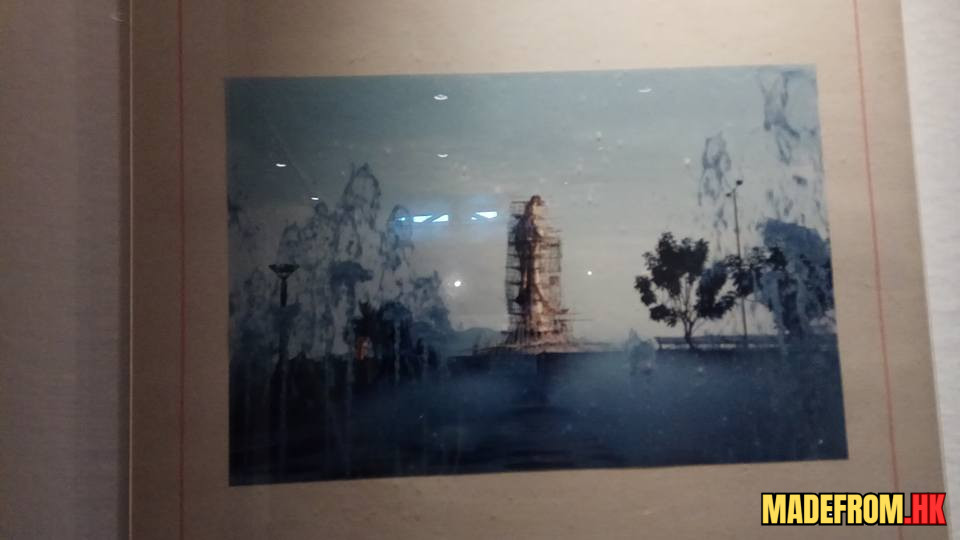
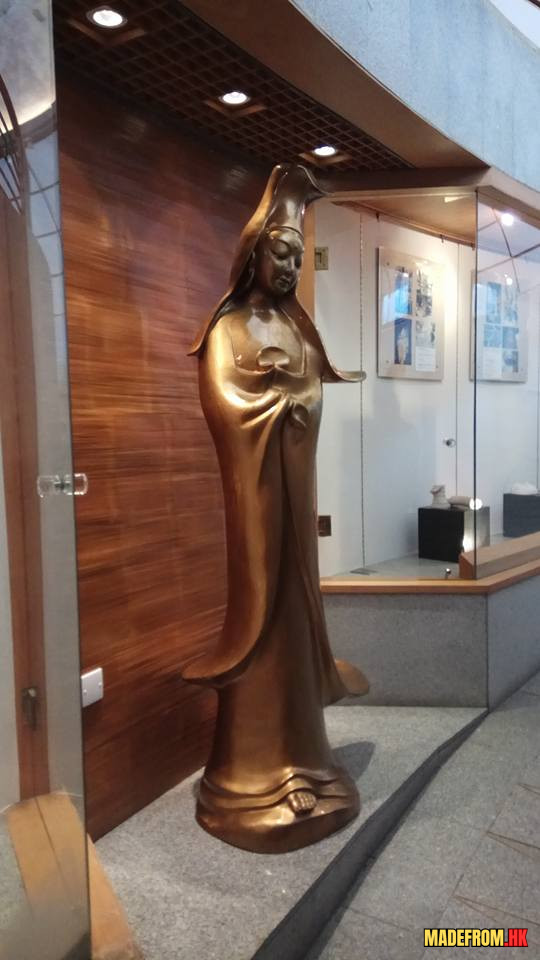
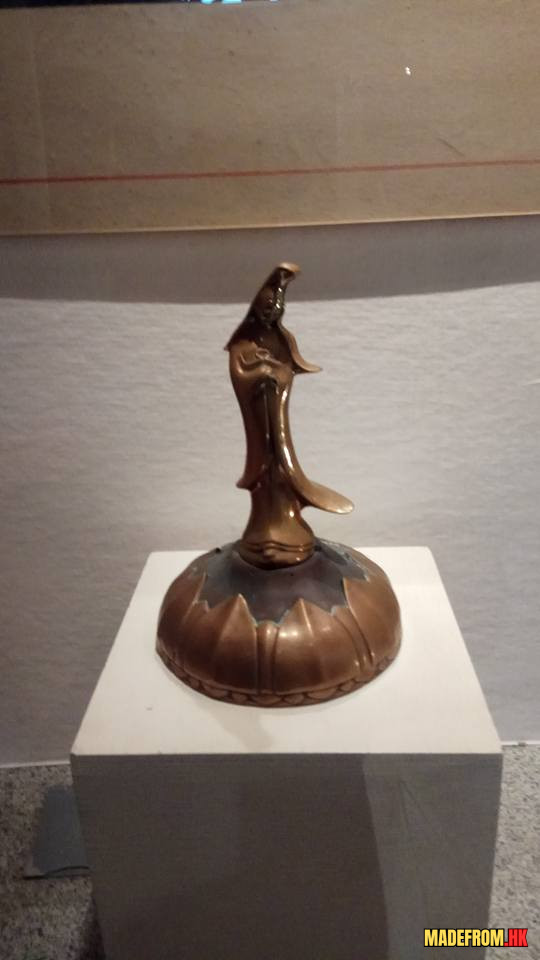
總結
觀音像散落於城市之中,看似不起眼,卻連結著文化、信仰與日常生活。當放慢腳步,這些細微之處便成為理解澳門的重要線索。
Guan Yin statues may seem subtle, but they connect culture, belief, and everyday life. When we slow down, they reveal a deeper way of understanding the city.