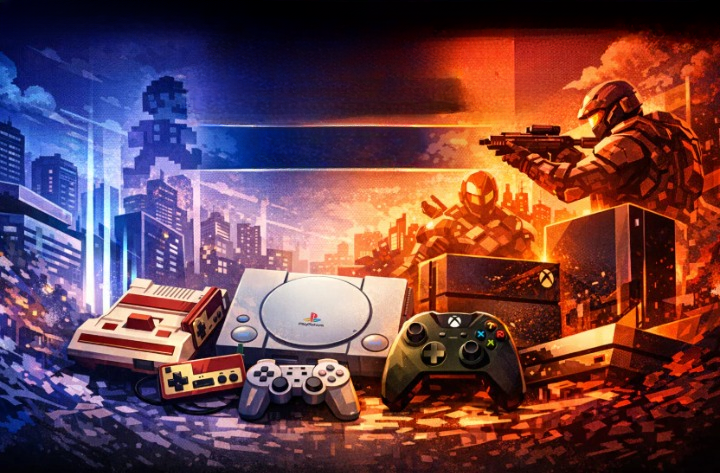
一款遊戲的誕生,並非單靠靈感,而是市場、技術與風險評估的結果,創意與商業之間需要精準平衡。
Game development is not driven by ideas alone. It is shaped by market trends, technical limits, and risk management, balancing creativity with business realities.
中文
遊戲公司如何決定要做什麼作品,其實是一個結合創意與現實的複雜決策過程,遠不只是「想到一個好點子」那麼簡單。首先,市場趨勢往往是最直接的影響因素,公司會觀察當前熱門類型,例如開放世界、生存遊戲或多人競技,因為這些類型已經證明有需求與盈利能力,能降低投資風險,但如果完全跟風,又容易導致產品同質化,因此公司需要在「跟隨市場」與「創造差異」之間取得平衡。其次是「公司定位」,不同公司有不同強項,例如有些擅長敘事,有些專注玩法,有些則強於技術表現,因此新作品通常會建立在既有能力之上,而不是完全重新開始,這樣可以提高成功機率並控制成本。第三個關鍵是「IP價值」,許多公司會選擇延續已有品牌,因為續作或改編作品擁有現成的受眾基礎,能大幅降低市場風險,但同時也限制了創新空間,因此如何在熟悉與新鮮之間取得平衡,是決策的重要考量。再來是「技術與平台」,不同平台有不同特性,例如主機、PC或手機,各自的操作方式與玩家習慣都不同,公司會根據目標平台來決定遊戲形式,例如是否需要強調畫面、操作精準度或碎片化體驗。除此之外,「預算與風險管理」也是核心因素,大型3A遊戲需要龐大資金與長時間開發,因此公司通常會選擇較安全的題材,而中小型團隊則可能更敢嘗試創新,因為成本較低、容錯空間更大。另一個重要元素是「數據分析」,現代遊戲公司會透過玩家行為數據、銷售數據甚至社群討論來判斷玩家喜好,這讓決策不再完全依賴直覺,而是更偏向數據驅動。除此之外,「創意願景」仍然不可忽視,許多成功作品其實來自設計師強烈的個人想法,例如想講一個故事、打造一種體驗或突破某種玩法限制,這些動機雖然風險較高,但一旦成功,往往能創造全新類型。最後,「時機」也是關鍵,推出時間是否避開競爭、是否配合硬體世代更替、甚至是否符合社會文化氛圍,都會影響作品的成功與否。綜合來看,遊戲公司的決策並不是單一因素決定,而是一個多層次的權衡過程,在市場需求、技術能力、品牌策略與創意理想之間尋找最佳交點,而真正成功的作品,往往正是那些在商業與創作之間找到平衡的結果。
English Version
Deciding what game to develop is a complex process that blends creativity with practical constraints, far beyond simply having a good idea. Market trends are often the most immediate influence, as companies closely monitor popular genres such as open-world, survival, or multiplayer competitive games because they have already demonstrated demand and profitability, reducing financial risk. However, blindly following trends can lead to oversaturation and lack of differentiation, so companies must balance familiarity with innovation. Another key factor is company identity. Different studios have distinct strengths, whether in storytelling, gameplay systems, or technical execution, and new projects are typically built upon these existing capabilities rather than starting from scratch, increasing efficiency and success rates. Intellectual property also plays a major role. Established franchises provide a built-in audience and reduce marketing risks, making sequels and adaptations attractive options, but they can also limit creative freedom, requiring careful balance between continuity and novelty. Technology and platform considerations further shape decisions. Each platform, whether console, PC, or mobile, comes with its own constraints and player expectations, influencing everything from control schemes to session length and visual fidelity. Budget and risk management are equally critical. Large AAA productions require massive investments and long development cycles, pushing companies toward safer concepts, while smaller studios can afford to experiment due to lower costs and higher flexibility. Data analysis has become increasingly important in modern game development. Companies now rely heavily on player behavior data, sales metrics, and community feedback to guide decisions, making the process more data-driven rather than purely intuitive. Despite this, creative vision remains essential. Many groundbreaking games originate from strong personal ideas, such as telling a unique story, creating a new type of experience, or redefining gameplay mechanics. These projects carry higher risks but also the potential for major innovation. Timing is another crucial factor. Release windows, competition, hardware cycles, and even cultural context can significantly affect a game’s success. Ultimately, the decision of what to create is not driven by a single factor but by a careful balance between market demand, technical capability, brand strategy, and creative ambition. The most successful games are often those that find the perfect intersection between business and creativity.