香港電視動畫粵語配音文化|經典聲優與港式動畫魅力解析 | Cantonese Dubbing Culture in Hong Kong TV Anime: Voices That Defined a Generation | 動漫遊 041
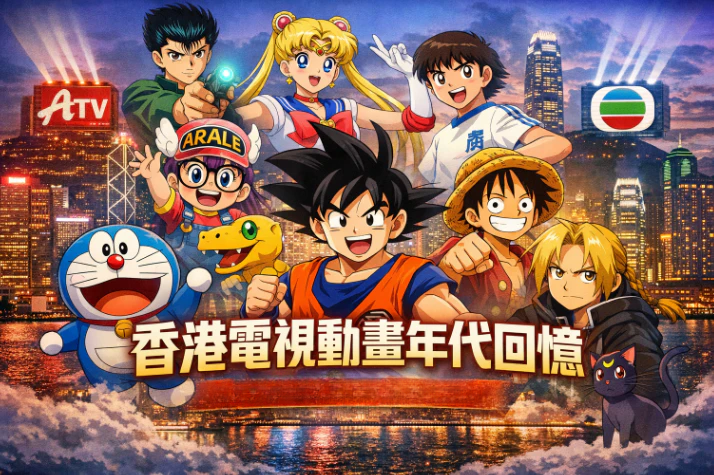
香港電視動畫的粵語配音文化,塑造了獨一無二的觀看體驗,聲優的演繹與本地化翻譯,令動畫角色更貼近觀眾生活,成為一代人難以忘懷的文化記憶與情感連結。
Cantonese dubbing in Hong Kong television anime created a unique viewing experience, where voice acting and localization brought characters closer to audiences, forming lasting emotional and cultural memories for generations.
中文
香港電視動畫的粵語配音文化,是本地流行文化中極具代表性的現象之一,自1980年代起,無綫電視與亞洲電視引入大量日本動畫,透過專業配音團隊進行粵語翻譯與聲演,成功建立出與原版截然不同但同樣深入人心的觀看體驗,粵語配音不僅是語言轉換,更是一種再創作過程,配音員需要根據角色性格、劇情節奏及香港觀眾的文化背景,調整語氣、節奏甚至對白內容,使動畫更貼地與生動,例如將日語幽默轉化為港式笑點,或加入本地流行語,令觀眾更有共鳴,這種處理方式令不少角色的粵語版本甚至比原版更具辨識度與親切感,經典動畫如《龍珠》《多啦A夢》《美少女戰士》《幽遊白書》等,其粵語配音已成為集體記憶的一部分,觀眾往往一聽聲線便能即時聯想到角色與情節,而聲優亦因此成為幕後明星,他們的聲音陪伴觀眾成長,形成強烈情感連結,此外,粵語動畫主題曲亦是文化的重要組成部分,不少歌曲經重新填詞後以廣東話演唱,進一步加強本地化特色,令動畫由單一媒體延伸至音樂與流行文化層面,進入2000年代後,隨著網絡興起與原聲字幕版本普及,粵語配音的主導地位逐漸減弱,但其文化影響力並未消失,反而在懷舊潮流中再次受到關注,許多觀眾仍然偏好粵語版本,認為其更具情感與童年回憶價值,香港電視動畫的粵語配音文化,不僅是一種語言轉譯技術,更是一種文化再創造與身份認同的體現,見證了全球化內容如何在地化發展,並成為香港獨特的文化符號之一,至今仍深深影響著不同世代的觀眾
English Version
Cantonese dubbing culture in Hong Kong television anime represents one of the most distinctive aspects of the city’s popular media history, beginning in the 1980s when major broadcasters such as TVB and Asia Television imported a wide range of Japanese anime and adapted them through professional dubbing into Cantonese, this process went far beyond simple translation, becoming a form of creative reinterpretation that reshaped characters and narratives to better resonate with local audiences, voice actors played a crucial role in this transformation by adjusting tone, pacing, and emotional delivery while incorporating culturally relevant humor and expressions, often replacing original Japanese jokes with Cantonese-style humor or adding localized references that made the content feel more familiar and engaging, as a result many characters became more closely associated with their Cantonese voices than their original versions, iconic series such as Dragon Ball, Doraemon, Sailor Moon, and Yu Yu Hakusho are remembered not only for their stories but also for their unforgettable Cantonese voice performances, these voices became deeply embedded in collective memory, allowing audiences to instantly recognize characters through sound alone, voice actors themselves gained a unique form of recognition as behind-the-scenes celebrities, contributing significantly to the emotional attachment viewers developed toward these shows, in addition theme songs were frequently adapted into Cantonese versions with newly written lyrics, further strengthening the localization process and expanding the cultural impact of anime into the music sphere, although the rise of the internet and streaming platforms in the 2000s introduced original-language viewing with subtitles and gradually reduced the dominance of dubbed television broadcasts, the legacy of Cantonese dubbing remains strong, nostalgia has driven renewed appreciation for these versions, with many viewers continuing to favor them for their emotional authenticity and connection to childhood memories, ultimately Cantonese dubbing in Hong Kong anime is not merely a technical practice of translation but a powerful form of cultural adaptation and identity expression, demonstrating how global media can be transformed into something uniquely local, leaving a lasting imprint on generations of audiences