聊齋志異《葉生》懷才不遇化鬼還魂助知己 | Strange Tales from a Chinese Studio: Ye Sheng – The Scholar Who Returned from Death for His Dream
才華橫溢卻屢試不第的書生葉生,即使死後仍放不下畢生理想。他以鬼魂之身重返人間,只為完成未竟的志業。《葉生》不僅是一則志怪故事,更是對科舉制度與懷才不遇的深刻感嘆。
Gifted yet repeatedly denied success, the scholar Ye Sheng cannot abandon his lifelong ambitions even after death. Returning as a spirit, he seeks to fulfill the destiny that life denied him. “Ye Sheng” is both a supernatural tale and a moving reflection on talent, fate, and the imperfections of society.
中文版
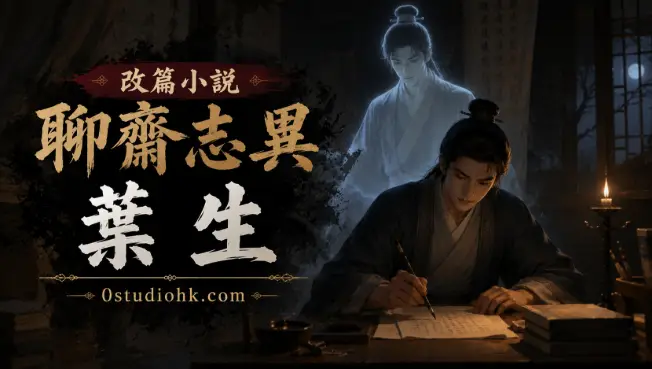
葉生自幼聰穎過人,博覽群書,文章辭采出眾,在鄉里間早已小有名氣。所有人都相信他終有一日必定高中功名,光耀門楣。然而命運卻總與他作對,每逢科舉考試,他總因種種原因名落孫山。有時考官偏愛浮華文風,有時遭逢權貴干預,更有時只是命運的一次無情玩笑。年復一年,葉生滿腹經綸卻始終不得志,家境逐漸困苦,身體也因憂思過度日漸衰弱。唯一始終相信他的,是一位與他志趣相投的好友。好友欣賞葉生的才華,不斷鼓勵他堅持理想,認為真正的學問終有一天會被世人看見。可惜天不假年,葉生最終積鬱成疾,在滿懷遺憾中離開人世。好友聞訊悲痛萬分,親自為他料理後事。令人意外的是,不久之後,葉生竟再次出現在好友家中。他神情與生前無異,依然談笑風生,甚至繼續埋首寫作。好友雖感到些許異樣,但念及久別重逢,也未曾深究。葉生每日伏案作文,批改文章,協助好友整理書籍,猶如昔日一般。隨著時間過去,好友漸漸察覺葉生從不在白日外出,也從未在人前進食,更沒有留下任何生活痕跡。一次偶然機會,好友前往葉生故居探望其家人,卻得知葉生早已下葬多時。震驚之餘,他終於明白,陪伴自己多日的竟是葉生的魂魄。當晚,好友回家後向葉生詢問真相。葉生平靜承認自己確已身故,只因心中仍有未了心願,不願讓畢生所學隨肉身一同埋沒。他希望藉由好友之手,把自己的文章流傳於世,也希望後人知道,真正的才華並不應由一場考試決定。好友含淚答應,從此更加珍惜葉生留下的一字一句。完成所有文稿後,葉生向好友深深一拜,感謝知己多年信任與扶持,身影也在黎明將至時漸漸消散,再未出現。好友遵守承諾,將葉生的著作整理刊印,使更多人得以閱讀他的思想。後世不少讀書人讀到葉生的故事,都為他的遭遇深感惋惜。《葉生》藉由鬼魂還陽的奇異情節,道出蒲松齡對科舉制度的深刻批判。真正的才能未必能獲得公平評價,而人生最大的悲劇,往往不是缺乏能力,而是懷抱理想卻始終無法施展。故事同時歌頌知己之情,因為即使生命結束,只要仍有人願意理解與傳承,一個人的精神便永遠不會真正消失。
English Version
Ye Sheng was recognized from childhood as an exceptionally gifted scholar. His essays were admired for their elegance, depth, and originality, leading neighbors and teachers alike to believe that he would one day achieve great success in the imperial examinations. Yet year after year, fortune refused to favor him. Sometimes examiners preferred fashionable writing over genuine substance. At other times corruption and influence overshadowed merit. On many occasions, failure seemed to arrive through nothing more than cruel chance. As disappointment accumulated, Ye Sheng’s financial situation deteriorated, and endless frustration slowly consumed his health. Despite everything, one loyal friend never stopped believing in him. The friend admired not only Ye Sheng’s literary brilliance but also his integrity and unwavering devotion to learning. He continually encouraged him to persevere, convinced that true talent would eventually receive the recognition it deserved. Sadly, Ye Sheng’s body could no longer bear the burden of despair. He died with his greatest dreams still unrealized, leaving behind only unfinished manuscripts and silent regrets. His friend mourned deeply and personally arranged the funeral. Not long afterward, however, something impossible occurred. Ye Sheng unexpectedly appeared once again at his friend’s residence. He looked exactly as he had in life, calmly discussing literature, composing essays, and offering thoughtful advice as though nothing extraordinary had happened. At first the friend accepted the miracle without question, grateful simply to spend time with his beloved companion again. Yet subtle details gradually became impossible to ignore. Ye Sheng never ventured outside during daylight, never shared meals, and left no ordinary traces of daily existence. Eventually the friend visited Ye Sheng’s family, only to discover that the scholar had indeed been buried weeks earlier. Returning home in disbelief, he confronted the mysterious visitor. Ye Sheng gently admitted the truth. His spirit had remained in the human world because his greatest wish remained unfinished. He could not bear to see his life’s work disappear forever simply because fate had denied him official success. He entrusted his manuscripts to his faithful companion, asking only that his writings survive beyond his own lifetime. Through literature, he hoped future generations would understand that genuine wisdom should never be measured solely by examination results or official titles. Deeply moved, the friend promised to preserve every page with the utmost care. Once all the manuscripts had been organized and completed, Ye Sheng bowed gratefully before disappearing with the first light of dawn. His spirit never returned. Honoring his final request, the friend published Ye Sheng’s works, allowing countless readers to appreciate the brilliance that society had overlooked during his lifetime. Through this haunting yet profoundly human narrative, Pu Songling delivers a powerful criticism of an examination system that often rewarded circumstance over ability. More importantly, the story celebrates enduring friendship and the belief that true talent can outlive death itself when someone remains willing to remember, protect, and share its legacy with the world.