
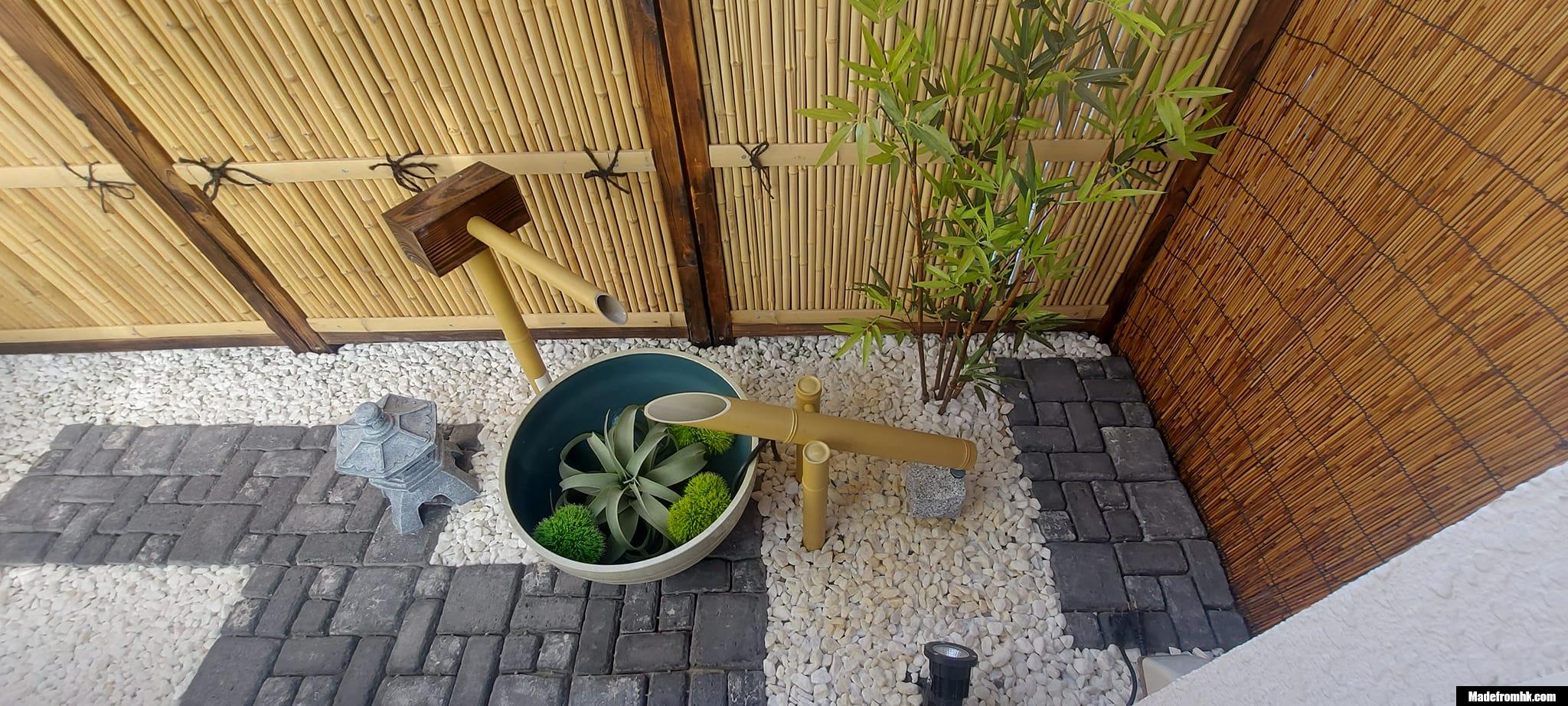
在 日本,民宿不只是住宿選擇,而是一種進入日常生活的方式。從空間配置到生活細節,讓旅程從「經過」轉變為「停留」,感受更貼近在地的節奏。
In Japan, staying in a minshuku is more than accommodation — it is a way of stepping into everyday life. Through spatial design and small routines, travel shifts from passing through to truly staying.

中文版本
旅行之中,大部分時間是在移動。
從一個地方到另一個地方,看、走、經過。
但民宿,讓人停下來。
當你走進一間日本民宿,第一個感覺不是新鮮,而是「距離變近」。
空間不大,但非常清楚。
入口、鞋子的位置、房間的界線,每一個區域都有明確的用途。你會自然地跟著這些安排行動,而不是隨意使用空間。
這種結構,讓人慢慢進入另一種節奏。
榻榻米的存在,是最直接的轉換。
你需要脫鞋、坐下、甚至躺下。身體的高度改變,動作變得緩慢,整個感覺從「外出」轉為「在家」。
這是一種身體上的調整。
也是心理上的。
民宿的生活,是安靜的。
沒有過多的裝飾,也沒有強烈的刺激。光線柔和,聲音被控制在很低的範圍。你開始注意到一些平常不會留意的細節。
窗外的光。
地板的觸感。
房間的氣味。
這些元素,讓時間變得清晰。
你不再只是安排下一個行程,而是開始感受「現在」。
與酒店不同,民宿沒有強烈的服務感。
它更像是一個被暫時借用的生活空間。
你需要自己整理、自己適應、自己安排。這種參與,讓你與空間建立更直接的關係。
你不是被服務。
而是生活在其中。
當夜晚來臨,這種感覺會更明顯。
城市的聲音變遠,室內的安靜變得完整。你會開始意識到,這不只是旅程中的一站,而是一段真正的停留。
當你離開民宿,再次回到街道,節奏會重新加快。
人流、聲音、方向,再次回來。
這時候你才會發現——
剛才那段時間,是不同的。
民宿的魅力,不在於它提供了什麼。
而在於它讓你暫時過上另一種生活。

English Version
Travel is often defined by movement.
You go from one place to another — seeing, walking, passing through.
A minshuku changes that.
It allows you to stay.
When you enter a Japanese minshuku, the first impression is not novelty, but proximity. The space feels closer — more defined, more intentional.
The layout is clear.
The entrance, the place for shoes, the boundaries of each room — everything has a purpose. You don’t use the space freely; you adapt to it.
And in doing so, your pace changes.
Tatami plays a key role.
You remove your shoes, sit lower, lie closer to the ground. Your body adjusts, and with it, your rhythm. The feeling shifts from being outside to being inside.
It is a physical change.
And a mental one.
Life inside a minshuku is quiet.
There are no overwhelming elements, no excessive decoration. Light is soft, sound is minimal. You begin to notice details — the light from outside, the texture of the floor, the subtle atmosphere of the room.
Time becomes more present.
You are no longer planning what comes next.
You are aware of where you are.
Unlike hotels, a minshuku does not emphasize service.
It feels like a borrowed living space.
You organize yourself. You adjust. You participate. This creates a more direct relationship with the environment.
You are not being served.
You are living within it.
At night, this feeling deepens.
The city fades. The interior quiet becomes complete. You realize that this is not just a stop in your journey, but a moment of stillness.
When you leave and return to the street, the rhythm shifts again.
Movement returns. Sound increases. Direction becomes clear.
Only then do you notice —
That time was different.
The charm of a minshuku is not what it provides.
But how it allows you to live differently, even for a short while.

