
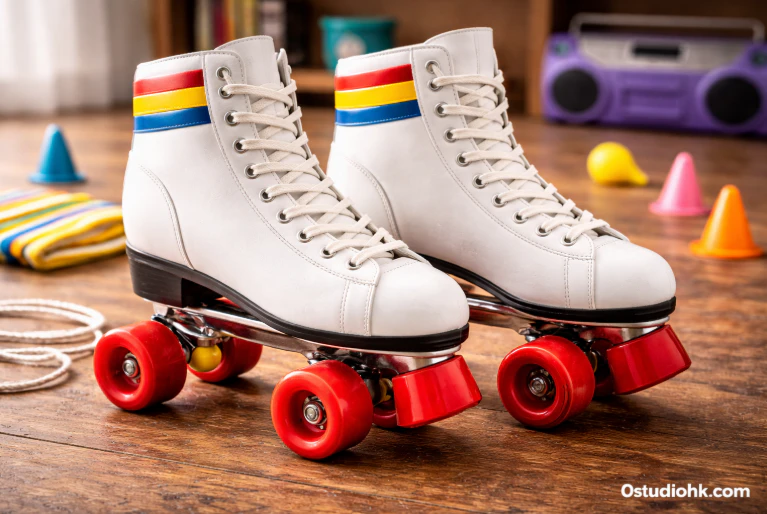

溜冰鞋Roller Skates結合速度與平衡,從娛樂活動演變為運動與文化象徵,風靡全球。
Roller skates combine speed and balance, evolving from leisure activity into a global sport and cultural symbol.
溜冰鞋(Roller Skates)是一種結合運動與娛樂的經典裝備,其歷史可追溯至18世紀的歐洲,最早的設計是為了模仿冰上滑行的感覺,讓人們即使在沒有冰面的情況下也能體驗滑行的樂趣,據記載,比利時發明家約瑟夫·梅林在18世紀中期製作了最早的輪式滑行裝置,他將輪子固定在鞋底,並在一場舞會上展示,但由於缺乏轉向與煞車機制,最終失控撞上鏡子,這段趣聞也成為溜冰鞋歷史中的經典故事,隨著技術進步,19世紀後期出現了更實用的設計,特別是四輪並排(quad skates)的結構,使滑行更加穩定與可控,這種設計迅速普及,並促成了溜冰場的興起,成為當時流行的社交活動之一,進入20世紀後,溜冰鞋進一步發展,不僅成為休閒娛樂工具,也逐漸演變為競技運動,包括速度滑輪、花式滑輪與輪滑曲棍球等項目,吸引大量愛好者參與,在文化層面上,溜冰鞋與音樂、舞蹈與街頭文化緊密結合,特別是在1970年代的迪斯可時代,溜冰場成為年輕人聚集與表達自我的場所,滑行動作與音樂節奏相互融合,形成獨特的文化風格,此外,溜冰鞋也在電影與流行媒體中頻繁出現,進一步提升其知名度與影響力,隨著科技進步,溜冰鞋的設計不斷改良,從傳統的四輪設計發展到直排輪(inline skates),提升速度與靈活性,同時在材料與結構上也更加輕量與舒適,使其適用於不同年齡與用途,無論是休閒滑行還是專業競技,都能滿足需求,在健康與教育方面,溜冰鞋是一種全身性的運動,有助於提升心肺功能、平衡能力與肌肉協調,同時也能培養自信與勇氣,因為學習滑行需要克服恐懼與不斷練習,在現代社會中,儘管娛樂方式日益多元,溜冰鞋依然保持其魅力,因為它結合了速度、自由與身體控制,讓人能在移動中感受風與節奏,從最初的實驗性裝置到今日的多功能運動器材,溜冰鞋跨越數百年歷史,成為運動與文化的結晶,它不僅是一種交通與娛樂工具,更是一種表達自我與追求自由的方式,持續在城市與場地中滑行著屬於它的故事
English Version
Roller skates are a classic blend of sport and recreation, with a history that dates back to eighteenth-century Europe, originally designed to replicate the sensation of ice skating on land, one of the earliest known attempts was made by Belgian inventor Joseph Merlin, who attached wheels to shoes and famously demonstrated them at a masquerade ball, only to crash into a mirror due to the lack of steering and braking mechanisms, this anecdote highlights both the ingenuity and limitations of early designs, by the late nineteenth century, significant improvements led to the development of quad skates, featuring four wheels arranged in pairs, which provided better balance and control, this innovation made roller skating more accessible and popular, leading to the rise of roller rinks as social venues where people gathered for leisure and interaction, throughout the twentieth century, roller skating evolved into both a recreational activity and a competitive sport, with disciplines such as speed skating, artistic skating, and roller hockey gaining prominence, culturally, roller skates became closely associated with music and dance, particularly during the disco era of the 1970s, when roller rinks served as vibrant spaces for self-expression, where skating movements were synchronized with music, creating a dynamic and energetic atmosphere, roller skates have also been featured in films and popular media, reinforcing their cultural significance, as technology advanced, the design of roller skates continued to evolve, including the introduction of inline skates, which offer greater speed and maneuverability, improvements in materials and ergonomics have also enhanced comfort and performance, making them suitable for a wide range of users, from casual skaters to professional athletes, in terms of health and education, roller skating is an excellent full-body exercise that improves cardiovascular fitness, balance, and coordination, it also helps build confidence and resilience, as learning to skate involves overcoming fear and practicing persistence, in today’s world, despite the abundance of digital entertainment options, roller skates remain appealing because they offer a sense of movement, freedom, and physical engagement, allowing individuals to experience motion in a direct and enjoyable way, from early experimental devices to modern high-performance equipment, roller skates have traveled through centuries of innovation and cultural transformation, becoming more than just a tool for movement, they represent a lifestyle, a form of expression, and a timeless pursuit of freedom on wheels