在宮崎駿的作品裡,飛行總是令人嚮往,但越接近天空,卻越遠離現實,那不只是自由的象徵,更像是一種逃離與無法停下的狀態,一種帶著美麗卻也帶著孤獨的存在方式。
In Miyazaki’s films, flight feels like freedom, yet the higher it rises, the further it drifts from reality. It is not simply liberation, but a quiet escape, a state of beauty intertwined with distance and solitude.
中文
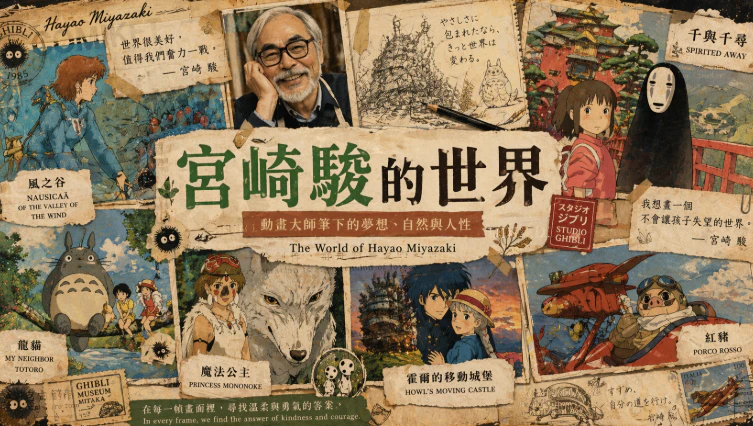
飛行在宮崎駿的世界裡從來不是單純的移動方式,而是一種心理狀態,一種介於現實與理想之間的存在,在天空之城中,漂浮於天空的拉普達象徵著人類對理想世界的想像,那是一個遠離地面紛爭的地方,純粹而美好,但也因此變得不真實,當人類試圖接近它時,帶來的不是理解,而是佔有與破壞,這使得天空不再只是夢,而成為一種無法被人類真正觸及的距離,而在紅豬中,飛行則帶著更強烈的個人情感,主角波魯克選擇留在天空,某種程度上是一種逃避,他不願面對地面的世界,也不願回到人群之中,飛行成為他維持自我與隔絕現實的方式,而這種自由,其實帶著代價,那就是孤獨,而在風起中,飛行被進一步轉化為理想與現實的衝突,堀越二郎對飛機的熱愛純粹而美好,他想創造能飛上天空的機器,但最終這些飛機卻被用於戰爭,這使得飛行不再只是夢想,而變成一種無法逃避的矛盾,當理想被現實利用,創作者本身也被迫面對自己的選擇與責任,宮崎駿透過不同作品反覆描繪飛行這個意象,並不是為了表現浪漫,而是揭示一種人類共同的渴望與困境,人們總是嚮往離開現實,渴望更高更遠的地方,但當真正遠離時,卻會發現失去了與世界的連結,飛行讓人暫時自由,卻也讓人無法真正落地,而這種「無法落地」的狀態,其實正是宮崎駿作品中最深層的情感之一,角色在天空中找到了自己,卻同時也與現實產生距離,他們不是不想回來,而是已經不知道該如何回來,這種矛盾讓飛行不再只是美好的象徵,而成為一種帶著重量的選擇,宮崎駿並沒有否定飛行的價值,他依然讓角色飛翔,讓天空保持其魅力,但同時也提醒觀眾,每一個夢想都伴隨著代價,每一次離開都意味著某種失去,而真正重要的,或許不是飛得多高,而是在飛行之後,是否還能找到回到地面的方式
English Version
In Miyazaki’s world, flight is never just a method of movement but a state of mind, a space suspended between reality and imagination, in Castle in the Sky the floating city of Laputa represents humanity’s dream of a perfect world untouched by conflict, distant and idealized, yet precisely because of its distance it becomes fragile, when humans attempt to reach it, they do not bring understanding but desire and control, turning the dream into something that cannot survive contact with reality, in Porco Rosso flight becomes deeply personal, as Porco chooses the sky not out of pure joy but as a form of withdrawal, distancing himself from a world he no longer wishes to belong to, the sky offers him freedom, but that freedom is inseparable from isolation, it is a space where he can exist without confronting what he has lost, and in The Wind Rises flight transforms again, becoming a symbol of aspiration entangled with consequence, Jiro’s passion for building airplanes is sincere and almost poetic, driven by a desire to create beauty in motion, yet the outcome of his work is shaped by forces beyond his control, as his creations are used in war, turning his dream into something conflicted and morally complex, through these variations, Miyazaki returns to flight as a recurring motif not to celebrate escape but to explore its limitations, the desire to rise above reality is deeply human, but the further one ascends, the more tenuous the connection to the ground becomes, flight offers a temporary sense of liberation, yet it also introduces a distance that cannot easily be undone, this inability to land is one of the most subtle and recurring emotional undercurrents in Miyazaki’s storytelling, characters who take to the sky often discover a version of themselves, but at the same time lose their place in the world below, they are not simply choosing freedom, they are negotiating with loss, and this tension gives flight its emotional weight, Miyazaki does not reject the beauty of flight, nor does he strip it of wonder, instead he allows it to remain both inspiring and incomplete, a dream that cannot fully resolve itself, reminding us that every aspiration carries a cost, and that true balance may not lie in how high we can rise, but in whether we can find our way back once we have left the ground.