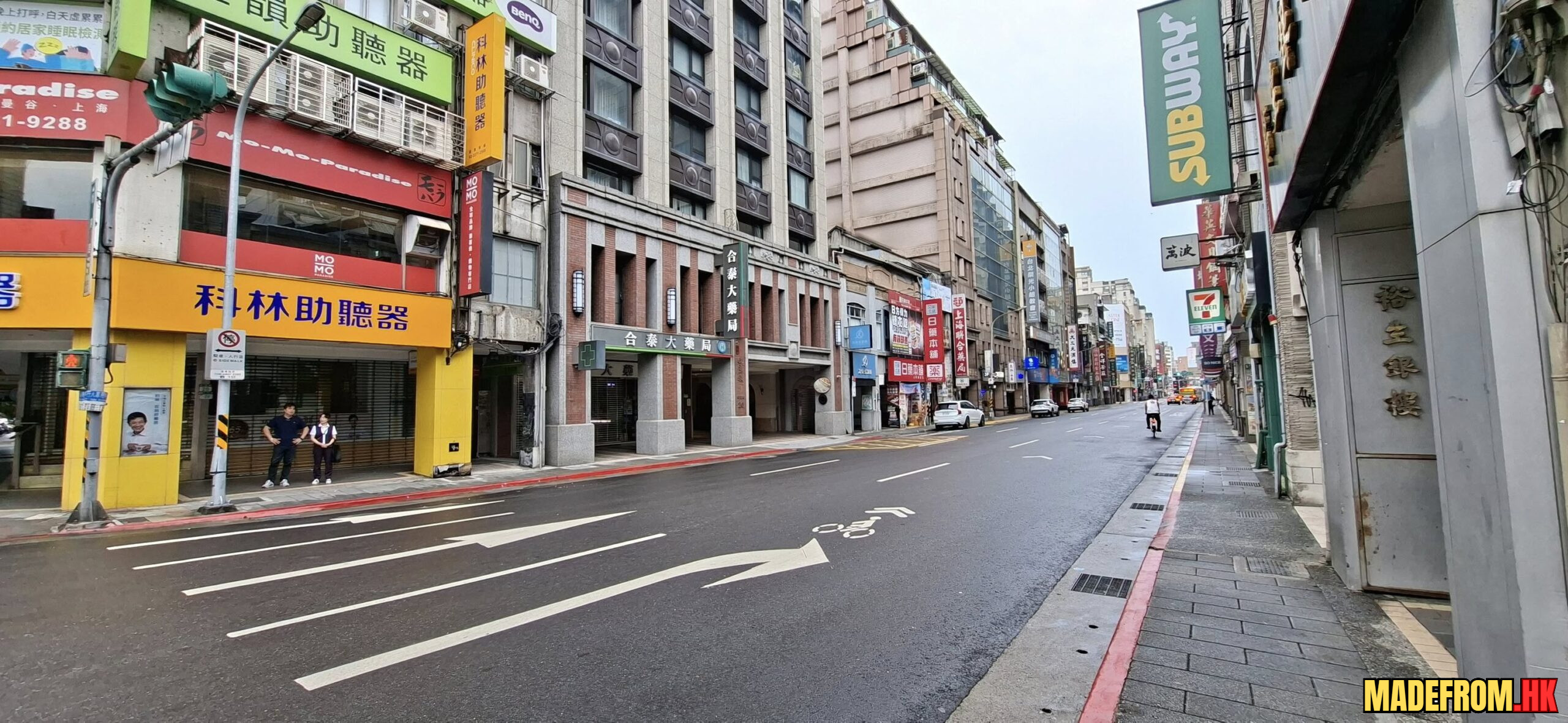
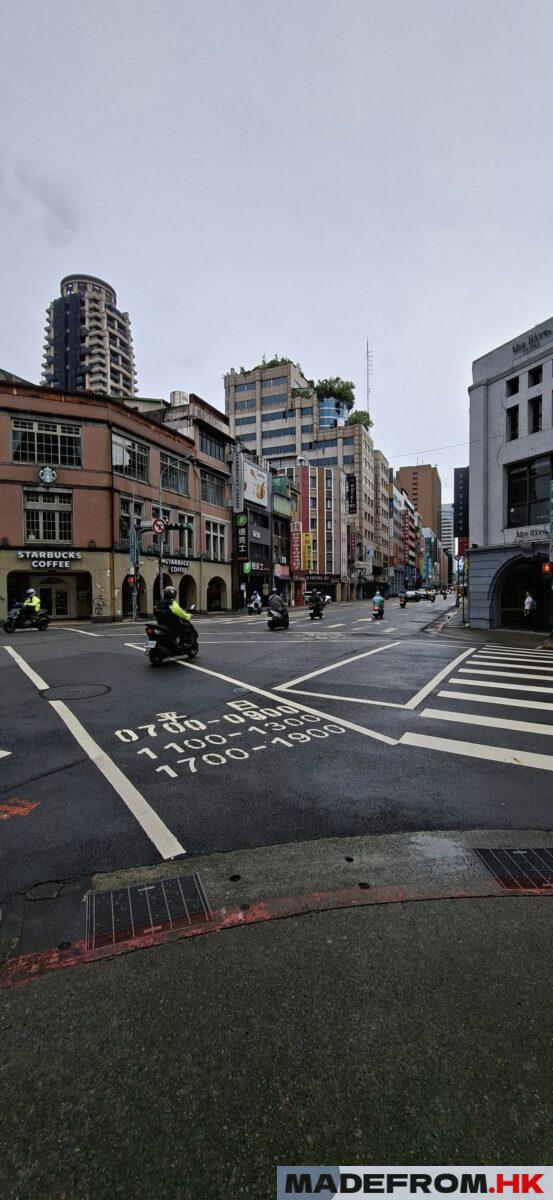
台北市融合歷史底蘊與現代發展,從傳統街區到摩天大樓,展現多元文化與城市活力,是台灣政治、經濟與文化的重要核心。
Taipei City blends deep-rooted history with modern development, where traditional neighborhoods meet skyscrapers, forming a dynamic capital rich in culture, innovation, and urban life.
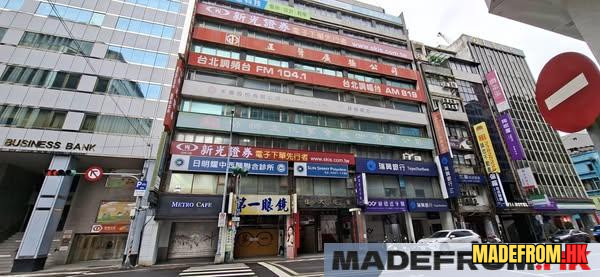
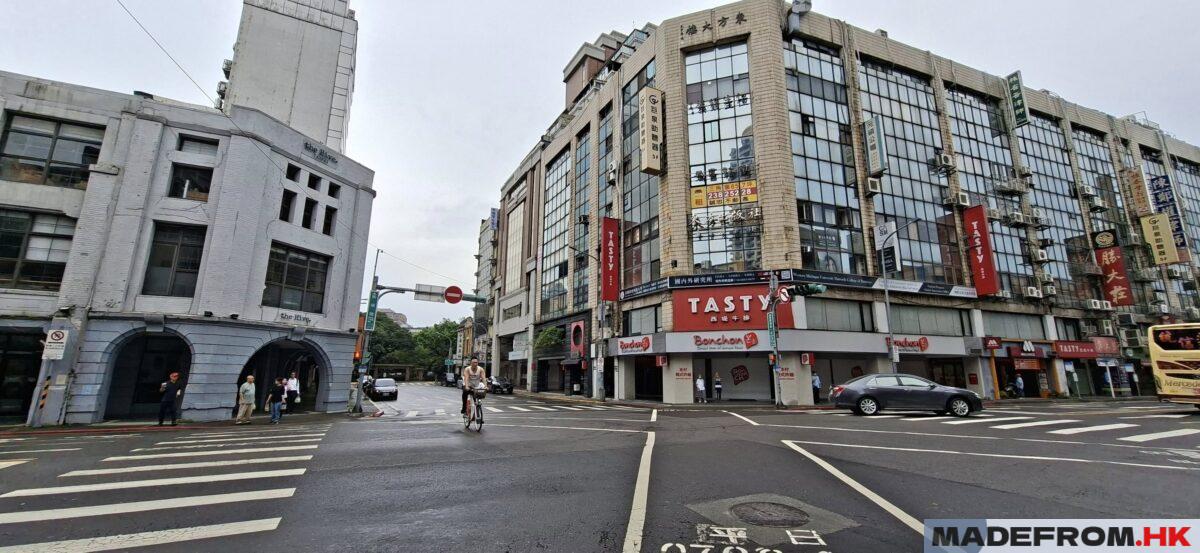
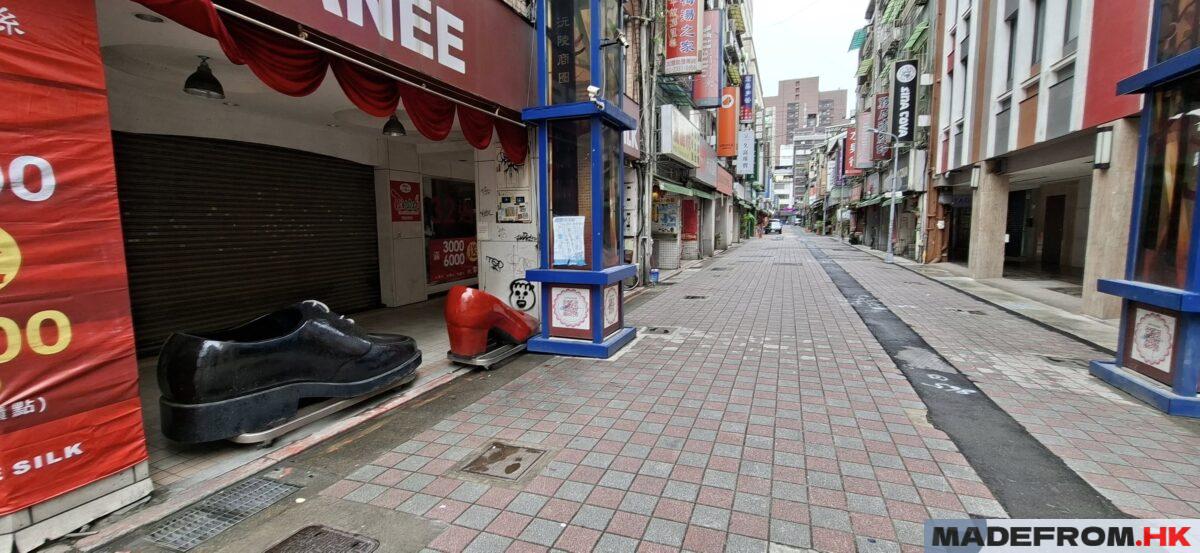
歷史與文化交融
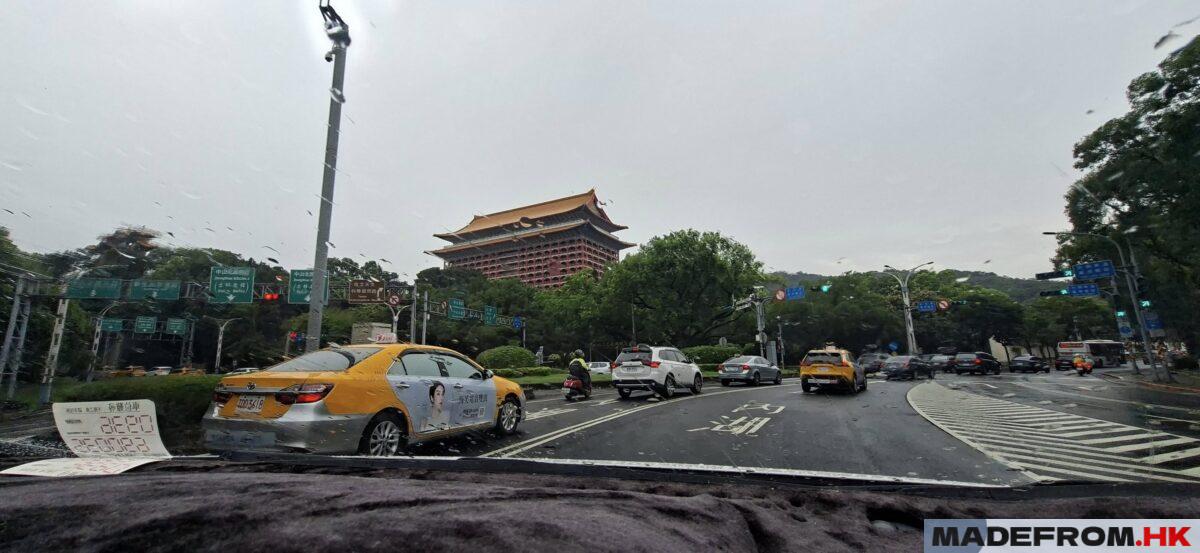
台北市擁有豐富的歷史遺產,從清朝時期的大稻埕到日治時期留下的建築風貌,都展現了這座城市的多元文化。著名的龍山寺和孔廟,是體驗傳統信仰與文化的重要景點,而國立故宮博物院則以其收藏的珍貴文物,成為中華文化的縮影。
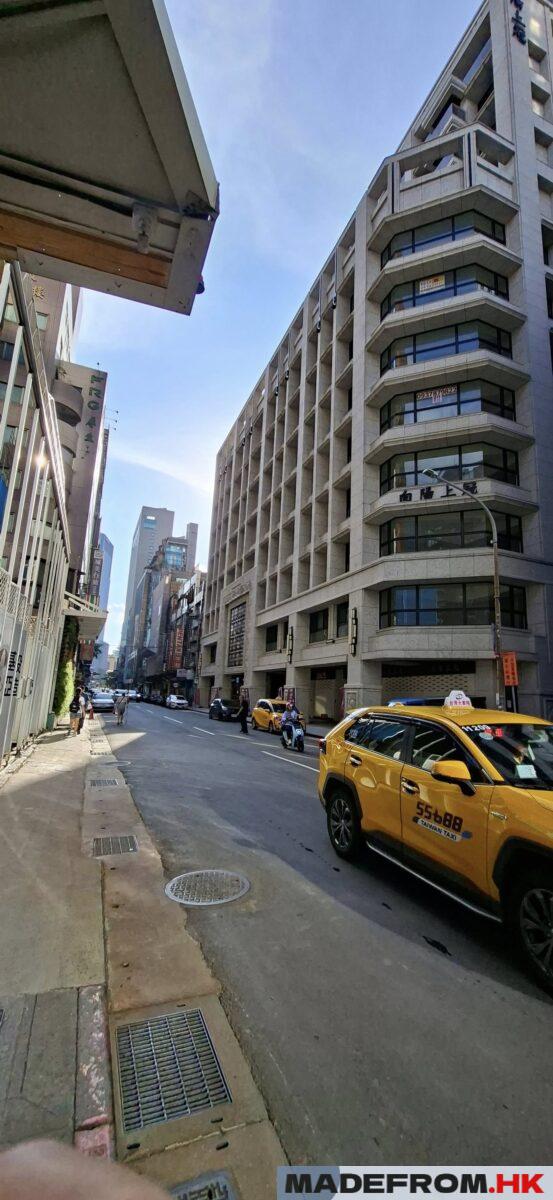
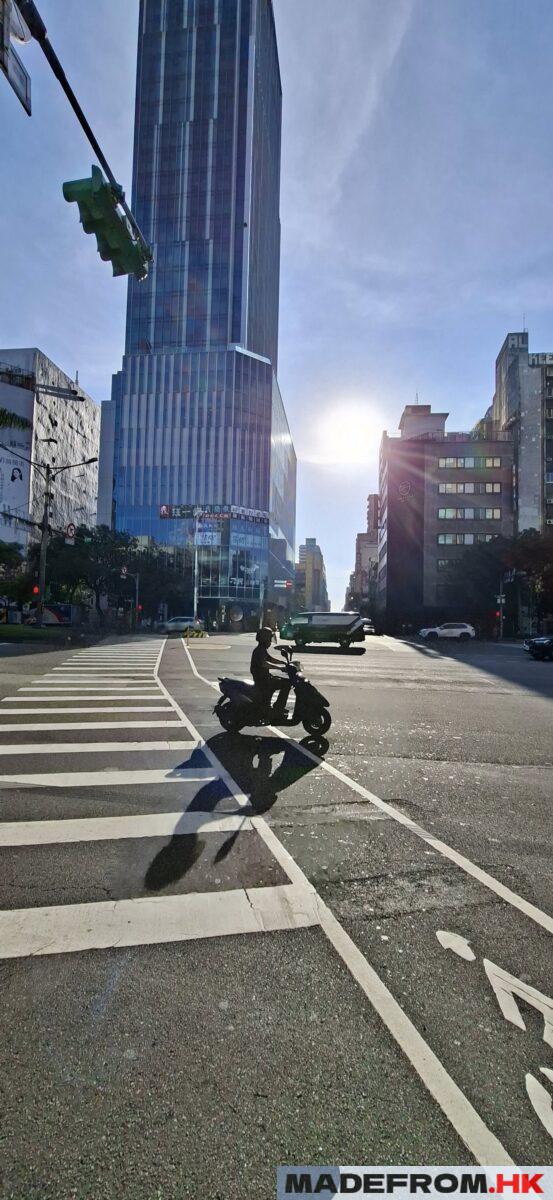
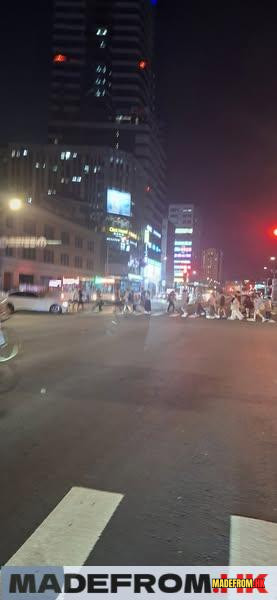
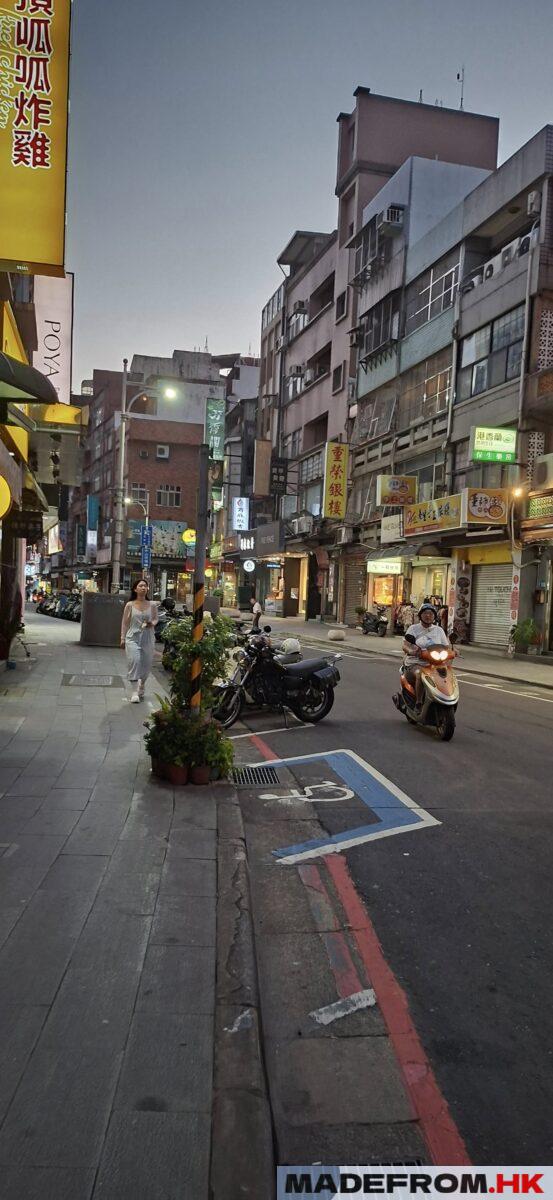
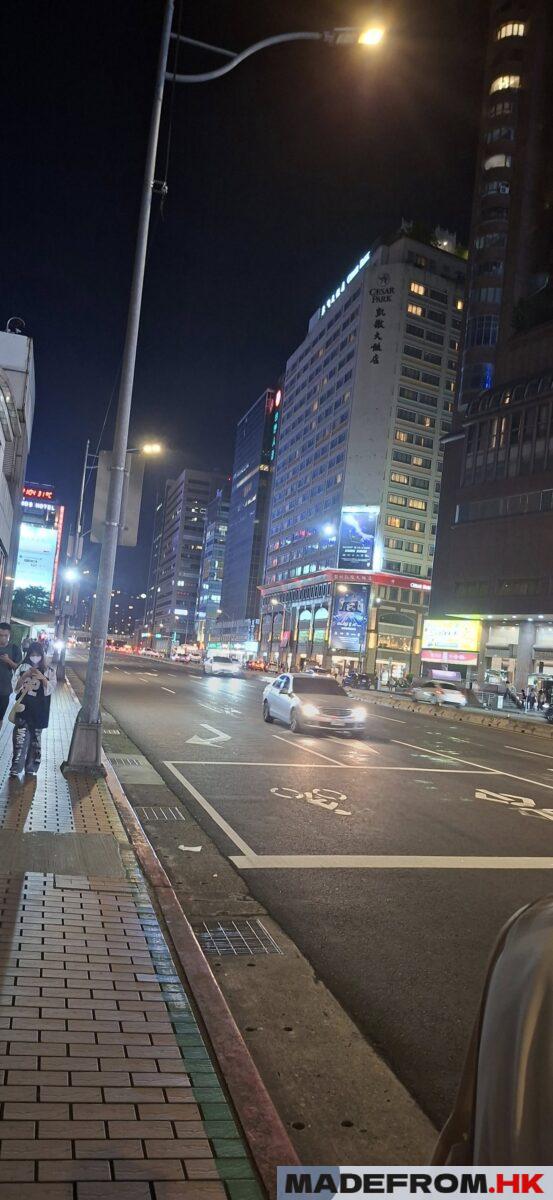
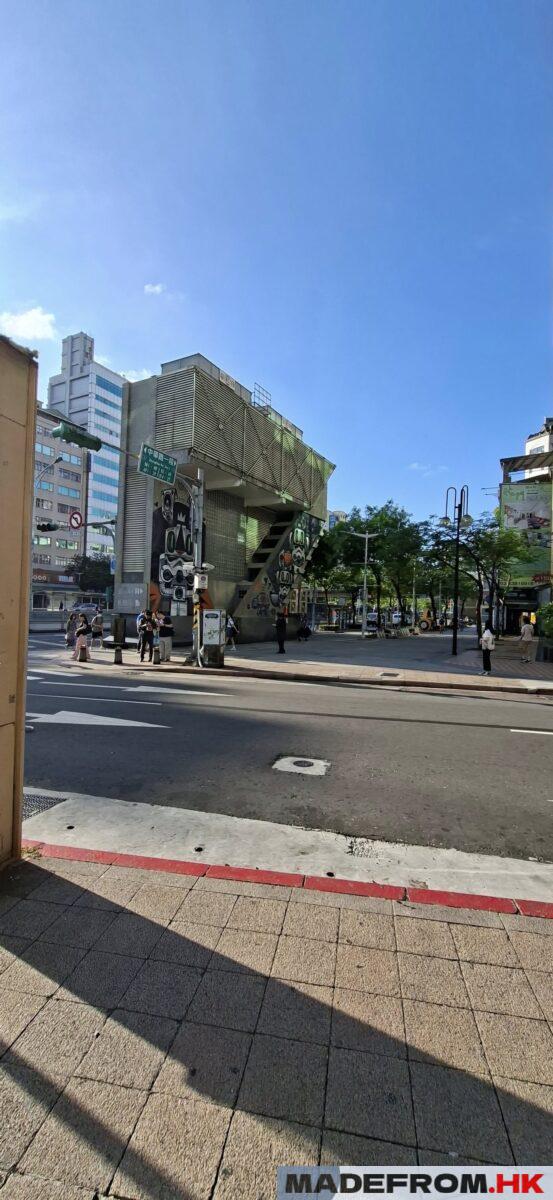
現代化與創新
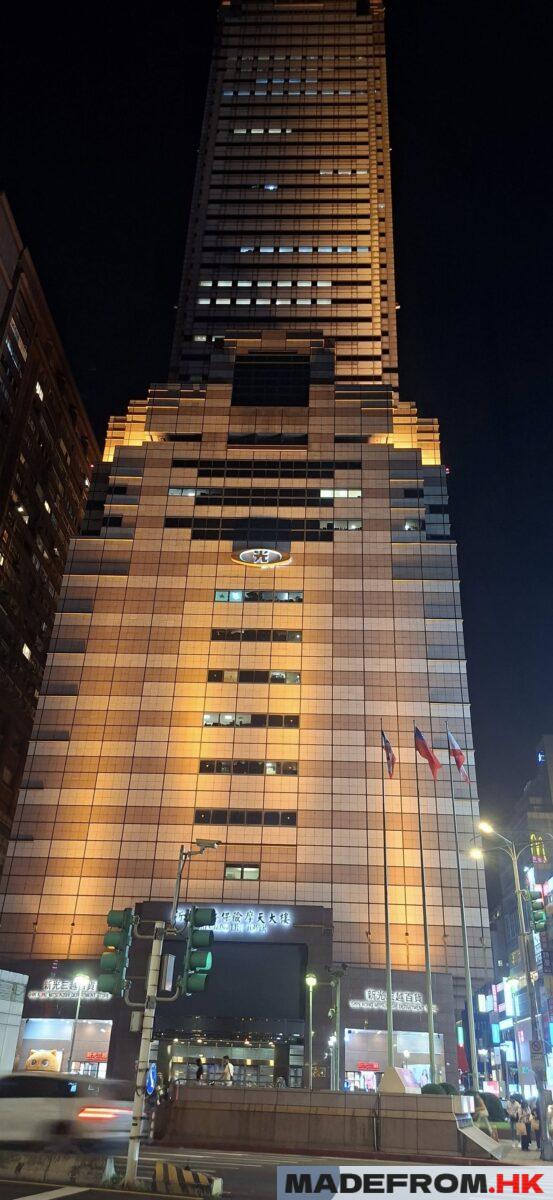
作為一個國際化都市,台北市擁有完善的交通網絡,包括捷運系統和高鐵,便利性無與倫比。同時,台北101作為全球知名地標,不僅象徵著台灣經濟的蓬勃發展,也是一座結合商務、購物與觀光功能的現代建築。
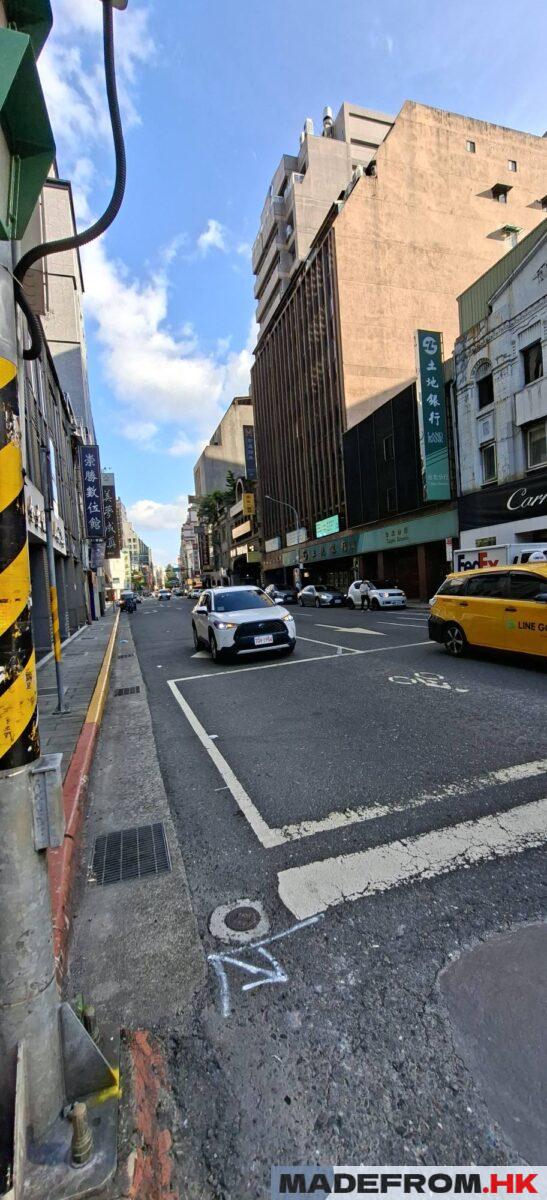
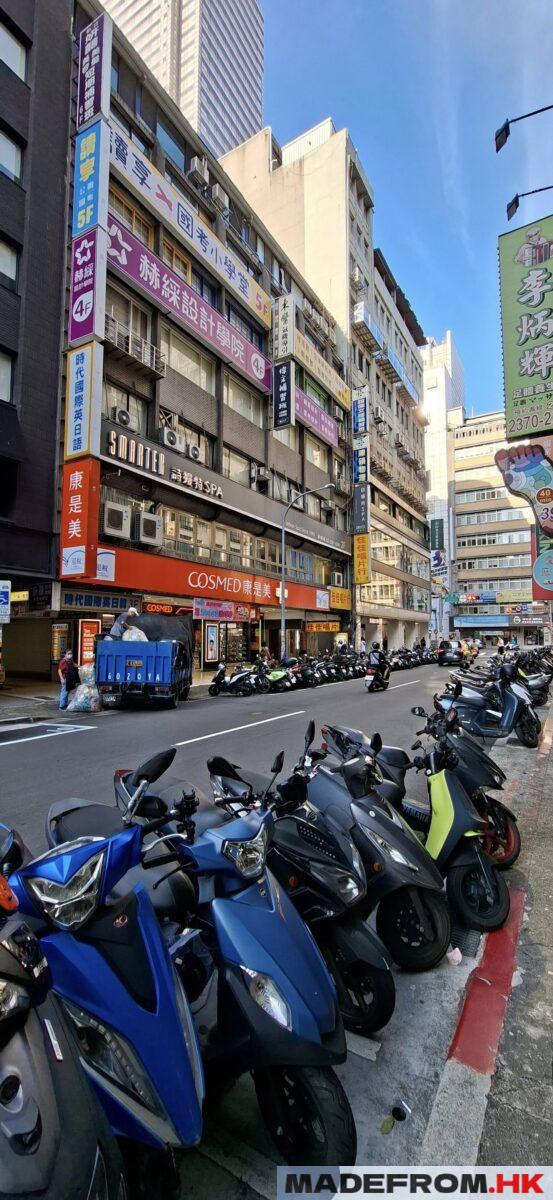
美食天堂
台北市亦是美食愛好者的天堂。從傳統的小吃如牛肉麵、蚵仔煎,到米其林星級餐廳,這座城市滿足了不同層次的味蕾需求。夜市文化更是台北的一大特色,士林夜市和饒河街夜市每晚都吸引著大量遊客。
English Version
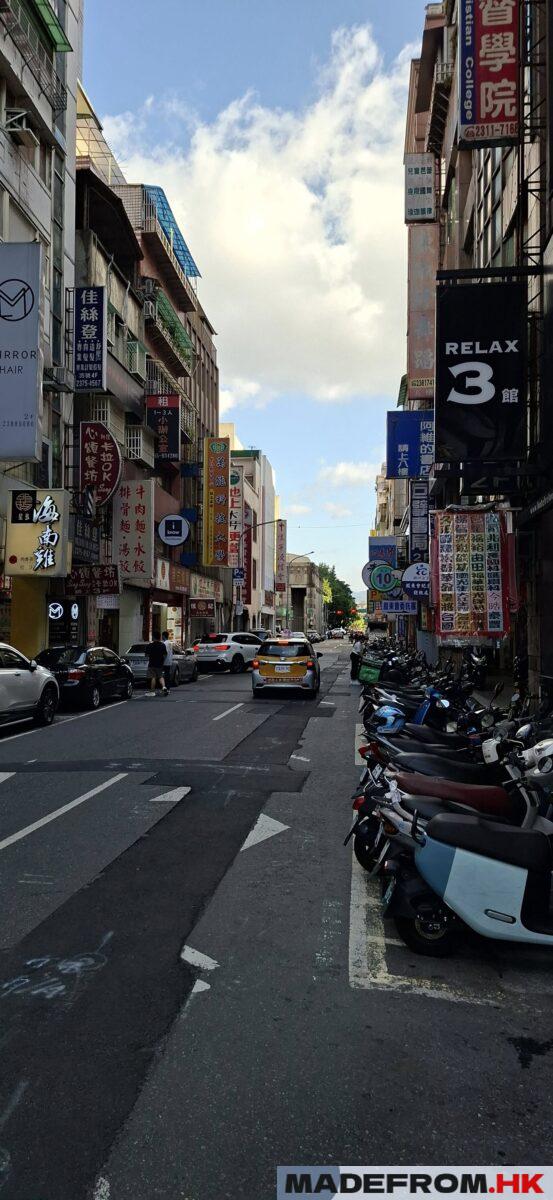
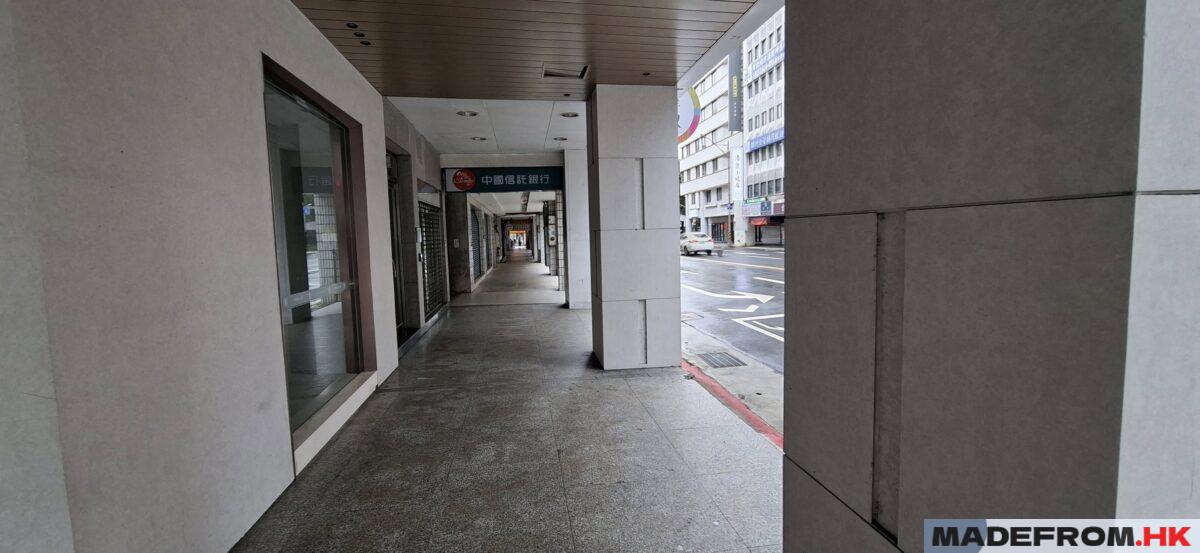
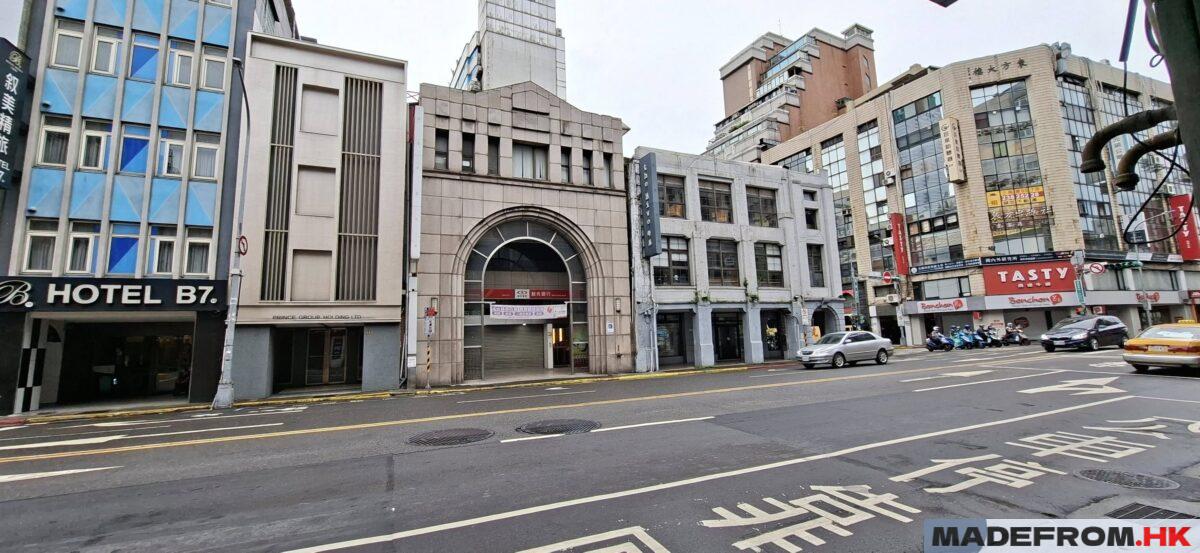
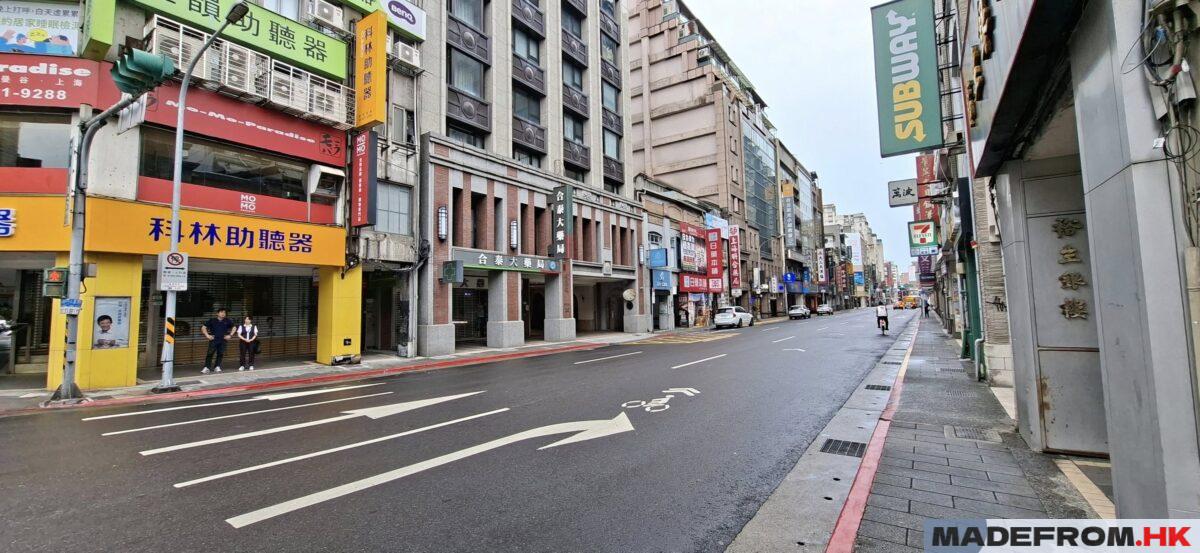
Taipei City stands as one of Asia’s most compelling urban landscapes—a place where tradition and innovation coexist in a constantly evolving dialogue. As the capital of Taiwan, Taipei is not only the political and economic center of the island but also a cultural crossroads shaped by centuries of migration, colonial influence, and local creativity. Its identity is defined by contrast: ancient temples nestled between glass towers, night markets thriving alongside high-end boutiques, and quiet alleyways opening into bustling commercial districts.
The historical foundation of Taipei can be traced back to early settlements in the Taipei Basin, where indigenous communities once lived before waves of Han Chinese migration during the Qing Dynasty transformed the area into an agricultural and trading hub. In the late 19th century, Taipei was established as the provincial capital, marking the beginning of its rise as an administrative and commercial center. The subsequent Japanese colonial period introduced modern infrastructure, urban planning, and architectural styles that would leave a lasting imprint on the city’s landscape.
Following World War II, Taipei underwent rapid expansion, driven by industrialization and population growth. The city evolved into a modern metropolis, with new districts, transportation systems, and economic sectors reshaping its structure. Today, Taipei is known for its efficiency, accessibility, and high quality of life, consistently ranking among Asia’s most livable cities. Its extensive metro system connects diverse neighborhoods, making it easy to navigate between historical sites, commercial areas, and natural landscapes.
One of Taipei’s most defining characteristics is its cultural diversity. Temples such as Longshan Temple offer a glimpse into spiritual traditions that continue to play a vital role in daily life, while museums and cultural institutions preserve and reinterpret Taiwan’s complex history. The National Palace Museum, for instance, houses one of the world’s most significant collections of Chinese imperial artifacts, bridging past and present through art and scholarship.
Equally important is Taipei’s contemporary cultural scene. The city is a hub for design, music, film, and digital creativity, attracting artists and entrepreneurs from across the region. Districts like Ximending and Songshan Cultural and Creative Park showcase the city’s ability to reinvent itself, transforming historical spaces into platforms for innovation. This dynamic environment fosters a sense of openness and experimentation, allowing Taipei to remain at the forefront of cultural development.
Food culture is another essential aspect of Taipei’s identity. Night markets such as Shilin Night Market offer an immersive culinary experience, where traditional Taiwanese snacks are served alongside modern street food creations. These spaces are not only about eating but also about social interaction, reflecting the communal nature of Taiwanese society. From humble street stalls to refined restaurants, Taipei’s food scene captures the diversity and creativity of its people.
Nature is never far from the urban core. Surrounded by mountains and intersected by rivers, Taipei offers easy access to hiking trails, hot springs, and scenic viewpoints. Yangmingshan National Park, located just a short distance from the city center, provides a natural escape with volcanic landscapes and seasonal flora. This close relationship between city and nature enhances the overall quality of life, offering balance within a fast-paced environment.
Taipei is also recognized for its openness and inclusivity. It is one of the most progressive cities in Asia, known for its support of cultural diversity and social equality. Public spaces often become venues for expression, dialogue, and community engagement, reflecting a society that values participation and individuality.
Ultimately, Taipei City is defined by its ability to harmonize contrasts. It is a place where history is preserved yet not static, where modernity is embraced without erasing the past. This balance creates a city that feels both grounded and forward-looking—a vibrant jewel that continues to shine within the broader landscape of Asia.
總結
台北市以多元文化與現代發展交織,呈現歷史與創新並存的城市樣貌,展現亞洲都市中獨特而持續演進的活力。
Taipei City embodies a harmonious blend of heritage and modern life, offering a dynamic urban experience that continues to evolve while staying deeply connected to its cultural roots.