
Skip to content
madefrom.hk madefrom.hk madefrom.hk

Rewriting culture, history and memories beyond language and borders.

madefrom.hk madefrom.hk madefrom.hk

Rewriting culture, history and memories beyond language and borders.

  • Comics
    • Strange Tales
    • Myths of the Constellations
  • Column
    • Knowledge Hub
      • 生活篇
      • 食品篇
      • 科技篇
      • 超市篇
    • Life & Technology
    • Hong Kong Guide
    • Today in History
    • City Stories
    • Anime & Manga
    • Game Magazine
    • Toy Club
    • Language of Flowers
    • Street Notes
    • All Things
    • Music Memories
    • Chinese Idioms
    • Cantonese Sayings
    • Movie Magazine
  • Original Stories
    • 不可思議故事
    • 十三號的約定
    • 星座宮神話
    • 香港山怪談
    • 香港都市靈異傳說
  • Adapted Stories
    • romance of the three kingdoms
    • hong kong places
    • dream of the red chamber
    • strange tales
    • The house on the borderland
    • usherhouse
    • Theblackcat
  • History
    • History in 80 Seconds
    • 當年報章摘要
    • 香港歷史
    • 世界名作家
    • World Biographies
  • Movies
    • USA
    • japan
    • Korea
    • Taiwan
    • HONGKONG
    • India
    • china
    • france
    • Tunisia
    • Germany
    • Jordan
    • Switzerland
    • sweden
    • Spain
    • Palestine
    • Norway
    • Argentina
    • Brazil
  • ACG
    • Winter 2026 Anime
    • Summer 2026 Anime
    • ACGHK
      • 2016
      • 2018
      • 2019
      • 2023
      • 2024
    • 創天綜合同人祭
      • 同人表演
    • 音樂
    • 電玩
      • 玩具資訊
      • 遊戲資訊
    • 遊戲
      • SNK Neo Geo
      • PlayStation 2
      • Arcade
      • NEWS
  • 旅行
    • Hong Kong Travel
      • 土瓜灣
      • 舊建築
      • 街道
      • 單車
      • 文化
      • 交通
      • 香港書展
      • 表演
      • 廟宇
      • 教堂
      • 香港書展
      • 分享會
      • 紀念活動
      • 文化活動
      • 活動
      • 寵物
      • 巴士
      • 電車
      • 機場
      • 飲食
        • 上環
        • 中環
        • 筲箕灣
        • 西環
        • 天后
        • 旺角
        • 荔枝角
        • 佐敦道
        • 太子
        • 大角咀
        • 深水埗
        • 油麻地
        • 長沙灣
        • 黃大仙
        • 尖沙咀
        • 油塘
        • 葵芳
        • 屯門
        • 元朗
        • 上水
        • 粉嶺
        • 荃灣
        • 渡輪
      • 心理測驗
    • Macau Travel
    • International Travel
    • 日本旅遊
    • Taiwan Travel
    • Thailand Travel
  • Archive
    • 文化生活
    • 莎拉有約
  • Comics
    • Strange Tales
    • Myths of the Constellations
  • Column
    • Knowledge Hub
      • 生活篇
      • 食品篇
      • 科技篇
      • 超市篇
    • Life & Technology
    • Hong Kong Guide
    • Today in History
    • City Stories
    • Anime & Manga
    • Game Magazine
    • Toy Club
    • Language of Flowers
    • Street Notes
    • All Things
    • Music Memories
    • Chinese Idioms
    • Cantonese Sayings
    • Movie Magazine
  • Original Stories
    • 不可思議故事
    • 十三號的約定
    • 星座宮神話
    • 香港山怪談
    • 香港都市靈異傳說
  • Adapted Stories
    • romance of the three kingdoms
    • hong kong places
    • dream of the red chamber
    • strange tales
    • The house on the borderland
    • usherhouse
    • Theblackcat
  • History
    • History in 80 Seconds
    • 當年報章摘要
    • 香港歷史
    • 世界名作家
    • World Biographies
  • Movies
    • USA
    • japan
    • Korea
    • Taiwan
    • HONGKONG
    • India
    • china
    • france
    • Tunisia
    • Germany
    • Jordan
    • Switzerland
    • sweden
    • Spain
    • Palestine
    • Norway
    • Argentina
    • Brazil
  • ACG
    • Winter 2026 Anime
    • Summer 2026 Anime
    • ACGHK
      • 2016
      • 2018
      • 2019
      • 2023
      • 2024
    • 創天綜合同人祭
      • 同人表演
    • 音樂
    • 電玩
      • 玩具資訊
      • 遊戲資訊
    • 遊戲
      • SNK Neo Geo
      • PlayStation 2
      • Arcade
      • NEWS
  • 旅行
    • Hong Kong Travel
      • 土瓜灣
      • 舊建築
      • 街道
      • 單車
      • 文化
      • 交通
      • 香港書展
      • 表演
      • 廟宇
      • 教堂
      • 香港書展
      • 分享會
      • 紀念活動
      • 文化活動
      • 活動
      • 寵物
      • 巴士
      • 電車
      • 機場
      • 飲食
        • 上環
        • 中環
        • 筲箕灣
        • 西環
        • 天后
        • 旺角
        • 荔枝角
        • 佐敦道
        • 太子
        • 大角咀
        • 深水埗
        • 油麻地
        • 長沙灣
        • 黃大仙
        • 尖沙咀
        • 油塘
        • 葵芳
        • 屯門
        • 元朗
        • 上水
        • 粉嶺
        • 荃灣
        • 渡輪
      • 心理測驗
    • Macau Travel
    • International Travel
    • 日本旅遊
    • Taiwan Travel
    • Thailand Travel
  • Archive
    • 文化生活
    • 莎拉有約
Close

Search

繁體中文
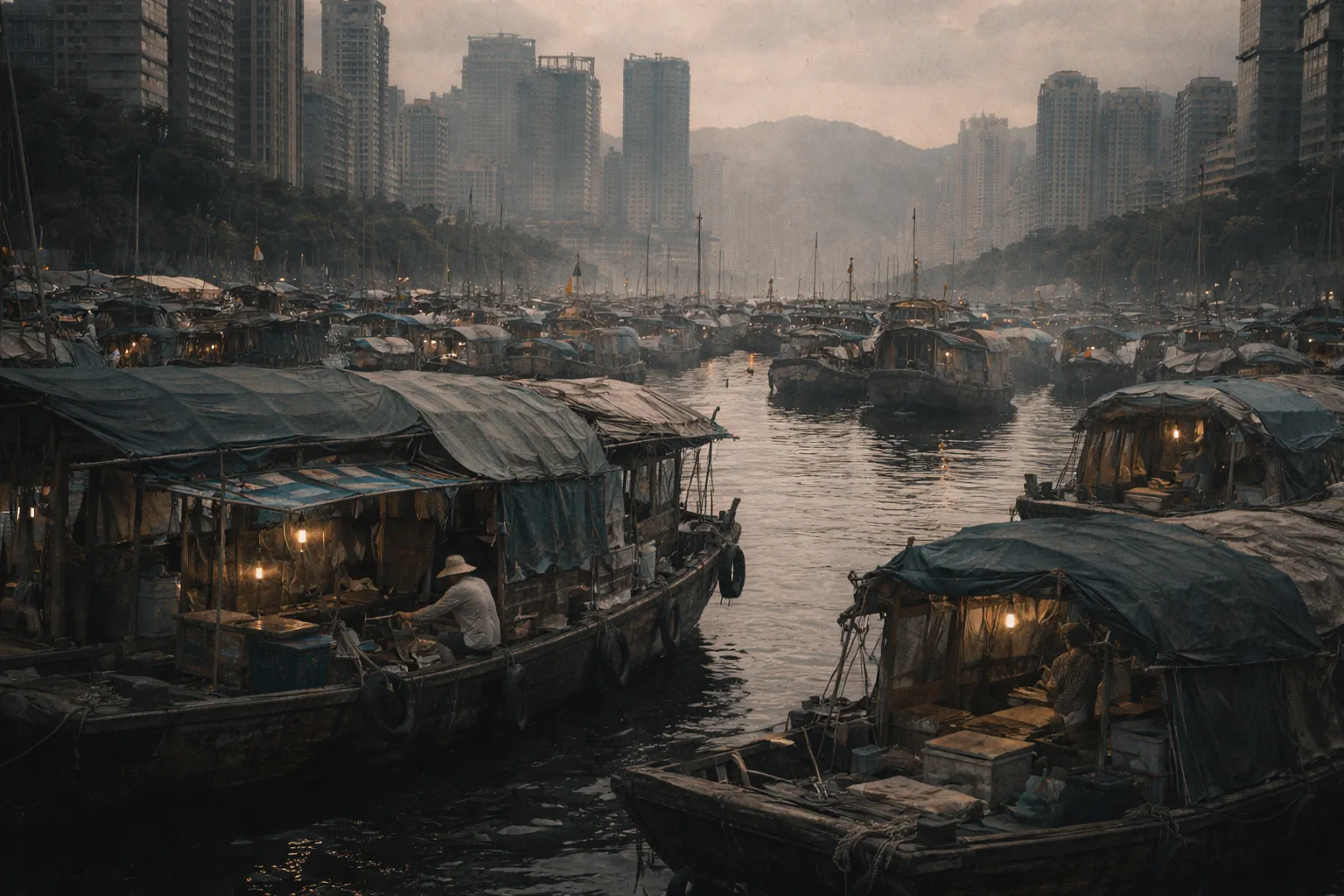
Hong Kong typhoon shelter with fishing boats and floating homes under calm water
ColumnToday in History

避風塘的日常 | Life in Hong Kong Typhoon Shelters: Floating Communities and the Rhythm of the Sea | 今日回望 | 第四章

2026-03-04

避風塘曾經是香港人生活的一部分,它並非僅僅是一個地理位置,而是一個承載了無數日常故事與記憶的地方。在那個時代,避風塘並不是為了觀光或拍照而存在的,它的意義遠超過於此。它是一個港灣,一個讓人們暫時停下腳步的地方,一個讓生活得以喘息的空間。
Along Hong Kong’s coastline, typhoon shelters once held more than boats—they held entire ways of life. These sheltered waters were home to fishing families, daily routines, and a close-knit maritime community. Defined by movement, resilience, and connection to the sea, they reveal a quieter, often overlooked side of the city’s collective memory.

清晨的避風塘,總是最先被船隻喚醒。當第一縷陽光穿透晨霧,船隻在水面上輕輕搖晃,繩索在微風中拉緊又放鬆,發出低沉的摩擦聲。這些聲音並不刺耳,反而像是一種自然的節奏,為一天的開始定下基調。在甲板上,有人開始洗臉,有人低頭修補漁網,他們的動作緩慢而專注,彷彿時間在這裡流動得格外悠長。對於這些人來說,潮汐才是他們真正的時鐘,沒有什麼能比自然的節奏更為真實。

避風塘不只是漁民的聚集地,還有許多其他角色在這裡交織出一幅豐富多彩的生活畫卷。造船師傅忙於修補老舊的木船,維修工檢查機械設備是否運轉正常,搬運工則來回穿梭於碼頭與船隻之間,搬運著各種貨物。而那些在船上長大的孩子,他們對海洋的認識並不是來自書本或課堂,而是來自每天站立的甲板、每日面對的潮汐和海風。他們的童年,是在這種漂浮而自由的環境中度過的。

在船隻之間的小水道裡,小販划著簡陋的小艇穿梭其中,販賣著熱茶、粥和簡單的飯菜。這些食物或許稱不上精緻,但它們卻是每個清晨不可或缺的一部分。人們三三兩兩地聚在一起,用簡單的餐點填飽肚子,同時交換著彼此的近況。腳下是搖晃不定的船板,但心卻是穩定而踏實的。這種平靜與安穩,在今天快節奏的城市生活中已經變得難以尋覓。

當夜幕降臨,避風塘並不會陷入一片黑暗。相反地,船上的燈光逐一亮起,像是星星點綴在水面上。這些燈光並不刺眼,而是溫暖而柔和,為夜晚增添了一層溫馨的氛圍。夜晚的避風塘,是屬於人們自己的時間。有些人三五成群地圍坐在一起聊天,有些人安靜地抽著煙,還有些人只是靜靜地坐著,看著水面上燈光的倒影隨著波浪輕輕搖曳。在這樣的時刻,時間彷彿失去了意義,人們不再為了某個目的而忙碌,而是單純地享受當下。

然而,隨著城市化進程的不斷推進,避風塘逐漸失去了它原本的樣貌。城市變得越來越快,人們追求效率與經濟利益,而避風塘這樣一個象徵著慢生活的地方,自然也無法避免被改變的命運。如今,它已經成為了地圖上的一個景點,一個供遊客拍照留念的地方。曾經停泊在這裡的船隻少了,留宿的人更是寥寥無幾。曾經充滿生活氣息的聲音變得斷斷續續,而那些溫暖而自然的燈光,也被整齊劃一的人工燈光所取代。

現在,我們更多時候只是站在岸邊,遠遠地看著避風塘。它依然美麗,但那種屬於日常生活的溫度卻已經消失了。我們只能通過回憶去感受它曾經帶給我們的那份平靜與歸屬感。然而,那些回憶並沒有被完整地記錄下來。避風塘並不是某個重大歷史事件的見證者,也無法被簡單地歸類為某一特定年份的產物。它是一段長時間累積而成的集體記憶,一種慢慢淡出的日常。

對於那些曾經以避風塘為家的漁民和工人來說,那裡不僅僅是他們工作的地方,更是一個讓他們感到安全與安心的家園。這個家園不是具體地址上的一棟房子,而是一片可以讓他們確認自己身處世界某一位置的地方。在這裡,他們可以清楚地知道自己的一天應該如何度過,可以感受到自己與自然之間緊密相連的一部分。

如今,避風塘仍然是香港的一部分,但它不再像過去那樣屬於日常生活。它變成了一個符號,一個象徵著過去生活方式和文化記憶的符號。我們應該如何看待這樣一個變遷?或許,我們需要的不只是懷舊,而是學會從中汲取智慧,重新思考我們與自然、與生活之間的關係。

在這個快速變遷、科技飛速發展的時代,我們是否還能找到屬於自己的「避風塘」?或許,我們需要的不僅僅是一個地理上的避風港,更是一種內心的安定與平靜。在這樣一個充滿挑戰與不確定性的世界裡,我們更需要學會如何在繁忙中找到屬於自己的節奏,如何在喧囂中尋回內心的平衡。

避風塘曾經教會我們的是,生活可以慢下來,可以簡單卻充實,可以在自然中找到安慰與力量。而現在,雖然它已經不再是我們日常的一部分,但它留下的記憶與啟示,依然能夠成為我們生活的一部分。如果我們願意靜下心來,去傾聽內心深處那份對平靜與安穩的渴望,也許我們就能在忙碌的人生中找到屬於自己的那片港灣。

English Version
In the sheltered inlets and harbors of Hong Kong, typhoon shelters formed a unique world that existed alongside the city yet followed its own rhythm. Designed originally to protect vessels from seasonal storms, these calm waters gradually became home to entire communities of fishermen and their families. Boats were not just tools of livelihood—they were living spaces, workplaces, and the center of daily existence. Life unfolded on the water, where routines were shaped by tides, weather, and the constant movement of the sea. From early morning preparations to late evening rest, each day was closely tied to the natural environment, creating a way of life that was both demanding and deeply connected to tradition. Within these floating communities, social bonds were strong and enduring. Families often lived in close proximity, their boats anchored side by side, forming clusters that functioned much like neighborhoods on land. Communication flowed easily across decks, and shared experiences created a sense of unity. Children grew up surrounded by water, learning skills and responsibilities at a young age, while elders passed down knowledge accumulated over generations. The sense of belonging was reinforced through daily interactions—helping one another with repairs, sharing resources, and offering support during difficult times. This collective spirit was essential in an environment where challenges were frequent and conditions could change rapidly. The typhoon shelters were also spaces of economic activity. Fishing was the primary livelihood, with boats setting out at dawn and returning with their catch to be sorted, prepared, and sold. Some families specialized in particular types of seafood, while others diversified their work to include small-scale trading or services. Over time, floating kitchens and seafood boats began to appear, offering freshly prepared dishes directly on the water. These establishments attracted visitors from the city, creating a bridge between maritime life and urban society. The exchange was not only economic but cultural, allowing people from different backgrounds to experience a way of life that was otherwise distant from the urban environment. The physical environment of the typhoon shelters was dynamic and ever-changing. Boats moved with the tides, their positions shifting subtly throughout the day. Sounds of engines, water lapping against hulls, and distant voices created a constant background rhythm. At night, lights reflected on the water’s surface, forming patterns that were both calming and alive. Unlike the fixed structures of the city, this environment was fluid, shaped by both natural forces and human activity. It offered a different perspective on space and movement, one that emphasized adaptability and resilience. As Hong Kong developed into a global city, the role and character of typhoon shelters began to change. Advances in technology, shifts in the fishing industry, and urban redevelopment gradually reduced the number of people living on boats. Many families moved ashore in search of more stable living conditions, while others adapted to new forms of work. The shelters themselves remained, but their function became more focused on their original purpose—providing safe harbor for vessels—rather than serving as residential communities. This transition marked the gradual fading of a distinctive way of life that had once been central to Hong Kong’s maritime identity. Despite these changes, the memory of life in typhoon shelters continues to hold significance. It represents a connection to the sea that predates much of the city’s modern development, reminding people of a time when livelihoods were closely tied to natural cycles and communal effort. The stories of these communities are preserved through personal narratives, historical records, and the occasional surviving practices that still echo the past. They offer insight into a form of resilience that is both practical and cultural, shaped by necessity and sustained through cooperation. Reflecting on the daily life of Hong Kong’s typhoon shelters invites a broader understanding of the city’s identity. It highlights the diversity of experiences that have contributed to its development, extending beyond the urban skyline to include the waters that surround it. These floating communities, though less visible today, played a vital role in shaping the character of Hong Kong. Their legacy endures as a reminder that the city’s history is not only built on land, but also carried across the sea, in the rhythms, relationships, and resilience of those who once called the water home.

Views: 11
延伸閱讀
《莎拉有約》第十一集|資深巴士車長的三十年(下):車長眼中的巴士世界與靈異經歷
一位資深巴士車長,三十年來每天穿梭香港大街小巷,除了面對繁忙交通、乘客和突發事故,亦累積了不少只有車長才會遇上的故事。 《莎拉有約》第十…
8月21日今日歷史・香港版|香港第一次「打颱風炮」,用炮聲通知市民颱風來了 | Today in Hong Kong History, August 21 | Hong Kong Fires Its First Typhoon Gun to Warn the Public
1884年8月21日,香港天文台首次鳴放「颱風炮」,以炮聲警告市民即將有強風。這套早期香港風暴警報方式,成為今日香港颱風警告系統的一個重…
8月20日今日歷史・香港版|香港海關成立緝毒犬小組,搜查犬走進香港執法歷史 | Today in Hong Kong History, August 20 | Hong Kong Customs Establishes Its Narcotics Dog Unit
1978年8月20日,香港海關正式成立緝毒犬小組,以大欖涌海關訓練學校為首個基地。當時小組只有兩隻在美國受訓的搜查犬和兩名領犬員,但這個…
8月19日今日歷史|蘇聯政變爆發,葉利欽站上坦克改變歷史 | Today in History, August 19 | The Soviet Coup Begins and Boris Yeltsin Defies the Hardliners
1991年8月19日,蘇聯發生震撼世界的政變。強硬派高層宣布緊急狀態,試圖推翻戈爾巴喬夫的改革;葉利欽則公開反抗,站上坦克呼籲人民抵抗。…

Tags:

boat peoplecoastal cultureFishing CommunitiesHong Kong HistoryHong Kong lifestyleHong Kong typhoon sheltersmaritime lifesea communityUrban Memory今日回望城市記憶避風塘香港故事香港文化
Other Articles
Previous

動漫早期發展歷史:日本動畫的起源與電視時代的形成 | Early Development of Anime: The Origins and Rise of Japanese Animation【動漫遊】002

Next

遊戲誌 | LV3 | 遊戲機中心為何會消失?當投幣聲成為回憶 | Why Arcades Disappeared: When the Sound of Coins Became a Memory | Game Journal

No Comment! Be the first one.

Leave a Reply Cancel reply

You must be logged in to post a comment.

  • Patreon
  • Facebook
  • Instagram
  • YouTube
  • Bluesky
  • Tumblr
  • LinkedIn

Register|Lost your password?

  • Terms of Service
  • Privacy Policy
  • Contact
  • About Us
  • Register
  • Login
  • Password Reset
  • Advertising
  • Column Sponsorship
  • plus member

Content & Corrections

This website covers films, animation, games, cultural columns, and other related content and information. Our information is primarily based on publicly available sources, official announcements, and editorial research. Content may be revised or updated when new information becomes available.
If you notice any errors, believe that information needs to be corrected, or have updated official information that may be added, please contact us by email:
📧 [email protected]
We will review the information and make updates as soon as possible after verification.
Thank you for your help and understanding.

  • Myths of the Constellations | Episode 7 | The Cost of Fire |English Comic Edition 
  • Strange Tales | The Monster in the Buckwheat  | English Comic Edition 
  • Strange Tales|Hunting a Fox | English Comic Edition
  • Myths of the Constellations|Episode 6|After the Fracture|English Comic Edition
  • Strange Tales|Biting a Ghost | English Comic Edition

ACG HK anime Chinese Mythology Dream of the Red Chamber Hong Kong History On This Day Romance of the Three Kingdoms Silent film world history 三國演義 世界歷史 中國古典小說 中國神話 今日歷史 劉備 動畫 動畫電影 古典文學 台灣旅遊 專欄 小說連載 山海經 廣東話歇後語 影評 恐怖電影 推薦 日本動畫 日本電影 曹操 林黛玉 歷史上的今天 澳門 紅樓夢 經典電影 美國電影 聊齋志異 賈寶玉 電影 電影劇情介紹 飲食 香港文化 香港旅遊 香港歷史 香港都市傳說 香港電影

Copyright 2021 - 2026 — 0studiohk.com | madefrom.hk. All rights reserved.