
Skip to content
madefrom.hk madefrom.hk madefrom.hk

Rewriting culture, history and memories beyond language and borders.

madefrom.hk madefrom.hk madefrom.hk

Rewriting culture, history and memories beyond language and borders.

  • Comics
    • Strange Tales
    • Myths of the Constellations
  • Column
    • Knowledge Hub
      • 生活篇
      • 食品篇
      • 科技篇
      • 超市篇
    • Life & Technology
    • Hong Kong Guide
    • Today in History
    • City Stories
    • Anime & Manga
    • Game Magazine
    • Toy Club
    • Language of Flowers
    • Street Notes
    • All Things
    • Music Memories
    • Chinese Idioms
    • Cantonese Sayings
    • Movie Magazine
  • Original Stories
    • 不可思議故事
    • 十三號的約定
    • 星座宮神話
    • 香港山怪談
    • 香港都市靈異傳說
  • Adapted Stories
    • romance of the three kingdoms
    • hong kong places
    • dream of the red chamber
    • strange tales
    • The house on the borderland
    • usherhouse
    • Theblackcat
  • History
    • History in 80 Seconds
    • 當年報章摘要
    • 香港歷史
    • 世界名作家
    • World Biographies
  • Movies
    • USA
    • japan
    • Korea
    • Taiwan
    • HONGKONG
    • India
    • china
    • france
    • Tunisia
    • Germany
    • Jordan
    • Switzerland
    • sweden
    • Spain
    • Palestine
    • Norway
    • Argentina
    • Brazil
  • ACG
    • Winter 2026 Anime
    • Summer 2026 Anime
    • ACGHK
      • 2016
      • 2018
      • 2019
      • 2023
      • 2024
    • 創天綜合同人祭
      • 同人表演
    • 音樂
    • 電玩
      • 玩具資訊
      • 遊戲資訊
    • 遊戲
      • SNK Neo Geo
      • PlayStation 2
      • Arcade
      • NEWS
  • 旅行
    • Hong Kong Travel
      • 土瓜灣
      • 舊建築
      • 街道
      • 單車
      • 文化
      • 交通
      • 香港書展
      • 表演
      • 廟宇
      • 教堂
      • 香港書展
      • 分享會
      • 紀念活動
      • 文化活動
      • 活動
      • 寵物
      • 巴士
      • 電車
      • 機場
      • 飲食
        • 上環
        • 中環
        • 筲箕灣
        • 西環
        • 天后
        • 旺角
        • 荔枝角
        • 佐敦道
        • 太子
        • 大角咀
        • 深水埗
        • 油麻地
        • 長沙灣
        • 黃大仙
        • 尖沙咀
        • 油塘
        • 葵芳
        • 屯門
        • 元朗
        • 上水
        • 粉嶺
        • 荃灣
        • 渡輪
      • 心理測驗
    • Macau Travel
    • International Travel
    • 日本旅遊
    • Taiwan Travel
    • Thailand Travel
  • Archive
    • 文化生活
    • 莎拉有約
  • Comics
    • Strange Tales
    • Myths of the Constellations
  • Column
    • Knowledge Hub
      • 生活篇
      • 食品篇
      • 科技篇
      • 超市篇
    • Life & Technology
    • Hong Kong Guide
    • Today in History
    • City Stories
    • Anime & Manga
    • Game Magazine
    • Toy Club
    • Language of Flowers
    • Street Notes
    • All Things
    • Music Memories
    • Chinese Idioms
    • Cantonese Sayings
    • Movie Magazine
  • Original Stories
    • 不可思議故事
    • 十三號的約定
    • 星座宮神話
    • 香港山怪談
    • 香港都市靈異傳說
  • Adapted Stories
    • romance of the three kingdoms
    • hong kong places
    • dream of the red chamber
    • strange tales
    • The house on the borderland
    • usherhouse
    • Theblackcat
  • History
    • History in 80 Seconds
    • 當年報章摘要
    • 香港歷史
    • 世界名作家
    • World Biographies
  • Movies
    • USA
    • japan
    • Korea
    • Taiwan
    • HONGKONG
    • India
    • china
    • france
    • Tunisia
    • Germany
    • Jordan
    • Switzerland
    • sweden
    • Spain
    • Palestine
    • Norway
    • Argentina
    • Brazil
  • ACG
    • Winter 2026 Anime
    • Summer 2026 Anime
    • ACGHK
      • 2016
      • 2018
      • 2019
      • 2023
      • 2024
    • 創天綜合同人祭
      • 同人表演
    • 音樂
    • 電玩
      • 玩具資訊
      • 遊戲資訊
    • 遊戲
      • SNK Neo Geo
      • PlayStation 2
      • Arcade
      • NEWS
  • 旅行
    • Hong Kong Travel
      • 土瓜灣
      • 舊建築
      • 街道
      • 單車
      • 文化
      • 交通
      • 香港書展
      • 表演
      • 廟宇
      • 教堂
      • 香港書展
      • 分享會
      • 紀念活動
      • 文化活動
      • 活動
      • 寵物
      • 巴士
      • 電車
      • 機場
      • 飲食
        • 上環
        • 中環
        • 筲箕灣
        • 西環
        • 天后
        • 旺角
        • 荔枝角
        • 佐敦道
        • 太子
        • 大角咀
        • 深水埗
        • 油麻地
        • 長沙灣
        • 黃大仙
        • 尖沙咀
        • 油塘
        • 葵芳
        • 屯門
        • 元朗
        • 上水
        • 粉嶺
        • 荃灣
        • 渡輪
      • 心理測驗
    • Macau Travel
    • International Travel
    • 日本旅遊
    • Taiwan Travel
    • Thailand Travel
  • Archive
    • 文化生活
    • 莎拉有約
Close

Search

繁體中文
Anime & MangaColumn

動漫早期發展歷史:日本動畫的起源與電視時代的形成 | Early Development of Anime: The Origins and Rise of Japanese Animation【動漫遊】002

2026-03-04

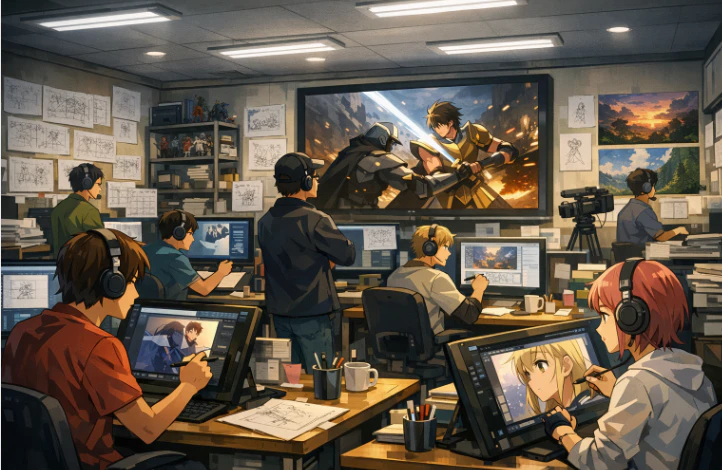
動漫,作為一種結合視覺藝術、敘事與文化表達的媒介,其早期發展歷程充滿了創新與挑戰。動漫的起源可以追溯到20世紀初期,當時的技術進步和文化交流為這一新興藝術形式奠定了基礎。以下將從歷史背景、技術演進、內容題材以及文化影響等多方面探討動漫早期的發展過程。
The early history of anime is a story of experimentation, limitation, and innovation. Long before it became a global phenomenon, Japanese animation grew from modest beginnings, shaped by cultural influences and technological constraints that would ultimately define its unique identity.

首先,動漫的誕生與動畫技術的進步密不可分。19世紀末至20世紀初,隨著攝影技術的發展和電影的興起,製作動畫的可能性逐漸浮現。法國動畫師埃米爾·科爾(Émile Cohl)於1908年創作了《幻想曲》(Fantasmagorie),被認為是世界上第一部真正意義上的動畫短片。這部作品以手繪方式製作,展示了動態影像的潛力,也為後來的動畫創作者提供了靈感。同時,美國的動畫產業也在此時萌芽,特別是華特·迪士尼(Walt Disney)於1920年代推出的《蒸汽船威利》(Steamboat Willie),不僅奠定了美國動畫的商業模式,也引領了全球動畫製作的風潮。

在日本,動漫作為一種文化形式的發展則受到多重因素影響,其中包括傳統藝術形式與西方文化的交融。日本傳統的繪畫形式,如浮世繪和漫畫(漫畫在日本原本指的是幽默、誇張的繪畫),為後來漫畫與動畫的視覺風格提供了基礎。20世紀初,日本受到了西方電影和動畫技術的影響,開始探索自己的動畫製作方式。1917年,被稱為「日本動畫之父」的北山清太郎、政岡憲三等人製作了早期的短篇動畫,如《塹壕戰》(塹壕の戦い)。這些作品雖然簡單,但標誌著日本動畫產業的起步。

隨著時間推移,動漫的內容與表現形式逐漸豐富起來。在1920年代至1930年代,日本動畫製作人開始引入更多敘事元素,並嘗試將當時流行的文學作品改編成動畫。這一時期,日本動漫受到美國動畫的明顯影響,例如迪士尼和華納兄弟作品中的角色設計和敘事手法。然而,日本動漫逐漸形成了自己的特色,特別是在角色設計和故事敘述方面更注重情感表達和細膩刻畫。

第二次世界大戰期間,日本動漫的發展受到一定限制。戰爭使得資源匱乏,許多動畫製作被用於宣傳目的,例如1943年的《桃太郎 海之神兵》,這是一部由政府資助的長篇動畫,用於提振士氣。然而,戰後日本經濟快速復甦,動漫產業也迎來了新的發展契機。這一時期,以手塚治虫為代表的一批漫畫家和動畫製作者崛起,他們開創了現代日本動漫的新局面。

手塚治虫被譽為「日本漫畫之神」,他的作品不僅在故事內容上具有深度,更在視覺表現上突破了傳統動畫的框架。他於1963年推出的《鐵臂阿童木》是日本第一部真正意義上的電視動畫系列,並且成功輸出海外,開啟了日本動漫全球化的先河。《鐵臂阿童木》採用了簡化的動畫製作方式,以降低成本,同時保持高質量的視覺表現。這種模式後來被稱為「有限動畫」,並成為日本動畫產業的一大特色。

除了技術與商業模式上的創新,動漫在早期發展中也體現了豐富多樣的文化內涵。從早期作品中可以看出,日本動漫深受本土文化和歷史影響。例如,許多故事題材取自日本傳統民間故事、神話以及歷史事件,同時也融入了現代社會中的價值觀和議題。這種文化混合使得日本動漫在國際市場上具有獨特性和吸引力。

此外,動漫早期發展的重要特徵之一是其受眾群體的多樣性。與西方動畫主要針對兒童觀眾不同,日本動漫從一開始就涵蓋了各個年齡層和不同興趣的小眾市場。這一特點使得動漫能夠以各種形式呈現,包括兒童向、少年向、少女向以及成人向作品。這種多元化的定位為後續動漫產業的繁榮奠定了堅實基礎。

總結而言,動漫早期發展是一個技術、文化與商業因素相互交織的過程。在全球化背景下,動漫吸收了來自不同文化的影響,同時又保持了自身獨特性。無論是在視覺風格、敘事結構還是內容題材上,早期動漫都展現出了極大的創造力與適應能力。正是這些早期奠基者的不懈努力,使得動漫能夠從一個新興媒介逐步發展成為今天全球流行的重要文化現象。

English Version
The early development of anime reflects a gradual transformation from experimental visual art into a distinct and influential storytelling medium. In the early 20th century, Japan encountered animation through exposure to Western works, particularly those of Walt Disney. These early influences introduced techniques such as frame-by-frame drawing and character animation, which Japanese artists began to study and adapt. However, rather than replicating Western styles directly, early animators sought to integrate these techniques with local artistic traditions, resulting in a unique visual language that would later define anime. Among the pioneers of Japanese animation was Jun’ichi Kōuchi, whose short films demonstrated the potential of animation despite significant technological and financial limitations. Early productions often relied on simple methods such as cut-out animation or chalk drawings on film, reflecting the constraints of the time. These limitations, however, encouraged creative problem-solving, leading to stylistic innovations that emphasized efficiency and expression over technical perfection. The challenges faced by early animators played a crucial role in shaping the aesthetic of anime, where suggestion and stylization often take precedence over realism. The post-war period marked a turning point in the evolution of Japanese animation. As Japan rebuilt its economy and cultural industries, animation began to gain greater prominence as a form of mass entertainment. A central figure in this transformation was Osamu Tezuka, whose influence extended far beyond manga into the realm of animation. Through works such as Astro Boy, Tezuka introduced a production model that made serialized television animation feasible. By adopting limited animation techniques—reducing the number of frames and reusing visual elements—he was able to produce content efficiently while maintaining narrative engagement. This approach not only made anime economically viable but also established many of its defining characteristics, including expressive character design and cinematic storytelling. Astro Boy’s success demonstrated that animation could reach a wide audience through television, transforming anime from a niche artistic endeavor into a mainstream medium. It also set a precedent for long-form storytelling, allowing characters and narratives to develop over extended periods. This shift was significant, as it enabled anime to explore more complex themes and emotional arcs, distinguishing it from other forms of animation that were often limited to short, self-contained stories. During the 1960s and 1970s, the anime industry began to expand rapidly, with the establishment of dedicated studios and the increasing demand for television content. This period saw the emergence of diverse genres, including science fiction, fantasy, and action, each contributing to the medium’s growing versatility. The influence of manga culture further enriched anime, providing a vast source of stories and artistic styles that could be adapted for animation. The interplay between manga and anime became a defining feature of the industry, allowing for continuous innovation and cross-media development. Technological advancements also played a significant role in the early development of anime. Improvements in production techniques, combined with the introduction of color television, expanded the visual possibilities of the medium. While early anime remained constrained by budget and resources, these advancements allowed for greater experimentation and refinement. Over time, the balance between efficiency and creativity became a hallmark of anime production, enabling studios to produce compelling content within practical limitations. The global recognition of anime began to take shape in the late 20th century, as Japanese animation started to reach international audiences through television broadcasts and home video distribution. This exposure introduced viewers around the world to anime’s distinctive style and storytelling approach, laying the groundwork for its eventual global popularity. In the modern era, platforms such as Netflix and Crunchyroll continue to expand the reach of anime, making it accessible to a diverse and global audience. The early development of anime is ultimately a story of adaptation and resilience. Faced with limited resources and external influences, Japanese animators forged a path that balanced constraint with creativity. Their innovations not only established the foundations of anime but also demonstrated the potential of animation as a medium for complex and meaningful storytelling. Today, the legacy of these early pioneers continues to shape the evolution of anime, reminding us that even the most influential cultural movements often begin with modest and experimental origins.

Views: 10
延伸閱讀
最終楽章 響け!ユーフォニアム 前編:青春與音樂交織的最終篇章 | Sound! Euphonium Final Movement Part 1: A Crescendo of Youth and Music | JAPAN Film | Trailer | 電影資料庫 | 2026 
當一段青春走向終章,音樂往往成為最深刻的記憶。《最終楽章 響け!ユーフォニアム 前編》作為系列集大成的開端,不僅延續過去的情感累積,也為…
日本動畫黃金年代的誕生:從手塚治虫到機械人時代 | The Birth of Japan’s Anime Golden Age: From Osamu Tezuka to the Mecha Era | 動漫遊 033
日本動畫的黃金年代起源於1960至1980年代,從手塚治虫開創電視動畫模式,到Mazinger Z帶動機械人熱潮,逐步形成完整產業鏈。這…
機械人動畫為何風靡亞洲:文化共鳴與市場力量的結合 | Why Mecha Anime Conquered Asia: Cultural Resonance and Market Power | 動漫遊 032
從Mazinger Z到UFO Robo Grendizer,機械人動畫在亞洲迅速走紅,成為跨世代的文化記憶。其成功不僅來自熱血戰鬥與巨…
日本70年代超級機械人動畫文化:鋼鐵英雄與時代精神 | Super Robot Anime Culture of 1970s Japan: Steel Heroes and the Spirit of an Era   | 動漫遊 031
1970年代是日本超級機械人動畫的黃金時期,從Mazinger Z到UFO Robo Grendizer,作品塑造了駕駛巨大機械人對抗邪…

Tags:

1950年代動畫1960年代動漫Animation Originsanime historyanime industryAstro BoyCultural EvolutionDigital MediaEarly AnimeJapanese animationOsamu Tezuka動漫發展史動漫起源動畫產業發展動畫製作史日本動畫歷史日本電視動畫
Other Articles
香港奧卑利街坡道與住宅街景
Previous

【街道筆錄】香港奧卑利街:殖民司法記憶與中環邊緣的靜謐街道|Old Bailey Street Hong Kong: A Quiet Edge of Law and Colonial Memory

Hong Kong typhoon shelter with fishing boats and floating homes under calm water
Next

避風塘的日常 | Life in Hong Kong Typhoon Shelters: Floating Communities and the Rhythm of the Sea | 今日回望 | 第四章

No Comment! Be the first one.

Leave a Reply Cancel reply

You must be logged in to post a comment.

  • Patreon
  • Facebook
  • Instagram
  • YouTube
  • Bluesky
  • Tumblr
  • LinkedIn

Register|Lost your password?

  • Terms of Service
  • Privacy Policy
  • Contact
  • About Us
  • Register
  • Login
  • Password Reset
  • Advertising
  • Column Sponsorship
  • plus member

Content & Corrections

This website covers films, animation, games, cultural columns, and other related content and information. Our information is primarily based on publicly available sources, official announcements, and editorial research. Content may be revised or updated when new information becomes available.
If you notice any errors, believe that information needs to be corrected, or have updated official information that may be added, please contact us by email:
📧 [email protected]
We will review the information and make updates as soon as possible after verification.
Thank you for your help and understanding.

  • Myths of the Constellations | Episode 7 | The Cost of Fire |English Comic Edition 
  • Strange Tales | The Monster in the Buckwheat  | English Comic Edition 
  • Strange Tales|Hunting a Fox | English Comic Edition
  • Myths of the Constellations|Episode 6|After the Fracture|English Comic Edition
  • Strange Tales|Biting a Ghost | English Comic Edition

ACG HK anime Chinese Mythology Dream of the Red Chamber Hong Kong History On This Day Romance of the Three Kingdoms Silent film world history 三國演義 世界歷史 中國古典小說 中國神話 今日歷史 劉備 動畫 動畫電影 古典文學 台灣旅遊 專欄 小說連載 山海經 廣東話歇後語 影評 恐怖電影 推薦 日本動畫 日本電影 曹操 林黛玉 歷史上的今天 澳門 紅樓夢 經典電影 美國電影 聊齋志異 賈寶玉 電影 電影劇情介紹 飲食 香港文化 香港旅遊 香港歷史 香港都市傳說 香港電影

Copyright 2021 - 2026 — 0studiohk.com | madefrom.hk. All rights reserved.