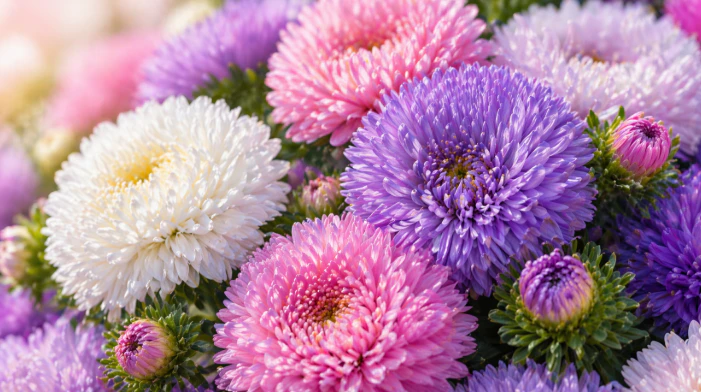
翠菊以細膩花瓣與柔和色彩著稱,象徵純真與思念,在不同文化中承載情感與記憶,既溫柔亦深刻,成為花語中極具情感深度的代表之一。
Asters are admired for their delicate petals and gentle hues, symbolizing innocence and remembrance. Across cultures, they carry emotional depth and quiet beauty, making them a meaningful expression of memory and connection.
中文
翠菊的花語在花卉象徵體系中具有細膩而深遠的意義,它常被視為思念、純真與永恆之美的象徵,在東方文化中,翠菊帶有一種安靜而內斂的情感,象徵著對過去的回望與對情感的珍惜,其柔和的花形與細密的花瓣讓人聯想到細水長流的情感,並非強烈張揚,而是一種持續而溫柔的存在,這使翠菊常被用於表達懷念、祝福與默默的關心,在西方文化中,翠菊與愛情和耐心相關,特別是在古希臘神話中,翠菊被視為星星的化身,因此也象徵希望與指引,這種帶有宇宙意象的花語讓翠菊不僅停留在情感層面,更延伸至精神與信念的象徵,在花語系統中,翠菊與玫瑰形成有趣的對比,玫瑰代表直接而熱烈的愛情,而翠菊則偏向含蓄與長久的情感,它不強調瞬間的激情,而更接近於時間沉澱後的情感厚度,這種差異使翠菊在送花語境中更適合表達深層關係,例如友情、思念或對某段關係的珍惜,在顏色方面,翠菊的不同色彩亦賦予其多重意義,紫色翠菊象徵智慧與尊貴,粉色代表溫柔與愛意,白色象徵純潔與真誠,藍色則帶有冷靜與理性的氣質,這些顏色讓翠菊在不同情境中能夠傳達更細緻的情感層次,當我們將翠菊放在整體花語文化中觀察,可以看到它與向日葵、百合、菊花等花形成一種情感光譜,向日葵象徵追尋與希望,百合代表純潔與重生,菊花象徵堅韌與思念,而翠菊則介於其中,既有純真的一面,也帶有記憶與時間的重量,因此在許多文化中,翠菊亦被用於紀念與哀悼場合,象徵對逝去之人的懷念與祝福,但與菊花的莊重不同,翠菊的情感更為柔和,帶有一種溫暖的距離感,總體而言,翠菊的花語並非單一,而是一種融合純真、思念與希望的複合象徵,它既可以代表愛情中的等待,也可以象徵友情中的長久陪伴,更可以表達對生命與記憶的溫柔理解,讓人們在花語之中找到屬於自己的情感投射.
English Version
The meaning of aster flowers reflects a delicate balance between emotion and symbolism, often associated with memory, innocence, and enduring beauty, in many Eastern interpretations asters convey a sense of quiet reflection and emotional continuity, representing feelings that are not loudly expressed but deeply felt over time, their soft structure and intricate petals evoke a sense of gentle persistence, making them ideal for expressing remembrance, appreciation, and subtle affection, in Western traditions asters are closely linked with love and patience, and in ancient Greek mythology they were believed to be created from stardust, giving them a celestial symbolism connected to hope and guidance, this association elevates the aster beyond simple emotional meaning into a symbol of belief and inspiration, when compared to roses, which are widely known as the ultimate symbol of passionate love, asters offer a more nuanced expression of feeling, focusing on lasting connection rather than immediate intensity, they are often chosen to represent friendships, enduring relationships, and quiet admiration, color variations further expand their symbolic range, purple asters suggest wisdom and dignity, pink conveys gentle love and affection, white reflects purity and sincerity, while blue tones bring a sense of calm and clarity, within the broader language of flowers asters sit alongside other symbolic blooms such as sunflowers, lilies, and chrysanthemums, each representing different aspects of emotional experience, sunflowers embody optimism and the pursuit of light, lilies represent purity and renewal, chrysanthemums symbolize resilience and remembrance, while asters bridge these ideas by combining innocence with emotional depth, they are frequently used in commemorative settings as well, offering a softer and more comforting expression of remembrance compared to more solemn flowers, overall the aster stands as a versatile and meaningful flower, capable of expressing a wide range of human emotions from love and friendship to memory and hope, making it a timeless presence in the symbolic language of flowers.