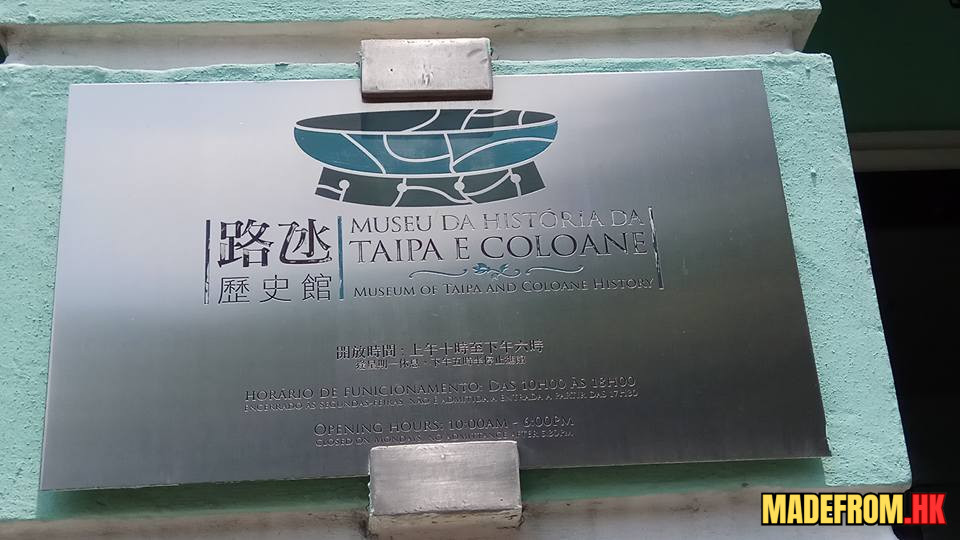
在繁華賭城之外,澳門仍保留著靜謐而細膩的歷史角落。位於氹仔的路氹歷史館,以典雅的葡式建築與生活化的展覽,呈現昔日居民的日常軌跡。走進其中,不只是參觀展品,更像穿越時光,感受中西文化交融下的生活溫度與城市記憶。
Beyond the neon glow and casino skyline, Macau quietly preserves fragments of its layered past. Nestled in Taipa, the Taipa Houses Museum offers an intimate look into everyday life shaped by Portuguese and Chinese influences. Walking through its rooms feels less like visiting a museum and more like stepping into a living narrative of memory, identity, and cultural fusion.
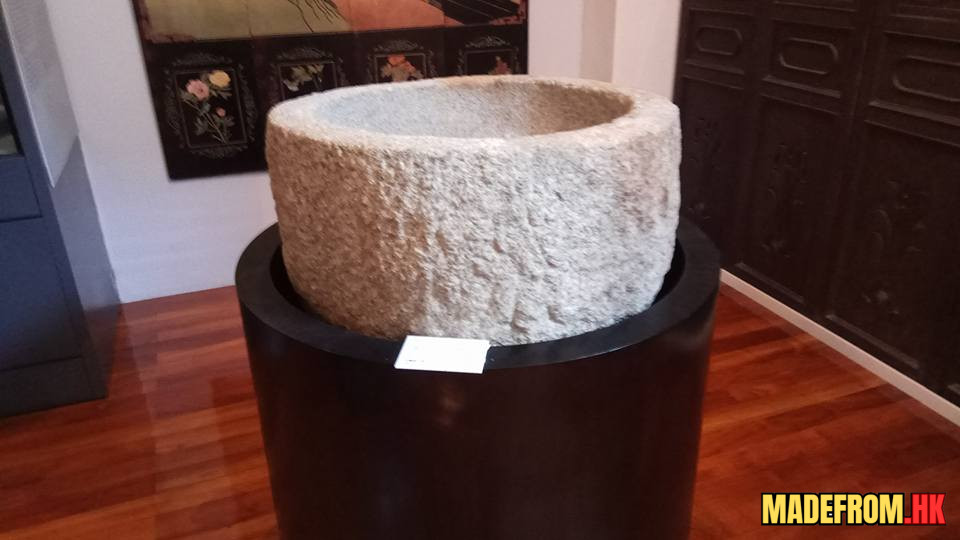
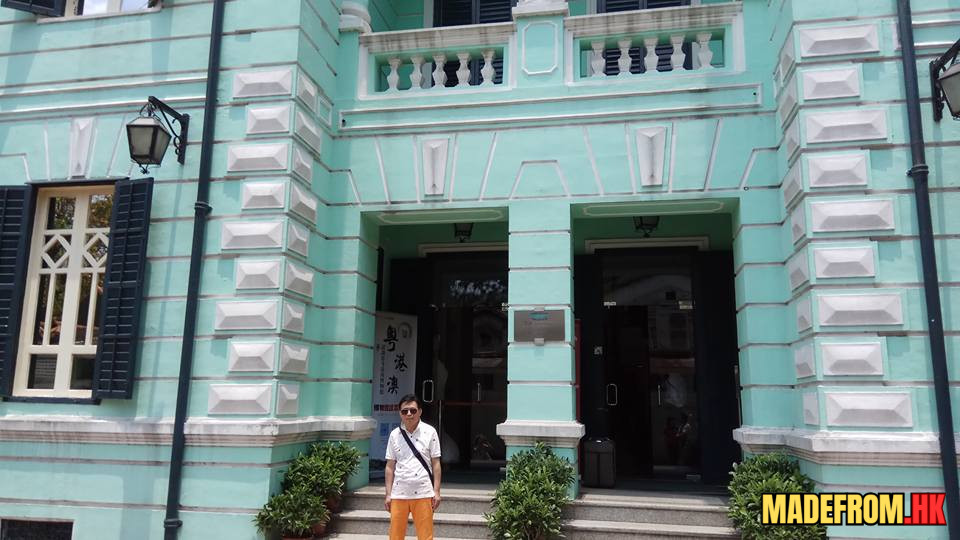
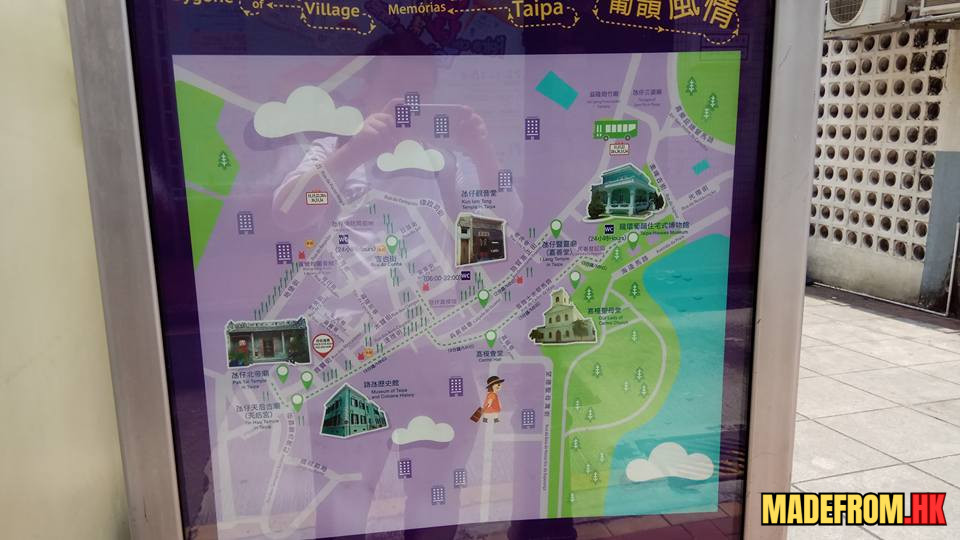
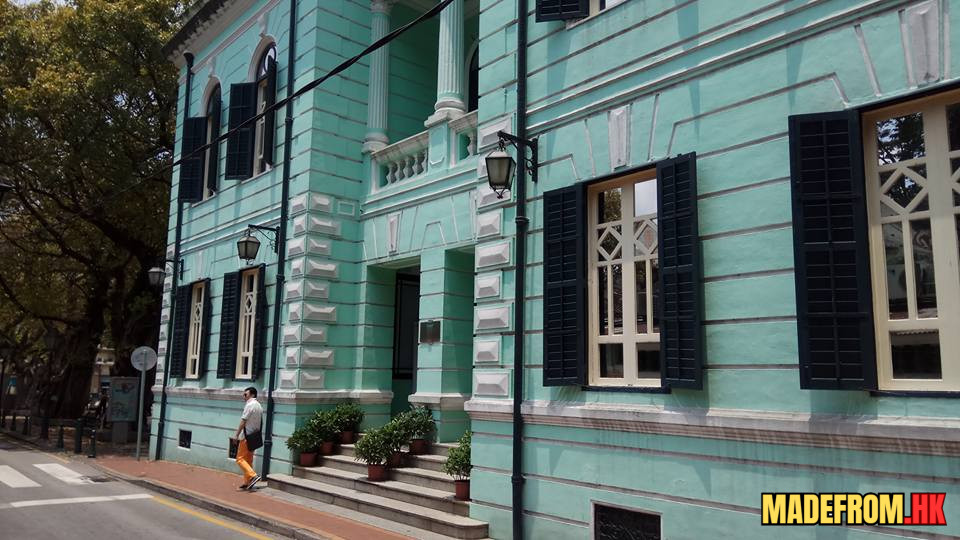
澳門路氹歷史館坐落於氹仔海邊馬路一帶,這片區域曾是葡萄牙人聚居的重要地段。五幢薄荷綠色的建築並排而立,色調柔和而典雅,成為澳門極具代表性的文化地標。這些建築原為上世紀初的住宅,如今經過修復與活化,轉變為展示澳門歷史與生活文化的重要場域。
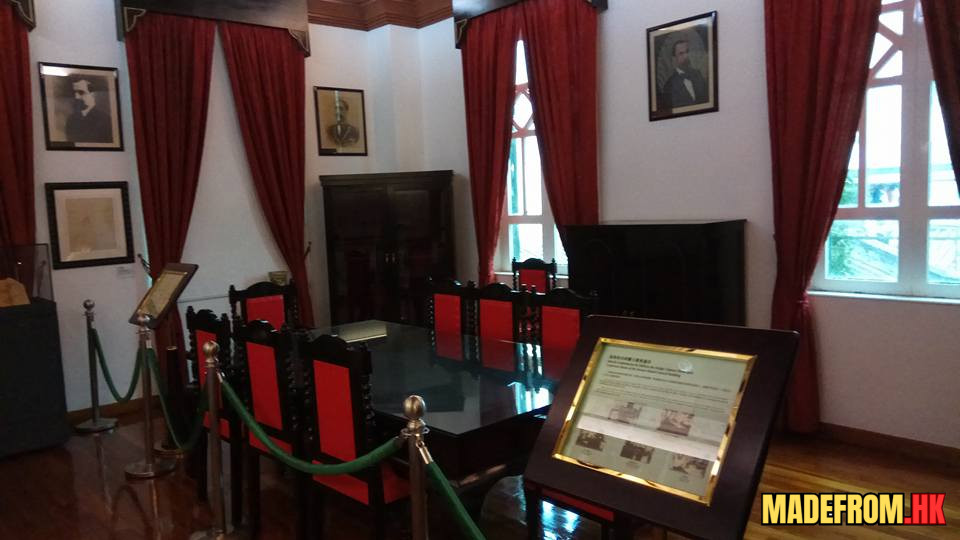
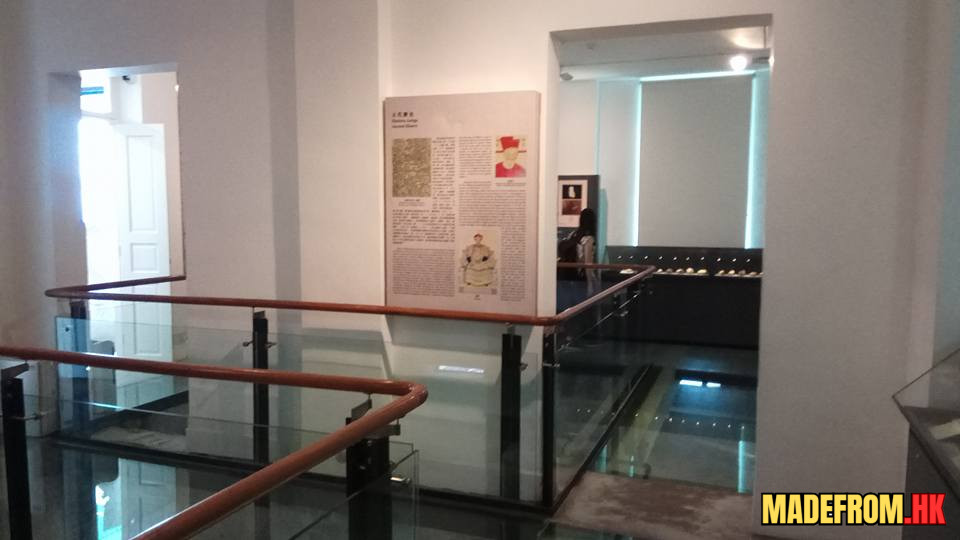
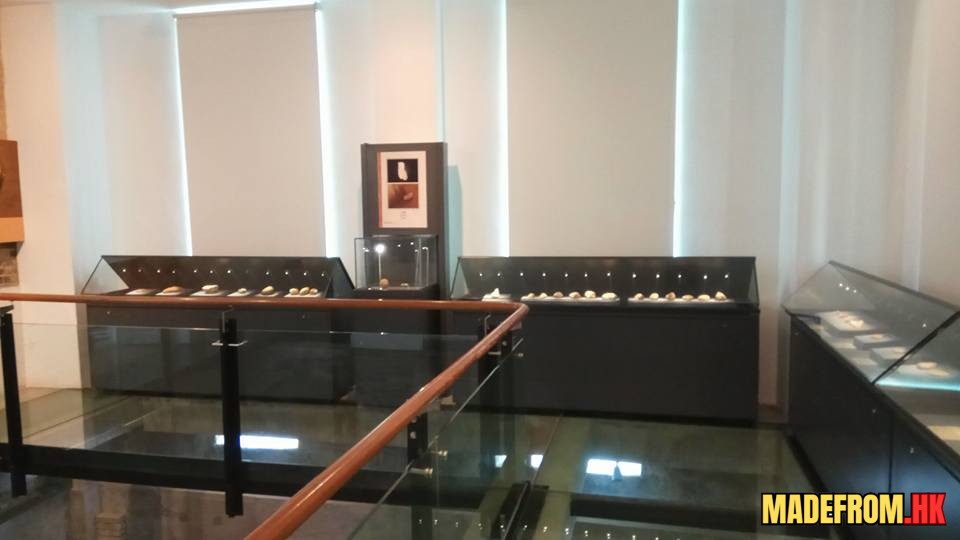
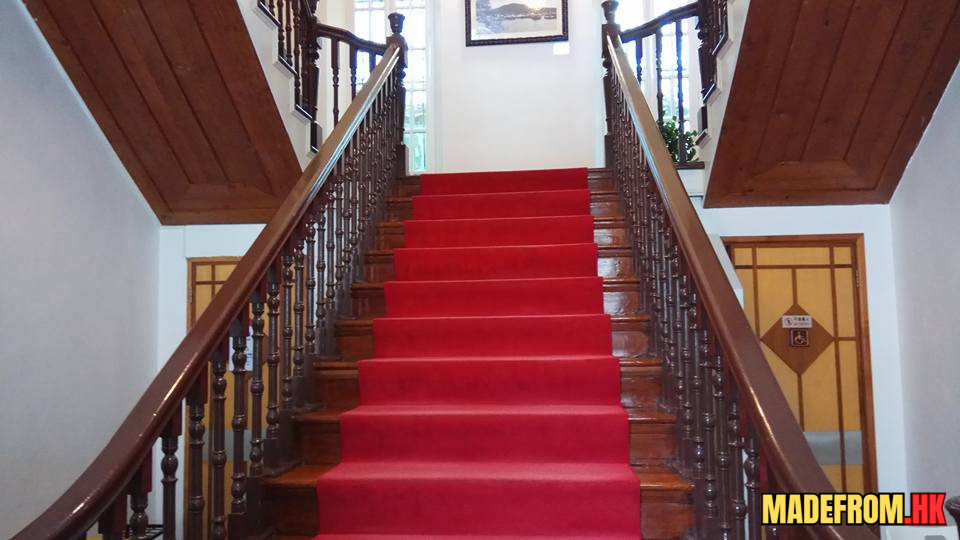
走進館內,首先映入眼簾的是充滿歐洲風格的家具與裝飾。木製傢俱、花紋地磚與復古燈飾,共同營造出一種沉靜而細緻的生活氛圍。展覽並非單純陳列文物,而是透過場景重建,呈現昔日家庭的生活方式。客廳、飯廳與睡房的佈置,都細膩地反映出當時中產階級的日常起居。
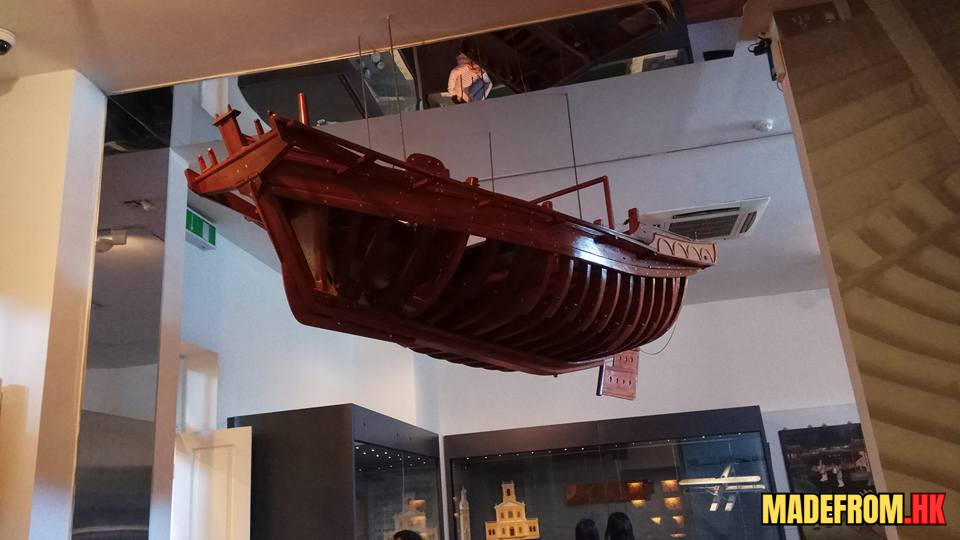
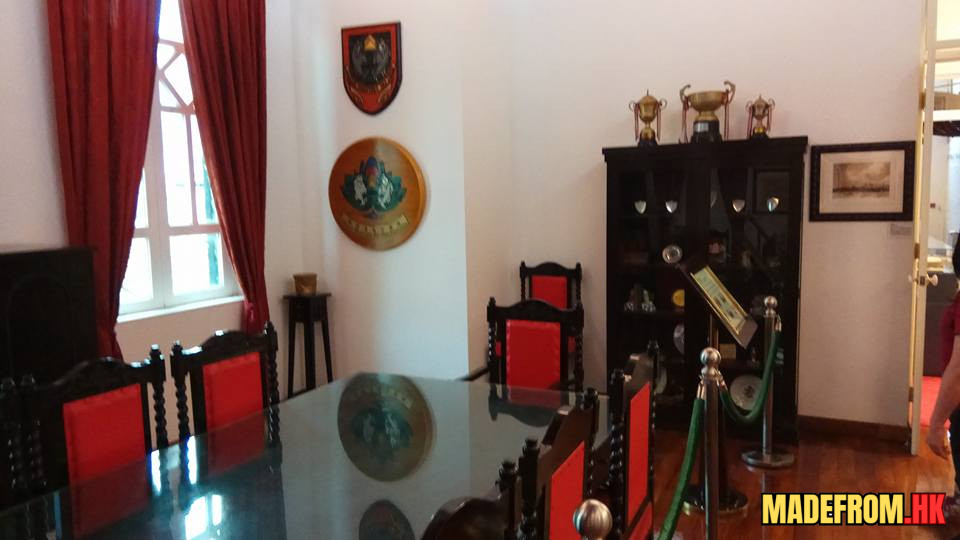
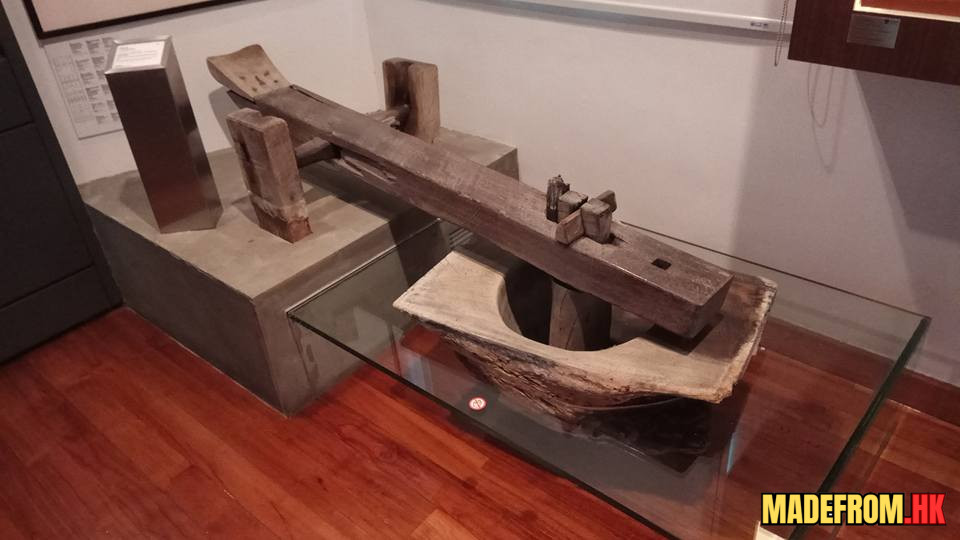
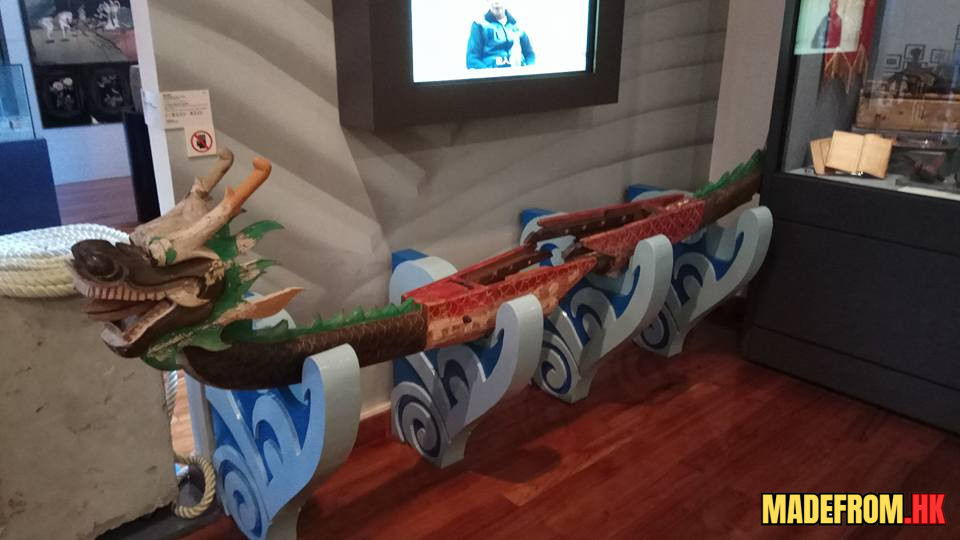
其中一個展館特別聚焦於澳門土生葡人的文化。這個族群融合了葡萄牙與亞洲血統,其語言、飲食與生活習慣都帶有獨特的混合特徵。透過照片、服飾與文獻,可以看到這種文化如何在澳門發展並延續,成為城市不可或缺的一部分。
除了室內展覽,戶外空間同樣值得細細品味。館外的花園綠意盎然,與遠方的海景相互呼應,形成一幅寧靜而開闊的畫面。這裡曾是居民散步與社交的場所,如今則成為遊客放慢腳步、感受歷史氛圍的理想地點。
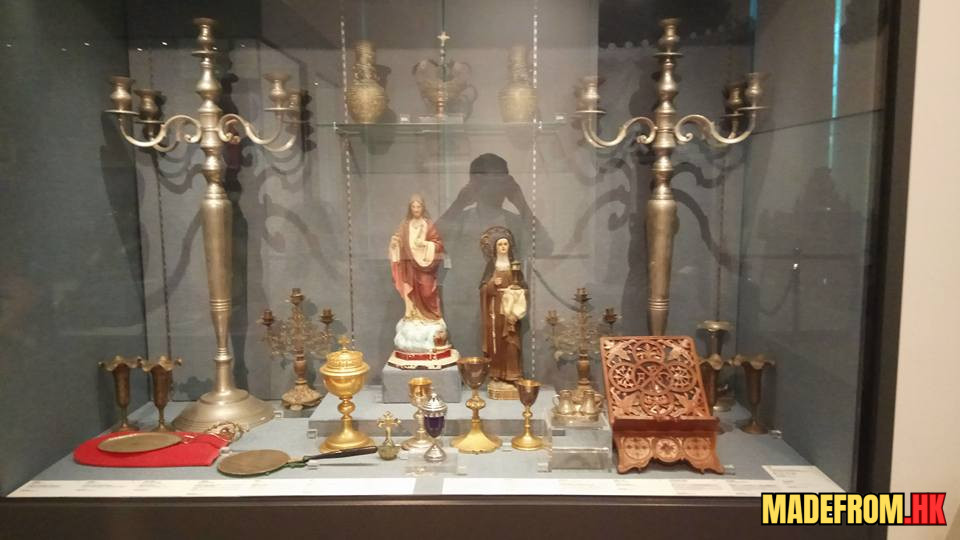
路氹歷史館的魅力,在於它不以宏大敘事取勝,而是透過細節說故事。每一件家具、每一張舊照片,都是城市記憶的片段。這些細碎的元素拼湊起來,構成了一幅關於澳門的生活圖景,讓人得以理解這座城市如何在不同文化之間找到平衡。
對於喜歡深度旅遊的人而言,這裡是一個不可錯過的地方。相比熱鬧的娛樂設施,這座博物館提供了一種更內斂的體驗。它讓人靜下心來,重新認識澳門的另一面——一個有歷史、有故事,也有人情味的地方。
隨著文化保育意識的提升,路氹歷史館不僅是展示空間,更是一種文化傳承的象徵。它提醒人們,在快速發展的城市中,歷史與記憶同樣值得被珍視與延續。這種價值,使得這個地方不僅具有觀光意義,也具有深遠的文化意義。
English
The Taipa Houses Museum stands quietly along the waterfront in Taipa, offering a striking contrast to Macau’s modern skyline. Its row of pastel green colonial houses reflects a time when the area was home to Portuguese families. Carefully restored, these buildings now serve as a cultural space where history is not just displayed, but gently reimagined.
Inside, the museum unfolds through carefully curated interiors rather than traditional exhibits. Rooms are arranged to resemble lived-in spaces, complete with vintage furnishings, ceramic tiles, and soft lighting. This immersive approach allows visitors to experience the rhythm of domestic life rather than simply observe it from a distance.
One of the highlights is the exploration of the Macanese community—a unique cultural group formed through centuries of interaction between Portuguese settlers and Asian populations. Through archival photographs, personal items, and storytelling elements, the museum reveals how this hybrid identity shaped everything from cuisine to language and social customs.
The outdoor setting adds another layer to the experience. Lush gardens surround the houses, and the nearby waterfront opens up a calming horizon. It’s easy to imagine how this area once functioned as a social and residential hub, where daily life unfolded at a slower, more deliberate pace.
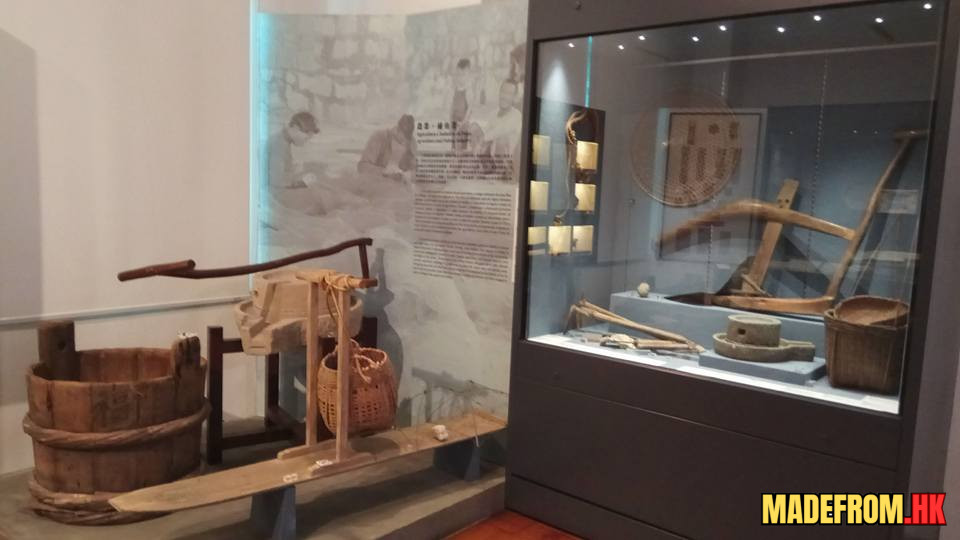
What makes the museum particularly compelling is its attention to nuance. Rather than focusing on grand historical events, it highlights the quiet details of everyday existence. These fragments—furniture, letters, clothing—collectively form a narrative that feels personal and relatable, even to those unfamiliar with Macau’s past.
For travelers seeking depth rather than spectacle, this site offers a refreshing alternative. It invites reflection, encouraging visitors to look beyond the surface of Macau’s identity and appreciate its cultural layers. In doing so, it transforms a simple visit into a meaningful encounter with history.
As heritage conservation becomes increasingly important in urban environments, the Taipa Houses Museum stands as a reminder of what can be preserved. It bridges the past and present, ensuring that the stories embedded within its walls continue to resonate with future generations.
總結
路氹歷史館以細膩的生活展示,呈現澳門獨特的文化融合。它不只是景點,更是記憶的容器,讓人重新理解城市的深度與溫度。
Conclusion
The Taipa Houses Museum captures Macau’s layered identity through intimate storytelling. More than a destination, it preserves memory and offers a thoughtful perspective on culture and continuity.