在澳門繁華的娛樂產業背後,氹仔仍保留著一種深層而質樸的文化氣息。散落於街巷之間的古老廟宇,不僅是宗教信仰的場所,更是社區歷史的見證。從香火繚繞的殿堂到細緻雕刻的建築細節,每一座廟宇都承載著居民的記憶與情感,讓人得以窺見澳門另一種靜謐而深遠的面貌。
Away from Macau’s vibrant entertainment scene, Taipa offers a quieter narrative shaped by tradition and belief. Hidden among its streets are historic temples that serve not only as places of worship but also as living records of community life. From drifting incense smoke to intricate architectural carvings, each temple reveals a story of devotion, resilience, and cultural continuity that defines a different side of Macau.
氹仔作為澳門重要的歷史區域之一,其文化發展深受中西交融影響。然而,在葡式建築與現代發展之外,傳統廟宇依然靜靜地守護著本土信仰。這些廟宇多建於清代或更早時期,是當地居民精神寄託的重要場所。
走進氹仔的廟宇,可以感受到一種與城市節奏截然不同的氛圍。香火氤氳,鐘聲悠遠,信眾虔誠祈願,讓整個空間充滿寧靜與莊重。這些廟宇供奉的神祇各有不同,包括天后、關帝與土地神等,反映出漁民、商人與居民對不同守護力量的依賴。
建築本身亦極具觀賞價值。廟宇多採用傳統嶺南風格,屋脊裝飾華麗,雕刻精細。龍鳳圖案、彩繪木樑與石刻細節,展現出高超的工藝水平。這些元素不僅具有裝飾功能,更蘊含吉祥與祈福的象徵意義。
其中,一些廟宇與當地節慶活動緊密相連。例如在重要節日,會舉行祭祀、巡遊與戲曲表演,吸引大量居民與遊客參與。這些活動不僅延續傳統文化,也強化了社區凝聚力,使廟宇成為公共生活的重要核心。
氹仔廟宇的存在,也反映出澳門多元文化的另一面。與教堂、葡式建築並存,這些廟宇構成了一種文化對話,讓不同信仰與歷史背景在同一空間中共存。這種包容性,是澳門文化最獨特的特質之一。
對旅客而言,探索這些廟宇是一種深度體驗。相比熱門景點,這些地方更具真實感與生活氣息。遊客可以在此放慢腳步,觀察細節,理解當地人的信仰與價值觀。
在城市快速發展的背景下,這些廟宇的保存顯得尤為重要。它們不僅是歷史建築,更是文化記憶的載體。透過保育與活化,這些空間得以延續其功能與意義,讓未來世代仍能感受到其中蘊藏的精神力量。
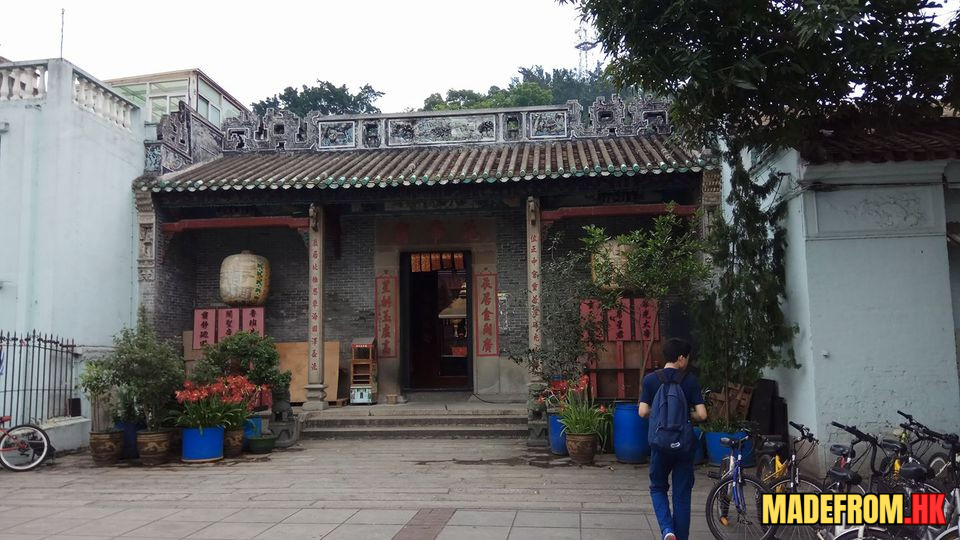
氹仔天后古廟
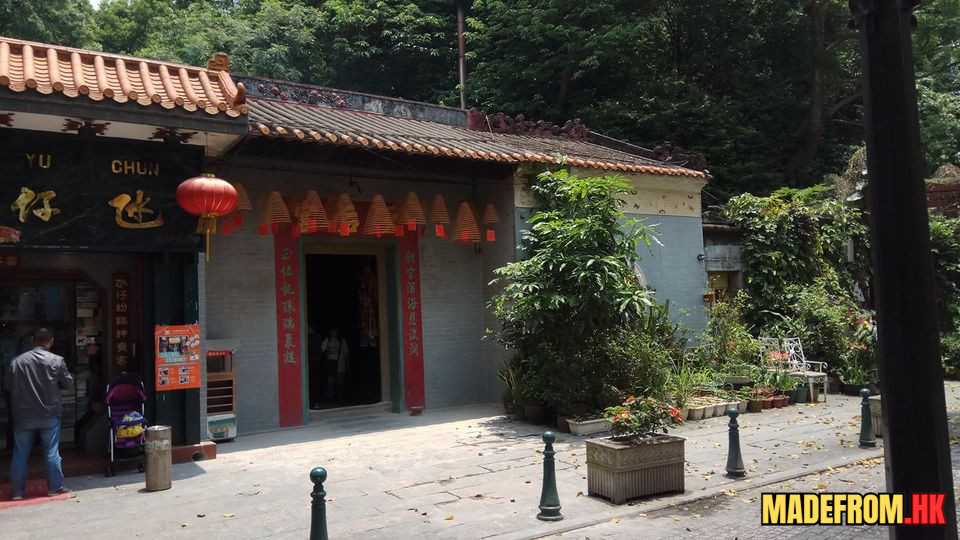
氹仔北帝廟
English Version
Taipa’s temples offer a compelling contrast to Macau’s modern identity. While the city is often associated with entertainment and tourism, these sacred spaces reveal a quieter, deeply rooted cultural layer. Built decades or even centuries ago, they continue to serve as spiritual anchors for local communities.
Stepping into a temple in Taipa feels like entering a different rhythm of life. The air is filled with incense, and the atmosphere is calm yet reverent. Visitors encounter worshippers offering prayers, lighting incense, and seeking guidance from deities that have long been part of daily life.
Each temple reflects specific aspects of local belief systems. Some are dedicated to sea goddesses who protected fishermen, while others honor deities associated with justice, prosperity, or land. These choices reveal the historical occupations and concerns of the people who built and maintained them.
Architecturally, the temples are rich in detail. Traditional Lingnan influences are evident in the sweeping rooflines, ornate ridge decorations, and vibrant carvings. Symbolic motifs such as dragons and phoenixes are not merely decorative—they represent protection, harmony, and good fortune.
Beyond their religious function, these temples are also cultural hubs. Festivals bring them to life with ceremonies, performances, and communal gatherings. During these times, the temples become spaces where tradition is actively lived rather than simply remembered.
The coexistence of temples alongside churches and colonial architecture highlights Macau’s cultural diversity. In Taipa, different traditions are not separated but woven together, creating a layered identity that is both complex and harmonious.
For travelers, visiting these temples offers a more introspective experience. It’s an opportunity to engage with the spiritual and cultural dimensions of Macau, بعيد from the typical tourist path. The quietness of these spaces encourages observation, reflection, and a deeper appreciation of heritage.
As urban landscapes continue to evolve, preserving these temples becomes increasingly important. They are more than historical structures—they are living expressions of identity. Maintaining them ensures that the stories, beliefs, and traditions they embody will continue to resonate in the future.
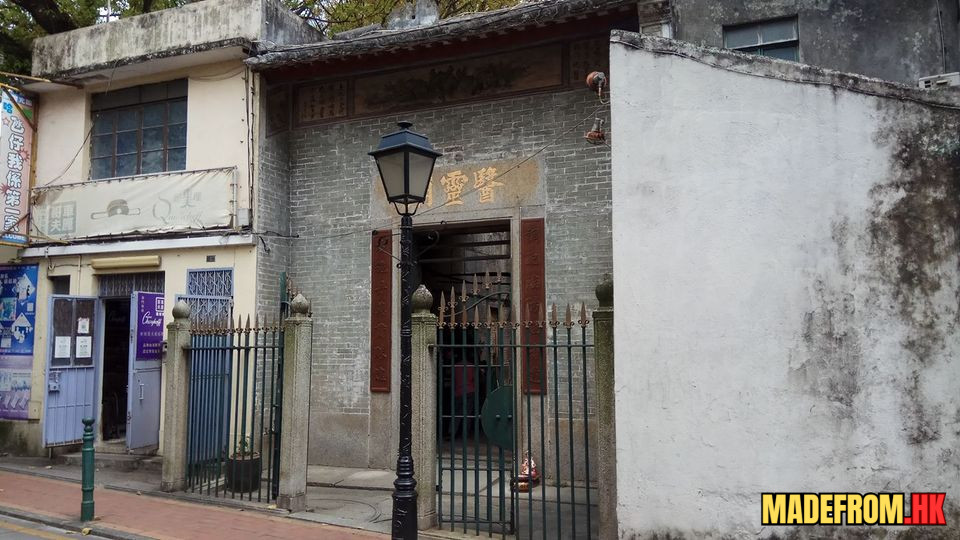
氹仔醫靈廟
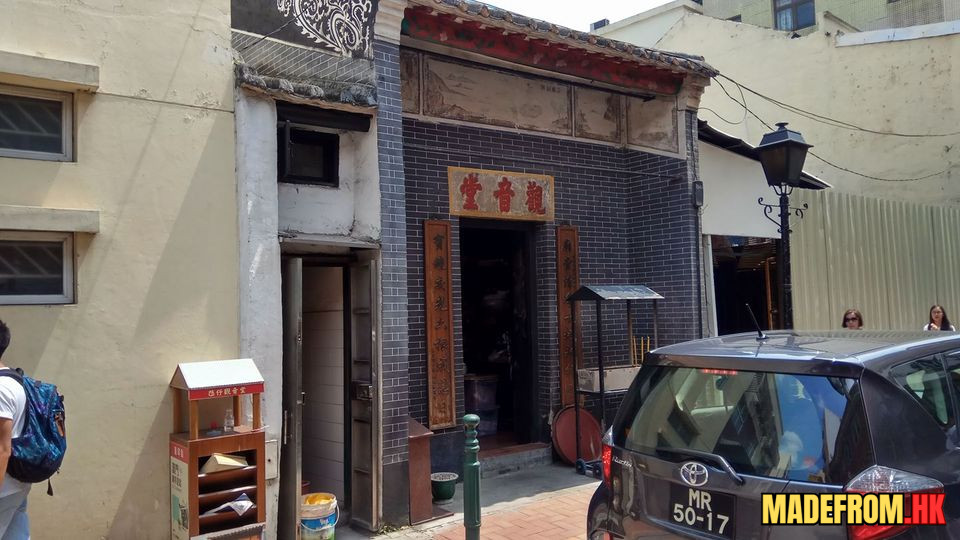
路氹觀音堂
總結
氹仔廟宇承載著信仰與歷史,展現澳門文化的深層脈絡。在寧靜氛圍中,它們讓人重新認識這座城市的精神根源。
Conclusion
Taipa’s temples reveal the spiritual depth of Macau. Quiet yet powerful, they preserve tradition and offer a meaningful connection to the city’s cultural essence.