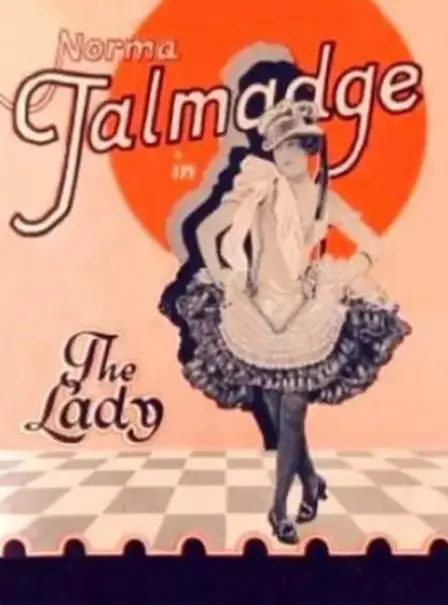
《貴婦人》是1925年上映的美國默片劇情電影,由默片時代著名女星Norma Talmadge主演。電影透過一名女性在愛情、婚姻與社會壓力中的人生經歷,描繪1920年代女性在傳統價值與個人情感之間的掙扎。影片結合浪漫、悲劇與社會寫實元素,以濃厚情感與細膩人物描寫,展現默片時代女性電影的成熟魅力。
Released in 1925, The Lady is a dramatic silent feature starring celebrated actress Norma Talmadge. The film explores themes of love, sacrifice, motherhood, and social expectation through the emotional journey of a woman struggling to survive within a judgmental society. Combining romance with tragedy and social realism, the movie reflects the growing complexity of female-centered storytelling during the silent era.
電影內容
《貴婦人》的故事圍繞一位年輕女性展開,她出身平凡,卻因愛情與命運變化而逐漸被捲入複雜的人生困境。她原本對未來充滿理想,希望能透過愛情與婚姻獲得幸福與安穩生活。然而現實並不像她想像般美好,感情中的背叛、社會對女性的偏見,以及階級差異帶來的壓力,逐漸改變她的人生方向。電影描寫她在困境中不斷作出艱難選擇,從純真的少女逐漸成長為承受痛苦與責任的成熟女性。影片最核心的主題是女性在社會規範中的脆弱處境。主角雖然努力追求愛情與尊嚴,但她的人生往往受到男性權力、道德標準與社會眼光左右。電影呈現1920年代女性面對的現實壓力,包括婚姻依附、名譽問題以及經濟不平等。即使主角內心堅強,她依然難以真正掌握自己的命運。這種帶有悲劇色彩的人生描寫,使電影不只是愛情故事,更像對當時女性處境的情感觀察。Norma Talmadge的演出是電影最大亮點之一。她擅長以細膩表情與情緒轉變呈現角色內心掙扎,即使沒有對白,觀眾依然能感受到角色的孤獨、失望與堅持。電影大量利用特寫鏡頭,讓角色情感更加直接而強烈。片中的服裝與場景則展現1920年代上流社會的華麗氣氛,但這種奢華外表之下,其實隱藏著情感壓抑與道德束縛。電影同時帶有濃厚 melodrama 色彩,角色命運起伏劇烈,愛情與悲傷交錯,形成高度戲劇化效果。然而影片並非單純煽情,而是透過角色遭遇反映當時社會對女性價值的矛盾態度。一方面女性被期待純潔與順從,另一方面她們又被迫在現實中承受犧牲與壓力。電影中的「Lady」不只是身份稱呼,更像一種社會角色象徵,代表女性被迫維持優雅與體面,即使內心早已傷痕累累。與同年代偏向娛樂性的喜劇或冒險片相比,《貴婦人》更加重視情感深度與角色心理。影片以緩慢而憂鬱的節奏描繪人生無奈,讓觀眾感受到默片時代女性電影特有的感傷氣氛。即使今日觀看,電影依然能讓人感受到女性在愛情與社會之間掙扎的普遍情感,展現早期電影對女性命運與情感世界的深刻描寫。
English Version
The Lady tells the story of a young woman whose hopes for love and stability gradually collapse beneath the pressures of social expectation and emotional betrayal. Born into modest circumstances, she dreams of building a respectable and fulfilling life through romance and marriage. Yet the world around her proves far less compassionate than she imagined. As relationships fail and circumstances become increasingly difficult, she is forced to make painful choices that reshape her identity and future. What begins as a romantic drama slowly evolves into a portrait of emotional endurance and personal sacrifice. At its core, the film explores the fragile position of women within early twentieth-century society. Although the protagonist possesses dignity and emotional strength, her life is constantly shaped by male authority, class divisions, and rigid moral expectations. Love becomes inseparable from social judgment, while reputation carries enormous consequences for a woman’s survival and security. The film reflects the harsh realities faced by many women during the 1920s, particularly the limited control they possessed over their own futures. Rather than presenting a simplistic romance, the narrative reveals how emotional vulnerability and social inequality can trap individuals within painful circumstances. Norma Talmadge delivers a deeply expressive performance that anchors the entire film. Known for her emotional subtlety, she communicates sorrow, resilience, hope, and despair through gesture and facial expression alone. Her portrayal transforms the character into a fully human figure rather than a melodramatic stereotype. The camera frequently relies on close-ups to emphasize internal emotion, allowing viewers to experience the heroine’s loneliness and emotional conflict with unusual intimacy. Visually, the film contrasts elegant upper-class environments with the emotional suffering hidden beneath social appearances. Luxurious costumes and refined interiors suggest wealth and sophistication, yet beneath the glamour lies a world defined by emotional repression and moral hypocrisy. The movie contains many elements of classic melodrama, including dramatic reversals, heartbreak, sacrifice, and social scandal, but it also functions as a broader reflection on gender roles and societal pressure. The title itself carries symbolic weight. The idea of being a “lady” represents not only social status but also the burden of maintaining grace, dignity, and respectability regardless of personal suffering. Unlike the fast-paced adventure films and comedies popular during the same era, The Lady focuses on emotional realism and psychological depth. Its slower pacing and melancholic atmosphere allow the audience to fully absorb the emotional consequences of the protagonist’s struggles. Even today, the film remains powerful because its themes of love, judgment, sacrifice, and female resilience continue to resonate across generations. It stands as a strong example of how silent-era cinema could portray women’s inner lives with complexity, empathy, and emotional sophistication.
影片簡介(預告片/片段)
一段關於愛情、犧牲與女性命運的默片悲劇。
A silent-era drama of love, sacrifice, and the emotional struggles of womanhood.
電影資料
導演:Frank Borzage
類型:劇情、愛情、默片
製片公司:Norma Talmadge Film Corporation
上映年份:1925
主要演員
Norma Talmadge
Wallace MacDonald
Brandon Hurst
Charles Lane
總結
《貴婦人》是1920年代女性默片的重要代表之一,它透過細膩情感與悲劇命運,描寫女性在愛情與社會壓力中的掙扎。Norma Talmadge充滿感染力的演出,使電影成為默片時代女性情感電影中的經典作品。
The Lady remains a moving example of silent-era women’s cinema, combining emotional depth with social commentary on love, sacrifice, and female identity. Norma Talmadge’s performance continues to give the film enduring emotional power and historical significance.