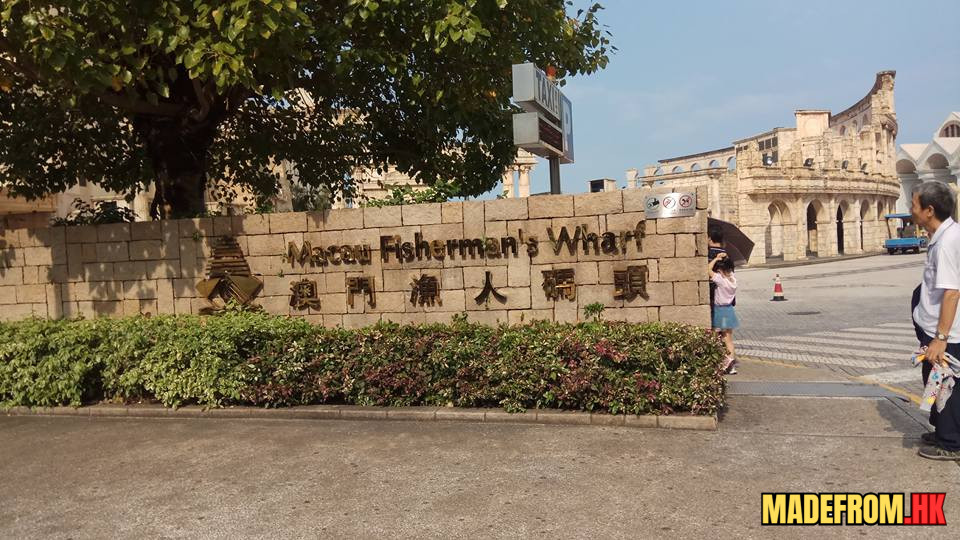
澳門漁人碼頭是一個融合娛樂、購物與文化元素的綜合景點,位於外港海濱,鄰近主要交通樞紐。這裡以多元主題建築聞名,將世界不同風格濃縮於一地,為旅客提供獨特的視覺與體驗。無論是拍照打卡、悠閒散步,還是探索異國風情,漁人碼頭都展現出澳門另一種輕鬆自在的面貌。
Macau Fisherman’s Wharf is a vibrant waterfront complex that blends entertainment, shopping, and cultural themes. Located near the Outer Harbour, it showcases a collection of architectural styles inspired by different parts of the world. The area offers a relaxed alternative to Macau’s bustling casinos, inviting visitors to stroll, explore, and experience a creative fusion of global influences in one destination.
中文
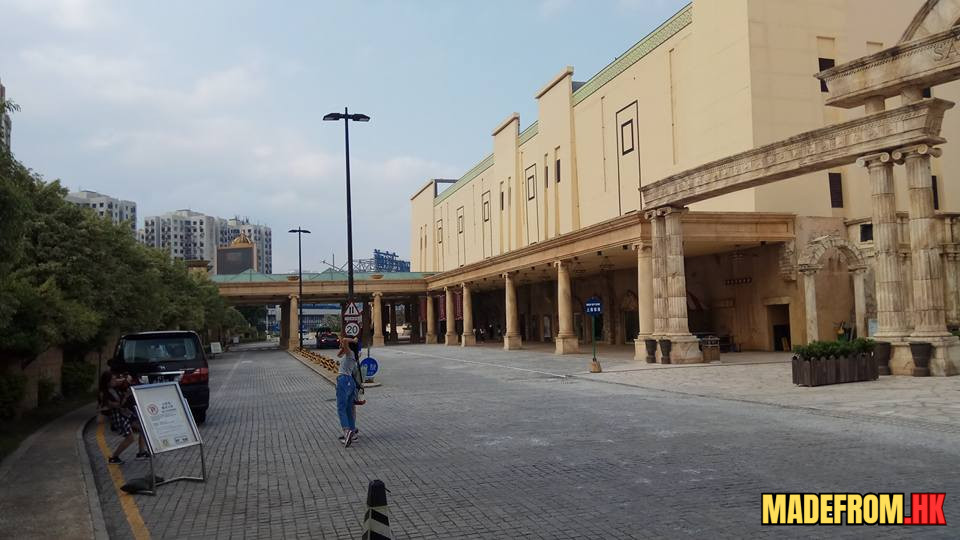
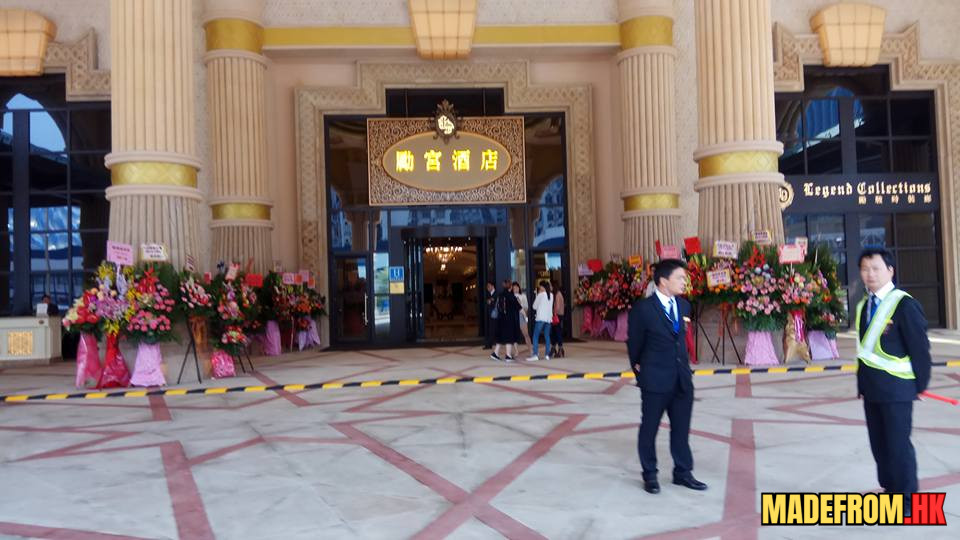
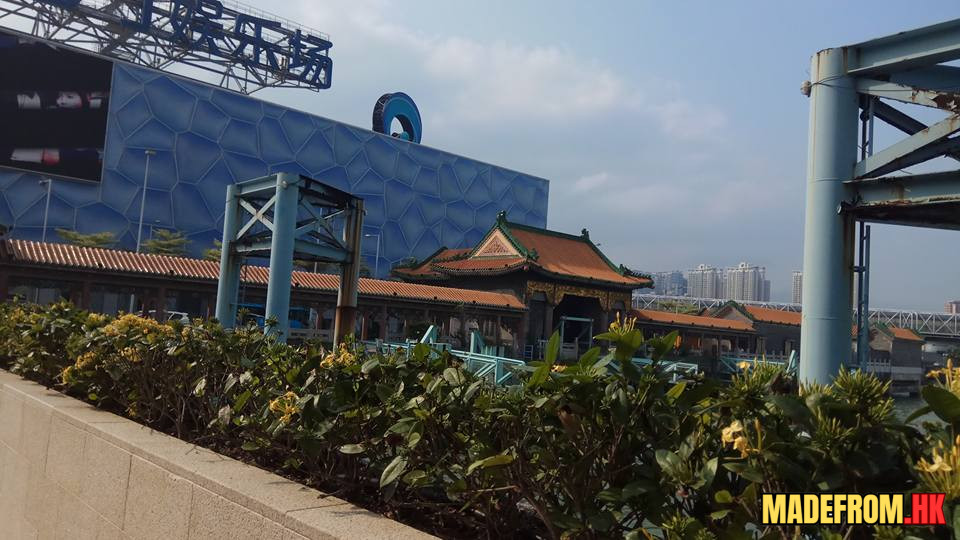
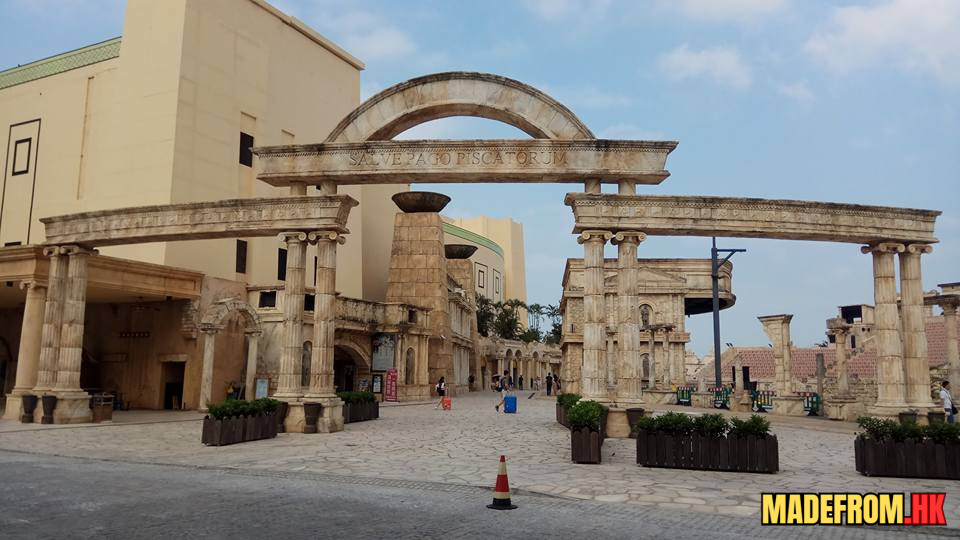
澳門漁人碼頭是澳門少見以主題建築為核心的旅遊區,其設計概念源自歐洲與古典文明,並融入現代娛樂元素。整個區域劃分為不同主題區,如仿古羅馬建築群、歐洲港口風格街道,以及帶有中世紀氣息的廣場,讓人仿佛在短時間內穿越多個文化場景。這種空間上的多元拼貼,使漁人碼頭成為拍攝與觀光的熱門地點。
其中最具代表性的建築之一,是模仿古羅馬競技場風格的圓形結構。這座建築外觀斑駁,刻意呈現歷史遺跡的質感,營造出時間流逝的氛圍。遊客漫步其間,能感受到一種融合歷史與藝術的視覺衝擊,也為整個景區增添濃厚的文化想像空間。
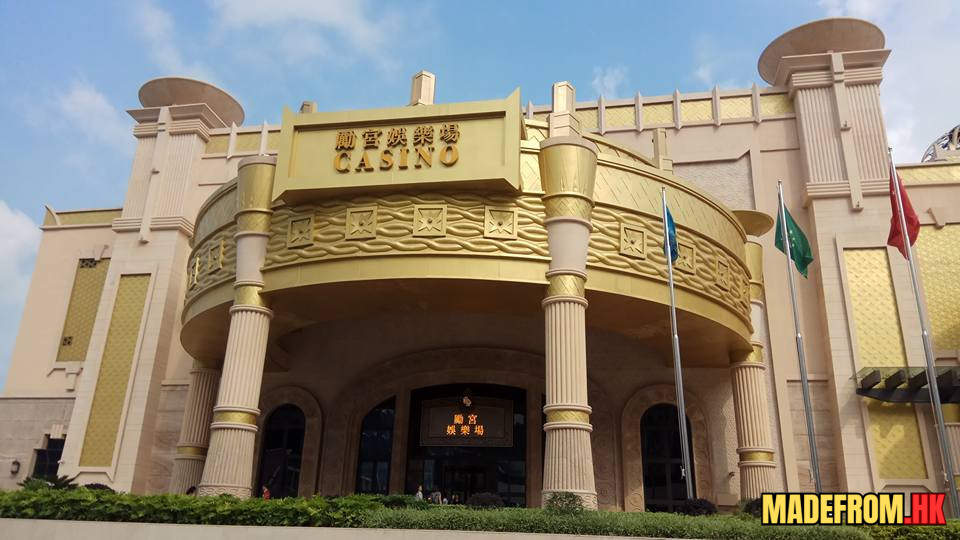
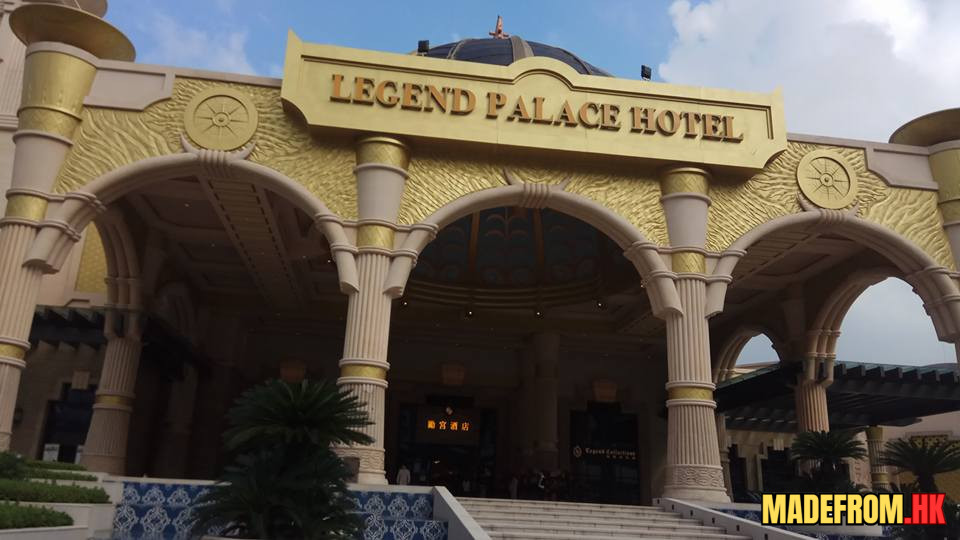
除了建築特色,漁人碼頭亦結合多種娛樂與休閒設施。區內設有餐廳、咖啡店及小型商店,提供多元消費選擇。夜晚時分,燈光點亮整個海濱,營造出浪漫而悠閒的氛圍,吸引情侶與旅客前來散步與拍照。相比澳門其他繁忙地段,這裡節奏較為緩慢,更適合細味城市另一面。
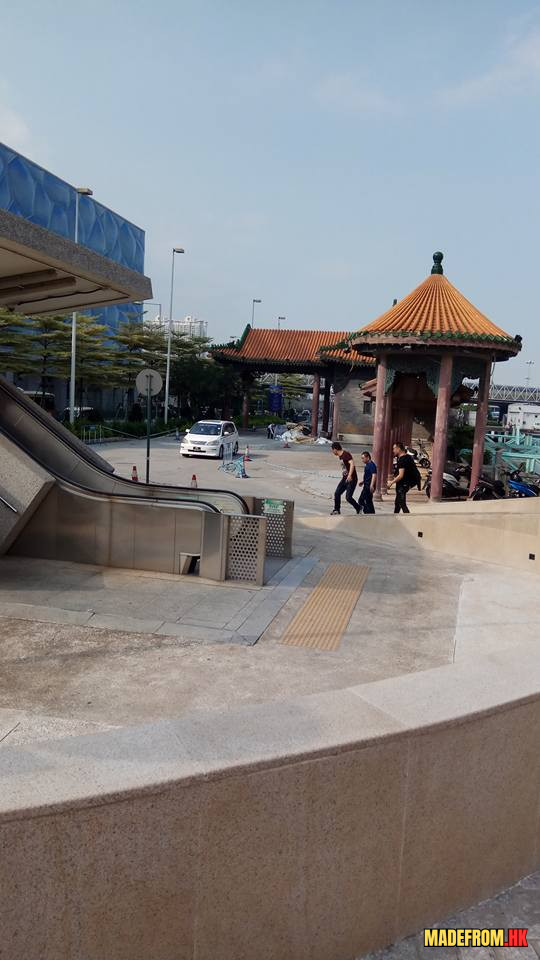
漁人碼頭的地理位置亦是一大優勢。鄰近港口與主要交通設施,使其成為旅客進出澳門時容易到訪的地點。這種便利性,加上開放式的空間設計,使其成為適合短暫停留或輕鬆遊覽的景點。無論是首次來訪還是再次探索,都能帶來不同的感受。
從文化角度來看,澳門漁人碼頭並非單純的娛樂區,而是一種城市創意的展現。它將不同文化符號轉化為可體驗的空間,讓人透過視覺與行走感受世界各地的建築語言。這種以空間說故事的方式,使其在眾多景點中別具特色,也反映出澳門在旅遊發展上的多元策略。
在快速變化的城市中,漁人碼頭提供了一個介於現實與想像之間的場域。它不追求完全的歷史真實,而是透過重構與再現,創造出一種帶有戲劇性的城市景觀。對於旅客而言,這不僅是一個景點,更是一段關於文化拼貼與視覺體驗的旅程。
English Version
Macau Fisherman’s Wharf stands out as one of the city’s most imaginative destinations, built around the idea of themed architecture and experiential space. Rather than focusing solely on commerce or heritage, it combines elements of both, presenting a curated environment where visitors can explore stylized versions of global landmarks.
One of its most recognizable features is the Roman-inspired amphitheater structure, designed to resemble ancient ruins. Its weathered appearance is intentional, evoking a sense of history while remaining part of a modern entertainment complex. Walking through this area feels like stepping into a theatrical set, where history is reinterpreted through design rather than preserved in its original form.
The complex also includes European-style streets, waterfront promenades, and open plazas that encourage leisurely exploration. Cafés and restaurants are scattered throughout, offering spaces to relax while enjoying views of the harbor. At night, the lighting transforms the area into a more atmospheric setting, appealing to visitors seeking a quieter and more scenic experience.
Accessibility plays a key role in its appeal. Located near ferry terminals and major transit points, the site is easy to reach and fits naturally into a travel itinerary. Its open layout allows visitors to move freely, making it suitable for both quick visits and longer, unstructured walks.
Beyond its visual appeal, Macau Fisherman’s Wharf represents a creative approach to tourism. It does not attempt to replicate history with accuracy, but instead reimagines cultural motifs into a cohesive, walkable environment. This approach highlights Macau’s ability to blend entertainment with cultural storytelling, offering something distinct from traditional heritage sites.
In a city often defined by its casinos and historic landmarks, this waterfront complex provides an alternative perspective. It invites visitors to engage with space, design, and imagination, turning a simple stroll into a layered cultural experience.
總結
澳門漁人碼頭以創意建築與海濱氛圍打造獨特體驗,是結合休閒與文化想像的重要旅遊地標。
Conclusion
Macau Fisherman’s Wharf blends creativity and leisure into a distinctive waterfront experience, offering a unique take on cultural exploration through design and atmosphere.