沙灣燈籠 – 何苦 Shawan Lantern – Why Suffer Needlessly
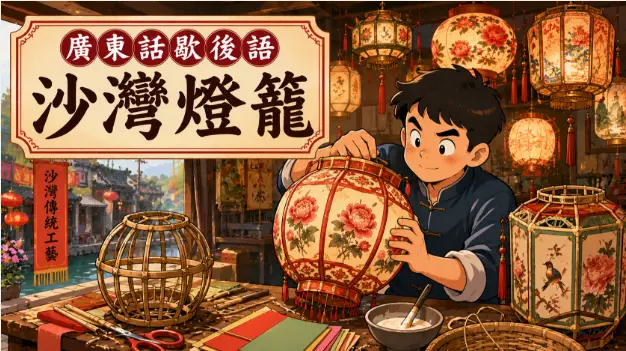
「沙灣燈籠 – 何苦」是一句帶有濃厚廣東地方文化色彩的歇後語,用來形容人明知辛苦、明知沒有必要,卻偏偏要自找麻煩、自討苦吃。沙灣向來以傳統手工燈籠聞名,而製作燈籠工序繁複,需要花費大量時間與心力,因此民間便借用「沙灣燈籠」來比喻費力不討好的事情。這句歇後語既有廣東人的幽默感,也帶出一種對人生處世的感慨,提醒人不要凡事鑽牛角尖。
“Shawan Lantern – Why Suffer Needlessly” is a Cantonese saying rooted in traditional craftsmanship and local culture. It describes situations where people knowingly make life harder for themselves, taking on unnecessary burdens or struggles without good reason. Shawan, a historic town in Guangdong, became famous for its handcrafted lanterns, which required patience, precision, and many complicated steps to complete. Because lantern-making demanded such intense effort, Cantonese speakers gradually turned the image into a metaphor for needless hardship or self-inflicted trouble. The phrase carries humor, irony, and a touch of life wisdom that remains meaningful today.
「沙灣燈籠 – 何苦」主要是形容某些人明明可以輕鬆處理事情,卻偏偏選擇最辛苦的方法,甚至為了一些不值得的事情令自己身心疲累。沙灣自古以燈籠工藝聞名,傳統燈籠製作不但需要竹篾、紙張與上色工藝,還要經過多重細緻步驟,因此在以前是一種既費工又考耐性的工作。民間便慢慢把「沙灣燈籠」與「辛苦」聯繫起來,再配上「何苦」這句感嘆語,形成了這句歇後語。它背後的意思,其實是勸人不要自討苦吃。有時候,人會因為面子、執著或者不服氣,硬要做一些根本沒有必要的事。例如有人明知一段關係已經無法挽回,卻仍死撐到底;又或者工作上明明有更簡單的方法,卻偏偏堅持最麻煩的做法,最終令自己筋疲力盡。這時候,旁人便可能無奈地說一句:「沙灣燈籠,何苦呢?」這句歇後語帶有濃厚的人情味,通常不是惡意嘲笑,而是一種帶點同情與勸喻的語氣。從更深層角度來看,它反映出廣東人重視實際與效率的處世態度。很多時候,懂得放下、懂得轉彎,反而比一味死撐更重要。人生並不是所有事情都值得拼命,有些苦,其實完全可以避免。
English Version
The phrase “Shawan Lantern – Why Suffer Needlessly” refers to people who unnecessarily make life difficult for themselves. It often describes situations where someone stubbornly chooses the hardest path despite having easier or more practical options available. Traditional lantern-making in Shawan was famously detailed and labor-intensive, requiring careful craftsmanship, patience, and many hours of work. Because of this reputation, the lantern became a symbol of effort and hardship. Combined with the expression “why suffer,” the saying evolved into a humorous but thoughtful reminder not to create unnecessary pain through stubbornness or pride. The phrase is commonly used when people refuse to let go of hopeless situations, insist on exhausting methods, or continue struggling long after something has lost meaning. It can apply to relationships, work, personal ambitions, or everyday decisions. Importantly, the expression is usually not cruel or mocking. Instead, it carries sympathy and concern, as if gently asking someone why they continue making themselves miserable. At a deeper cultural level, the saying reflects the Cantonese preference for practicality and balance. Rather than glorifying endless suffering, the expression encourages people to think realistically and recognize when persistence becomes pointless. Sometimes wisdom lies not in enduring more pain, but in knowing when to stop, adjust, or move forward in a healthier direction.
用法
這句歇後語通常用來勸人不要自討苦吃,或者形容別人太執著、太辛苦。例如有人明明已經很累,卻仍硬撐完成沒有必要的事情;又或者感情明知沒結果,卻始終不肯放手,都可以用「沙灣燈籠,何苦」來形容。語氣多數帶有感嘆與勸喻意味,有時也夾雜少許無奈。
English Version
This saying is commonly used to advise people not to make life unnecessarily difficult for themselves. It often describes stubborn behavior, emotional attachment, or excessive persistence in situations that no longer make sense. Friends or family may use the phrase when someone refuses to let go of a failing relationship, overworks themselves, or insists on exhausting methods without reason. The tone is usually sympathetic, thoughtful, and slightly helpless rather than harsh.
小故事:
阿欣一直很想挽回與前男友的感情,即使對方已經清楚表示不想再聯絡,她仍每天不停傳訊息、送禮物,甚至特地在公司樓下等對方下班。朋友阿晴見她越來越消沉,多次勸她放下,但阿欣總是說:「只要我再努力啲,佢一定會感動。」有一天,阿欣為了親手做一個大型燈籠送給前男友,整整熬了兩晚沒睡。結果燈籠未完成,她自己反而病倒發燒。阿晴來探望她時,看著滿屋紙張與竹篾,只能無奈搖頭:「你真係沙灣燈籠,何苦呢?」阿欣沉默了很久,終於忍不住哭出來。她突然明白,自己一直困在過去,其實只是折磨自己。後來,她慢慢停止糾纏,也重新開始自己的生活。幾個月後,阿欣再次與朋友聚會時,整個人輕鬆了許多。阿晴笑著說:「早啲放低咪好囉。」阿欣也笑了笑:「原來有啲苦,真係冇必要硬食。」從那之後,「沙灣燈籠,何苦」便成了她提醒自己的一句話。
English Version
Yan desperately wanted to win back her ex-boyfriend, even after he clearly told her he no longer wished to stay in contact. Every day she continued sending messages, buying gifts, and waiting outside his office after work. Her friend Ching watched her become more emotionally exhausted and repeatedly encouraged her to move on. But Yan always insisted, “If I try harder, he’ll eventually change his mind.” One week, Yan decided to handcraft a giant decorative lantern as a final gesture for him. She spent two sleepless nights cutting paper and shaping bamboo frames. Before the lantern was even finished, she became sick with fever and exhaustion. When Ching visited her apartment and saw the room filled with unfinished lantern materials, she sighed helplessly and said, “Shawan lantern — why suffer like this?” Yan sat quietly for a long moment before bursting into tears. For the first time, she realized she had been hurting herself more than anyone else. Slowly, she stopped chasing the relationship and began rebuilding her own life. A few months later, she looked happier and more relaxed when meeting friends again. Ching smiled and said, “See? Letting go earlier would’ve saved you so much pain.” Yan laughed softly and replied, “Some suffering really is unnecessary.” From then on, the old Cantonese saying stayed in her mind as a reminder to stop forcing things that no longer belonged in her life.
結語
「沙灣燈籠 – 何苦」透過傳統燈籠工藝,比喻人不必要的執著與辛苦。這句廣東話歇後語既有生活智慧,也提醒人懂得放下與轉彎,因為有時真正的成熟,不是死撐到底,而是知道何時停止。
English Version
“Shawan Lantern – Why Suffer Needlessly” transforms the image of labor-intensive lantern craftsmanship into a reflection on unnecessary struggle and stubbornness. Beneath its humor lies a gentle reminder that wisdom sometimes means knowing when to let go instead of continuing to suffer without purpose.