
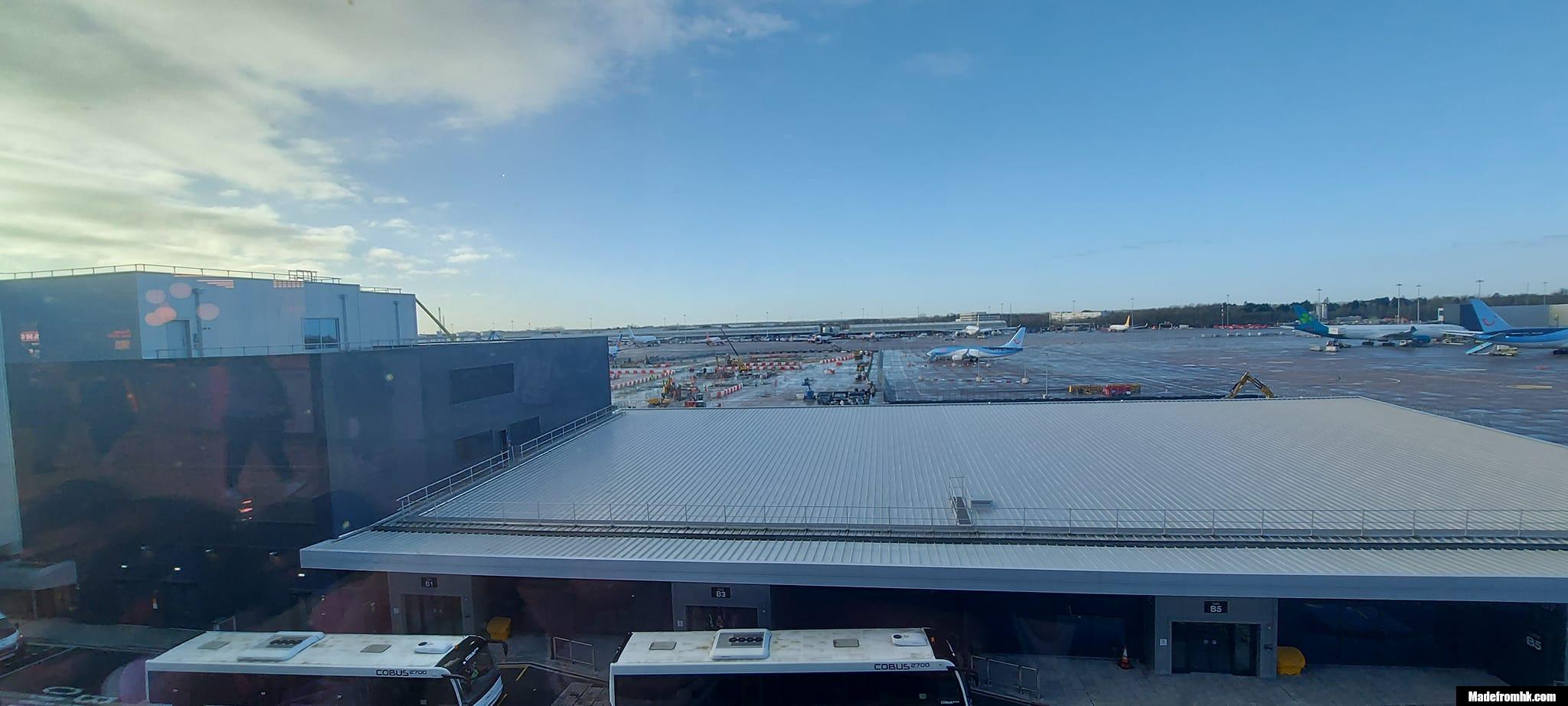
位於英國北部的曼城機場,是連接世界與地區的重要節點。它不僅承載繁忙的國際航班,更見證了航空發展與城市崛起的歷程。從歷史跑道到現代航廈,這座機場融合交通、經濟與文化,成為英國北部不可或缺的空中門戶。
Manchester Airport stands as a vital gateway linking northern England to the world. More than a transport hub, it reflects the region’s growth, aviation progress, and global connectivity. From its early runways to its modern terminals, the airport embodies movement, commerce, and the evolving story of a major European city.

曼城機場位於英格蘭西北部,是英國最繁忙的機場之一,亦是倫敦以外最重要的航空樞紐。它的歷史可追溯至1930年代,當時作為一個小型飛行場啟用,主要服務國內航線與有限的國際航班。隨著航空技術進步與旅遊需求增長,機場逐步擴展,成為今日擁有多條跑道與多個航廈的大型設施。
第二次世界大戰期間,曼城機場曾被用作軍事用途,支援英國空軍的行動。戰後,民航需求迅速回升,機場迎來快速發展期。1960至1980年代,隨著噴射客機普及與長途航線開通,曼城機場開始連接歐洲以外的地區,包括北美與亞洲,逐漸建立其國際地位。

現今的機場設有多個航廈,各自承擔不同航空公司與航線需求。航廈設計注重旅客流動與效率,並配備完善的購物與餐飲設施。機場亦持續進行翻新與擴建工程,以應對不斷增長的客流量。其跑道系統具備高效運作能力,能同時處理大量航班起降,確保運作順暢。
交通連接是曼城機場的重要優勢之一。機場內設有鐵路站,連接全國主要城市,旅客可直接搭乘火車前往曼徹斯特市中心、利物浦、利茲甚至倫敦。此外,高速公路網絡亦使自駕與巴士交通十分便利,使機場成為區域交通核心。
在經濟層面,曼城機場對英國北部具有重大影響。它不僅促進旅遊業發展,也帶動貿易與投資流動。許多企業選擇在機場周邊設立辦公室或物流中心,形成一個以航空為核心的經濟圈。機場亦提供大量就業機會,從航空服務到零售與運輸,支撐著地方經濟。

除了功能性角色,曼城機場亦展現文化與城市形象。作為旅客進入英國北部的第一站,它反映出當地的現代化與多元文化。航廈內的設計、藝術展示與服務風格,均呈現出城市的活力與國際視野。
在環境與可持續發展方面,機場亦積極採取措施減少碳排放,包括提升能源效率、推動綠色交通與使用可再生能源。這些努力反映出現代航空業在追求效率之餘,亦關注環境責任。

English Version
Manchester Airport has grown into one of the United Kingdom’s most significant aviation hubs outside London, serving as a critical link between northern England and the wider world. Its origins date back to the 1930s, when it began as a modest airfield handling limited domestic and short-haul routes. Over time, rising demand for air travel transformed it into a major international gateway.
During the Second World War, the airport played a strategic role, supporting military operations and contributing to the national war effort. In the decades that followed, civil aviation expanded rapidly. The introduction of jet aircraft and long-haul travel reshaped the airport’s identity, enabling direct connections to destinations across Europe, North America, and Asia.

Today, Manchester Airport operates multiple terminals designed to accommodate a wide range of airlines and passenger needs. These terminals combine efficiency with comfort, offering retail spaces, dining options, and streamlined passenger flow. Continuous redevelopment projects reflect the airport’s ambition to remain competitive and responsive to growing demand.
One of its defining strengths is connectivity. The airport is directly linked to the national rail network, allowing seamless travel to Manchester city centre and other major cities such as Liverpool, Leeds, and London. Road access is equally efficient, supported by major motorways that integrate the airport into the broader transport infrastructure.

Economically, the airport serves as a powerful engine for regional growth. It facilitates international trade, tourism, and investment, attracting businesses that benefit from global accessibility. The surrounding area has developed into an economic zone shaped by aviation, logistics, and commerce. Employment opportunities generated by the airport extend across multiple sectors, reinforcing its importance to the local economy.
Beyond its functional role, Manchester Airport also represents the identity of the region. As a first point of arrival, it introduces visitors to the character of northern England—dynamic, diverse, and globally connected. Architectural design, passenger services, and cultural elements within the terminals contribute to this impression.
Sustainability has become an increasingly important focus. Efforts to reduce carbon emissions, improve energy efficiency, and promote greener transport solutions demonstrate a commitment to responsible growth. These initiatives align the airport with broader environmental goals while maintaining operational excellence.
Ultimately, Manchester Airport is more than a transit point. It is a symbol of movement, opportunity, and connection—linking past developments with future ambitions, and positioning northern England firmly within the global aviation network.

總結
中文
曼城機場結合歷史與現代發展,既是交通樞紐,也是經濟與文化的重要載體,持續推動英國北部與世界的連結。
English
Manchester Airport blends history with modern growth, serving as both a transport hub and a driver of economic and cultural exchange for northern England.

