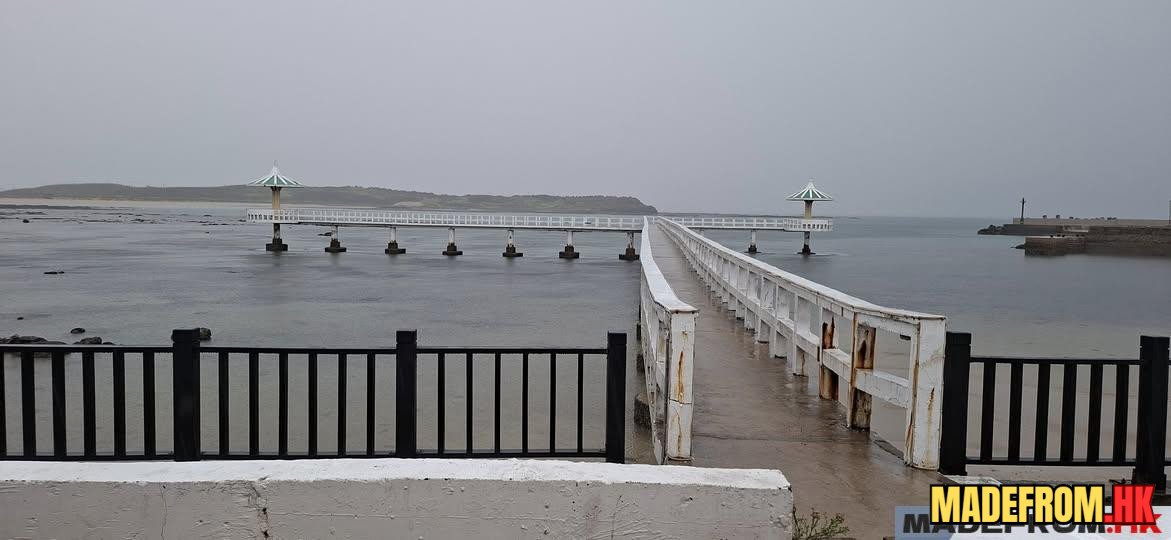
澎湖馬公小池角的雙曲橋,以優雅弧線橫跨海岸,結合工程與美學。橋身與海景相互映襯,在自然與人造之間形成和諧而獨特的視覺焦點。
At Xiaochijiao in Magong, Penghu, a gracefully curved bridge stretches across the coastal landscape. Blending engineering precision with visual elegance, it creates a harmonious connection between structure and sea.
台灣澎湖群島以其獨特的自然景觀和豐富的文化底蘊吸引了眾多遊客,而馬公市的小池角雙曲橋則是其中一個值得細細品味的建築地標。這座橋不僅展現了精湛的工程技術,更融合了當地的地理特色與文化背景,成為澎湖的一大亮點。
小池角雙曲橋位於澎湖馬公市,連接著小池角與附近的村落。這座橋採用了雙曲面設計,展現出流線型的優雅外觀。雙曲橋的結構設計充分考慮了當地的地形與氣候條件,其耐久性和穩定性在台灣眾多橋樑中名列前茅。橋身的曲線不僅提升了視覺上的美感,也有效分散了外力,使其能長期抵禦強風和海潮侵蝕。
除了技術層面的卓越,小池角雙曲橋還承載著豐富的文化意涵。澎湖作為台灣重要的漁業基地之一,這座橋象徵著人與自然和諧共存的理念。橋身設計融入了當地海洋元素,例如波浪狀的裝飾細節,讓人不禁聯想到澎湖的湛藍海水和漁船穿梭的景象。
對於建築愛好者和旅遊者而言,小池角雙曲橋是一個不可錯過的拍攝地點。無論是清晨陽光灑落在橋身上的景象,還是夜晚燈光映照下的柔美輪廓,都能讓人感受到這座橋樑獨特的魅力。此外,周邊還有許多值得探索的自然景點,例如海岸線和小池角村落,為遊客提供更多元化的旅遊體驗。
English Version
Along the coastal edge of Xiaochijiao in Magong, Penghu, a distinctive bridge arcs gently across the shoreline, drawing attention not through size but through form. Known for its double-curved structure, this bridge represents a thoughtful integration of engineering design and environmental context.
Unlike traditional straight or single-arch bridges, the Xiaochijiao Double-Curved Bridge features a flowing, wave-like silhouette. Its design echoes the surrounding seascape, subtly reflecting the motion of water and the rhythm of coastal winds. The curves are not merely decorative—they distribute structural forces efficiently, allowing the bridge to maintain both strength and visual lightness.
The concept of double curvature in architecture often appears in modern design, where aesthetics and function merge. In this bridge, the dual curves create a sense of movement, guiding the viewer’s eye along its path. From different angles, the structure appears to shift and transform, offering a dynamic visual experience that changes with perspective.
Set against the expansive horizon of Penghu’s coastline, the bridge becomes more than a crossing—it acts as a visual landmark. The open sky, the deep blue sea, and the textured shoreline frame the structure, enhancing its sculptural quality. During different times of the day, light interacts with the bridge in varied ways. Morning light emphasizes its clean lines, while sunset casts warm tones that soften its contours.
Historically, coastal infrastructure in Penghu has always needed to adapt to harsh environmental conditions. Strong winds, salt corrosion, and seasonal weather patterns present ongoing challenges. The Xiaochijiao bridge reflects a modern response to these conditions, combining durable materials with a design that minimizes resistance to wind forces. Its curved form helps reduce pressure, making it both practical and resilient.
Beyond its structural role, the bridge has become a popular spot for visitors and photographers. Its elegant form provides a striking contrast to the rugged natural surroundings, yet it does not overpower them. Instead, it complements the landscape, demonstrating how human design can coexist with nature when approached thoughtfully.
Walking across the bridge offers a different perspective. The gentle rise and fall of its curves create a subtle sense of motion, while the surrounding sea breeze and sound of waves enhance the sensory experience. It becomes not just a path from one point to another, but a moment of connection with the environment.
Culturally, the bridge represents a shift in how infrastructure is perceived. Rather than purely functional, it embraces artistic expression. In places like Penghu, where natural beauty is abundant, such designs highlight the possibility of harmony between built and natural environments.
The Xiaochijiao Double-Curved Bridge stands as a quiet example of modern architectural thinking—where efficiency, durability, and aesthetic sensitivity converge. It invites visitors to pause, observe, and appreciate the subtle dialogue between structure and landscape.
總結
小池角雙曲橋是一座集建築美學、工程智慧與文化意涵於一身的傑作。它不僅是澎湖的重要交通設施,更是台灣建築史上的一顆璀璨明珠。如果有機會造訪澎湖,不妨親自走上這座橋,感受它所帶來的震撼與啟發。
English Summary
The Xiaochijiao Double-Curved Bridge blends structural innovation with natural harmony. Its flowing form transforms a simple crossing into a visual and experiential landmark along Penghu’s coastline.