
街市的聲音:那些曾經充滿人情味的香港傳統街市 | The Sounds of Hong Kong Wet Markets: Voices, Rhythm, and the Human Warmth of the Street | 今日回望 | 第十章
在香港的城市記憶裡,有一種聲音曾經每天出現。
那不是汽車聲,也不是商場的背景音樂,而是街市的聲音。
Hong Kong’s wet markets were once filled with more than goods—they were alive with voices, movement, and human connection. From vendors calling out prices to neighbors exchanging greetings, these spaces carried the rhythm of everyday life. Their sounds reflected a sense of community that turned ordinary shopping into a shared cultural experience.
清晨時分,街市已經開始熱鬧。魚販的叫賣聲、切肉的刀聲、街坊討價還價的對話聲,在狹窄的走道裡交織成一種獨特的節奏。對許多香港人來說,這些聲音曾經是日常生活的一部分。
在大型超市還未普及的年代,街市是每個社區最重要的地方之一。居民每天到這裡買菜、買魚、買肉,也在這裡遇見熟悉的街坊。
街市不只是一個購物的地方,它更像是一個生活舞台。
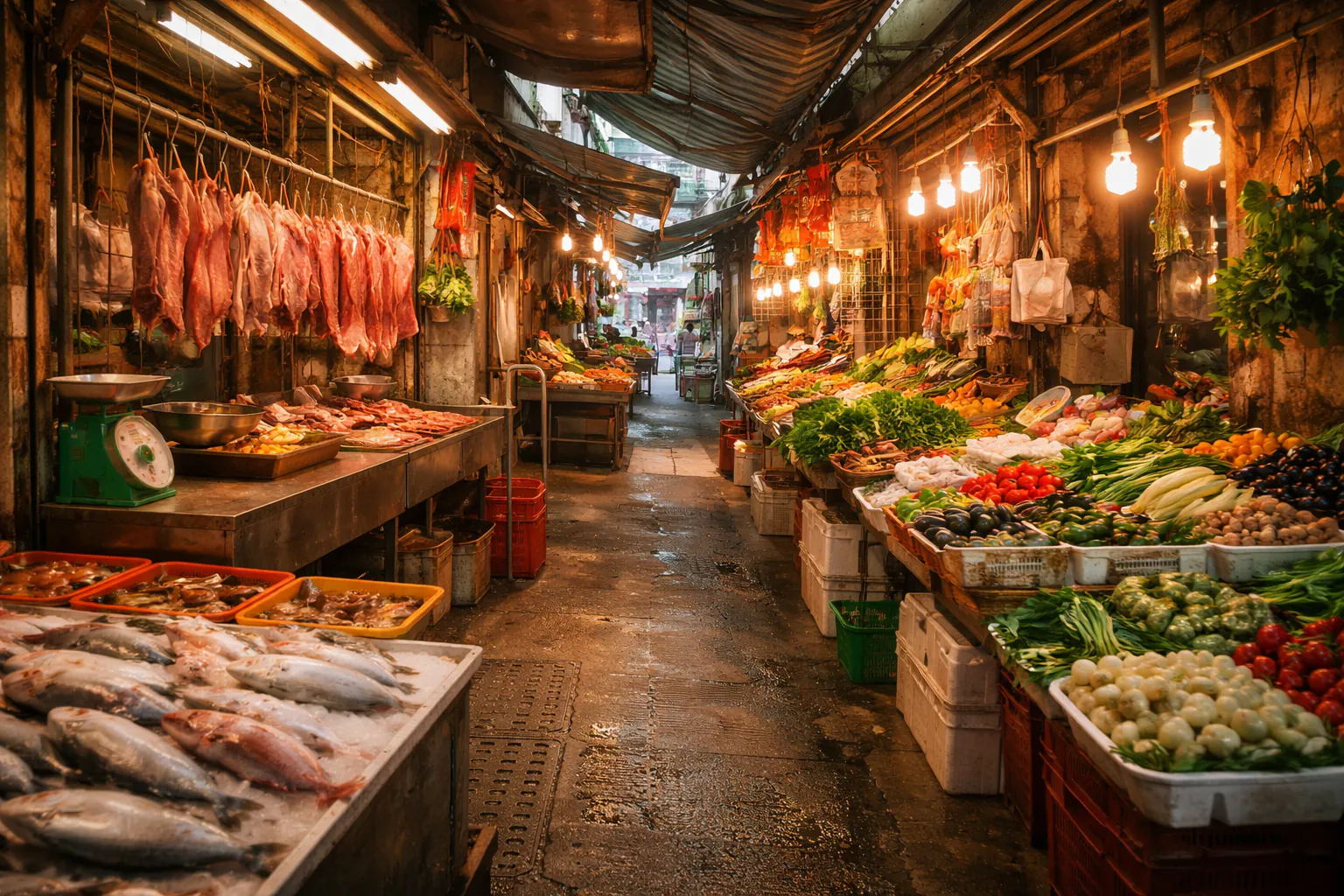
早年的香港街市,多數是露天或半開放式建築。鐵架、石地、簡單的檔位,構成了最基本的市場空間。攤檔排列緊密,走道不算寬闊,但人流總是很多。
清晨六、七點,檔販已經開始準備。
魚檔把剛運到的海魚放在冰上,蝦蟹仍然在水箱裡活動。菜檔則把新鮮蔬菜一束束擺好,青菜、白菜、豆角、芥蘭整齊排列。肉檔的師傅站在木砧板後面,用沉重的刀把豬肉分割成不同部位。
這些畫面,在很多香港人的記憶裡都十分熟悉。
街市最大的特色,是它的聲音。
魚販會高聲叫賣:「新鮮海魚,今日啱啱到!」
菜販會向經過的街坊介紹:「呢批菜好嫩,好甜。」
有時候,檔主與熟客之間甚至不需要多說話,只要一個眼神,就知道對方今天要買什麼。
在街市裡,交易往往帶著人情味。
有些街坊每天都到同一檔買菜。久而久之,檔主記得顧客的習慣。有的老人家喜歡買半斤瘦肉,有的人只買兩條魚,有的家庭每星期固定買雞。
這些細節,在大型超市很少出現。
街市的另一個特色,是討價還價。
雖然價格通常不會相差太多,但這種互動本身就是街市文化的一部分。
有時顧客會問:「可唔可以平少少?」
檔主可能會笑著回答:「好啦,算你啦。」
這樣的對話,使買賣變得更有人情味。
對很多小朋友來說,街市也是一個充滿新鮮感的地方。
水箱裡游動的魚、螃蟹揮動的鉗、各種顏色的蔬菜,都讓人好奇。家長帶著孩子買菜時,常常會停下來看看不同攤檔。
有些小朋友第一次認識魚、蝦、蟹,就是在街市。
街市同時也是城市生活的一面鏡子。
從街市的貨品,可以看到香港人的飲食文化。
海鮮、燒味、蔬菜、豆腐、乾貨,每一種食材都與家庭餐桌有關。
很多家庭每天的晚餐,其實都從街市開始。
然而,隨著城市發展,香港的街市也逐漸改變。
大型超市開始在各區出現,冷氣商場式的街市也慢慢取代傳統市場。新的街市環境更整潔,也更符合現代管理模式。
但同時,街市的聲音似乎變得安靜了。
在冷氣街市裡,檔位排列整齊,走道寬闊,照明明亮。
顧客可以慢慢選購,但叫賣聲卻少了。
很多檔販不再大聲招呼客人,而是等待顧客自己走過來。
對一些老街坊來說,這種變化帶來方便,但也帶走了一些熟悉的氣氛。
過去那種充滿聲音與互動的市場文化,正在慢慢消失。
不少老街市在城市更新中被拆卸或改建。新的建築更加現代化,但也與舊日街市的樣子不同。
那些曾經濕滑的地面、鐵架搭建的攤檔、掛滿燈泡的屋頂,逐漸成為歷史的一部分。
然而,在一些地方,仍然可以看到舊街市的影子。
早上時分,仍然有街坊推著購物車,慢慢走進市場。
仍然有檔販熟練地整理蔬菜與海鮮。
偶爾,也會聽到久違的叫賣聲。
那種聲音,也許不再像以前那麼熱鬧,但依然讓人感到熟悉。
對很多香港人而言,街市不只是買菜的地方。
它是一段生活記憶。
有人記得小時候跟著母親逛街市的日子,有人記得某個熟悉的魚檔,有人記得早晨市場的味道與聲音。
這些片段,構成了城市最真實的日常。
當城市不斷更新,高樓大廈不斷出現,很多舊事物也逐漸離開。
但街市的聲音,仍然存在於很多人的回憶裡。
那是香港曾經最普通、也最真實的生活場景。
在那些聲音之中,我們聽見的不只是叫賣與交易,更是一個城市曾經擁有的溫度。
而當人們回想起那些歲月時,腦海裡往往會浮現出同一個畫面。
清晨的街市,燈光微亮,檔販忙碌,街坊來來往往。
然後,一聲熟悉的叫賣聲在市場裡響起。
English Version
In the daily life of Hong Kong, wet markets once stood as some of the most vibrant and human-centered spaces within the city. Unlike modern supermarkets, these markets were defined not only by the goods they offered but by the atmosphere they created—an environment shaped by sound, movement, and constant interaction. From the moment one entered, the experience was immersive. Vendors called out to attract customers, negotiating prices and highlighting the freshness of their products, while shoppers responded with questions, conversations, and familiar exchanges. These overlapping voices formed a dynamic soundscape that was both chaotic and deeply alive, reflecting the pulse of the community. The structure of wet markets encouraged this level of interaction. Stalls were arranged closely together, creating narrow pathways where people moved slowly, often pausing to examine produce or engage in conversation. Unlike the quiet, orderly aisles of supermarkets, these spaces were fluid and unpredictable. Each stall had its own rhythm, shaped by the personality of the vendor and the flow of customers. Fishmongers, vegetable sellers, and meat vendors all contributed to the sensory experience, combining visual, tactile, and auditory elements into a single, continuous environment. The sounds of chopping, weighing, and packaging blended with human voices, creating a layered atmosphere that defined the market. What made these sounds significant was their connection to relationships. Many customers returned to the same stalls regularly, building familiarity and trust with the vendors. Transactions were rarely silent; they were accompanied by conversation, humor, and sometimes negotiation. Vendors remembered preferences, recommended products, and engaged with customers in ways that extended beyond simple commerce. These interactions created a sense of belonging, where the market functioned not just as a place to shop, but as a social space where people felt recognized and connected. For many residents, visiting the wet market was part of a daily or weekly routine. It was an activity that combined necessity with social engagement, allowing people to maintain connections within their community. Elderly residents, in particular, found in these markets a place of regular interaction, where familiar faces and conversations provided a sense of continuity. For younger generations, the markets offered exposure to a different rhythm of life—one that emphasized direct communication, observation, and participation. The sounds of the market became part of their memory, associated with family routines and the texture of everyday life. As Hong Kong modernized, the role of wet markets began to shift. Supermarkets and air-conditioned shopping environments introduced a quieter, more standardized way of purchasing goods. These spaces emphasized efficiency, cleanliness, and convenience, often reducing the need for interaction. While they provided clear advantages, they also changed the sensory and social experience of shopping. The lively soundscape of the wet market, once a defining feature, became less common, replaced by a more controlled and subdued environment. This transformation reflects broader changes in urban life, where speed and efficiency increasingly shape daily routines. Despite these changes, wet markets continue to hold cultural significance. Some remain active, preserving elements of their traditional character, while others have been renovated or relocated. Their sounds, though perhaps less intense than before, still carry echoes of the past. For those who remember their earlier form, these markets represent a time when everyday activities were more interactive, when shopping involved conversation as much as transaction, and when public spaces encouraged connection rather than isolation. Reflecting on the sounds of Hong Kong’s wet markets reveals the importance of sensory experience in shaping memory and identity. It highlights how sound, often overlooked, can define a place as strongly as visual elements. The calls of vendors, the responses of customers, and the rhythm of activity together created an environment that was uniquely alive. These sounds, though less prominent today, remain embedded in the collective memory of the city, reminding us of a way of life where human presence and interaction were at the center of everyday experience.