
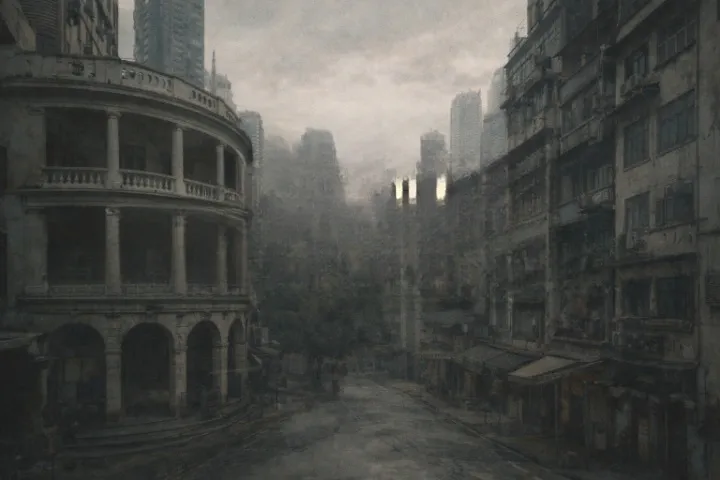
保育建築,消逝的時光之色 Preserved Architecture in Hong Kong: Fading Colors of Time and Collective Memory | 今日回望 | 第一章
城市如同一個巨大而複雜的生命體,每天都在呼吸、變化。它的脈搏跳動,不僅來自川流不息的人群,還有那些矗立在街道兩旁的建築。建築是城市的記憶載體,它們記錄著每一個時代的痕跡,見證著人們的悲歡離合。然而,在現代化的浪潮中,這些建築的命運卻往往不盡如人意。
Across Hong Kong, preserved buildings stand as quiet witnesses to the passage of time. Their worn facades, layered textures, and fading colors reflect stories of a city constantly evolving. More than architectural relics, they hold memories of everyday life, offering a glimpse into histories that might otherwise disappear within the pace of modern development.
香港,是一個以速度聞名的城市。高樓大廈拔地而起,舊建築被拆除或改建,城市面貌日新月異。然而,這樣的快速變遷,也讓人不禁思考:在這場追求效率與現代化的競賽中,我們是否失去了什麼?近年來,「保育」成為了一個熱門話題,許多歷史建築被納入保育計畫。然而,當我們走進那些被標榜為「活化」後的建築時,內心卻常常湧起一種說不出的疏離感。
這些建築的外殼或許被保留下來,牆壁上的斑駁痕跡也似乎刻意未被修復,但那種屬於舊時代的氣息卻已經悄然散去。從前,那些建築不僅僅是冷冰冰的結構,它們有性格、有脾氣,甚至有一種不言而喻的存在感。你不需要知道它們的設計師是誰,也不需要了解它們的建造年份,但它們的每一道門、每一扇窗、每一級樓梯,都能讓你感受到它們與人的生活緊密相連。
然而,在現代保育理念的影響下,許多歷史建築被過度修整,甚至被賦予了全新的用途。玻璃幕牆、金屬框架、冷色燈光取代了原本溫暖的木質結構與柔和的光影。設計師們追求的是個人風格與創新理念,而非忠實於建築本身的歷史與文化價值。結果,這些原本承載著豐富故事與情感的建築,逐漸淪為「載體」,變成展示新概念、新商業模式或是吸引人們拍照打卡的工具。
更令人遺憾的是,許多歷史建築的用途也隨之改變。那些曾經是街坊聚集地、公眾活動場所的空間,如今卻變成了高級餐廳、精品店、或者會員制的私人會所。雖然這些場所對外開放,但進入其中的人卻難以再找到過去那種親切感與歸屬感。曾經在這裡上演的日常生活場景,如孩童在庭院玩耍、鄰里間閒話家常,如今早已成為過往雲煙。
有人說,城市發展必須向前看,不能沉溺於過去。但問題並不在於向前走,而在於我們是否走得太快,以至於忽略了那些構成城市靈魂的重要元素。我們所謂的「保育」,真的只是將建築物留存下來嗎?如果一棟建築失去了它原本的用途與生活氣息,那麼即使外表再怎麼完整,也無法真正讓人感受到它的靈魂。
那些曾經不算華麗的建築,為什麼能夠在時間中積累出一種獨特的氣度?答案或許就在於它們與人的生活緊密相連。無論是老舊的茶樓、擁擠的小巷,還是簡單樸素的公共屋邨,這些地方都因為人們在其中生活、工作、交流而充滿了生命力。它們不需要精心設計或刻意包裝,只要還有人願意停下腳步,走進其中,它們就依然鮮活。
但現實往往殘酷。當一個保育計畫完成後,我們看到的是一棟嶄新的建築物,而不是它昔日承載的人情味與故事。那些曾經發生在這裡的一切,被壓縮成簡介牌上的幾行文字,成為供人駐足觀看卻無法觸及的歷史記錄。真正的城市記憶,在這樣的過程中逐漸消失,再也無法被重新體驗。
《今日回望》,並不是要否定改變,而是想提醒人們,有些東西一旦失去,就再也無法挽回。香港的舊建築或許還在,但那份屬於它們的恃色,那種由時間與人情共同醞釀出的溫度與氣息,或許早已隨著時光流逝,漸漸淡去。
我們需要的不僅僅是保存建築的外殼,而是保存它們所承載的生活方式與情感聯繫。如果我們能夠在保育過程中更多地考量如何延續這些建築原本的功能與精神,那麼城市或許就能真正實現「活化」,而不是僅僅停留在形式上的「保存」。
最終,我們要問自己的是:我們希望留下什麼樣的城市記憶給未來?是那些空洞無物、缺乏靈魂的「復刻品」,還是充滿生命力、能夠講述故事的活生生空間?答案其實並不難,只要我們願意放慢腳步,用心去傾聽每一座建築背後所隱藏的聲音。
English Version
In the dense and ever-changing landscape of Hong Kong, preserved architecture occupies a unique and often overlooked space between past and present. These buildings, weathered by decades of use and exposure, carry within them the physical traces of time—peeling paint, aged concrete, rusted railings, and subtle structural imperfections that speak of a different era. Unlike modern developments designed for efficiency and uniformity, these older structures possess a layered character shaped by both human activity and environmental conditions. Each mark, each discoloration, and each irregularity contributes to a visual narrative that cannot be replicated or artificially reproduced. They are not simply buildings; they are living records of the city’s transformation. Walking past these preserved structures, one begins to notice details that might otherwise be overlooked in newer environments. Balconies with intricate ironwork, tiled surfaces that have softened in tone, and signage that bears the typography of another generation all hint at the lives once lived within these spaces. These architectural elements reflect not only design preferences of the past but also the practical realities of the time—materials available, construction methods used, and the needs of the communities they served. In this way, preserved buildings offer insight into both aesthetic and social histories, revealing how people adapted their surroundings to fit their daily lives. The significance of preserved architecture in Hong Kong extends beyond visual appreciation. It is closely tied to the idea of cultural continuity, serving as a bridge between generations. For older residents, these buildings may evoke personal memories—of childhood homes, familiar streets, or long-standing local businesses. For younger generations, they provide a tangible connection to a past that is increasingly difficult to imagine in a city dominated by high-rise developments. This intergenerational link is essential in maintaining a sense of identity, allowing the city to retain aspects of its character even as it evolves. However, the preservation of such architecture is not without challenges. Hong Kong’s limited land and high property values create constant pressure for redevelopment, often placing older buildings at risk of demolition. Decisions surrounding preservation involve complex considerations, balancing economic interests with cultural and historical value. In some cases, buildings are conserved and repurposed, integrating modern functions while retaining their original structure. In others, only fragments remain, preserved as symbolic gestures rather than fully functional spaces. These varying approaches reflect the ongoing negotiation between progress and memory within the city. What makes preserved architecture particularly compelling is its ability to convey time in a way that is both visible and experiential. Unlike written history or archived photographs, these structures exist within the present, allowing people to physically encounter the past. The textures, colors, and spatial arrangements create an atmosphere that invites reflection, encouraging observers to slow down and consider the layers of history embedded in the environment. This experience stands in contrast to the speed and uniformity of modern urban life, offering a moment of pause within the city’s constant movement. As Hong Kong continues to develop, the role of preserved architecture becomes increasingly significant. It serves not only as a reminder of what has been lost but also as a foundation for understanding the city’s identity. By maintaining these structures, the city acknowledges the value of its own history, recognizing that progress does not require the complete erasure of the past. Instead, preservation allows for a more nuanced form of development, where old and new coexist, each informing the other. In reflecting on the fading colors of these buildings, one is reminded that time is not something that simply passes—it accumulates, leaving traces that shape the present. The worn surfaces and subtle details of preserved architecture are not signs of decay alone, but of endurance. They tell stories of adaptation, resilience, and continuity, offering a perspective that is both grounded and reflective. Ultimately, these buildings are more than remnants of another time; they are active participants in the ongoing narrative of Hong Kong, holding within them the collective memory of a city that is constantly redefining itself.