
《生活與科技 II 012》Android開放系統:自由與碎片化之間的全球科技力量 | Android Open System: Global Power Between Freedom and Fragmentation

Android以開放系統模式席捲全球,讓手機不再由單一品牌主導,從硬體到軟體全面釋放創新潛力,卻同時帶來碎片化與控制難題。
English: Android reshaped the global mobile landscape through openness, enabling innovation across devices and brands while introducing challenges of fragmentation and control.
中文
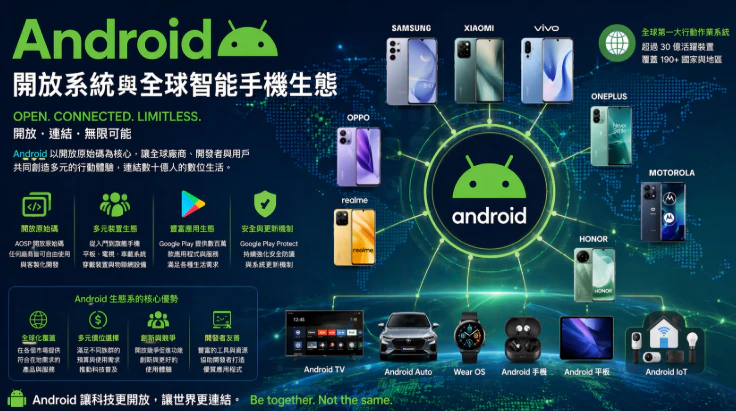
當Google在2008年推出Android時,它並沒有試圖像iPhone那樣以封閉生態建立絕對控制,而是選擇了一條完全不同的道路——開放系統。這種策略的核心,在於讓不同手機製造商可以自由使用Android系統,從Samsung到Huawei,再到無數中小品牌,都能在同一平台上開發產品,迅速擴大市場規模。這種開放不只是技術層面,更是一種商業與生態策略,它降低了進入門檻,使全球手機市場從少數巨頭壟斷,轉變為百花齊放的競爭格局。Android的成功,很大程度來自其靈活性與可定制性,不同品牌可以根據自身定位修改介面、加入功能,甚至重塑整個使用體驗,這使Android裝置能夠覆蓋從入門到旗艦的所有價格層級,真正實現科技普及化。然而,這種自由同時帶來另一面——碎片化問題,不同廠商使用不同版本系統,更新速度不一,安全性與使用體驗因此出現差異,這成為Android長期以來的核心挑戰之一。與此同時,Android也改變了全球科技產業的競爭邏輯,應用程式開發者不再只服務單一裝置,而是面對龐大且多樣化的設備生態,從而促進應用市場的爆發式增長,Google Play成為全球最大的應用分發平台之一。這種開放模式亦推動了新興市場的數碼化進程,許多發展中國家能夠以低成本取得智能手機,直接跨越傳統電腦時代,進入行動互聯網世界。Android不只是操作系統,更是一種全球基礎設施,它延伸至電視、汽車、智能手錶甚至物聯網設備,形成一個龐大的數碼生態網絡。但開放的代價始終存在,如何在自由與控制之間取得平衡,成為Google持續面對的問題,例如透過服務框架與認證機制維持一定程度的統一標準。Android的故事,本質上是一場關於權力分配的實驗,它將創新權交給市場與開發者,而不是集中於單一企業手中。這種模式讓科技發展更快速、更分散,也更貼近不同地區與文化需求,最終塑造出一個多元而複雜的數碼世界。
English Version
When Google launched Android in 2008, it did not attempt to replicate the tightly controlled ecosystem of the iPhone. Instead, it introduced a radically different philosophy—openness as a growth engine. This approach allowed manufacturers across the globe to adopt and adapt the platform, from giants like Samsung to rapidly emerging players such as Huawei, creating an expansive and competitive ecosystem. The true power of Android lies in its flexibility: companies can customize interfaces, integrate unique features, and tailor experiences to different audiences, enabling devices at every price point and accelerating global smartphone adoption. This democratization of technology fundamentally shifted the industry from a centralized model into a distributed innovation network. However, openness comes with trade-offs. Fragmentation became a defining issue, as devices run different versions of the system with inconsistent update cycles, leading to variations in performance, security, and user experience. Despite these challenges, Android transformed how software is built and distributed. Developers now design applications for a vast, diverse ecosystem rather than a single controlled environment, fueling the rapid expansion of app economies. Platforms like Google Play evolved into massive global marketplaces, supporting millions of applications and services. Beyond smartphones, Android extended into televisions, cars, wearables, and IoT devices, effectively becoming a foundational layer of modern digital infrastructure. Its open nature also accelerated digital inclusion in emerging markets, where affordable devices enabled millions to leap directly into the mobile internet era. Yet the balance between openness and control remains a central tension. Google continuously introduces frameworks, certifications, and services to maintain a degree of consistency without undermining the platform’s flexibility. Ultimately, Android represents a different vision of technological progress—one where innovation is decentralized, shaped by countless contributors rather than dictated by a single authority. This model has made the digital world more diverse, adaptive, and globally interconnected, even as it continues to wrestle with the complexities that openness inevitably brings.