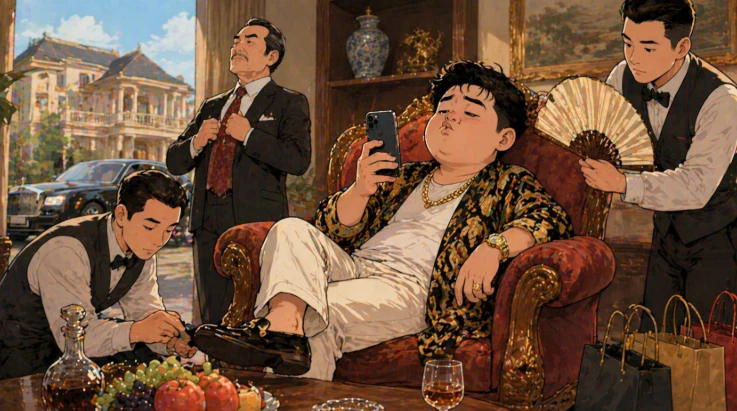
有些人並非靠自身能力立足,而是依賴家底與背景過活。《大良阿斗官:二世祖》正描繪這種承襲而來的優勢與隨之而生的依賴。
Some individuals build their lives on inherited advantages rather than personal effort. The Cantonese saying “A Dou of Daliang” reflects this idea of privilege passed down through generations.
中文
「大良阿斗官:二世祖」這句廣東話歇後語中的「阿斗」,源自歷史人物劉禪,常被視為能力平庸、依賴他人的象徵,而「大良」則帶有地域與身份的指涉,整體構成一個帶有諷刺意味的形象。「二世祖」指的是依靠上一代財富與地位生活的人,通常缺乏自立能力與進取心。這句歇後語用來形容那些出身優越卻不思進取的人,他們習慣於享受既有資源,對努力與奮鬥缺乏認知。這種說法往往帶有批評意味,指出其人雖然條件優厚,但缺乏真正的實力與責任感。然而,這句話也不只是單純的指責,它同時反映出社會對「能力」與「背景」之間關係的觀察。當一個人長期依賴外在條件而缺乏自我成長時,最終可能難以應對變化與挑戰。因此,這句歇後語既是一種評價,也是一種提醒:真正的價值,仍需建立在自身努力之上。
English Version
This idiom draws on the figure of Liu Shan, often portrayed as an incapable ruler who depended heavily on others. Combined with a place reference, it forms an image of someone who inherits status without earning it. The term “second-generation heir” refers to individuals who rely on family wealth or influence rather than personal achievement. The phrase is commonly used to describe people who enjoy privilege without developing their own abilities. It carries a critical tone, highlighting a lack of independence, ambition, or responsibility. At the same time, it reflects a broader social observation: the tension between inherited advantage and earned merit. When someone depends entirely on their background, they may struggle to adapt when circumstances change. This idiom serves not only as criticism but also as a reminder that true strength comes from self-development rather than inherited comfort.
用法
中文
這句歇後語多用於形容那些依賴家庭背景、不求上進的人,例如在工作中只靠關係卻缺乏能力的人。語氣通常帶有批評或調侃,例如:「佢咁樣做嘢,真係大良阿斗官,二世祖。」
English Version
This saying is often used to describe individuals who rely on family connections or wealth without demonstrating real ability. It may be used critically or humorously to point out a lack of effort or independence.
小故事:
中文
阿俊出身富裕家庭,父親經營公司多年,早已為他鋪好前路。畢業後,他順理成章進入公司工作,但對業務毫無興趣,每天只是應付差事。員工們表面尊重,私下卻議論紛紛,認為他只是靠父親撐腰。有一次,公司遇上重大挑戰,需要有人負責決策,阿俊卻無法提出具體方案,只能依賴老員工幫忙。會議後,一位資深同事輕聲說:「你唔可以永遠做大良阿斗官,二世祖,要學識自己撐起來。」這句話讓阿俊沉思良久。之後,他開始認真學習業務,主動參與決策,逐漸建立起自己的能力。多年後,他終於能獨當一面,不再只是別人口中的「二世祖」,而是真正有實力的領導者。
English Version
Ah Chun was born into a wealthy family, with his father already having built a successful company. After graduation, he joined the business effortlessly, but showed little interest in learning the ropes. Employees treated him politely on the surface, yet whispered that he was merely relying on his father’s influence. When the company faced a major challenge, Ah Chun was expected to step up, but he struggled to offer any concrete solutions, leaning instead on experienced staff. After the meeting, a senior colleague quietly told him, “You can’t stay an heir forever—you need to stand on your own.” The words stayed with him. Gradually, he began to take his role seriously, learning the business and contributing actively. Over time, he earned genuine respect, transforming from a privileged heir into a capable leader in his own right.
結語
中文
「二世祖」未必是終點,關鍵在於是否願意成長。背景可以給起點,但實力決定去向。
English Version
Being an heir is not a destiny—it is a starting point. True direction is shaped by one’s own effort.