在澳門大三巴牌坊旁,一座規模不大卻意義深遠的廟宇靜靜佇立。大三巴哪吒廟融合中西文化背景與民間信仰,見證了澳門歷史變遷與社區生活。這裡不僅是宗教場所,更是一段關於守護、信念與地方記憶的縮影,吸引遊客與信眾前來探索其獨特魅力。
Nestled beside the iconic Ruins of St. Paul’s, the Na Tcha Temple stands as a modest yet meaningful landmark in Macau. Blending folk belief with layered cultural history, this temple reflects the city’s unique East-meets-West identity. Beyond its religious role, it embodies protection, resilience, and local memory, drawing both visitors and worshippers into its quiet presence.
中文
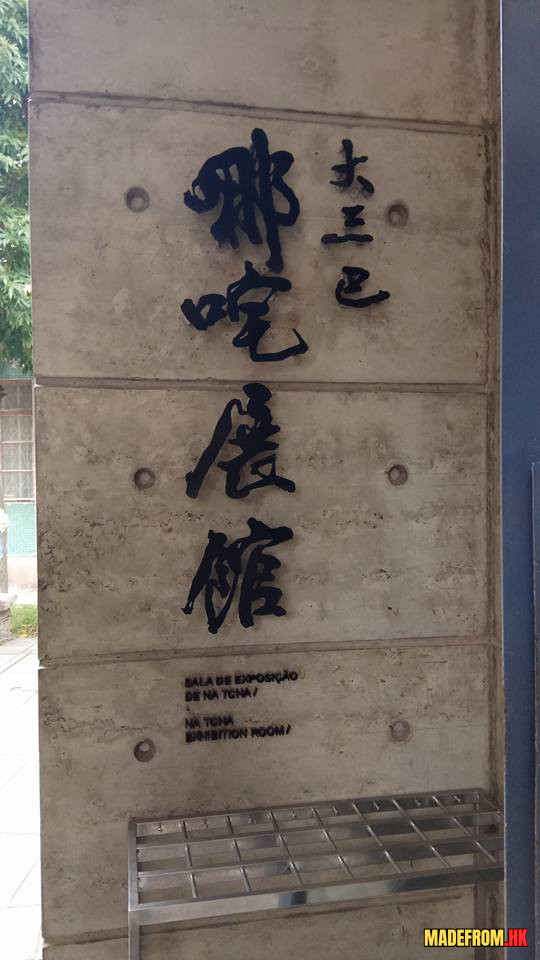
大三巴哪吒廟位於澳門最具代表性的歷史地標之一——大三巴牌坊旁,是澳門少數供奉哪吒的廟宇之一。哪吒在中國民間信仰中象徵驅邪避疫與守護兒童,其形象充滿力量與靈性,因此在華人社區中深受尊崇。這座廟宇的存在,不僅體現宗教信仰,更反映了過去居民對平安與健康的期盼。
據歷史記載,哪吒廟的建立與瘟疫有關。當時澳門曾爆發疫症,居民相信哪吒能夠鎮壓瘟疫、守護社區,因此興建廟宇以祈求平安。這種將神祇與公共衛生連結的信仰方式,正是傳統社會面對未知災難時的重要精神支柱。哪吒廟因此成為當地居民集體記憶的一部分,也象徵人與信仰之間的深厚關係。
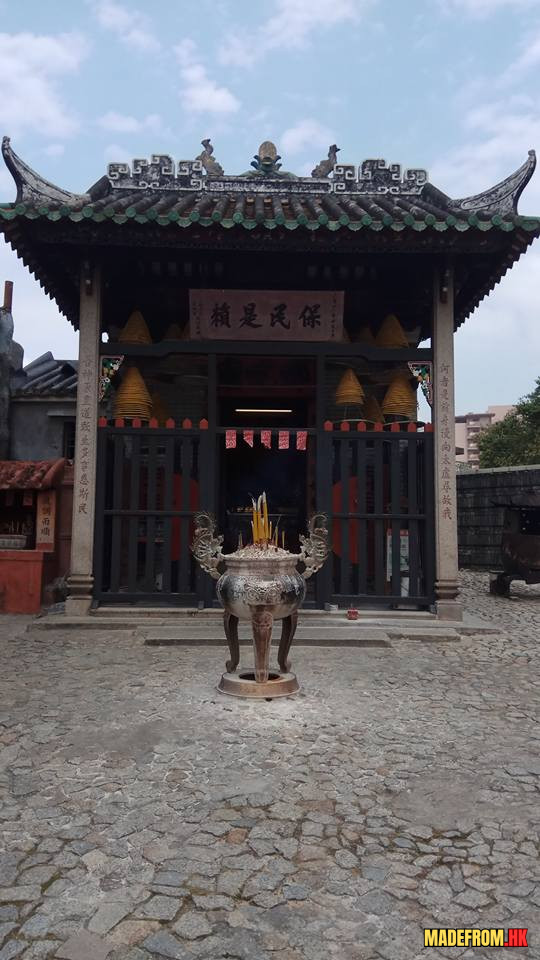
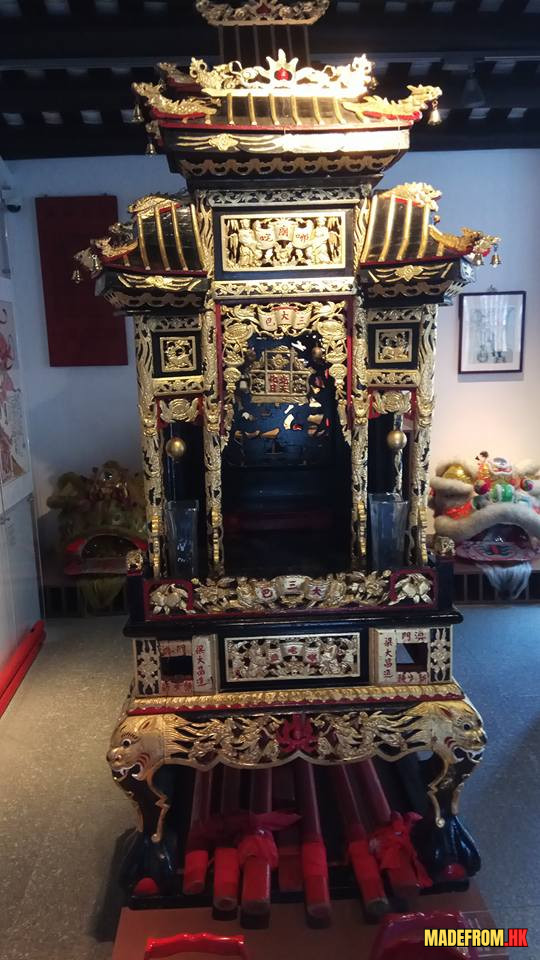
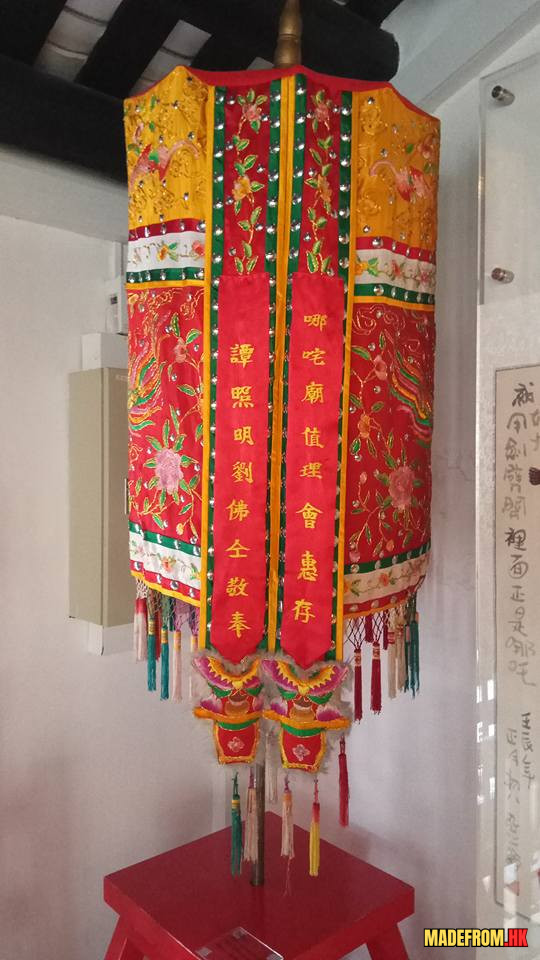
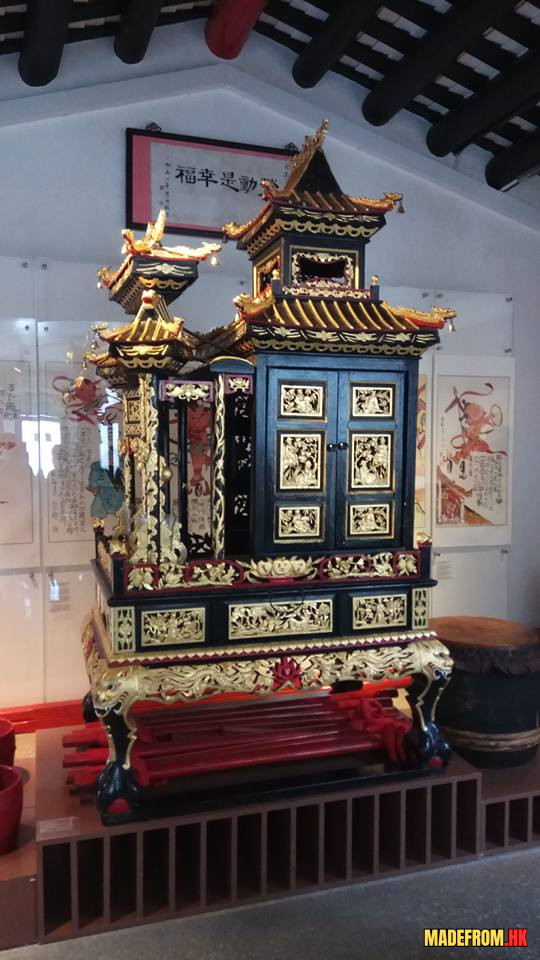
從建築角度來看,哪吒廟規模雖小,但細節精緻。廟宇採用傳統嶺南風格,屋頂裝飾豐富,色彩鮮明,充滿民間藝術特色。與旁邊西式的大三巴牌坊形成鮮明對比,呈現出澳門文化交融的獨特景觀。這種中西並置的空間關係,使遊客在短距離內即可感受到不同文明的碰撞與融合。
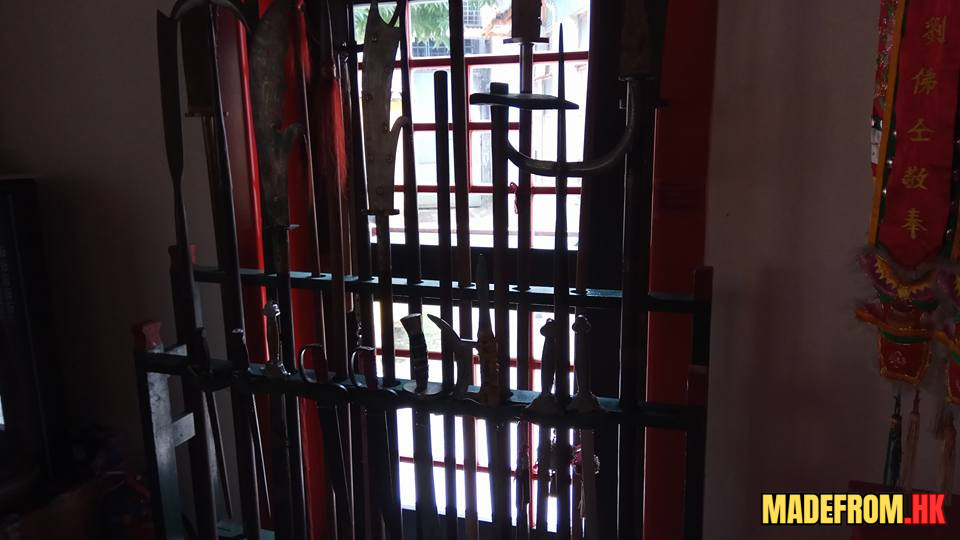
走進廟內,可以看到香火不斷,信眾誠心祈福。牆上與屋脊的裝飾多描繪神話故事與吉祥圖案,營造出神聖而親切的氛圍。每逢節慶或特定日子,廟宇更顯熱鬧,成為社區活動的重要場所。這種生活化的宗教空間,使哪吒廟不僅是旅遊景點,更是活生生的文化場域。
此外,大三巴哪吒廟亦被列入世界文化遺產範圍,與大三巴牌坊共同構成澳門歷史城區的一部分。這不僅提升了其文化價值,也讓更多人關注這座小廟背後的故事。對於遊客而言,這裡提供了一個深入了解澳門宗教與民間文化的窗口;對於當地人而言,則是一種情感與信仰的延續。
在快速城市發展的背景下,像哪吒廟這樣的歷史建築更顯珍貴。它提醒人們,城市不只是現代建設的集合,更是記憶、信仰與文化的積累。無論是短暫停留還是深入探索,大三巴哪吒廟都能讓人感受到一種跨越時間的連結。
English Version
Tucked beside one of Macau’s most photographed landmarks, the Ruins of St. Paul’s, the Na Tcha Temple offers a quieter yet deeply meaningful experience. Dedicated to Na Tcha, a youthful deity known for warding off evil and disease, the temple reflects how traditional beliefs shaped community life in times of uncertainty.
Historically, the temple is closely linked to outbreaks of disease. Local residents turned to Na Tcha as a protector during epidemics, building the temple as both a spiritual defense and a communal response to crisis. This connection between faith and public well-being highlights how religion once played a vital role in coping with collective fear and hardship.
Architecturally, the temple is compact but rich in detail. Its design follows traditional Chinese styles, with ornate roof decorations, vibrant colors, and symbolic motifs. What makes it especially striking is its immediate proximity to the European-style façade of the Ruins of St. Paul’s. The contrast between the two structures captures Macau’s layered identity, where Eastern traditions and Western influences coexist within a single urban space.
Inside, the atmosphere is intimate and active. Incense fills the air as worshippers offer prayers, while decorative elements depict mythological scenes and auspicious symbols. The temple remains a living site of devotion, especially during festivals when the space becomes animated with rituals and community gatherings. This ongoing use ensures that the temple is not frozen in history but continues to evolve with the people it serves.
Recognized as part of Macau’s Historic Centre, a UNESCO World Heritage site, the Na Tcha Temple holds cultural significance beyond its physical size. It provides insight into local belief systems and the resilience of tradition in a rapidly modernizing city. For visitors, it offers a chance to step beyond iconic landmarks and engage with a more intimate narrative of Macau’s past.
In a city defined by constant transformation, places like the Na Tcha Temple serve as anchors of continuity. They preserve stories, beliefs, and identities that might otherwise fade. Whether encountered by chance or sought out intentionally, the temple invites reflection on how culture endures through both grand monuments and humble sanctuaries.
總結
大三巴哪吒廟雖小,卻承載深厚歷史與信仰價值,是澳門文化交融與民間精神的重要象徵。
Conclusion
Though modest in scale, the Na Tcha Temple embodies rich history and belief, standing as a meaningful symbol of Macau’s cultural fusion and enduring spirit.