粵語配音承載情感與文化記憶,而AI聲音技術迅速崛起,兩者在效率與情感之間形成對比,正在改寫動畫與內容創作的未來。
Cantonese dubbing carries emotional and cultural value, while AI voice technology offers speed and scalability, creating a new dynamic in content creation.
中文
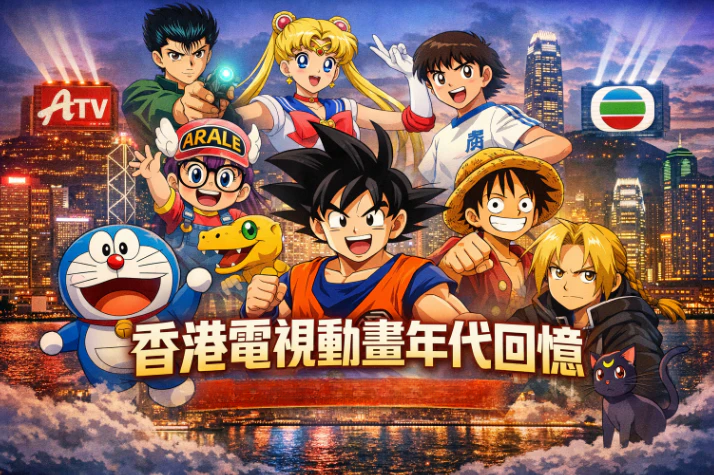
粵語配音與AI擷取聲音的比較,正反映出當代內容創作中人類情感與人工智能技術之間的張力,香港動畫配音文化自1980年代發展以來,透過聲優的演繹,成功將外來動畫轉化為本地文化的一部分,聲音不僅是語言傳遞工具,更是一種情感載體與角色塑造方式,例如林保全、盧素娟及鄭麗麗等配音員,透過細膩聲線與語氣控制,使動畫角色深入人心,形成集體記憶,而AI聲音技術的興起,則為內容製作帶來全新可能,透過語音合成與聲音擷取技術,創作者可以快速生成語音內容,甚至模仿特定聲線,大幅提升效率與降低成本,這種技術在廣告、短影片及自動化內容中尤為常見,然而AI聲音仍然難以完全取代人類配音,原因在於情感深度與語境理解的差距,人類聲優能根據角色背景與劇情發展進行即時調整,甚至加入個人演繹,使角色更具生命力,而AI則依賴數據與模型進行模擬,缺乏真正的情感理解能力,此外粵語配音所包含的本地文化語感與幽默亦難以完全被AI複製,這種文化層面的差異,使傳統配音仍具有不可取代的價值,未來發展方向很可能是人機協作,即AI負責基礎語音生成與流程加速,而人類聲優則專注於情感演繹與角色塑造,形成新的創作模式,對於內容創作者而言,如何在效率與情感之間取得平衡,將成為關鍵課題,粵語配音與AI聲音之間的競爭,並非單純取代關係,而是文化與科技交匯下的進化過程
English Version
The comparison between Cantonese dubbing and AI voice cloning highlights the tension between human emotion and technological efficiency in modern content creation, Hong Kong’s dubbing culture, which developed from the 1980s onward, transformed imported animation into culturally localized experiences through the expressive performances of voice actors, voices became more than tools of communication, serving as emotional carriers and essential elements of character identity, iconic figures such as Lam Pou Chuen, Lo So Kuen, and Cheng Lai Lai demonstrated how voice acting could shape audience perception and create lasting memories, in contrast the rise of AI voice technology has introduced new possibilities, allowing creators to generate speech quickly and at lower cost through text-to-speech systems and voice cloning models, these tools are particularly useful in advertising, short-form content, and automated production pipelines, however AI voices still struggle to replicate the depth of human emotional performance and contextual understanding, human voice actors can interpret character motivations, adapt to narrative changes, and deliver nuanced performances that resonate with audiences, while AI relies on data-driven imitation without true comprehension of emotion, additionally Cantonese dubbing carries unique cultural nuances, humor, and linguistic characteristics that are difficult for AI to fully reproduce, this cultural dimension reinforces the enduring value of traditional dubbing, rather than replacing human performers the future is likely to involve collaboration, where AI handles efficiency and scalability while human actors focus on emotional expression and creative interpretation, for content creators the challenge lies in balancing speed and authenticity, the relationship between Cantonese dubbing and AI voice technology is not merely competitive but represents an evolving intersection of culture and innovation