
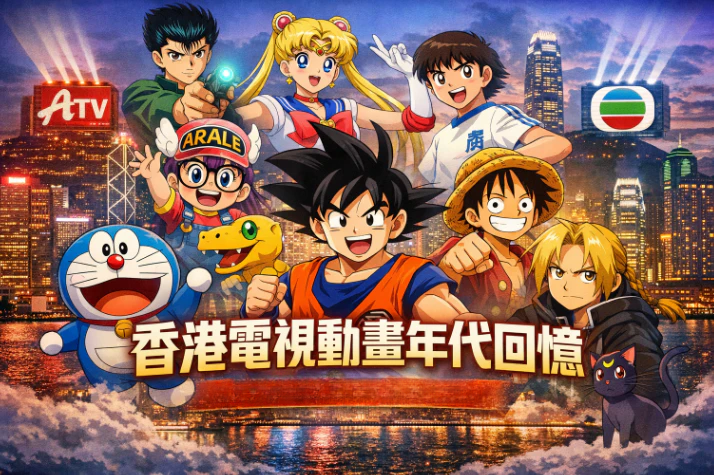
隨著AI語音技術快速發展,粵語配音面臨前所未有的挑戰,效率與成本優勢背後,人類聲優的情感價值是否仍然不可取代?
As AI voice technology advances rapidly, Cantonese dubbing faces new challenges, raising questions about whether human voice actors can be replaced.
中文
人工智能語音技術的快速發展,令「AI會否取代香港配音員」成為熱門話題,從現實情況來看,AI確實已開始改變配音產業的結構,但並未完全取代人類聲優,尤其在粵語配音文化中,聲音不僅是語言傳遞工具,更承載情感、角色塑造與文化語境,這些元素目前仍難以被AI完全複製,在商業層面,AI已逐步取代部分基礎配音工作,例如廣告旁白、短影片內容及企業語音,原因在於AI具備高效率與低成本優勢,能夠快速生成語音並隨時修改,對於預算有限的項目具有吸引力,然而在動畫配音及角色演繹方面,人類聲優仍然具有明顯優勢,經典配音員如林保全與盧素娟所創造的角色聲音,不僅來自音色,更來自對角色的理解與情感投入,這種表演層次是AI難以模仿的,同時粵語配音特有的文化語感與節奏,例如港式幽默與生活化語氣,亦增加了AI取代的難度,然而真正的挑戰並非完全取代,而是產業結構的轉變,AI的出現令配音成本下降,導致部分工作機會減少,同時亦帶來聲音被複製與未授權使用的風險,對聲優權益構成威脅,未來發展更可能走向人機協作模式,由AI負責初步語音生成與流程優化,而人類聲優則專注於情感演繹與角色塑造,此外聲優亦需要建立個人品牌與獨特風格,以提升不可替代性,隨著技術進一步發展,相關法律與倫理規範亦將逐漸完善,包括聲音權利與AI使用授權等問題,整體而言AI不會完全取代香港配音員,但將深刻改變行業生態,未來的關鍵在於如何在效率與情感之間取得平衡,使科技與人類創作能夠共存並發展
English Version
The rapid development of AI voice technology has sparked ongoing debate about whether AI will replace voice actors in Hong Kong, while AI is already transforming parts of the industry it has not fully replaced human performers, particularly within Cantonese dubbing where voice acting involves not only speech but also emotional expression, character interpretation, and cultural nuance, in commercial contexts AI has begun to replace basic voice work such as advertisements, short-form content, and corporate narration due to its speed, cost efficiency, and flexibility, making it attractive for low-budget productions, however when it comes to animation and character-driven performances human voice actors עדיין hold a clear advantage, iconic performers such as Lam Pou Chuen and Lo So Kuen demonstrate that memorable characters are shaped not only by vocal tone but also by emotional depth and performance choices, elements that AI struggles to replicate authentically, furthermore Cantonese dubbing carries unique linguistic and cultural characteristics including localized humor and conversational rhythm, which remain difficult for AI to master, the real challenge therefore lies not in full replacement but in structural transformation of the industry, AI is reducing costs and altering workflows, leading to fewer entry-level opportunities while also raising concerns about unauthorized voice replication and loss of control over vocal identity, the future is likely to involve collaboration between AI and human performers, where AI handles efficiency and initial generation while human actors focus on emotional nuance and creative interpretation, voice actors may also need to develop strong personal branding and distinctive vocal styles to remain competitive, as technology continues to evolve legal and ethical frameworks will become increasingly important, including issues related to voice rights and AI usage permissions, overall AI is unlikely to fully replace Hong Kong voice actors but will significantly reshape the industry, making the balance between efficiency and emotional authenticity the defining factor for the future

