
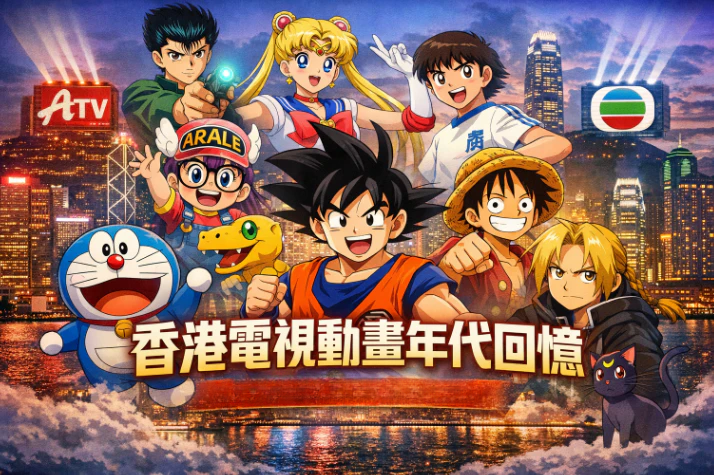
林保全的聲音承載一代人童年記憶,隨著AI聲音技術發展,重現其聲線成為可能,但同時引發倫理與版權的重大爭議。
Lam Pou Chuen’s iconic voice lives on in memory, but AI now makes it possible to recreate it, raising serious ethical and legal concerns.
中文
隨著人工智能技術的快速發展,AI聲音重現已逐漸從實驗走向實際應用,甚至可以模仿已故配音員的聲線,當中最具代表性的討論之一,便是是否可以用AI重現林保全的聲音,這一問題涉及法律、倫理與文化多重層面,在法律層面上,聲音本身通常不被視為版權保護對象,但錄音作品與表演則可能受到保護,意味著AI不能直接使用原始錄音進行再製,但可以透過分析聲音特徵進行模仿,這使得AI聲音技術落入灰色地帶,而在人格權方面,部分地區如美國承認「聲音權」或公開權,認為個人聲音屬於其身份的一部分,未經授權使用可能構成侵權,但在香港相關法律仍未明確,進一步增加爭議性,然而比法律更重要的是倫理問題,林保全的聲音不僅是技術成果,更是承載集體記憶與情感的文化符號,透過AI重現其聲音,若未經適當授權或用於不當用途,可能被視為對逝者的不尊重,甚至破壞觀眾對角色的情感連結,例如若該聲音被用於商業廣告或惡搞內容,將會引起公眾反感,同時亦涉及觀眾對「真實性」的認知問題,當AI聲音與原角色結合時,觀眾可能無法區分真實與模擬,從而影響整體觀看體驗,在產業層面上,AI聲音技術亦對配音員構成潛在威脅,聲音可被複製意味著個人特色可能被取代,影響收入與職業發展,但同時AI亦可成為輔助工具,例如用於初步語音生成或輔助製作流程,因此未來更可能出現人機協作模式,在此背景下,如何制定合理規範成為關鍵,包括取得權利人授權、標示AI使用、限制用途及保障配音員權益等,AI重現聲音的發展不應只是技術進步的展示,更應考慮文化尊重與社會責任,只有在法律與倫理取得平衡的前提下,這項技術才能真正被社會接受與持續發展
English Version
As artificial intelligence continues to evolve, AI voice cloning has moved from experimental stages into practical applications, including the ability to replicate the voices of deceased voice actors, one of the most prominent discussions centers on whether it is appropriate to recreate the voice of Lam Pou Chuen, this issue involves multiple dimensions including legal, ethical, and cultural considerations, from a legal perspective a person’s voice itself is generally not protected under copyright law, while recordings and performances may be protected, meaning that AI systems cannot directly reuse original recordings but can analyze and replicate vocal characteristics, placing voice cloning in a legal gray area, in terms of personality rights some jurisdictions such as the United States recognize the right of publicity, which can extend to a person’s voice, requiring consent for its use, however in Hong Kong the legal framework remains less clearly defined, increasing uncertainty, beyond legal concerns ethical issues play an even more critical role, Lam Pou Chuen’s voice is not merely a technical output but a cultural symbol carrying collective memory and emotional value, recreating his voice through AI without proper consent or context may be perceived as disrespectful or exploitative, especially if used in commercial or inappropriate contexts, this could damage the emotional connection audiences have with the original character, there is also the issue of authenticity, as audiences may struggle to distinguish between genuine and AI-generated performances, potentially affecting their viewing experience, from an industry perspective AI voice cloning presents both opportunities and risks, it can reduce production costs and improve efficiency, but it also raises concerns about job displacement and unauthorized use of voice identity, in response the future is likely to involve a hybrid approach where AI assists production while human voice actors provide emotional depth and creative interpretation, establishing clear guidelines will be essential, including obtaining consent from rights holders, labeling AI-generated content, restricting inappropriate use, and protecting the rights of voice actors, ultimately the development of AI voice technology should not be driven solely by innovation but must also respect cultural values and social responsibility, only by balancing legal frameworks with ethical considerations can this technology achieve sustainable acceptance and integration

