
盂蘭盛會的街頭祭祀|戲棚、香火與香港中元文化|Hungry Ghost Festival in Hong Kong|Street Rituals, Opera Stages and Urban Ancestral Traditions | 包羅萬有 第24章
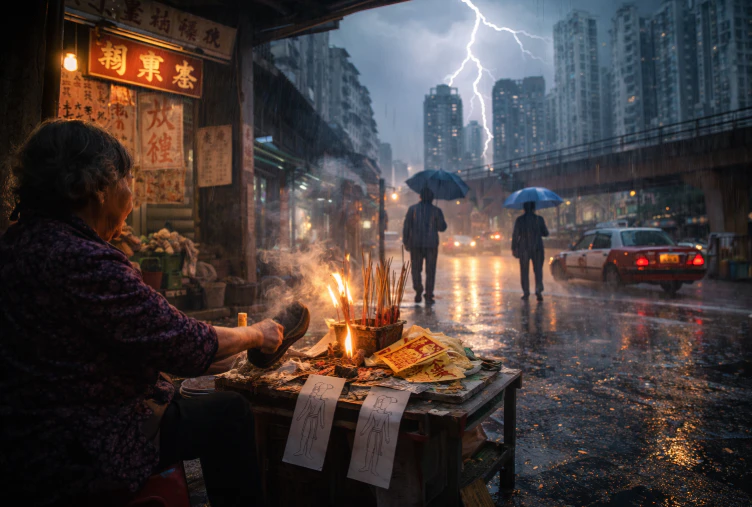
在香港的民間節日之中,盂蘭盛會是一個充滿神秘氣氛的節日。每年農曆七月,街道之間會出現祭壇、戲棚與香火。白天看起來只是普通的街角空地,到了晚上卻變成另一個世界。香煙在空氣中升起,燈光照亮祭壇,整個城市在這段時間裡多了一種特別的氣氛。
盂蘭盛會源自佛教與民間信仰的結合。佛教經典中記載,目連尊者為了拯救在地獄受苦的母親,設法供養僧眾並舉行法會,最後讓亡魂得到解脫。這個故事逐漸演變為盂蘭節,也就是中元節的一部分。人們相信在農曆七月,陰間之門打開,亡魂可以回到人間,因此需要祭祀與供養。
在香港,盂蘭盛會逐漸形成獨特的地方文化。許多社區會在街頭搭建臨時祭壇,擺放供品與香燭。水果、糕點、米飯與茶水整齊排列在桌上,象徵對亡魂的供養。紙錢在鐵桶裡燃燒,火光在夜色之中閃動。
盂蘭節的另一個重要元素是戲棚。許多地方會在祭壇旁搭建戲棚,邀請粵劇團體演出。這些戲曲被稱為「神功戲」,既是娛樂,也是祭祀的一部分。舞台上的演員唱著古老的故事,而觀眾席往往會留出一部分空位,象徵讓「無形的觀眾」觀看演出。
當夜幕降臨,戲棚的燈光亮起,鑼鼓聲在街道之間回響。這些聲音讓整個節日充滿戲劇感。人們坐在台下看戲,也有人在祭壇前上香。宗教儀式與民間娛樂在同一個空間裡交織,形成盂蘭盛會獨特的文化景象。
紙紮祭品也是盂蘭節的重要元素。巨大的紙紮屋宇、衣物與各種生活用品會在祭典期間展示。這些紙紮品象徵送給亡魂的禮物。到了祭典的最後一天,紙紮品會被焚燒,煙霧升上天空,象徵把物品送往另一個世界。
在香港一些老社區,盂蘭盛會已經舉行了數十年甚至上百年。居民會共同籌備祭典,搭建祭壇、安排戲棚與準備供品。這些活動不僅是宗教儀式,也是社區凝聚力的象徵。
對很多香港人來說,盂蘭節的記憶往往來自夜晚的街道。紅燈照亮祭壇,香煙在空氣中慢慢飄散。遠處傳來戲棚的鑼鼓聲,整個地方帶著一種既熱鬧又神秘的氣氛。
在現代城市之中,這樣的傳統活動顯得格外特別。高樓與霓虹燈之間,仍然保留著古老的祭祀文化。這些儀式讓人們記得過去,也提醒人們尊重祖先與亡魂。
盂蘭盛會並不只是關於鬼魂與祭祀,它同時也反映了華人社會對生命與死亡的理解。人們相信亡者仍然與世界保持某種聯繫,因此透過祭祀表達敬意與關懷。
當節日接近尾聲,祭壇前的香火逐漸減少。戲棚的燈光慢慢熄滅,街道恢復平日的安靜。那些紙錢與紙紮品在火光之中化為灰燼,煙霧升上夜空。
但盂蘭節留下的畫面仍然停留在人們的記憶裡。那是香火、戲棚與夜晚街道交織而成的景象。它既古老又真實,也讓人們記得城市之中仍然存在的傳統文化。
在香港這樣的地方,盂蘭盛會不只是一場祭典,而是一段延續至今的民俗故事。當每年農曆七月再次到來,街頭的香火再次升起,人們便知道這個古老節日仍然在城市裡延續。
English Version
During the seventh lunar month, as night falls across different districts in Hong Kong, the city quietly transforms through a series of street-level rituals and temporary structures that define the Hungry Ghost Festival, a tradition deeply embedded in local belief systems and communal practices. Unlike highly commercialized celebrations, this festival unfolds in a more understated yet visually distinctive manner, where everyday urban spaces such as sidewalks, open squares, and roadside areas are temporarily converted into sites of worship, performance, and symbolic exchange. Central to the festival are offerings made to wandering spirits, reflecting a worldview in which the boundary between the living and the unseen becomes permeable, allowing acts of respect, remembrance, and appeasement to take place within shared public environments. Tables filled with food, incense, paper offerings, and symbolic objects are carefully arranged, forming ritual spaces that invite both participation and observation, while the rising smoke from burning incense creates an atmosphere that is both solemn and evocative, drifting through the streets and subtly altering the sensory experience of the city. One of the most recognizable features of the festival is the construction of temporary bamboo opera stages, where traditional Chinese opera performances are held not only for human audiences but also as offerings to spirits, reinforcing the idea that performance itself can serve as a form of ritual communication. These stages, often brightly lit and elaborately decorated, stand in contrast to the surrounding darkness, becoming focal points within the neighborhood and drawing attention to the continuity of cultural practices that might otherwise fade within a rapidly modernizing urban landscape. The presence of empty front-row seats, traditionally reserved for spirits, adds a symbolic dimension that reflects respect and acknowledgment of unseen participants, illustrating how cultural narratives are embedded within physical arrangements. Beyond opera performances, chanting ceremonies and communal prayers further enrich the festival’s structure, emphasizing collective intention and shared belief, where participants engage in actions that are both personal and communal in nature. The auditory environment, shaped by rhythmic chanting, music, and occasional silence, contributes to a layered sensory experience that distinguishes the festival from other forms of public celebration. Fire, in the form of burning joss paper and incense, plays a crucial symbolic role, representing transformation and the transmission of offerings from the physical world to the spiritual realm, while also serving as a visual marker of ritual activity that can be seen from a distance. Despite its spiritual focus, the Hungry Ghost Festival also reflects the adaptability of tradition within a contemporary city, as modern elements coexist with long-standing practices, creating a hybrid environment where old and new intersect. Neon lights, passing traffic, and high-rise buildings form the backdrop against which these rituals unfold, highlighting the coexistence of different temporal layers within the same space. The festival also underscores the importance of community organization, as local groups, associations, and residents collaborate to plan, fund, and execute the various activities, ensuring the continuity of practices that rely on active participation rather than passive observation. Food offerings, often abundant and carefully prepared, symbolize generosity and the desire to maintain harmony between worlds, while also reflecting the cultural significance of sharing and abundance within Chinese traditions. In a broader sense, the Hungry Ghost Festival can be understood as an expression of collective memory and cultural continuity, where rituals serve as a means of maintaining connections with the past while navigating the realities of the present. It offers a perspective on how urban spaces can be temporarily redefined through cultural practices, transforming ordinary streets into meaningful sites of interaction between the visible and invisible, the living and the remembered. Ultimately, the festival’s significance lies not only in its visual elements or ceremonial actions but in its ability to sustain a sense of identity and belonging within an ever-changing city, reminding participants that tradition is not static but continuously shaped through participation, adaptation, and shared experience across generations.