澳門媽祖閣:海上信仰與城市起源的歷史象徵 | A-Ma Temple Macau: Maritime Faith and the Origins of a City

在澳門眾多歷史地標之中,媽祖閣被視為最具文化根源的存在之一。這座依山而建的廟宇,不僅承載著海上信仰,也與澳門名稱的由來密切相關。從香火鼎盛的祭祀空間,到今日的重要文化遺產,它見證了城市的起點與發展。
Among Macau’s historic landmarks, A-Ma Temple is widely regarded as one of its cultural origins. Built along a hillside, the temple embodies maritime belief and is closely linked to the name of Macau itself. From a place of active worship to a significant heritage site, it reflects the beginnings and evolution of the city.
中文
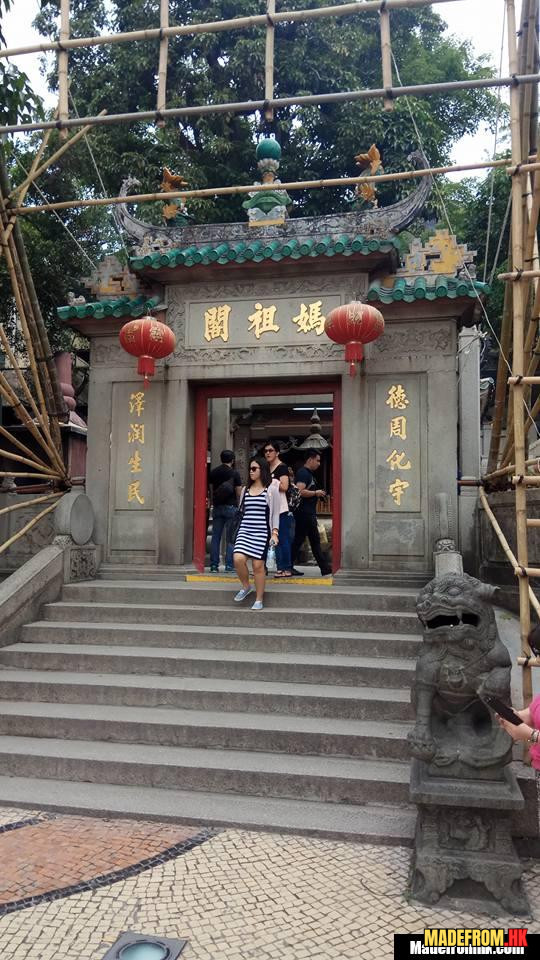
媽祖閣的歷史可追溯至明代,是澳門現存最古老的廟宇之一。在當時,澳門尚未發展成今日的城市規模,而這座廟宇已經成為漁民與海上活動者的重要信仰中心。媽祖作為海上守護神,象徵平安與庇佑,其形象深植於沿海社會之中。
關於澳門名稱的由來,常與媽祖閣相關。相傳早期外來者詢問當地名稱時,居民以「媽閣」作答,後來逐漸演變為「Macau」。這種語言轉換的過程,使媽祖閣不僅是一座宗教建築,也成為城市身份的一部分。
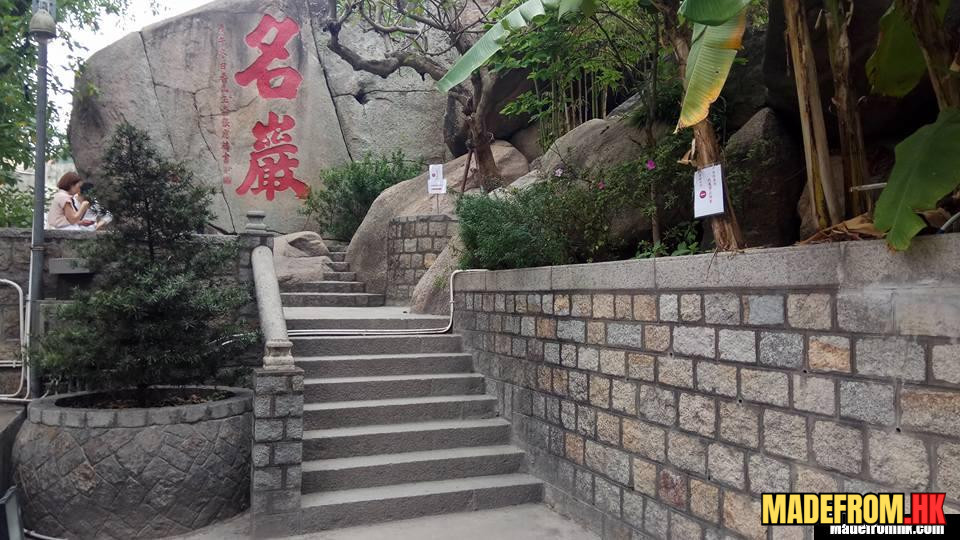
從建築角度來看,媽祖閣依山勢而建,空間層層向上延伸。不同殿堂分布於階梯之間,形成一種垂直的空間結構。這種設計不僅順應自然地形,也讓整體空間具有節奏感,使參觀者在移動過程中逐步進入不同層次。
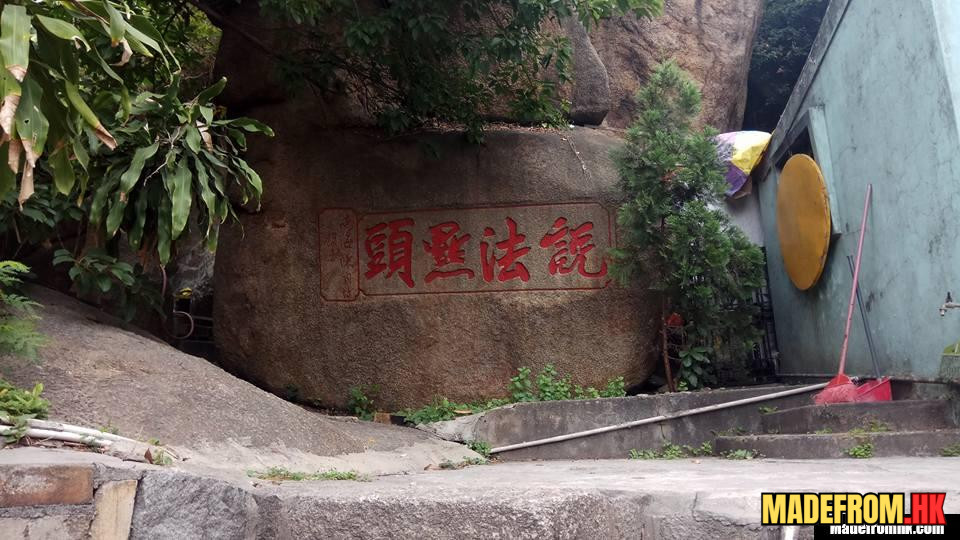
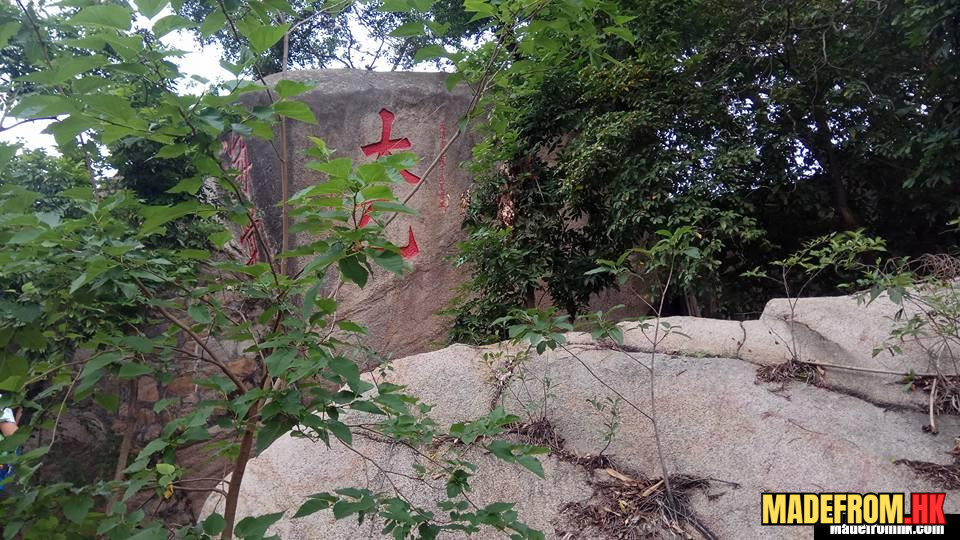
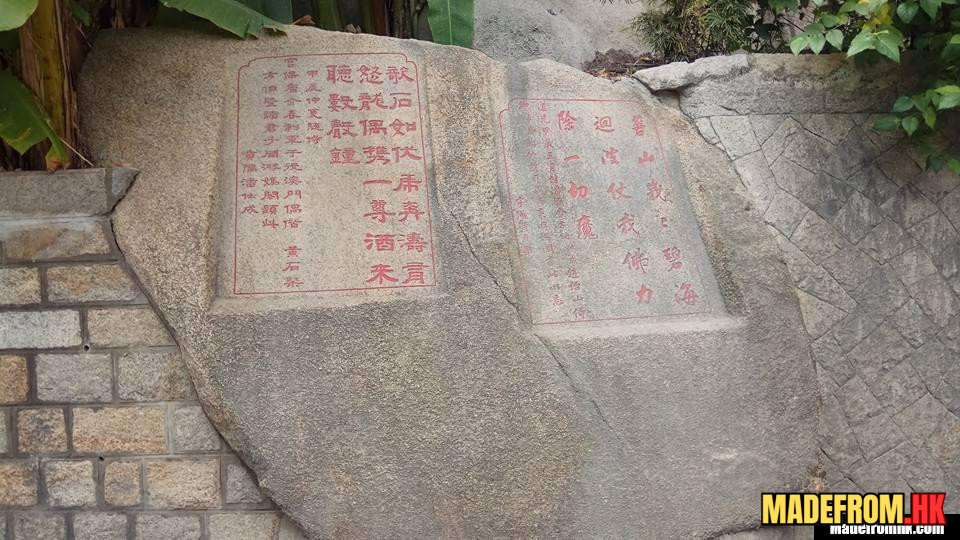
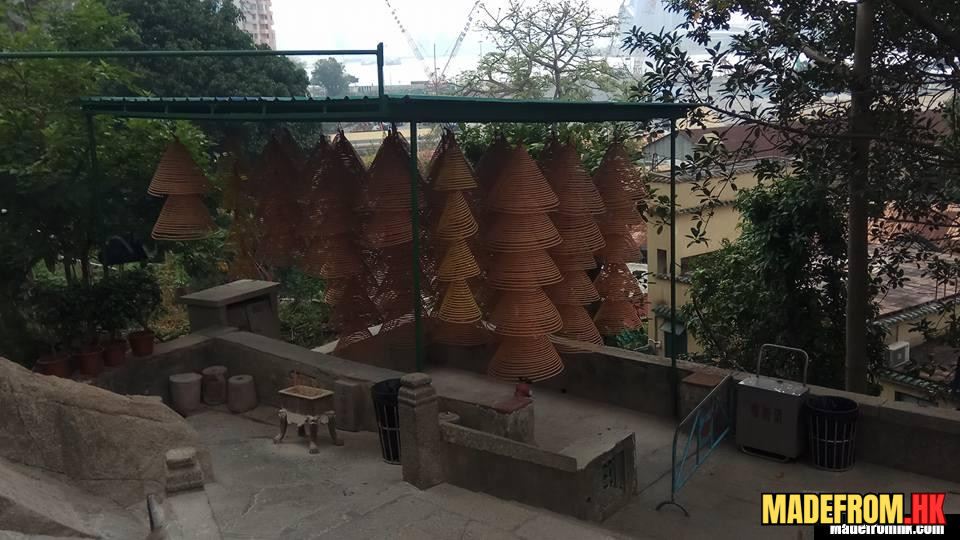
廟宇內部保留了傳統嶺南建築特色,包括雕刻、彩繪與石構結構。這些細節不僅具有裝飾功能,也承載文化意義。從屋脊的裝飾到香爐的擺放,每一個元素都反映出信仰與藝術的結合。
在歷史發展中,媽祖閣一直是重要的社會空間。除了宗教活動之外,它亦是社群交流的場所。節慶期間,香火鼎盛,人們在此聚集,使這裡成為連結個人與群體的重要節點。
隨著時間推移,媽祖閣的功能逐漸多元化。除了信仰用途,它亦成為文化遺產與旅遊景點。這種轉變,使更多人得以接觸這個空間,同時也讓其文化價值得以被重新認識。
從空間感受來看,媽祖閣提供了一種與城市不同的節奏。當踏入廟宇範圍,外界的喧囂逐漸被隔離,取而代之的是香煙與鐘聲所營造的氛圍。這種轉換,使人能在短時間內感受到平靜。
此外,媽祖閣所在位置臨近海岸,與海上文化緊密相連。這種地理關係,使信仰與環境形成呼應,也加強了其象徵意義。海與廟之間的連結,使整體空間更具歷史深度。
對於訪客而言,媽祖閣不僅是一個觀光地點,更是一個理解澳門起源的入口。透過建築、傳說與信仰,可以看見城市如何從一個小型港口逐漸發展成今日的樣貌。
English Version
A-Ma Temple dates back to the Ming Dynasty and is one of the oldest surviving structures in Macau. At a time when the city had not yet developed into its current form, the temple already served as a spiritual center for fishermen and maritime communities. Dedicated to the sea goddess Mazu, it symbolized protection and safe passage, deeply embedded in coastal life.
The origin of Macau’s name is often linked to this temple. According to common accounts, early visitors asked locals for the name of the place and were told “A-Ma-Gok,” referring to the temple. Over time, this evolved into “Macau.” This linguistic transformation connects the site directly to the city’s identity.
Architecturally, the temple follows the natural slope of the hillside. Its layout rises in layers, with different halls positioned along ascending paths. This vertical arrangement creates a rhythmic spatial experience, guiding visitors through a sequence of environments rather than a single unified space.
Traditional Lingnan architectural elements are evident throughout the complex. Carvings, painted details, and stone structures combine aesthetic and symbolic functions. Each component—from roof decorations to incense burners—reflects a fusion of artistry and belief.
Historically, the temple functioned as more than a religious site. It served as a social gathering place, particularly during festivals when communities would come together. This dual role strengthened its significance within local life.
Over time, the temple’s role expanded. While it remains a place of worship, it has also become a cultural heritage site and a major attraction. This evolution allows a broader audience to engage with its history and meaning.
Experientially, the temple offers a contrast to the surrounding city. Entering its grounds, the atmosphere shifts—noise fades, replaced by incense, quiet movement, and subtle sounds. This transition creates a sense of calm within a dense urban setting.
Its proximity to the sea reinforces its symbolic importance. The connection between maritime environment and spiritual practice adds depth to the site, linking physical geography with cultural belief.
For visitors, A-Ma Temple provides more than visual interest. It offers insight into the origins of Macau and the forces that shaped it. Through architecture, legend, and ritual, the site tells a layered story.
From a narrative standpoint, the temple integrates history, religion, and cultural identity. Exploring these aspects reveals a complex and meaningful space that extends beyond its physical form.
總結
媽祖閣承載著澳門的起源與信仰,是連結歷史與文化的重要象徵。在山與海之間,它靜靜見證城市的演變。
A-Ma Temple embodies the origins and beliefs of Macau, standing between mountain and sea as a quiet witness to the city’s evolution.