
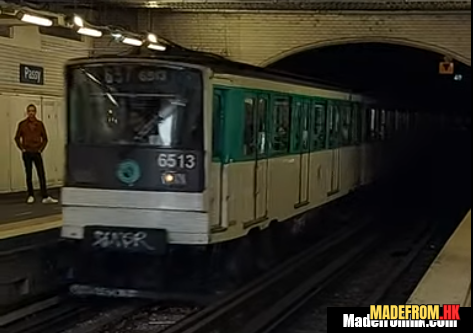
巴黎地鐵系統:穿梭城市的地下動脈與歷史軌跡 | Paris Métro: The Underground Lifeline and Historic Transit Network
巴黎地鐵是城市運作的重要支柱,連接街區與地標,讓旅人與居民快速穿梭。這套歷史悠久的交通系統,不僅高效實用,也承載著城市發展的軌跡與文化特色。
The Paris Métro is the backbone of urban mobility, linking neighbourhoods and landmarks with speed and efficiency. Beyond its practicality, it reflects the city’s history, character, and evolving identity.
中文
Paris Métro是巴黎最重要的公共交通系統之一,自1900年開通以來,已成為城市日常生活不可或缺的一部分。最初為迎接世界博覽會而建,地鐵迅速擴展,形成覆蓋廣泛的地下網絡,連接城市各個角落。
巴黎地鐵以密集的站點與頻繁的班次著稱,使乘客能夠快速抵達目的地。無論是主要景點還是住宅區,幾乎都能透過地鐵方便到達。這種高效率的設計,使其成為城市交通的核心。
地鐵車站本身亦充滿特色。許多入口設計帶有新藝術風格的元素,以曲線與裝飾性鐵件構成獨特外觀,成為巴黎街景的一部分。部分車站內部保留歷史裝飾,呈現出不同時期的設計風格,讓乘車過程也成為一種文化體驗。
車廂設計簡潔實用,並持續更新以提升舒適度與安全性。隨著科技進步,部分路線已引入自動駕駛列車,提升運作效率。同時,電子資訊系統亦讓乘客能即時掌握班次與路線資訊。
巴黎地鐵的路線規劃以顏色與編號區分,使導航更為直觀。轉乘站設計清晰,方便乘客在不同路線之間切換。雖然系統複雜,但經過幾次使用後,旅客通常能迅速掌握其運作方式。
除了交通功能,地鐵亦反映城市文化。部分車站以藝術作品或主題設計裝飾,例如歷史人物、文學作品或地方特色,使每一站都具有獨特性。街頭音樂表演亦常見於通道之中,為通勤增添生活氣息。
在環境層面,地鐵作為大眾運輸工具,有助於減少城市交通壓力與碳排放。鼓勵公共交通的使用,是巴黎推動可持續城市發展的重要策略之一。
整體而言,巴黎地鐵不僅是一套高效的交通系統,更是一個融合歷史、設計與文化的城市網絡。它讓人以不同方式體驗巴黎,從地面之下感受城市的脈動。
English Version
The Paris Métro is one of the most essential elements of daily life in Paris. Opened in 1900 for the Exposition Universelle, it quickly expanded into an extensive underground network that connects nearly every part of the city.
Known for its density and frequency, the system allows passengers to travel efficiently across Paris. Stations are closely spaced, making it easy to access both major attractions and residential neighbourhoods. This accessibility has made the métro a cornerstone of urban mobility.
The entrances and stations themselves are visually distinctive. Many feature Art Nouveau designs with elegant curves and decorative ironwork, blending infrastructure with artistic expression. Inside, some stations preserve historical elements, offering glimpses into different periods of design.
Modernisation has also played a key role in its evolution. Updated trains provide improved comfort and safety, while certain lines operate with automated systems. Digital displays and announcements help passengers navigate the network with ease.
The system is organised through numbered and colour-coded lines, simplifying navigation despite its complexity. Interchange stations are designed to facilitate smooth transfers, enabling seamless movement across the network.
Beyond transportation, the métro reflects the cultural fabric of Paris. Artistic installations, themed stations, and live music performances contribute to a dynamic environment. Each journey becomes more than a commute—it becomes part of the city experience.
Environmentally, the métro supports sustainable urban living by reducing reliance on cars and lowering emissions. It plays a crucial role in shaping a more efficient and eco-friendly city.
In essence, the Paris Métro is more than a transport system—it is a living network that combines history, design, and culture, offering a unique way to explore and understand the city from below the surface.
總結
中文
巴黎地鐵融合效率與文化,是探索城市最實用的方式之一,也展現巴黎的歷史與創意。
English
The Paris Métro combines efficiency with cultural depth, making it one of the most practical and enriching ways to experience the city.