
復活節的春日象徵|彩蛋、兔子與西方節日的春天氣息|Easter Symbols of Spring|Eggs, Bunnies and the Meaning Behind Western Seasonal Traditions | 包羅萬有 第27章
在西方節日之中,復活節是一個充滿春天氣息的節日。它不像聖誕節那樣充滿燈光與冬日氣氛,而是與春天的到來密切相關。當花朵開始綻放、氣溫逐漸回暖,復活節便在這樣的季節裡出現。
復活節的起源與基督教信仰有關。按照宗教傳統,復活節是紀念耶穌基督復活的日子。在基督教文化中,復活象徵希望與新生。這個節日因此不只是宗教紀念,也帶著象徵生命更新的意義。
在西方國家,復活節的氣氛往往從春天開始便慢慢出現。教堂會舉行特別的禮拜活動,家庭也會準備節日聚餐。許多城市在復活節期間會舉辦各種活動,讓整個節日充滿歡樂氣氛。
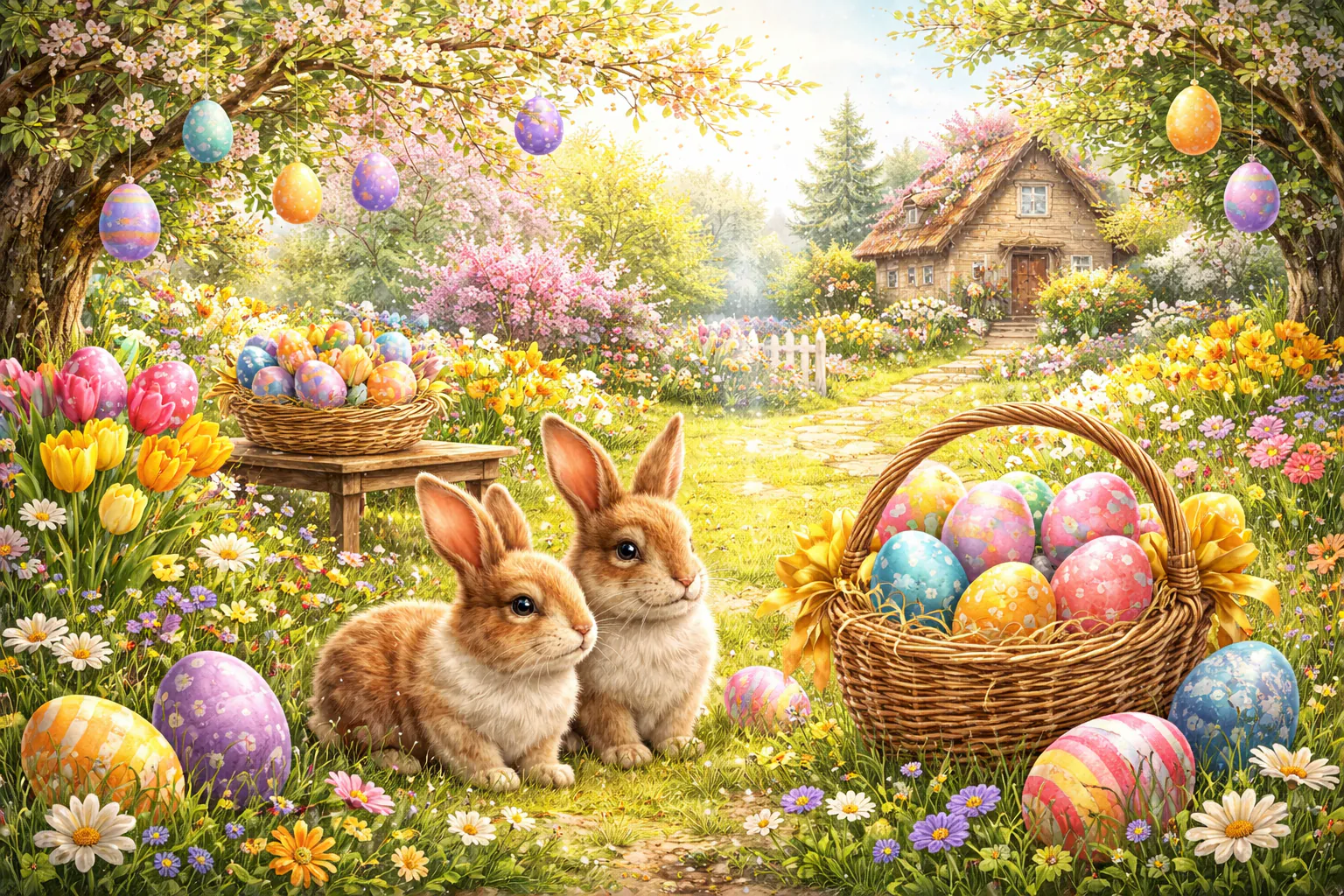
復活節最具代表性的象徵之一是彩蛋。雞蛋在許多文化中象徵生命的誕生,因此逐漸成為復活節的重要符號。人們會把雞蛋染上鮮豔的顏色,甚至畫上圖案。這些彩蛋既是裝飾,也是一種節日遊戲。
在一些地方,孩子們會參加「尋找彩蛋」的活動。彩蛋被藏在花園或草地之中,小孩在節日早晨四處尋找。這種遊戲讓復活節充滿歡樂,也讓節日變得更加生動。
另一個常見的象徵是復活節兔子。兔子在春天活動頻繁,也象徵繁衍與生命力。因此在節日文化中,兔子逐漸與彩蛋一起出現。許多復活節裝飾都會出現兔子的形象。
在香港這樣的國際城市,復活節也逐漸成為一個熟悉的節日。雖然它不像聖誕節那樣盛大,但商場與學校仍然會舉辦相關活動。彩蛋裝飾、兔子圖案與春天主題佈置出現在商店與公共空間。
對很多家庭來說,復活節假期也是春天出遊的時間。公園與海邊開始變得熱鬧,人們利用假期享受溫暖的天氣。這種春日氣氛,使復活節帶著輕鬆與愉快的感覺。
在文化層面上,復活節其實融合了宗教與自然的象徵。宗教故事代表精神與信仰,而彩蛋與兔子則象徵春天與生命。這些元素一起構成了節日的獨特面貌。
隨著時間推移,復活節逐漸成為一個跨文化的節日。即使在非基督教社會,人們仍然會透過彩蛋與春天活動感受節日氣氛。這種文化交流讓節日變得更加多元。
在香港,復活節假期通常落在春天最舒適的時候。氣溫溫和,天空明亮。城市裡的公園與海濱變得特別熱鬧,人們享受短暫的假日。
當節日結束,彩蛋裝飾與兔子圖案逐漸消失,城市恢復平日的節奏。但復活節帶來的春日氣氛仍然停留在人們的記憶裡。
復活節或許不像其他節日那樣熱鬧,但它帶著一種溫和而明亮的感覺。它提醒人們春天已經來到,也象徵新的開始。在每一年的春天,復活節再次出現,讓城市與人們一起迎接新的季節。
English Version
As winter fades and the first signs of warmth return, Easter emerges as one of the most symbolic celebrations of spring, blending ancient traditions, religious meanings, and modern cultural expressions into a season filled with renewal, color, and life. Unlike many holidays defined by a single narrative, Easter carries layers of meaning that have evolved over centuries, where symbols such as eggs and rabbits have become central to its identity, representing fertility, rebirth, and the cyclical nature of life. The Easter egg, perhaps the most recognizable symbol, originates from early traditions where eggs were seen as a sign of new beginnings, eventually transforming into decorated objects, chocolate treats, and interactive activities like egg hunts that bring families and communities together. The act of decorating eggs, whether through painting, dyeing, or crafting, reflects a universal human desire to celebrate transformation and creativity, turning a simple natural object into a vibrant expression of seasonal joy. Alongside eggs, the Easter Bunny plays a significant role in shaping the holiday’s modern image, particularly in Western cultures, where the rabbit, known for its rapid reproduction, became associated with fertility and abundance, reinforcing the connection between Easter and the arrival of spring. Over time, this figure evolved into a playful character that delivers eggs and gifts, especially for children, adding an element of storytelling and imagination that enhances the festive atmosphere. Beyond these popular symbols, Easter is deeply connected to themes of renewal and hope, often aligning with the changing landscape as flowers bloom, days grow longer, and outdoor spaces become active again, encouraging people to reconnect with nature and embrace a sense of fresh beginnings. In many cities, Easter is marked by seasonal markets, themed decorations, and public events that transform urban spaces into colorful environments filled with pastel tones, floral designs, and symbolic imagery, creating an atmosphere that is both celebratory and reflective. Retail environments also adapt to this seasonal shift, with shop displays incorporating soft colors, natural elements, and symbolic motifs that subtly influence consumer behavior while reinforcing the emotional tone of the holiday. At the same time, Easter continues to hold religious significance for many, particularly within Christian traditions, where it represents resurrection and spiritual renewal, adding a deeper layer of meaning that coexists with its more commercial and cultural expressions. This dual identity allows Easter to be experienced in multiple ways, whether as a spiritual observance, a family-centered celebration, or a seasonal festival that marks the transition into warmer months. Food also plays an essential role in shaping Easter traditions, with different regions developing their own culinary practices that reflect local culture and seasonal ingredients, further enriching the diversity of the holiday. From sweet breads and chocolate confections to shared meals that bring people together, these traditions emphasize connection, generosity, and the enjoyment of the present moment. Ultimately, Easter can be understood as a celebration of transition, where the end of winter gives way to new possibilities, and where symbols, rituals, and shared experiences combine to create a sense of continuity across generations. It is this ability to merge past and present, tradition and creativity, that allows Easter to remain relevant in modern society, offering both a moment of reflection and an opportunity to engage with the changing rhythms of the natural world.