萬聖節的城市夜色|南瓜燈與現代都市的節日文化|Halloween City Nights|Pumpkin Lanterns and Urban Festival Culture After Dark | 包羅萬有 第26章
在香港眾多節日之中,萬聖節是一個帶著現代城市氣息的節日。它並非源自華人傳統文化,卻在都市生活之中逐漸形成自己的節日氛圍。每到十月下旬,街道與商場便開始出現南瓜燈、幽靈與各種奇幻裝飾。當夜晚降臨,城市像是進入一場帶著神秘色彩的節日。
萬聖節的歷史其實相當古老。它最早源自古代凱爾特人的節日「薩溫節」。在那個時候,人們相信每年秋末冬初之際,陰陽兩界之間的界線會變得模糊。為了避免受到遊魂影響,人們會點燃火焰,並戴上奇怪的面具。
隨著時間流轉,這個古老的節日逐漸演變成今天的萬聖節。尤其在歐美國家,它成為一個充滿娛樂氣氛的節日。孩子們會穿上各種服裝,在夜晚敲門說出「Trick or Treat」,收集糖果與零食。
當這個節日傳到亞洲城市之後,也逐漸出現新的形式。在香港,萬聖節常常與夜生活、主題活動與商場裝飾結合。蘭桂坊、中環與尖沙咀等地區,每到萬聖節前後都會出現大量節日裝飾與活動。
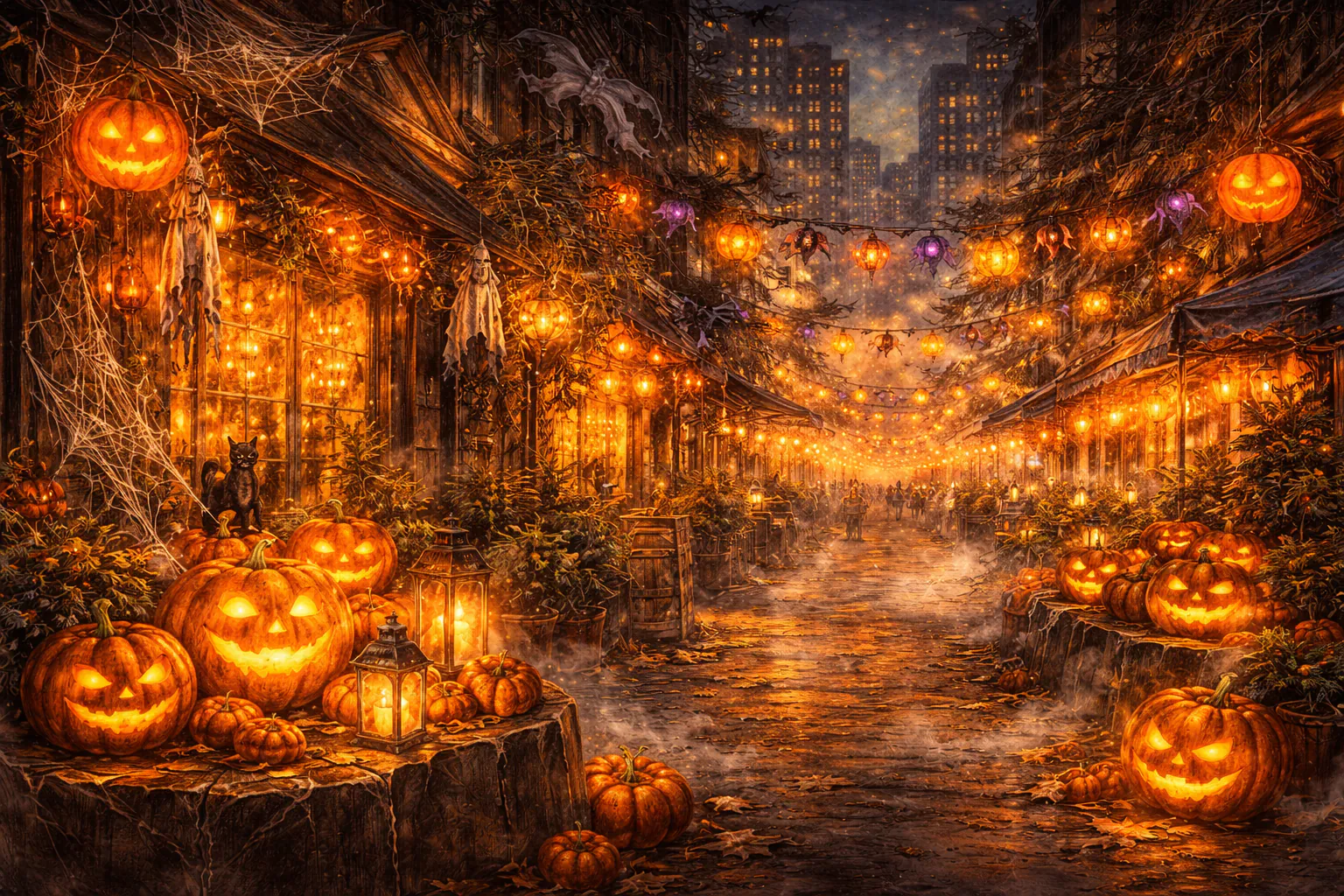
南瓜燈是萬聖節最具代表性的象徵。橙色的南瓜被雕刻成不同表情,裡面放上一盞燈。當燈光亮起,南瓜臉在黑夜之中顯得既可愛又神秘。這些南瓜燈出現在店鋪門口、餐廳窗邊與街道裝飾之中。
在一些地方,整條街道會被佈置成萬聖節主題。黑色與橙色的裝飾掛滿街道,蜘蛛網與幽靈圖案出現在櫥窗裡。夜晚的燈光與裝飾交織在一起,使城市帶著一種奇幻氣氛。
對許多年輕人來說,萬聖節也是一個充滿創意的節日。人們會準備各種服裝與裝扮,從電影角色到傳說中的怪物。街道上出現各種奇特造型,讓整個城市像是一場大型的節日遊行。
然而,萬聖節在香港的文化意義,並不完全與西方相同。它更像是一種城市娛樂文化的象徵。在繁忙的生活節奏之中,人們透過節日活動短暫地改變日常氣氛。
在這樣的節日夜晚,城市顯得格外明亮。酒吧與餐廳燈火通明,音樂從街角傳來。南瓜燈在窗邊閃著橙色的光,裝飾與燈光形成一種奇幻景象。
對孩子來說,萬聖節是一個充滿遊戲與糖果的節日;對成年人來說,它則是一場夜晚的狂歡。不同的人在同一個節日裡找到不同的樂趣。
隨著時間過去,萬聖節在香港逐漸成為城市文化的一部分。雖然它不是本地傳統節日,但卻反映了香港作為國際都市的特色。不同文化在這裡相遇,也在城市生活之中融合。
當十月的夜晚慢慢變涼,街道上的萬聖節裝飾逐漸出現。南瓜燈與黑色裝飾點亮城市的一角,提醒人們節日即將到來。那是一種帶著神秘與歡樂的氣氛。
當萬聖節的夜晚結束,裝飾被慢慢收起,城市恢復平日的樣子。但那些橙色燈光與奇幻裝飾,仍然會在記憶裡停留。萬聖節在城市之中留下了一段屬於現代生活的節日故事。
English Version
As autumn deepens and daylight gradually shortens, cities begin to transform under the cover of darkness, giving rise to a distinctive atmosphere that defines Halloween as one of the most visually and culturally dynamic seasonal celebrations in modern urban life. Unlike spring festivals that emphasize renewal or winter holidays centered on warmth and light, Halloween thrives on contrast, blending shadows, artificial illumination, and symbolic imagery to create environments that are both playful and mysterious. Streets, storefronts, and residential neighborhoods adopt thematic decorations that range from traditional carved pumpkin lanterns to elaborate installations featuring ghosts, skeletons, and other iconic figures, turning familiar spaces into temporary stages of imagination and storytelling. The pumpkin lantern, commonly known as the jack-o’-lantern, remains one of the most recognizable elements of Halloween, rooted in folklore yet continuously reinterpreted through contemporary design, where glowing faces carved into pumpkins serve not only as decoration but as visual markers of participation in a shared cultural ritual. In urban settings, these symbols are amplified through scale and creativity, with commercial districts and public venues integrating lighting effects, projections, and interactive displays that enhance the sensory experience of the festival. The interplay between darkness and light becomes a central aesthetic, where dimly lit streets contrast with vivid orange glows and neon accents, creating a cinematic quality that encourages exploration and engagement. Retail environments play a significant role in shaping this seasonal transformation, as shops redesign their visual identity through themed window displays, limited-edition products, and immersive layouts that align with Halloween’s visual language, effectively merging commerce with cultural expression. This seasonal shift in presentation not only attracts attention but also influences behavior, encouraging people to participate through costume purchases, themed events, and social gatherings that extend the celebration beyond private spaces into the public realm. Costumes themselves represent another key aspect of Halloween’s urban culture, allowing individuals to temporarily adopt alternative identities, challenge norms, or simply engage in creative expression, contributing to a collective atmosphere where anonymity and performance coexist. In many cities, Halloween events such as night markets, street performances, and organized festivals further reinforce this sense of community participation, transforming the night into a shared experience that blurs the boundary between spectator and participant. Despite its modern commercial presence, Halloween retains connections to older traditions related to harvest, superstition, and the symbolic relationship between the living and the unknown, themes that continue to resonate through its visual motifs and storytelling elements. The festival’s ability to balance lighthearted entertainment with subtle undertones of fear and curiosity is part of what sustains its appeal, particularly in urban environments where controlled spaces allow for safe yet immersive experiences. Food and seasonal treats also contribute to the overall atmosphere, with themed desserts, candies, and beverages becoming part of the visual and sensory landscape, reinforcing the playful and indulgent nature of the celebration. Ultimately, Halloween in the city is not just about decoration or entertainment, but about transformation, where ordinary urban spaces are temporarily reimagined through light, shadow, and symbolism, creating a layered experience that reflects both historical influences and contemporary creativity, and allowing individuals to engage with the night in ways that are both communal and deeply imaginative.