奈良動漫扭蛋店探索:在古都之中遇見日本次文化的日常角落 | Gachapon Culture in Nara: Discovering Japan’s Capsule Toy Corners in a Historic City | 旅行誌
在 奈良 的古老街道之間,偶爾會出現一些截然不同的空間——動漫扭蛋店。這些充滿色彩與聲音的小店,與寺院與歷史建築形成強烈對比,卻同時成為日本日常文化的一部分,靜靜地存在於城市之中。
In the historic streets of Nara, moments of contrast appear in unexpected ways. Among temples and traditional architecture, small gachapon shops emerge — filled with color, sound, and movement. These spaces may feel out of place at first, yet they are deeply embedded in everyday Japanese culture.
中文版本
奈良給人的印象,通常是安靜的。
古老的街道、寺院、鹿群,還有一種緩慢而穩定的時間感。整個城市像是被保存在某個節奏之中,不急於改變,也不刻意迎合。
但就在這樣的背景之下,你會偶然遇見另一種空間。
動漫扭蛋店。
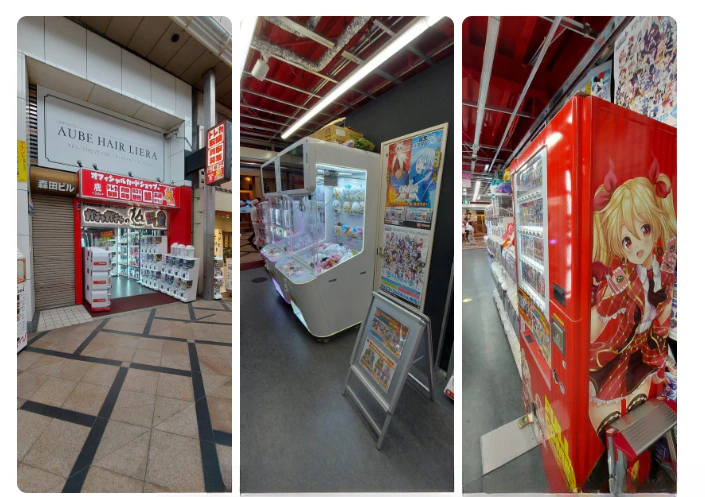
它們通常不大,卻很密集。機器一排一排地排列著,顏色鮮明,聲音清脆。與外面的街道相比,這裡的節奏突然變快了。
每一台扭蛋機,都是一個微小的世界。
透明的外殼裡展示著不同主題——動漫角色、日常物件、甚至一些帶點幽默感的設計。你不一定認識所有角色,但仍然會被這種細節吸引。
這種文化的有趣之處,在於「隨機」。
你無法選擇結果,只能投入硬幣,轉動把手,等待那一刻的出現。這種小小的不確定性,讓整個過程變得有趣,也讓人願意一再重複。
店內的人群,也呈現出另一種節奏。
有些人快速轉完就離開,有些人則停留很久,仔細觀察每一台機器。小朋友、學生、甚至成年人,都在這裡找到各自的興趣。
這裡沒有年齡的界線。
也沒有特定的目的。
與奈良的整體氛圍相比,這些扭蛋店顯得有些突兀。但正是這種突兀,讓它們變得真實。因為城市並不是單一面貌,而是由不同層次組成。
古老與現代,安靜與活潑,可以同時存在。
當你走出店外,再回到奈良的街道,那種轉換會變得明顯。聲音降低了,步伐慢下來了,光線也變得柔和。
但剛才那一段色彩與聲音,仍然留在記憶之中。
像是一個短暫插入的片段。
讓整個旅程,多了一點層次。

English Version
Nara is often defined by its quietness.
Historic streets, temples, and open spaces where deer move freely — the city feels anchored in a slower rhythm, one that resists urgency. It is a place where time seems to settle rather than accelerate.
And then, unexpectedly, you step into something entirely different.
A gachapon shop.
The space is compact, yet visually dense. Rows of machines line the walls, each filled with miniature worlds sealed inside clear plastic. Colors are brighter, sounds sharper — the click of turning handles, the soft drop of capsules.
The pace changes instantly.
Each machine offers a small, contained universe. Anime characters, everyday objects, playful designs — some familiar, others entirely new. You don’t need to recognize them to feel their appeal.
What defines this experience is randomness.
You cannot choose the exact outcome. You insert a coin, turn the dial, and wait. That brief moment — between action and result — becomes the essence of the experience. It is simple, yet strangely engaging.
People move through the space in different ways.
Some stop briefly, try once, and leave. Others stay longer, scanning each machine, comparing options, repeating the process. Children, teenagers, adults — the boundaries blur.
There is no single way to engage with it.
In contrast to the stillness of Nara, these spaces feel almost out of place. Yet that contrast is what makes them meaningful. A city is never defined by one identity alone — it is shaped by layers, by overlaps, by coexistence.
Here, tradition and contemporary culture exist side by side.
When you step back outside, the transition is immediate. Sound softens. Movement slows. Light returns to its natural tone.
But the colors and rhythm of that small interior space linger.
A brief insertion into the journey.
A reminder that even in the quietest cities, there are always unexpected layers waiting to be discovered.